
Pruning
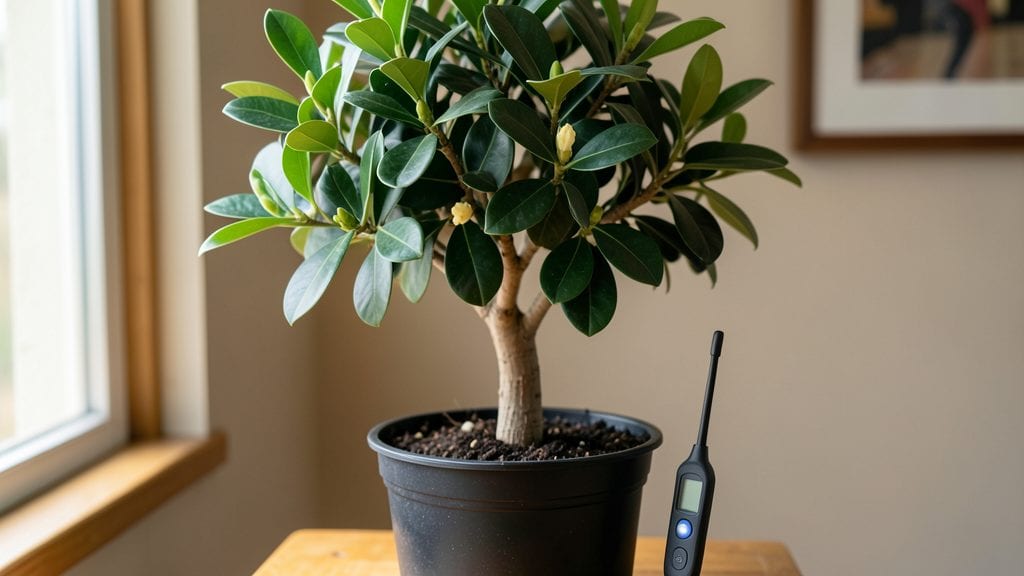
A 5-gallon avocado tree in your Pacific Northwest home isn’t just possible—it’s thriving in my kitchen window right now. 🌱 The secret? Treating it like a bonsai, not a backyard giant, and pruning for frost resilience.
My first attempt nearly died when I ignored the container size, but now this tree produces fruit and survives our damp winters.
You’ll need a sturdy 5-gallon pot with drainage holes, a well-draining cactus/succulent mix, and patience—avocados despise soggy roots. Place it near a south-facing window (or under a grow light) for 6+ hours of sunlight daily, and water only when the top inch of soil feels bone-dry.
The key to frost resistance? Pruning back leggy growth in late winter to encourage bushier, hardier branches.
By summer, you’ll see glossy new leaves and—with luck—a single avocado flower. Yes, it’s slow, but the payoff is worth it: a miniature tree that bears fruit in containers. The real magic happens when you repot every 2 years and fertilize lightly in spring, keeping roots from circling and suffocating.
This method works for both Hass and Fuerte varieties, even in zones 8-10 with winter protection. The trade-off? Smaller fruit, but the satisfaction of growing something tropical in a chilly climate is unbeatable. Let’s get your tree growing!
📚 In This Guide
- What you need
- Instructions
- Tips and common mistakes
- Wrapping up and next steps
What you need
- ● 5-gallon avocado tree (preferably a Mexican (Persea americana) or West Indian variety for better cold tolerance)
- ● Pruning shears (bypass type, sharp and sanitized)
- ● Hand pruners (for smaller branches, 10-12 inch blades)
- ● Loppers (for thicker branches, 20-24 inch reach)
- ● Gloves (cut-resistant, gardening-grade)
- ● Disinfectant (70% isopropyl alcohol or copper-based fungicide)
- ○ Pruning sealant (optional, for large cuts 1/4 inch or thicker)
- ● 5-gallon container (with drainage holes, 18+ inches deep)
- ● Well-draining potting mix (cactus/succulent blend + perlite, sterilized)
- ○ Cold frame or greenhouse (optional, for winter protection)
- ● Insulated grow bag (for sub-20°F temps, 30-50 gallon size)
- ○ Heating mat (optional, for root zone warmth in deep freezes)
- ● Frost cloth (lightweight, 30g/m² for 25-30°F nights)
- ● Windbreak (burlap or plastic mesh, 5-6 ft tall)
Step-by-Step guide for pruning a 5-Gallon avocado tree in cold climates
Here's how to keep your avocado thriving through Pacific Northwest winters.
🌿 Step 1: Assess Growth and Identify Frost-Damaged Branches
Start by examining your avocado tree in early spring, just as new growth begins. Look for branches that appear brown or brittle—these are likely frost-damaged. Healthy branches should be green with firm bark, while dead wood feels dry and crumbly when touched. I always run my fingers along each branch to check for hidden splits or weak spots that frost can exploit.
Focus on the outer canopy first, as these branches are most exposed to cold air. If you see any branches with blackened leaves or hollow stems, mark them for removal. These are clear signs the tissue inside has died, and they won't recover. Remember, avocado trees are tropical at heart—they can't regenerate damaged limbs like some hardier species.
✂️ Step 2: Prune at the Right Time and Angle
Wait until late March or early April to prune, after the last frost date in your area. This gives the tree time to heal before summer heat arrives. Use clean, sharp pruning shears and make cuts at a 45-degree angle, about ¼ inch above a leaf node or outward-facing bud. This ensures water runs off the cut and new growth emerges in the right direction.
I always sterilize my tools with rubbing alcohol between cuts to prevent bacterial infections. When removing larger branches, cut just outside the branch collar—the swollen area where the branch meets the trunk. Never leave stubs, as they invite rot. For branches thicker than ½ inch, make a second cut slightly above the first to avoid tearing the bark.
☀️ Step 3: Thin the Canopy for Airflow and Sunlight
Avocado trees need good airflow to dry quickly after rain, which prevents fungal diseases like root rot. Step back and look at your tree—aim to create an open, vase-like shape with branches spaced 6-12 inches apart. Remove any crossing branches or those growing inward, as these rub against each other and create wounds. I start from the bottom and work upward, removing the smallest branches first to reduce stress on the tree.
Leave at least ⅓ of the foliage on the tree, even if it looks overgrown. Avocado trees produce energy in their leaves, and sudden heavy pruning can shock them. If you're unsure, err on the side of caution—you can always prune more next year. After pruning, water deeply to help the tree recover and encourage new root growth.
🪴 Step 4: Protect Against Late-Fall Frost
In the Pacific Northwest, late-fall frosts can still damage avocado trees even after summer heat. Start preparing in late September by applying a 2-inch layer of mulch around the base of the tree, but keep it 6 inches away from the trunk. This insulates the roots and retains moisture. I also wrap the trunk of young trees with burlap or frost cloth to protect the bark from cracking.
If a frost warning appears, cover the entire tree with a clear plastic sheet secured loosely at the top. This traps heat while allowing sunlight to penetrate. Avoid heavy materials like blankets, as they can trap too much moisture and cause rot. Remove covers as soon as temperatures rise above 40°F to prevent overheating during the day.
Tips & tricks for frost-resistant avocado tree pruning
Here's what I've learned after years of keeping avocado trees alive in our chilly Pacific Northwest winters.
Timing is Everything: The late March to early April window for pruning is non-negotiable—this is when your tree naturally starts its growth cycle. I've seen trees struggle when pruned too early (before last frost) or too late (after summer heat arrives). If you miss this window, wait until next year. Also, check your local last frost date—some inland areas get frost later than coastal zones.
Tool Preparation Matters: Sterilizing your pruning shears with rubbing alcohol between cuts prevents bacterial infections that can kill your tree. I keep a small bottle of 70% isopropyl alcohol in my gardening toolkit. For larger branches, I use a handsaw with a sterilized blade—never reuse a dirty blade on multiple trees. The ¼-inch above the leaf node cut angle is crucial; it directs water away from the wound and promotes proper healing.
Canopy Shape Secrets: When thinning branches in Step 3, think of creating an open vase shape that allows sunlight to reach all parts of the tree. I find it helpful to visualize the tree from above—imagine you're looking down from a bird's-eye view. Remove any branches growing toward the center, as these create dense pockets where moisture lingers. The 6-12 inch spacing between branches isn't just a suggestion—it's what allows air to circulate properly.
Frost Protection Hacks: For that 40°F threshold when removing frost covers, I keep a small thermometer near my trees. The key is removing covers when the sun comes out—even if temps are still below 40°F during the night, daytime warmth can cause overheating if left covered. I also use clear plastic sheeting instead of blankets because it lets sunlight through while trapping heat, unlike heavy materials that block light completely.
Pro Tips for 5 Gallon Avocado Tree
- Here's what I've learned after years of keeping avocado trees alive in our chilly Pacific Northwest winters.
- Timing is Everything: The late March to early April window for pruning is non-negotiable—this is when your tree naturally starts its growth cycle.
- Tool Preparation Matters: Sterilizing your pruning shears with rubbing alcohol between cuts prevents bacterial infections that can kill your tree.
Frequently asked questions
Got questions about growing and pruning a 5-gallon avocado tree in the Pacific Northwest? You’re not alone! Here are some of the most common concerns—and their answers—to help you cultivate a thriving, frost-resistant tree.
Can a 5-gallon avocado tree survive PNW winters?
A 5-gallon avocado tree is tropical but can survive mild PNW winters (above 25°F) with proper care. Move it indoors or into a garage during frost, and use frost cloth for extra protection. If temps drop lower, consider a frost-resistant variety like Hass or a dwarf cultivar.
How long does it take for a 5-gallon avocado tree to bear fruit?
Patience is key! A 5-gallon avocado tree typically takes 3–5 years to bear fruit, depending on light, water, and care. Dwarf varieties may fruit slightly sooner. Keep it in a sunny spot (6+ hours/day) and fertilize regularly to encourage growth.
What’s the best pruning schedule for a 5-gallon avocado tree?
Prune in late winter or early spring (before new growth) to shape the tree and remove dead branches. Avoid heavy pruning—avocados respond best to light, strategic cuts. In PNW’s cooler months, prune indoors if needed to prevent stress.
How often should I water a 5-gallon avocado tree?
Water deeply 1–2 times per week (more in summer, less in winter). Let the top inch of soil dry out between waterings—overwatering can cause root rot. If growing in a pot, ensure proper drainage to mimic its natural habitat.
Can I grow a 5-gallon avocado tree in a container long-term?
Yes, but upgrade the pot every 2–3 years (aim for 15+ gallons by maturity). Avocados have deep roots, so a 5-gallon pot is just a starter. If kept in a container, fertilize monthly with citrus/avocado-specific food and prune roots if they circle the pot.
Wrapping up and next steps
Growing a 5-gallon avocado tree in the Pacific Northwest’s chilly climate is totally doable with the right pruning know-how! By mastering frost-resistant techniques—like strategic cuts, protective wraps, and smart placement—you’ll keep your tree thriving even when temps drop. 🌱❄️
Now that you’re armed with the blueprint, it’s time to roll up your sleeves! Start small: prune your tree this season, monitor its progress, and adjust as needed. Before you know it, you’ll be harvesting homegrown avocados—one snip at a time!