Pruning
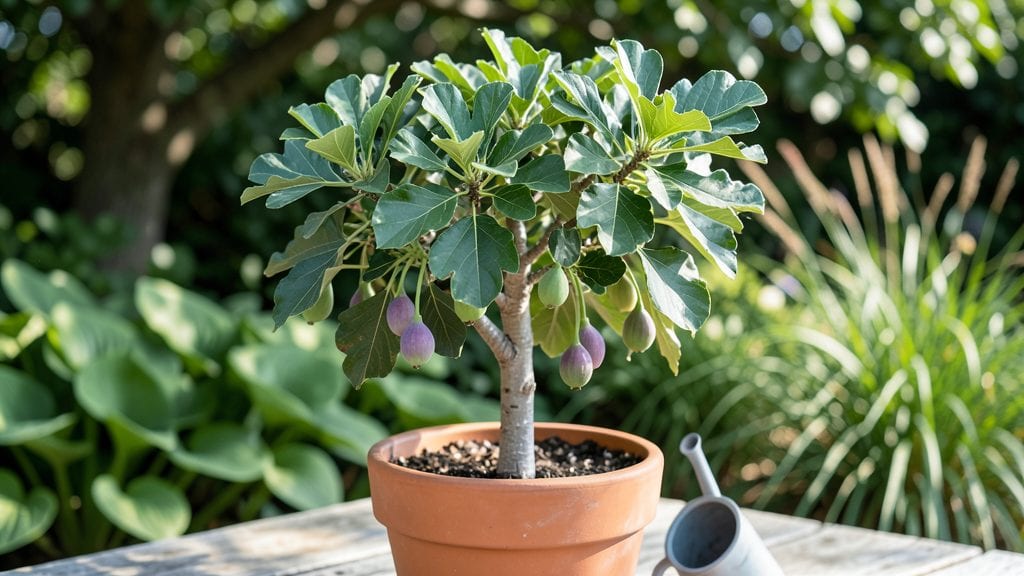
A mini fig tree thrives in Pacific Northwest's mild climate, offering year-round hummingbird visits and sweet fruit in small spaces. 🌿 I planted mine last spring in a 15-gallon pot, and within months, it became the star of my patio—its glossy leaves and tiny figs drawing hummingbirds daily.
The key is choosing the right dwarf variety like 'Little Miss Figgy' or 'Violetto,' both perfect for containers and small yards.
These trees love bright, indirect light—six hours daily works for indoor spots, while outdoor gardens benefit from morning sun and afternoon shade. Well-draining soil is non-negotiable; mix equal parts potting soil and perlite to prevent root rot.
Temperatures between 50-85°F keep them happy, making them ideal for PNW's coastal climates where summers stay mild.
By late summer, you'll harvest tiny, flavorful figs—each tree yields enough for snacks or gifting. Prune lightly after harvest to shape the tree, and watch as hummingbirds flock to the blossoms in spring.
The trade-off? Occasional spider mites or aphids, but a quick spray of neem oil keeps them at bay.
Whether on a balcony or in-ground, this low-maintenance tree delivers four-season interest with minimal effort. Start with a healthy plant, keep it hydrated but not soggy, and enjoy the sweet rewards—literally and visually—all year long.
📚 In This Guide
- What you need
- Instructions
- Tips and common mistakes
- Wrapping up and next steps
What you need
- ● Fig tree variety: Choose a compact, cold-hardy type like Ficus carica 'Celeste' or 'Little Miss Figgy' (dwarf varieties thrive in containers).
- ● Container: A 5–10 gallon pot with drainage holes (terracotta or fabric pots work best).
- ● Well-draining soil: Mix 1 part cactus/succulent soil with 1 part perlite or pumice (avoid heavy garden soil!).
- ● Organic fertilizer: A balanced 10-10-10 or citrus-specific fertilizer (hummingbirds love sweet figs!).
- ● Pruning shears: Bypass pruners (sharp, clean, and sterilized with rubbing alcohol).
- ● Gloves: Lightweight gardening gloves to protect from thorns.
- ● Spray bottle: For misting leaves (figs love humidity!).
- ● Support stake: A 3–4 ft bamboo stake if your tree grows tall.
- ● Mulch: Wood chips or straw to retain moisture (apply lightly around the base).
- ● A sunny spot (at least 6–8 hours of direct sunlight daily).
- ● Pacific Northwest climate prep: If outdoors, protect from frost with a frost cloth or move indoors near a sunny window.
- ● Patience! Figs can take 1–2 years to bear fruit, but hummingbirds will visit as soon as flowers appear. 🐦⬛
Step-by-Step instructions for cultivating a mini fig tree in the Pacific Northwest
Here's how to nurture a thriving dwarf fig that keeps hummingbirds visiting all year.
🌱 Step 1: Select and Acclimate Your Dwarf Fig Variety
Choose a cold-hardy dwarf fig like 'Little Miss Figgy' or 'Chicago Hardy'—these tolerate the Pacific Northwest's cooler summers better than tropical varieties. I always inspect the roots first; healthy roots should be white or light tan, not brown or mushy. If buying bare-root, soak the roots for 15-20 minutes in lukewarm water before planting to revive them.
Here's the thing—dwarf figs need gradual temperature adjustments. If you're bringing one indoors from a greenhouse or nursery, place it in a shaded area for 3-5 days before moving it to its permanent spot. Watch for leaf curling or wilting; that's your signal it's still adjusting. I like to mist the leaves lightly during this transition to reduce stress.
🪴 Step 2: Prepare the Perfect Container and Soil Mix
Use a 10-12 inch diameter container with drainage holes—figs hate soggy roots. I fill the bottom with 2-3 inches of coarse gravel or perlite to improve drainage, then add a high-quality cactus/succulent mix blended with 20% perlite and 10% compost. This lightweight mix prevents compaction while providing nutrients.
Press the soil down gently but don't pack it tightly. The surface should feel firm enough to support the plant but still allow roots to spread easily. I always add a slow-release fertilizer pellet to the bottom of the pot before adding soil—this gives your fig a steady nutrient supply without risking over-fertilizing.
☀️ Step 3: Position for Optimal Sun and Humidity
Dwarf figs need 6-8 hours of direct sun daily, but in the Pacific Northwest's cooler climate, morning sun with afternoon shade works best. I place mine on a south-facing patio where they get gentle afternoon shade from nearby trees. If growing indoors, position near a south-facing window with supplemental grow lights for 12-14 hours daily.
Humidity matters more than most gardeners realize. In dry indoor spaces, I place the pot on a tray filled with pebbles and water, keeping the pot itself above the water line. You'll notice the leaves stay crisp and vibrant rather than developing brown edges. In outdoor settings, a light morning misting keeps humidity up without encouraging fungal issues.
💧 Step 4: Water and Fertilize for Year-Round Growth
Water when the top 1-2 inches of soil feel dry—figs are drought-tolerant but won't produce fruit if stressed. I use the "finger test" method: stick my finger in the soil to 1 inch deep. If it feels dry, it's time to water. Overwatering causes root rot faster than underwatering, so I always let excess water drain completely.
Feed your fig with a balanced liquid fertilizer (10-10-10) every 4-6 weeks during spring and summer. Reduce to monthly in fall and stop fertilizing in winter. I've found that figs respond well to a monthly seaweed extract spray during growing seasons—it boosts natural defenses and improves fruit set.
✂️ Step 5: Prune and Encourage Fruit Production
Prune in late winter or early spring before new growth starts. Remove any dead, damaged, or crossing branches first. Then, cut back any overly long branches by one-third to encourage bushier growth. I always make cuts just above a leaf node or outward-facing bud to promote healthy regrowth.
Here's where it gets fun—watch for new growth after pruning. When you see new shoots forming, that's your cue to start fertilizing more regularly. Pinch back the tips of new growth to encourage branching, which leads to more fruit-bearing wood. In the Pacific Northwest, you'll get two harvests: one in late summer and another in early fall if temperatures stay mild.
Tips & tricks for perfect mini fig tree cultivation
A few simple strategies that'll help your Pacific Northwest dwarf fig thrive all year long.
Root Revival Technique: When soaking bare-root figs for those 15-20 minutes, use lukewarm water—not cold tap water. The slight warmth mimics natural spring conditions and helps roots absorb moisture faster. I've found adding a pinch of seaweed extract to the soaking water gives roots a tiny nutrient boost right from the start.
Soil Science: The 20% perlite and 10% compost mix in Step 2 isn't just about drainage—it creates the perfect air-to-moisture ratio. I like to add a handful of orchid bark to the mix for extra aeration, especially if you're using heavier garden soil. This prevents that dreaded compacted soil that suffocates roots.
Sunlight Strategy: For that critical 6-8 hours of direct sun, position your container where morning sun hits the east side of the leaves. This gradual exposure prevents sunburn that can scorch Pacific Northwest leaves. If you notice yellowing on leaf edges, it's a sign the afternoon sun is too intense—move to partial shade immediately.
Fertilizer Timing: The 4-6 week feeding schedule works perfectly, but here's the secret: split that dose into two applications—half when you repot (if needed) and half when you see new growth appear. This mimics natural seasonal changes and prevents fertilizer burn that can stress your fig.
Pro Tips for Mini Fig Tree
- A few simple strategies that'll help your Pacific Northwest dwarf fig thrive all year long.
- Root Revival Technique: When soaking bare-root figs for those 15-20 minutes, use lukewarm water—not cold tap water.
- Soil Science: The 20% perlite and 10% compost mix in Step 2 isn't just about drainage—it creates the perfect air-to-moisture ratio.
Frequently asked questions
Got questions about growing and maintaining a mini fig tree to attract hummingbirds year-round in the Pacific Northwest? Here are some common ones—and their answers!
How long does it take for a mini fig tree to bear fruit?
A mini fig tree typically starts producing fruit within 2–3 years of planting, though some varieties may take slightly longer. Patience pays off—once established, these trees reward you with abundant, bird-friendly figs by late summer or early fall.
Can mini fig trees survive PNW winters?
Yes! While figs are technically subtropical, mini fig varieties (like Chicago Hardy or Celestial) thrive in the PNW when planted in sheltered spots (e.g., near south-facing walls or in containers). Mulch heavily and protect with burlap wraps during harsh freezes for best results.
Why aren’t hummingbirds visiting my fig tree?
Hummingbirds love fig trees, but timing matters! Ensure your tree is blooming (spring) or fruiting (summer/fall)—these stages provide nectar and insects. If visits are still sparse, add a hummingbird feeder nearby or plant companion flowers like fuchsia or salvia to boost appeal.
Should I prune my mini fig tree in winter?
Pruning in late winter or early spring (before new growth) is ideal. Remove dead, crossing, or overcrowded branches to improve airflow and shape. Avoid heavy pruning in fall—it can stress the tree before winter. Use sterilized shears to prevent disease.
Can I eat the figs from a mini fig tree?
Mini fig varieties like Little Miss Figgy are edible, sweet, and perfect for snacking or baking. Harvest when the fruit is soft, colorful, and easily detached from the branch. Share the bounty with hummingbirds too—they’ll thank you!
Wrapping up and next steps
Growing a mini fig tree in the Pacific Northwest isn’t just about adding charm to your garden—it’s about creating a thriving hub for hummingbirds year-round! 🌿 With the right pruning techniques and care, you’ll enjoy lush foliage, delicious fruit, and a buzzing ecosystem that keeps these tiny visitors delighted.
Whether you’re a seasoned gardener or just starting, every snip and trim brings you closer to that perfect, bird-friendly oasis.
Ready to take the next step? Start small—pick a sunny spot, gather your tools, and give your mini fig tree the love it deserves. Before you know it, you’ll be sipping tea under its shade while hummingbirds dance around you. Happy pruning! 🌸