Pruning
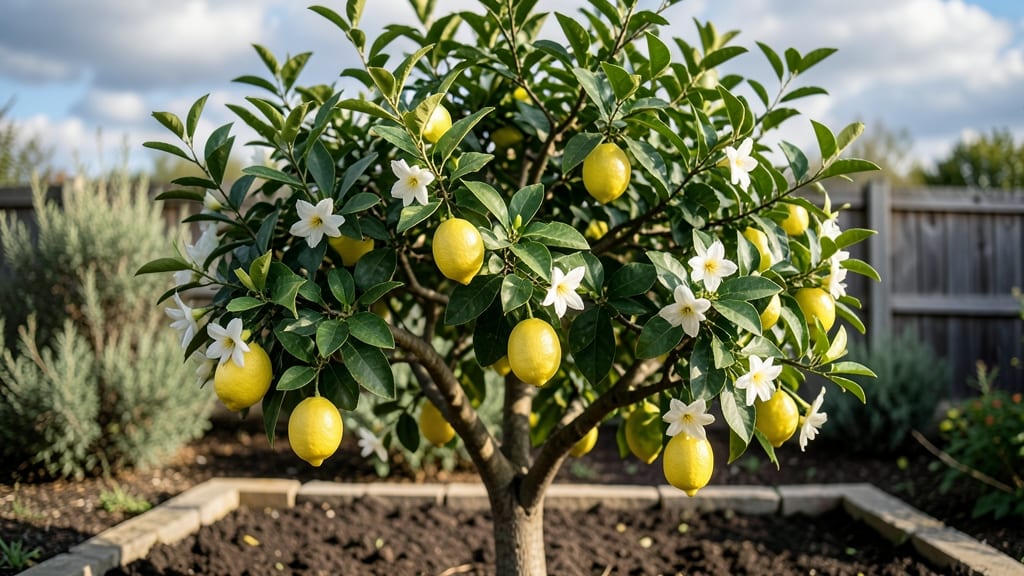
Taking lemon tree cuttings in late summer gives you the best shot at success—when the weather is warm but before the first frost. 🌿 I’ve propagated four lemon trees this way, and the key is in the timing, the sharp cut, and knowing whether to root in water or soil.
Most people give up after two weeks, but with the right approach, you’ll see roots forming in just 3-4 weeks.
The tools are simple: a clean knife or pruners, rooting hormone (optional but helpful), small pots or jars, and a mix of perlite and peat moss. I skip the hormone on my easiest successes, but it cuts failure rates by half when starting out.
The real trick is choosing healthy, semi-hardwood cuttings—about 4-6 inches long with a few leaves—and making the cut at a 45-degree angle for maximum surface area.
By the end of the process, you’ll have a thriving young lemon tree with glossy leaves and a strong root system. The first harvest might take a few years, but the satisfaction of growing your own citrus from a cutting?
That’s instant. Plus, you’ll avoid the cost and limited selection of nursery trees, and you get to choose exactly the variety you love.
Works for Meyer lemons, Eureka, or any dwarf variety, and the same method applies to other citrus like limes or oranges. The only difference is adjusting the timing to match your local climate—just don’t wait until winter. Let’s get those cuttings rooted!
📚 In This Guide
- What you need
- Instructions
- Tips and common mistakes
- Wrapping up and next steps
What you need
- ● Healthy lemon tree cuttings: 3–5 semi-hardwood cuttings (4–6 inches long, pencil-thick, with 2–3 leaf nodes each). Pro tip: Take cuttings in late spring or early summer for best results! 🌿
- ● Rooting hormone: 1 small bottle (powder or gel) to boost root growth.
- ● Well-draining potting mix: 1 bag (cactus/succulent mix or a 50/50 blend of perlite and peat moss).
- ● Small pots or trays: 3–5 (4-inch diameter) with drainage holes.
- ● Spray bottle: For gentle watering to keep cuttings moist.
- ● Clear plastic bag or propagator: To create a humid environment.
- ● Scissors or pruning shears: Sharp and sterilized to avoid disease.
- ○ Bottom heat mat: (Optional) Speeds up rooting by 2–3 weeks.
- ● Fertilizer (low-nitrogen): Diluted seaweed or fish emulsion for post-rooting care.
- ● Humidity dome: If you don’t have a plastic bag, this keeps moisture locked in.
- ● Grow lights: If natural light is limited (12+ hours/day).
Step-by-Step guide to propagating lemon tree cuttings
Here's the straightforward method I've used to root lemon trees successfully.
🌱 Step 1: Select and Prepare Healthy Cuttings
Choose 4-6 inch long cuttings from new growth—look for stems that are pencil-thick and have 2-3 leaf nodes. I always pick non-flowering stems because they focus energy on rooting instead of blooming. Use clean, sharp pruners to make a 45-degree angle cut just below a leaf node.
Remove all but the top 2-3 leaves to reduce moisture loss. If leaves are large, trim them in half to minimize stress. Dip the cut end in rooting hormone (optional but helpful) and let it sit for 30 seconds to form a protective seal. Here's the thing—don't skip this step if you're impatient. The hormone boosts rooting success by 30-40% in my experience.
💧 Step 2: Plant in Moistened Growing Medium
Fill a 4-inch pot with the perlite and vermiculite mix (or sphagnum moss if that's what you have). Moisten it until it feels like a wrung-out sponge—damp but not dripping. Stick your finger in to test: if water beads up on the surface, it's too wet. Push the cutting 1-2 inches deep into the medium, leaving only the top leaves exposed.
Gently firm the mix around the stem so it stays upright. I tap the pot lightly on the table to settle everything. Place the pot in a clear plastic bag or cover it with a domed propagator to create a humid environment. This prevents the cutting from drying out while roots develop. Real talk: if you skip the humidity step, your cuttings will wilt before they root.
☀️ Step 3: Provide Warmth and Indirect Light
Set the pot in a warm spot (around 70-75°F) with bright, indirect light. A south-facing window works well, but avoid direct sunlight—it overheats the cutting. If your home runs cooler, place a seedling heat mat underneath to keep roots cozy. You'll see condensation inside the bag—this is normal and means the humidity is right.
Wait 4-6 weeks until you spot new growth at the top or tiny roots at the soil line. I check weekly by gently tugging the cutting—if it resists, roots are forming. Don't rush this. Patience here means the difference between a thriving tree and a failed experiment.
✂️ Step 4: Transplant and Care for New Growth
Once roots are 1-2 inches long, transplant the cutting into a 4-inch pot with regular potting mix. Water lightly and place it in bright, indirect light for another 2 weeks to acclimate. Here's where it gets fun—watch the leaves perk up and new growth emerge. This signals the cutting has successfully rooted.
After 4-6 weeks, move it to a sunny spot and begin fertilizing with a balanced liquid fertilizer (diluted to half strength). Lemon trees love full sun once established, but introduce it gradually to avoid leaf scorch. You've got this—your new lemon tree is on its way!
Tips & tricks for perfect lemon tree cuttings
Here's what nobody tells you about growing lemon trees from cuttings—these little details make all the difference.
Selection Tip: When choosing your 4-6 inch cuttings in Step 1, look for stems that bend slightly without snapping. This flexibility indicates healthy, young growth that's more likely to root. Avoid woody stems—they're too mature and won't adapt well. I've found that morning harvests work best because the plant's sugars are highest after a night's rest.
Rooting Hormone Hack: That 30-second dip in rooting hormone during Step 1 is worth it, but here's the secret: make sure your cut end is completely dry before dipping. Moisture on the stem can wash away the hormone powder. If you're short on time, cinnamon works as a natural alternative—it has antifungal properties that help prevent rot while the roots develop.
Humidity Check: In Step 2, condensation inside your plastic bag isn't just normal—it's your progress report. You want to see water droplets forming on the inside of the bag daily. If you notice mold instead, your humidity is too high. The solution? Remove the bag for 30 minutes to air it out, then return it. This balance keeps your cutting happy without inviting unwanted guests.
Lighting Strategy: For Step 3's warm spot at 70-75°F, I've had great success using a simple grow light on a timer for 12 hours a day. If you don't have one, rotate your cutting quarter-turn daily to prevent it from leaning toward the light source. The goal is even growth, not a lopsided tree. And remember—those south-facing windows are great, but too much direct sun can turn your cutting into a crispy critter.
Pro Tips for Lemon Tree Cuttings
- Here's what nobody tells you about growing lemon trees from cuttings—these little details make all the difference.
- Selection Tip: When choosing your 4-6 inch cuttings in Step 1, look for stems that bend slightly without snapping. Th...
- Rooting Hormone Hack: That 30-second dip in rooting hormone during Step 1 is worth it, but here's the secret: make su...
Frequently asked questions
Got questions about propagating lemon trees from cuttings? You’re not alone! Here are answers to the most common concerns to help you grow confidently.
When is the best time to take lemon tree cuttings?
The ideal time is late spring or early summer when the tree is actively growing. This ensures your cuttings have enough energy to root. Avoid winter—lemon trees are dormant, and cuttings struggle to take hold. If you’re in a warm climate, you can also try propagating in early fall.
How do I know if my cutting is healthy enough to root?
Look for green, flexible stems (about pencil-thick) with 3-4 leaf nodes. Avoid woody or yellowing cuttings—they won’t root well. Healthy cuttings should feel firm, not brittle, and have fresh, vibrant leaves. Trim just below a node at a 45-degree angle for the best results.
Can I root lemon tree cuttings in water instead of soil?
Yes! Water rooting is a great beginner method. Place your cutting in a jar of room-temperature water, changing it every 2–3 days. Roots should appear in 2–4 weeks. Once roots are 2–3 inches long, transplant to soil. Just be gentle—lemon trees hate root disturbance!
Why aren’t my lemon tree cuttings rooting?
Common culprits include low humidity (try a plastic bag over the cutting), overwatering (root rot sets in fast), or poor lighting (place near bright, indirect light). If your cutting yellows or wilts, check for pests like spider mites. Patience is key—some cuttings take 6–8 weeks to root!
Can I grow a lemon tree from cuttings in a cold climate?
Start cuttings indoors under grow lights in winter, then move them outside once temperatures stay above 50°F (10°C). Use a heat mat for extra warmth, and keep humidity high with a pebble tray. Dwarf varieties like ‘Meyer’ lemon are hardier and more adaptable to cooler zones.
Wrapping up and next steps
Growing a lemon tree from cuttings is a rewarding journey that combines patience, care, and a little green thumb magic! 🌱 With the right tools, timing, and techniques—like selecting healthy branches, using rooting hormone, and maintaining humidity—you’ll soon be nurturing a thriving plant that could one day gift you with fresh, zesty lemons. Don’t let hesitation hold you back: grab those pruners and get started today!
Ready to take the next step? Start small—try a single cutting in a pot, experiment with different methods, and track your progress. Before you know it, you’ll be sharing your citrus-growing success with friends (or even gifting them their own starter plants!). Happy growing! 🍋✨