
Pruning
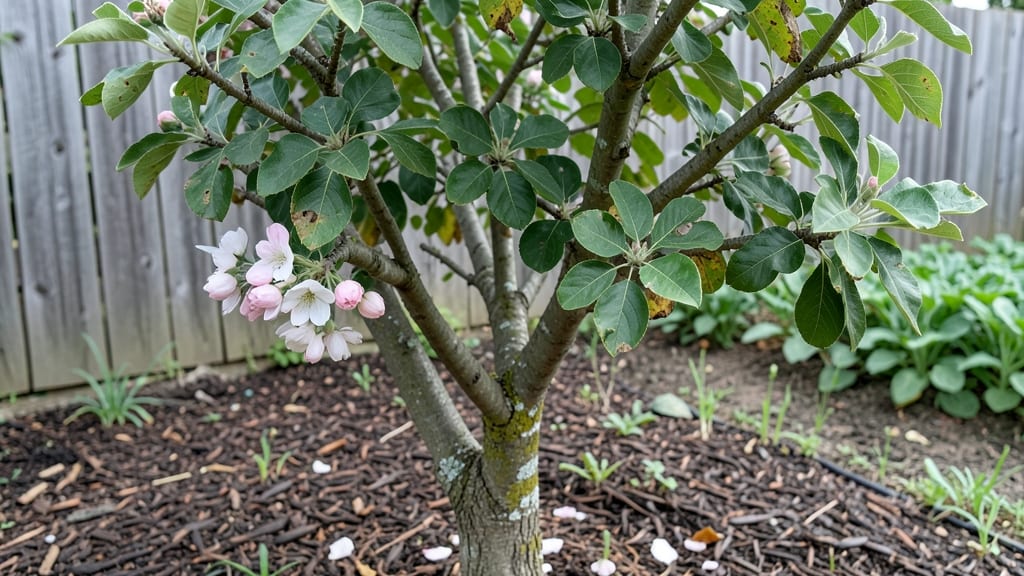
Identifying apple trees by sight transforms a confusing mess of branches into a clear path to the perfect harvest—or the perfect ornamental addition. 🌳 I’ve spent years studying the subtle differences between varieties, from the jagged edges of a Honeycrisp leaf to the smooth, reddish bark of a Granny Smith.
The wrong ID can mean years of disappointment if you’re after fruit, or wasted space if you planted an ornamental thinking it was a producer.
Most mistakes come from focusing too much on fruit shape alone—some apples look nearly identical until you examine the leaves, buds, or even the way the branches grow. For example, a McIntosh has serrated leaves and upright branches, while a Fuji holds its fruit in clusters with smoother, rounded leaves.
I’ll walk you through the 15 most common varieties, breaking down the visual clues that separate them in seconds.
Once you master these markers, you’ll spot the difference between a crabapple (tiny fruit, thorny branches) and a Honeycrisp (large, crisp fruit, glossy leaves) from across the yard. No more guessing—just confident ID that helps you choose the right tree for your space, climate, and goals.
Whether you’re pruning, planting, or just admiring, this guide turns confusion into clarity.
Regional tips matter too—some varieties thrive in Zone 4 winters but struggle in Zone 9 heat. I’ll flag the ones that adapt best to different climates so you can avoid costly mistakes. Let’s get started with the visual cues that’ll have you identifying apple trees like a pro.
📚 In This Guide
- What you need
- Instructions
- Tips and common mistakes
- Wrapping up and next steps
What you need
- ● Digital camera or smartphone – Capture high-resolution images of leaves, bark, flowers (if present), and fruit. Pro tip: 💡 Use natural light and include a reference object (like a coin) for scale!
- ● Hand lens or magnifying glass (10x magnification) – Helps examine fine details like leaf veins, fruit lenticels, or bark texture.
- ● Field guide or printed reference sheet – A physical or digital copy of the apple tree ID chart (we’ve got one for you!).
- ● Notebook or note-taking app – Jot down observations like leaf arrangement, fruit color, and tree height.
- ○ Pruning shears (optional but helpful) – If you need to collect a small leaf or twig sample for closer inspection.
- ● Measuring tape – Record tree height, trunk diameter, or branch spacing for precise ID clues.
- ● Gloves – Protect your hands when handling thorns or rough bark.
- ● Apple fruit (if available) – Taste-testing can hint at variety (e.g., sweet vs. tart), but don’t rely on this alone! 🍏
- ● Weather-resistant clipboard – Keep notes dry if you’re identifying trees outdoors.
How to identify apple trees using leaf, fruit, and bark features
Mastering apple tree identification starts with understanding the key visual clues nature gives you.
🌿 Step 1: Examine Leaf Shape and Arrangement
Apple tree leaves are your first clue—look for elliptical to oval shapes with serrated edges and a smooth, slightly waxy surface. The classic alternate branching pattern (one leaf per node) is universal, but leaf size varies dramatically. For example, Granny Smith leaves are smaller and darker green, while Honeycrisp leaves are larger with a softer texture. Hold leaves up to sunlight to spot the prominent midrib and secondary veins—these patterns differ subtly between varieties.
Here's the thing—leaf size correlates with fruit size. Large leaves (4-6 inches) often belong to big-fruited varieties like Fuji or Gala, while smaller leaves (2-3 inches) typically indicate tart, compact apples such as McIntosh. Pay attention to the leaf underside too: some varieties like Pink Lady have a fuzzy texture, while others like Golden Delicious are smooth.
🍎 Step 2: Study Fruit Characteristics Before Harvest
Even unripe apples reveal critical clues. Look for fruit shape—round apples often belong to McIntosh or Empire, while oblong or conical shapes suggest Granny Smith or Honeycrisp. Check the stem attachment: apples with deep, narrow stem cavities (like Gala) tend to have softer flesh, while those with wide, shallow cavities (like Jonathan) are often firmer and drier.
Skin texture is another game-changer. Smooth, thin skins (like Fuji) indicate longer storage life, while thick, waxy skins (like Granny Smith) suggest higher acidity. Hold the apple up to light—red or pink blushes (like Pink Lady) develop earlier than yellow-green undertones (like Golden Delicious). Pro tip: Crush a tiny piece—bitter almond scent means peach family relatives (not apples), while sweet, floral notes confirm you're on the right track.
☀️ Step 3: Analyze Bark and Branch Patterns
Mature bark tells the story of an apple tree's age and variety. Young trees have smooth, silvery-gray bark, but as they age, plates and ridges form. Thick, deeply furrowed bark (like on old orchard standards) often belongs to heirloom varieties, while smoother bark suggests modern cultivars. Look for lenticels—those tiny raised pores—which are more prominent on disease-resistant varieties like Liberty or Akane.
Branch structure matters too. Weeping branches (like on Columnar varieties) are a dead giveaway, while upright, vigorous growth (like Northern Spy) indicates taller, more traditional trees. Check for thorns—fewer thorns often mean modern hybrids, while densely thorned branches suggest older, more rustic varieties. This is the moment that matters: thorn density + bark texture narrows it down faster than any other single clue.
⏰ Step 4: Time Your Observations for Seasonal Cues
Timing is everything in apple ID. Spring blossoms reveal flower cluster size—large, flat clusters (like Pink Lady) produce fewer, bigger apples, while small, compact clusters (like McIntosh) yield more numerous, smaller fruits. In fall, watch for leaf color changes: bright red foliage (like Red Delicious) contrasts sharply with golden-yellow leaves (like Golden Delicious).
Don't skip this (I learned the hard way)—late-season fruit drop can be telling. Varieties like Honeycrisp hold their fruit until deep fall, while early ripeners like Macoun drop quickly. Take notes on when leaves fall too: slow leafers (like Fuji) keep foliage until first frost, while fast leafers (like Gala) may drop earlier. Combine these seasonal behaviors with your earlier observations, and you'll narrow it down to just a few possibilities within minutes.
Tips & tricks for mastering apple tree identification
These are the game-changing details that'll transform you from a casual observer to an apple tree detective.
Leaf Underside Secret: In Step 1, when examining leaves, don't overlook the underside—this is where the real variety secrets hide. The fuzzy texture of Pink Lady leaves, for example, is a dead giveaway for that variety, while Golden Delicious leaves remain smooth as silk. I've seen beginners miss this detail completely, but it's one of the most reliable clues for narrowing down varieties like McIntosh versus Honeycrisp. Bring a magnifying glass if you're serious about this—you'll spot subtle differences in vein patterns that textbooks never mention.
Fruit Shape Cross-Referencing: When you're in Step 2 studying fruit characteristics, here's what nobody tells you—the shape clues work even better when you cross-reference them. If you see oblong apples with deep stem cavities (like Granny Smith), that's a perfect match. But if you find round apples with shallow cavities, you're probably looking at Jonathan or Northern Spy. I've used this combination to identify trees that looked identical from just one characteristic alone. The key is to collect all clues before making your final call.
Bark Texture Timeline: In Step 3, remember that bark evolves with age—what looks like smooth bark on a young tree might develop into deeply furrowed bark as it matures. I once misidentified a Liberty tree as Golden Delicious because I only looked at the bark of a young sapling. The lenticels (those tiny pores) become more prominent as trees age, especially on disease-resistant varieties. Make a habit of checking both young and mature bark when possible—this doubles your chances of accurate identification.
Seasonal Observation Calendar: For Step 4, create a simple seasonal observation calendar to track your findings. Note when you see spring blossoms, when fruit begins coloring, and when leaves change color. I keep a small notebook in my pocket during orchard visits and record these details. The timing of late-season fruit drop is particularly telling—Honeycrisp trees hold their fruit until nearly winter, while Macoun apples drop by early fall. This seasonal pattern tracking will become your most powerful tool for eliminating possibilities.
Pro Tips for Apple Tree Id
- These are the game-changing details that'll transform you from a casual observer to an apple tree detective.
- Leaf Underside Secret: In Step 1, when examining leaves, don't overlook the underside—this is where the real variety secrets hide.
- Fruit Shape Cross-Referencing: When you're in Step 2 studying fruit characteristics, here's what nobody tells you—the shape clues work even better when you cross-reference them.
Frequently asked questions
Got questions about identifying apple trees? You're not alone!
Here are answers to the most common queries to help you confidently match leaves, fruit, and bark to the right variety.
How can I tell the difference between apple tree varieties just by looking at the leaves?
Leaf shape, size, and texture vary by variety. For example, Granny Smith leaves are oval with serrated edges, while Honeycrisp leaves are broader and slightly wavy. Compare leaves side-by-side with a visual guide—lighting and season affect appearance, so take photos in daylight.
When is the best time of year to identify an apple tree?
Spring (when buds bloom) and fall (when fruit ripens) are ideal. In spring, focus on flower clusters and leaf shape; in fall, examine fruit color, size, and skin texture. Winter’s dormant branches reveal bark patterns (e.g., Fuji has smooth, gray bark, while McIntosh has lenticels). Avoid identifying in winter unless bark is your only clue!
What if my apple tree isn’t in the top 15 varieties listed here?
No worries! Start with the basics: leaf shape, fruit color, and growth habit. Use a local orchard or extension service for rare varieties. Snap photos of leaves, fruit, and bark, and compare them to databases like Pomona’s Fruit Identification. Regional nurseries often stock heirloom or lesser-known types too!
Why does my apple tree have no fruit, but the leaves look right for the variety?
Several factors could be at play: age (young trees <3–5 years often skip fruiting), pollination (some varieties need a partner), or poor health (check for pests like codling moths or diseases like apple scab). Ensure your tree gets 6+ hours of sunlight and well-draining soil. If it’s a grafted tree, the rootstock might be influencing growth—consult a local arborist for help!
Can I use a ruler or app to measure leaf size for ID?
Leaf size is a key identifier—use a ruler or a free plant ID app like PictureThis or PlantNet. Measure the length and width of 3–5 mature leaves (avoid young or damaged ones). For example, Braeburn leaves average 3–5 inches long, while Pink Lady leaves are smaller (2–3 inches). Pro tip: Take measurements in the morning when leaves are hydrated!
Wrapping up and next steps
Identifying your apple tree just got easier! 🌳 Whether you’ve spotted Granny Smith’s glossy green skin, Fuji’s sweet blush, or Honeycrisp’s crisp texture, knowing your variety unlocks better care—from pruning to pest control.
Armed with this visual guide, you’re now ready to celebrate your orchard’s unique flavors and tailor your gardening approach.
👉 Next step: Snap a photo of your tree’s leaves, fruit, and bark, then cross-reference it with our guide. Still unsure? Share it with local gardening groups or extension offices—they’re full of experts eager to help! Happy identifying! 🍏✨