
Trees
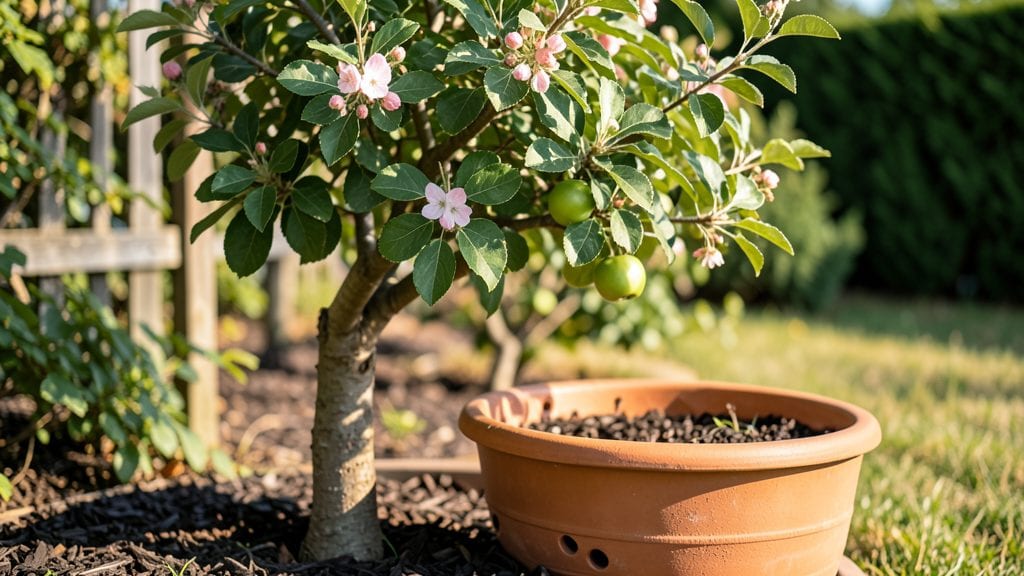
Growing apple trees in tubs lets you enjoy fresh fruit without needing a backyard. 🌱 Last summer, my patio became a mini orchard when I planted a dwarf apple tree in a 15-gallon container—now I harvest crisp, sweet apples every fall.
The secret isn’t just the right variety; it’s matching container size, sunlight, and care to what the tree needs to thrive in small spaces.
You’ll need a 5-gallon minimum container for dwarf varieties (like ‘Columnar’ or ‘Patio’ apples), but 15-20 gallons gives roots room to grow without binding. Fabric grow bags work great for drainage, while heavy ceramic pots stay stable in wind.
The soil mix should be 60% quality potting soil, 30% compost, and 10% perlite—this keeps roots aerated while holding moisture without sogging.
With proper care, your tub-grown apple tree will produce fruit in 3-5 years, and the harvest tastes better than anything from the store. Imagine plucking a sun-warmed Honeycrisp from your balcony in September—no orchard required.
The key is consistent watering (deep soaks, not light sprinkles) and 6+ hours of daily sun, plus annual pruning to shape the tree and encourage fruit production.
This method works for urban balconies, rooftops, or small yards—just adjust container size and variety based on your space. Let’s get your mini orchard started!
📚 In This Guide
- What you need
- Instructions
- Tips and common mistakes
- Wrapping up and next steps
What you need
- ● Container: A large tub or pot (minimum 18–24 inches in diameter and 20+ gallons for dwarf varieties; larger for semi-dwarf). Ensure it has drainage holes.
- ● Apple Tree: Choose a dwarf or semi-dwarf variety (e.g., ‘Columnar,’ ‘Spindle,’ or ‘Patio’ types like ‘Gala’ or ‘Honeycrisp’). Avoid standard-sized trees—they’ll outgrow tubs quickly!
- ● Potting Soil: A well-draining fruit-tree-specific mix (or a blend of 60% potting soil + 30% compost + 10% perlite/sand). Avoid garden soil—it compacts and drains poorly.
- ● Fertilizer: A balanced, slow-release fertilizer (e.g., 10-10-10 or organic options like fish emulsion). Follow package instructions for application.
- ● Mulch: Organic mulch (e.g., wood chips or straw) to retain moisture and regulate soil temperature.
- ● Gloves & Long Sleeves: Protect yourself from thorns and soil-borne irritants.
- ● Pruning Shears: Sharp, sterilized shears for shaping and maintaining your tree.
- ● Watering Can or Hose: With a gentle spray nozzle to avoid disturbing soil.
- ● Sunlight Access: A spot with 6–8+ hours of direct sunlight daily (south-facing is ideal). Partial shade may work but could reduce fruit yield.
- ○ Pollination Help (Optional): If growing a single tree, hand-pollinate with a soft paintbrush during bloom season.
- ● 🌡️ Temperature: Most tub-grown apple trees need chill hours (300–600) for fruiting. If you live in a warm climate, choose low-chill varieties like ‘Anna’ or ‘Dorsett Golden.’
- ● ✨ Container Upgrades: Add self-watering trays or heat mats in winter to protect roots from freezing.
- ● 🎯 Root Pruning: Gently trim roots that circle the tub’s edge annually to encourage outward growth.
Step-by-step guide for growing apple trees in containers
Dwarf apple trees thrive in tubs—here's how to maximize fruit production in limited space.
🌱 Step 1: Choose the Right Dwarf Variety and Container
Select a dwarf apple tree (like 'Columnar' or 'Semi-Dwarf') that stays under 8 feet tall—perfect for containers. The tub must be at least 18 inches deep and 24 inches wide to accommodate roots and support growth. I use fabric grow bags because they allow excess water to drain while preventing root circling. Drill drainage holes if your container lacks them, and place a 3-inch layer of gravel at the bottom to improve aeration.
Here's the thing—apple trees need cross-pollination for fruit set. Plant at least two compatible varieties in separate tubs within 50 feet of each other. Check the label for pollination partners; some varieties like 'Liberty' are self-fertile, but most need a second tree. Position tubs where they'll receive 6-8 hours of direct sunlight daily—south-facing spots work best.
🪴 Step 2: Prepare the Potting Mix and Plant
Fill the tub with a well-draining potting mix designed for fruit trees or create your own blend: 60% high-quality potting soil, 20% perlite, and 20% compost. Avoid garden soil—it compacts in containers and suffocates roots. Moisten the mix until it’s damp but not soggy, then mound it slightly in the center of the tub to create a planting depression.
Remove the tree from its nursery pot and loosen the roots gently with your fingers. Place the root ball in the depression, ensuring the graft union (the bulge near the base) sits 1-2 inches above the soil line. This prevents the tree from sinking too deep and rotting. Backfill with the potting mix, pressing lightly to remove air pockets, and water deeply until water runs freely from the drainage holes.
☀️ Step 3: Establish a Watering and Fertilizing Routine
Apple trees in tubs dry out faster than in-ground trees. Water deeply every 2-3 days during the first growing season, checking that the top 2 inches of soil feel dry before watering again. Overwatering is a common mistake—yellowing leaves or moldy soil are signs you’re overdoing it. Use a moisture meter for accuracy, or stick your finger into the soil to gauge moisture levels.
Fertilize monthly during the growing season (spring to fall) with a balanced, slow-release fertilizer (10-10-10 or 20-20-20). I like to use granular fertilizer mixed into the top 2 inches of soil at planting, then switch to liquid fertilizer for ongoing feeding. Avoid high-nitrogen fertilizers—they promote leafy growth at the expense of fruit. In late fall, reduce watering and stop fertilizing to encourage dormancy.
✂️ Step 4: Prune for Shape and Fruit Production
Prune your apple tree twice a year: once in late winter (before buds swell) to remove dead or crossing branches, and again in summer to shape the tree and encourage airflow. Use clean, sharp pruning shears to make cuts just outside the branch collar—the swollen area where the branch meets the trunk. This prevents wounds from healing poorly. Real talk: I used to over-prune, but I’ve learned that removing no more than 25% of the tree’s foliage in one session keeps it healthy.
Focus on open-center shaping to maximize sunlight penetration. Remove suckers (shoots growing from the base) immediately—they drain energy from fruit production. Thin out overcrowded branches inside the tree’s canopy, and cut back any growth that’s too leggy or weak. After pruning, apply a wound dressing (like tree sealant) to large cuts to prevent disease entry.
🍎 Step 5: Protect and Harvest Your Fruit
Container-grown apple trees are vulnerable to pests like aphids and codling moths and diseases such as apple scab. Spray with neem oil or horticultural oil in early spring to prevent infestations, and apply fungicide if you notice black spots on leaves. I also wrap the trunk with tree guard in late winter to protect it from voles and rabbits that might chew the bark.
Harvest apples when they easily detach from the tree with a gentle twist and the skin has reached its full color. Most varieties ripen in late summer to fall, depending on the climate. Store harvested fruit in a cool, dark place (like a basement) to extend shelf life. If your tree doesn’t produce fruit after 2-3 years, it may need thinning—remove some flowers in early spring to encourage larger, healthier fruit on remaining blooms.
Tips & tricks for perfect container-grown apple trees
Small spaces shouldn't limit your fruit ambitions—here's how to maximize success with dwarf apple trees in tubs.
Container Selection: Fabric grow bags are my go-to because they prevent root circling and allow excess water to drain efficiently. If using traditional containers, ensure the 18-inch depth and 24-inch width specifications are met—this prevents root binding and supports the tree's structural needs. For extra stability, add 4-inch diameter support stakes at planting to help anchor the tree as it grows, especially in windy locations.
Pollination Strategy: The 50-foot range between pollination partners might seem restrictive, but you can work with it. Place tubs near a shared wall or fence to maximize proximity without taking up extra space. If you're limited to one variety, choose self-fertile types like 'Liberty'—though yields may be smaller. I've seen dramatic fruit set improvements when positioning trees near windowsills or balconies where bees naturally congregate.
Soil Science: The 60-20-20 potting mix ratio creates the perfect balance of drainage and nutrients. For even better results, add 1 cup of mycorrhizal fungi to the mix at planting—these beneficial microbes help roots absorb water and nutrients more efficiently. Confession: I skipped this step for years and wondered why my trees struggled with nutrient uptake.
Pruning Precision: When pruning in late winter, focus on creating an open-center shape that allows sunlight to reach the center of the tree. I use the "thirds rule"—remove branches that cross or rub against each other first, then thin out to maintain that open center. For summer pruning, cut back leggy growth to encourage bushier, more productive branches. Remember: 25% or less of foliage removal per session keeps your tree healthy and productive.
Pro Tips for Apple Trees In Tubs
- Small spaces shouldn't limit your fruit ambitions—here's how to maximize success with dwarf apple trees in tubs.
- Container Selection: Fabric grow bags are my go-to because they prevent root circling and allow excess water to drain efficiently.
- Pollination Strategy: The 50-foot range between pollination partners might seem restrictive, but you can work with it.
Frequently asked questions
Got questions about growing apple trees in tubs? You’re not alone! Here are some of the most common concerns—and their answers—to help you get started with confidence.
Can apple trees in tubs actually produce fruit?
While container-grown apple trees may take a little longer to bear fruit (often 3–5 years vs. 2–3 in the ground), they can produce high-quality apples with the right care. Dwarf or semi-dwarf varieties are ideal for tubs—they’re bred to thrive in smaller spaces and still yield delicious fruit. Just ensure your tree gets enough sunlight (6+ hours daily) and proper pruning to encourage fruiting.
What’s the best size tub for an apple tree?
The bigger, the better! Aim for a container with a minimum 18–24 inches in diameter and depth for dwarf varieties, and 24–36 inches for semi-dwarfs. Larger tubs provide better stability, drainage, and root growth. Use a 5-gallon minimum for young trees, and upgrade as your tree matures. Add drainage holes and a saucer to prevent root rot.
How often should I water an apple tree in a tub?
Container-grown apple trees dry out faster than in-ground trees. Water deeply 2–3 times per week in hot weather (or daily if the soil feels dry), and reduce to once a week in cooler months. Pro tip: Check moisture by sticking your finger 2 inches into the soil—if it’s dry, it’s time to water. Mulch the top layer to retain moisture and regulate temperature.
Do I need to pollinate apple trees in tubs?
Yes! Most apple varieties require cross-pollination (a second tree with a compatible blossom time). If space is tight, choose self-pollinating varieties like ‘Liberty’ or ‘Enterprise,’ or plant two different varieties close together. Bees love tubs too—just ensure your tree is accessible to pollinators. Hand-pollination (with a paintbrush) is an option if bees are scarce, but it’s a last resort.
How do I protect my tub apple tree in winter?
Cold snaps can stress container trees, but a little prep goes a long way. Move tubs to a sheltered spot (like against a wall or under an overhang) before the first frost. Wrap the container and trunk with burlap or frost cloth, and add a thick layer of mulch around the base. For extreme cold (<10°F), consider insulating the tub with foam boards or straw. Dwarf varieties are hardier, but all tub trees benefit from winter protection.
What if my apple tree in a tub isn’t growing?
Slow growth is often due to root-bound roots, poor drainage, or nutrient deficiencies. First, check for roots circling the tub—if you see a dense mat, it’s time to repot into a larger container. Ensure your soil mix is well-draining (add perlite or sand) and rich in organic matter. Yellow leaves? Boost nitrogen with a balanced fertilizer. Still struggling? Test your soil’s pH (apple trees prefer 6.0–6.5) and adjust if needed.
Wrapping up and next steps
Growing apple trees in tubs is a fantastic way to enjoy fresh fruit—without needing a sprawling backyard! 🍏 Whether you’re a city dweller with a balcony or a suburban gardener with limited space, these container-friendly varieties prove that big harvests start small.
With the right container, soil, and care, you’re well on your way to savoring homegrown apples in just a few years.
Ready to take the next step? Pick your favorite dwarf variety, gather your supplies, and get planting! Before you know it, you’ll be sharing your homegrown bounty with friends and family—and maybe even selling extras at a local market. 🌱 Happy growing!