Pruning
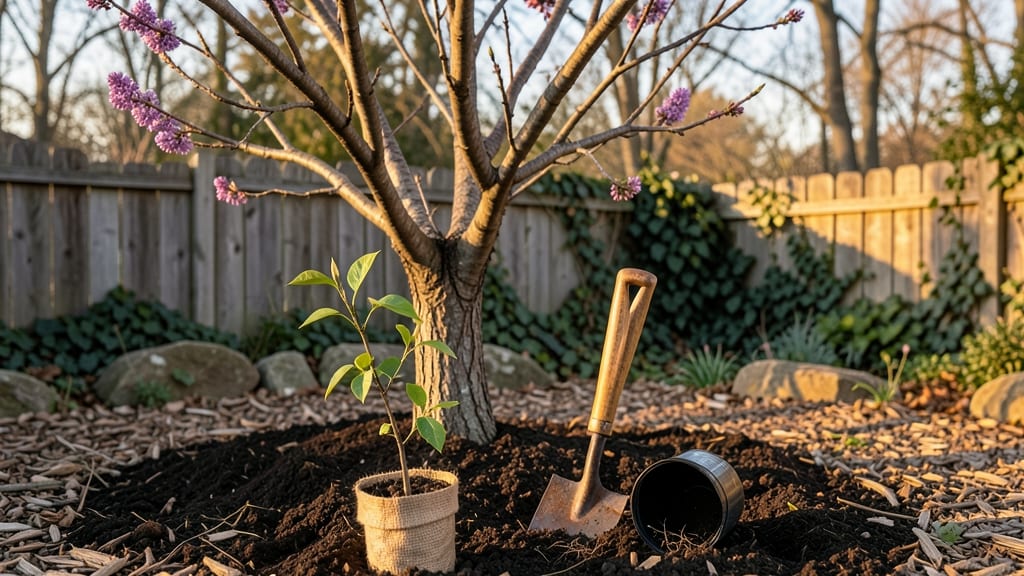
Replanting a lilac tree can mean the difference between a shrub that thrives for decades and one that struggles for years. I’ve replanted lilacs in every season—except spring—and the dormant-season approach is the only one that works without stressing the plant.
The key isn’t just digging a hole; it’s about protecting those delicate roots while giving them the perfect soil to settle into.
Timing matters most—late fall or early spring when the tree’s energy is low, not when it’s pushing new growth. You’ll need a shovel, compost, mulch, and a hose for watering, plus a bit of patience.
My first replant failed because I rushed the process, but now I know to prune back any damaged roots and add organic matter to the soil. The result? A lilac that blooms heavier and longer than before.
After replanting, you’ll watch as new shoots emerge within weeks, and by next season, the tree will look like it never moved. The secret is keeping the roots moist but not soggy for the first month and avoiding heavy pruning until it’s fully established.
No more wilting branches or sparse blooms—just a sturdy, fragrant centerpiece that pays you back for years.
This method works for both young lilacs and mature ones, though larger trees need extra care. Whether you’re fixing a failed transplant or moving a lilac to a sunnier spot, these steps ensure it takes root without a fight. Let’s get those roots revived!
📚 In This Guide
- What you need
- Instructions
- Tips and common mistakes
- Wrapping up and next steps
What you need
- ● Lilac tree root ball: Ensure it’s intact (or pruned if damaged) and wrapped in burlap or a root barrier.
- ● Shovel or spade: A round-point shovel (16–18 inches wide) for digging the hole.
- ● Garden fork: For loosening compacted soil around the new planting site.
- ● Pruning shears: Sterilized shears to trim dead/damaged branches post-replanting.
- ● Native soil or compost blend: 50% native soil + 50% organic compost (avoid heavy clay).
- ○ Mulch (optional but recommended): 2–3 inches of wood chips or shredded bark (keep 6 inches away from the trunk).
- ● Watering can or hose: With a gentle spray nozzle for post-planting hydration.
- ● Gloves & knee pads: For comfort during digging and handling roots.
- ● Root stimulator: A powder or gel to boost root growth (e.g., Mycorrhizal fungi).
- ● Tree stake & ties: If replanting in windy areas (use soft fabric ties to avoid trunk damage).
- ● Soil pH tester: Lilacs thrive in slightly alkaline soil (pH 6.0–7.0).
- ● Slow-release fertilizer: 10-10-10 or balanced organic fertilizer (sprinkle lightly post-planting).
Step-by-step guide for reviving a transplanted lilac tree
Here’s how to give your lilac tree the best chance to thrive after replanting.
Prepare the New Planting Site
Choose a location with full sun—at least 6 hours daily—and well-draining soil. Lilacs hate soggy roots, so avoid low spots where water pools. Test the soil by digging a 12-inch hole—if it feels compacted or clay-heavy, mix in 3 inches of compost to improve drainage.
Space the hole 10-15 feet from other trees or structures, giving roots room to spread. The hole should be twice as wide as the root ball but only as deep—lilacs prefer to sit at the same depth they grew in the nursery. Loosen the sides of the hole with a shovel to encourage root growth into surrounding soil.
Handle the Root Ball with Care
Gently remove the lilac from its container, teasing apart any tightly bound roots. If the root ball is encased in a burlap sack, leave it on—it’ll decompose naturally. Trim any circular roots (roots growing in tight loops) with clean pruners to prevent girdling as the tree matures.
Place the tree in the hole so the top of the root ball sits level with the ground—never bury the trunk deeper. Backfill with the native soil you removed, tamping lightly every 3 inches to eliminate air pockets. Water deeply after filling the hole to settle the soil around roots.
Water and Mulch for Root Recovery
Give the lilac a deep watering—about 1 gallon per inch of trunk diameter—to encourage roots to spread into the surrounding soil. After watering, apply 2-3 inches of mulch (like wood chips or shredded bark) in a 3-foot-wide circle around the base, keeping it 6 inches away from the trunk to prevent rot.
Water every 2-3 days for the first 2 weeks, then taper to once a week once new growth appears. Overwatering now can suffocate roots, while underwatering stresses the tree. Check soil moisture by sticking your finger 2 inches deep—if it’s dry, it’s time to water.
Prune and Protect for Long-Term Health
Wait 2-3 weeks before pruning, unless dead or damaged branches need removal. If you must trim, cut just above a bud or outward-facing branch to encourage bushy growth. Avoid heavy pruning now—it stresses the tree when it’s already adjusting to its new home.
Shield the lilac from strong winds or direct afternoon sun for the first month by placing a light shade cloth or temporary barrier if needed. This helps the tree focus energy on root establishment rather than protecting itself from environmental stress.
Tips & tricks for perfect lilac tree replanting
Here’s what I’ve learned from years of replanting lilacs—and how to avoid the mistakes I made early on.
Soil Prep is Everything: When digging your 12-inch hole, don’t just test the soil—actually improve it. If your soil is heavy clay, mix in that 3 inches of compost right into the backfill soil, not just at the bottom. I used to just dig and forget about the sides, but loosening those sides with a shovel creates a root-friendly environment that makes all the difference. The roots will naturally grow into those loosened areas.
Root Ball Position Matters: That top of the root ball needs to sit level with the ground—no higher, no lower. I’ve seen people bury the trunk too deep, which causes rot, and others plant too high, which stresses the tree. After backfilling, use a level tool to double-check before you’re done. You’ll thank me when your lilac blooms beautifully instead of struggling.
Watering Strategy is Critical: The 1-gallon-per-inch-of-trunk-diameter rule is spot-on, but timing matters too. Water deeply right after planting, then wait 2-3 days before your next watering. This gives roots time to start spreading before getting soaked again. I used to overwater in the first week, and the roots would suffocate—don’t make my mistake!
Mulch Right for Long-Term Health: That 2-3 inches of mulch should stay 6 inches away from the trunk to prevent rot. I’ve seen people pile mulch right against the trunk, which creates a wet environment perfect for disease. Also, use organic mulch like wood chips—they’ll break down and add nutrients over time, giving your lilac an extra boost.
Pro Tips for Lilac Tree Replant
- Here’s what I’ve learned from years of replanting lilacs—and how to avoid the mistakes I made early on.
- Soil Prep is Everything: When digging your 12-inch hole, don’t just test the soil—actually improve it. If your soil i...
- Root Ball Position Matters: That top of the root ball needs to sit level with the ground—no higher, no lower. I’ve se...
Frequently asked questions
Got questions about replanting your lilac tree? You’re not alone—these fragrant beauties need some TLC to thrive after a move! Here are answers to the most common concerns, from timing to troubleshooting, so you can give your lilac the best shot at a comeback.
When is the best time to replant a lilac tree?
Spring or early fall are the golden windows for replanting lilacs. Avoid extreme heat or frost—aim for 4-6 weeks before the first frost in fall or after the last frost in spring. This gives roots time to establish before stress hits. Pro tip: If replanting in summer, water deeply every 2-3 days to prevent shock!
How long does it take for a lilac tree to recover after replanting?
Patience is key! Most lilacs show signs of recovery in 4-8 weeks, with full vigor returning in 1-2 years. Watch for new leaves and buds—these signal root regrowth. No blooms next year? Don’t panic! Lilacs often skip flowering while recovering. Focus on consistent watering and mulching to speed things up.
Can I replant a lilac tree in the same spot it was removed from?
Not ideal! Lilacs hate soggy roots or compacted soil. If replanting in the same hole, amend the soil with compost or sand to improve drainage. Better yet, choose a spot with 6+ hours of sun and well-draining soil. Test your soil’s pH—lilacs prefer 6.0–7.0. Avoid low-lying areas where water pools!
What should I do if my lilac’s leaves turn yellow or wilt after replanting?
Yellowing leaves often mean root stress or overwatering. Check the soil—it should be moist but not soggy. If wilting persists, trim any dead branches and prune lightly to reduce stress. Fungal issues? Look for dark spots; treat with neem oil if needed. Act fast! Lilacs bounce back quickly with the right care.
Are there alternatives if my lilac doesn’t survive replanting?
No worries—lilacs aren’t your only option! Try these low-maintenance bloomers for similar fragrance and beauty:
- Mock Orange (Philadelphus): Fragrant white blooms, thrives in partial shade.
- Deutzia: Delicate clusters, drought-tolerant once established.
- Weigela: Vibrant pink/purple flowers, fast-growing.
- Dwarf Lilac (Syringa meyeri): Compact, cold-hardy, and blooms reliably.
Wrapping up and next steps
Replanting your lilac tree isn’t just about survival—it’s a chance to revive its beauty and ensure those fragrant blooms return year after year! 🌸 With the right tools, timing, and care, you’ve got everything you need to give your lilac a fresh start.
Now’s the perfect moment to roll up your sleeves and transform your garden into a fragrant paradise.
Ready to take the next step? Mark your calendar for early spring or fall—when the roots are primed for revival—and watch your lilac thrive like never before! 🌱