
Trees
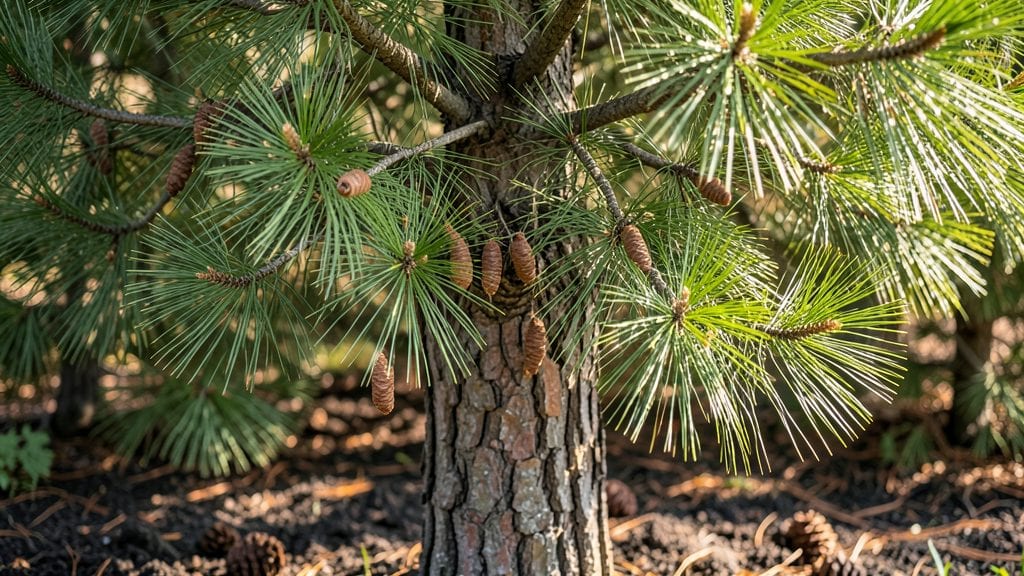
Those telltale brown bags on pine trees—signs of bagworms—are lurking in your needles. That’s bagworms, and they’ll strip your trees bare if you don’t act. I’ve watched entire pines go from lush green to skeletal in a single season—until I learned the organic tricks that actually work.
The key is timing: late summer is when you spot the telltale egg masses, and early fall is when you can stop them before they hatch.
You don’t need harsh chemicals to win this battle. A simple mix of soapy water and neem oil (or even BT spray) knocks out caterpillars without harming bees or birds. The real secret? Pruning—remove those bags by hand, and you cut off the next generation.
I’ve saved multiple trees using just these methods, and the best part? No more chemical residue or dead zones in your yard.
By next spring, your pines will look like they did before the infestation—full, vibrant, and healthy. The bags might return, but now you’ll spot them early and act fast. This isn’t just about saving your trees; it’s about reclaiming that quiet satisfaction of a yard that thrives without shortcuts.
Works for all pine varieties, from white pines to loblollies, and even extends to spruces if you’re dealing with similar pests. The tools you’ll need? Just a ladder, gloves, and a spray bottle—no fancy equipment required. Let’s get those trees back to their best.
📚 In This Guide
- What you need
- Instructions
- Tips and common mistakes
- Wrapping up and next steps
What you need
- ● Pruning shears or loppers (bypass blades, 6–8" for precision cutting) – 1 pair
- ● Heavy-duty gloves (gardening or work gloves, chemical-resistant if using sprays) – 1 pair
- ● Ladder or extension pole (aluminum, 6–12 ft, with non-slip feet) – 1 unit
- ● Plastic bags or buckets (10–20 gallon capacity) – 2–3 units (for disposal)
- ● Garden hose with nozzle (adjustable spray setting) – 1 unit
- ● Organic insecticide options (choose one): Neem oil (100% cold-pressed, 1–2% concentration) – 1 quart
- ● Bt (Bacillus thuringiensis) spray (kurstaki strain, 1–4 lbs/acre) – 1–2 lbs
- ● Horticultural oil (dormant season use, 2–3% concentration) – 1 gallon
- ● Spray bottle or pump sprayer (1–2 gallon capacity, for targeted application) – 1 unit
- ● Flashlight or headlamp (LED, for evening inspections) – 1 unit
- ● Magnifying glass (for close-up bagworm inspections) – 1 unit
- ● Sticky traps or pheromone lures (early detection) – 2–4 units
- ● Dust mask & safety goggles (if using powders or strong sprays)
- ● Trash bags with ties (for bulk disposal of infested branches)
- ● Notebook & pen (to track treatment dates and progress)
How to protect pine trees from bagworms using organic methods
Here's the straightforward approach I've used to keep my pines healthy and bagworm-free for years.
Identify and Confirm Bagworm Presence
Look for the distinctive 1-2 inch conical bags hanging from pine needles by late summer. These bags are made from silk and chewed needles, and they're the telltale sign of bagworms. You'll often spot them on the lower branches first, where they're easier to see against the tree's foliage.
Shake a few branches over a white sheet or tarp to check for emerging caterpillars—this is the best way to confirm an infestation before treating. If you see more than 5-10 bags per branch, it's time to act. The earlier you catch them, the easier they are to control.
Apply Organic Sprays During Critical Growth Stages
Use a horticultural oil or neem oil spray in early spring (before buds open) and again after eggs hatch in late spring. These oils smother the eggs and young caterpillars while being safe for the tree. Mix according to label instructions—usually 1-2 tablespoons per gallon of water—and apply thoroughly, covering all branches.
Reapply every 7-10 days during active feeding periods (May through July). The key is consistency—bagworms are most vulnerable when they're small and haven't yet formed their protective bags. Always spray in the early morning or evening to avoid harming beneficial insects.
Hand-Pick and Destroy Bags During Summer
Once caterpillars are large enough to see (about ½ inch long
For taller trees, use a long-handled grabber or pruning shears to snip off heavily infested branches. Bag the clippings and dispose of them in sealed trash bags. This method works best in late summer, when caterpillars are fully exposed but haven't yet pupated for winter. Wrap the lower 3-4 feet of the tree trunk with tree banding material or aluminum foil to prevent female moths from laying eggs. This barrier should extend about 2 feet above and below the drip line of the tree. Check it monthly and remove any egg masses you find—squish them between your fingers or drop them in soapy water. For young pines, consider wrapping the entire tree in fine mesh netting during egg-laying season (late summer to early fall). This creates a physical barrier that moths can't penetrate. While it looks unusual, the protection is worth it—especially for newly planted trees that haven't built up natural defenses. Birds like chickadees and nuthatches love to eat bagworm caterpillars. Install a birdhouse or feeder near your pine trees to attract these natural predators. You can also introduce parasitic wasps, which lay eggs inside bagworm larvae—these wasps will eventually kill the caterpillars from within. Keep your pine trees healthy by watering deeply once per week during dry spells and applying a slow-release organic fertilizer in early spring. Healthy trees are better equipped to handle minor infestations. Avoid over-fertilizing, as this can stress the tree and make it more susceptible to pests.Install Physical Barriers for Year-Round Protection
Encourage Natural Predators and Maintain Tree Health
Tips & tricks for organic bagworm control on pine trees
Real talk: The key to beating bagworms lies in timing and consistency—miss either, and you'll be back where you started. Here's what nobody tells you about making these organic methods work like a charm.
Timing Secret: In Step 2, when you're applying horticultural oil or neem oil, focus on the new growth first. Bagworm eggs hatch near fresh needles, so targeting these areas gives you the biggest bang for your buck. I've found that spraying in the early morning (before 8 AM) gives the oil time to work without evaporating too quickly from midday heat.
Hand-Picking Hack: For Step 3, here's what I learned the hard way: Use a white bucket instead of soapy water for collecting bags. The caterpillars will drop into the bucket when you shake branches, making cleanup easier. Plus, you can see exactly how many you've removed—this helps track progress over time. Once you've collected 50+ bags, you're making real headway!
Physical Barrier Upgrade: When installing tree banding in Step 4, I now use sticky tree tape instead of just foil. The sticky surface traps egg masses that might otherwise slip through, and it lasts longer between checks. For young pines, I've started using lightweight nylon netting instead of mesh—it's less visible from a distance while still keeping moths out.
Pro Tips for Bagworms On Pine Trees
- Real talk: The key to beating bagworms lies in timing and consistency—miss either, and you'll be back where you started.
- Timing Secret: In Step 2, when you're applying horticultural oil or neem oil, focus on the new growth first.
- Hand-Picking Hack: For Step 3, here's what I learned the hard way: Use a white bucket instead of soapy water for collecting bags.
Frequently asked questions
Got questions about tackling bagworms on your pine trees?
You’re not alone—these pests can be tricky! Below, we’ve answered the most common questions to help you take action with confidence.
What do bagworms look like, and how do I confirm they’re infesting my pine tree?
Bagworms start as small, green caterpillars (about 1/4 inch) that spin silky bags covered in pine needles or twigs. As they grow, the bags become 1–2 inches long and resemble tiny pine cones. Look for clusters of these bags on branches or yellowing needles—a sign of feeding damage. Shake a branch over white paper to spot falling bags or caterpillars.
When is the best time to treat bagworms for maximum effectiveness?
The ideal window is late May through early July when caterpillars are small but active. Treatments like Bt (Bacillus thuringiensis) or horticultural oil work best then. If you miss this window, fall treatments (September–October) can target late-stage caterpillars before they pupate. Pro tip: Monitor trees weekly in spring/summer—early action prevents severe damage!
Are there organic alternatives to chemical sprays for controlling bagworms?
Start with physical removal: Prune and destroy heavily infested branches (bag them and toss in the trash). For smaller infestations, Bt (Dipel or Thuricide) is a top organic pick—it’s safe for bees and pets. Neem oil or horticultural oil can also disrupt their life cycle. Bonus: Encourage natural predators like birds and parasitic wasps by keeping your yard pesticide-free.
Why do bagworms keep coming back even after treatment?
Bagworms have a 2-year life cycle, so lingering eggs or missed pupae can hatch later. Incomplete coverage (especially on tree tops) or treating too late also lets survivors repopulate. Solution: Reapply treatments in fall (September–October) to catch overwintering eggs. Inspect trees thoroughly—focus on upper branches where bags often hide.
Will bagworms kill my pine tree if left untreated?
While bagworms rarely kill mature pine trees, severe infestations can stunt growth, cause needle loss, and weaken trees over time. Young or stressed pines are most at risk. Act fast: Heavy defoliation (more than 50% of needles lost) signals it’s time to intervene. Regular monitoring and early treatment keep your tree thriving!
Wrapping up and next steps
Bagworms may seem intimidating, but with the right organic strategies—like manual removal, beneficial predators, and natural sprays—you can protect your pine trees year-round without harsh chemicals. 🌿 Stay proactive by monitoring early signs and acting fast to prevent outbreaks.
Your trees will thank you with lush, healthy growth!
Ready to take action? Start with a single tree today—pick one method from this blueprint and observe the difference in just a few weeks. Small steps lead to big results!