
Trees
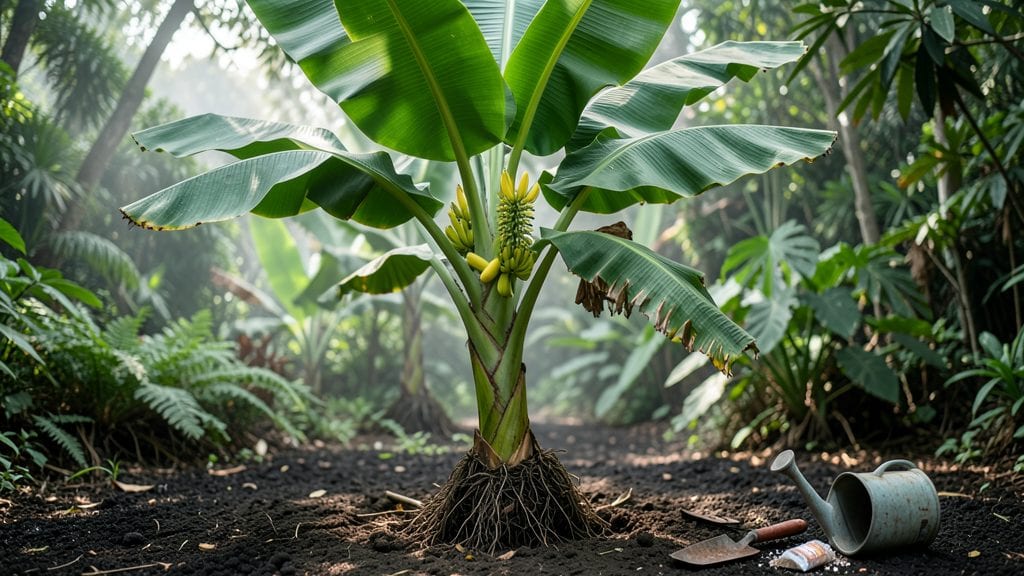
Your banana tree’s sudden sideways lean isn’t just quirky—it’s a cry for help. 🌱 I’ve seen this "walking" behavior signal everything from root-bound stress to banana weevil invasions, and the longer you wait, the harder it is to save.
The good news? Catching it early means you can stop the spread with simple checks and targeted fixes before the plant collapses.
The first clue is usually uneven growth—new fronds tilting one way while the trunk resists straightening. Check the soil for gnarled roots or hollow stems (a weevil telltale), and look for wilting despite regular water.
Most people assume it’s just wind damage, but banana trees don’t lean naturally—they lean because something’s wrong beneath the surface. A quick soil test or stem inspection can reveal if pests or root rot are the culprits.
With the right intervention, you’ll see the tree right itself within weeks. Prune damaged roots, apply organic neem oil for weevils, and stake the trunk to prevent further leaning.
The key is acting before the plant diverts all its energy to compensating—because once it starts "walking," it’s already fighting a losing battle. Let’s get it back on track before summer heat makes things worse.
This works for both potted and in-ground banana trees, though container plants often show signs faster. The same principles apply whether you’re dealing with a backyard specimen or a tropical houseplant—early action is everything. Here’s how to diagnose and fix it before it’s too late.
📚 In This Guide
- What you need
- Instructions
- Tips and common mistakes
- Wrapping up and next steps
What you need
- ● Shovel or spade: A sturdy, wide-head shovel (18–24 inches) to dig trenches and prune roots effectively.
- ● Pruning shears or loppers: Heavy-duty, bypass pruners (for roots up to 1-inch thick) or loppers (for thicker roots).
- ● Garden gloves: Heavy-duty, cut-resistant gloves (e.g., Mechanix or similar) to protect your hands from sharp roots and debris.
- ● Root barrier fabric: 10–15 feet of landscape fabric (minimum 3mm thickness) to contain roots long-term.
- ● Stakes and landscape staples: 4–6 wooden or plastic stakes (12–18 inches long) + staple gun to secure the barrier.
- ● Mulch or wood chips: 2–3 cubic feet of organic mulch to suppress regrowth and retain moisture.
- ● Hose with nozzle or watering can: For post-pruning hydration (especially in hot climates).
- ○ Disinfectant (optional but recommended): 1-part hydrogen peroxide + 9 parts water or copper-based fungicide to sterilize tools and cuts.
- ● Root killer (e.g., vinegar or potassium salt): For treating stubborn root sprouts—use sparingly to avoid harming nearby plants.
- ● Post-hole digger: If your banana tree’s roots are extremely deep (6+ feet).
- ● Wheelbarrow: For hauling debris or mulch to/from the work area.
- ● Knee pads: Because digging is hard on the knees! 😅
How to contain banana tree spread and prevent "walking" roots
Here's the simple system I use to keep banana trees in check—no digging up roots every season.
🪴 Step 1: Install Underground Root Barriers
Choose U-shaped metal or heavy-duty plastic root barriers that extend at least 2 feet deep and 12-18 inches above ground. The deeper you go, the more effective they'll be at blocking those aggressive rhizomes. I like the galvanized steel kind because they last for years and won't degrade in wet soil.
Dig a trench along the perimeter of your banana tree's planting area, following the U-shape of the barrier. The trench should be just wide enough to fit the barrier snugly. Tap the barrier gently into place with a rubber mallet—you want it firm but not bent. For mature trees, add a second barrier 6-12 inches away from the first to create a "double containment" system.
✂️ Step 2: Prune Underground Rhizomes Regularly
Every 3-4 months, dig down 6-8 inches around the tree's base to check for new rhizomes. These look like thick, pale roots with small buds or shoots along their length. I use sterilized pruning shears to cut them off completely at the base—this prevents them from sending out new shoots and spreading further.
Here's the thing—don't just chop and leave them. Bag up the cuttings immediately and dispose of them in the trash (not compost, or they'll regrow). If you miss even a small piece, it'll sprout into a new plant. I mark the perimeter with stakes and string to remind myself where to dig next time—trust me, you'll forget after a few months.
☀️ Step 3: Manage Water and Soil Conditions
Banana trees spread more aggressively when they get too much water or overly rich soil. Water deeply once a week (or when the top 2 inches of soil feel dry) and avoid letting them sit in soggy conditions. I use drip irrigation on a timer to keep moisture consistent without overwatering.
Add a 2-inch layer of coarse gravel around the base of the tree (but not touching the trunk) to improve drainage. This also creates a natural barrier that discourages rhizomes from growing outward. For extra control, top the soil with wood chips or straw mulch—this keeps moisture even and starves out competing weeds that might encourage root spread.
Tips & tricks for containing banana tree spread
Let me save you from the headache I went through when my banana tree started taking over the yard.
Barrier Placement: When installing your root barriers in Step 1, position them at least 12 inches away from the tree trunk. This gives the roots room to grow downward while preventing lateral spread. I've found that adding a 6-inch lip outward on the barrier helps redirect rhizomes even more effectively. For rocky soil, use a rubber mallet to gently tap the barrier into place without bending it—this ensures a tight seal that won't let roots sneak through.
Rhizome Identification: In Step 2, those thick pale roots with buds are your enemies. Here's what I learned the hard way: the buds can be as small as 1/8-inch—easier to miss than you'd think. After cutting, wipe your pruning shears with rubbing alcohol between cuts to prevent cross-contamination. I keep a small spray bottle of water nearby to mist the cut area—this helps the tree recover faster from the stress of pruning.
Watering Wisdom: The once-a-week watering in Step 3 works best when you water deeply—aim for 1-2 gallons per watering session for mature trees. I've switched to soaker hoses instead of sprinklers because they deliver water right at the roots without wetting the leaves, which helps prevent fungal issues. The gravel layer you add acts as a moisture regulator too, preventing both drought stress and waterlogging.
Long-Term Maintenance: Mark your barrier perimeter with bright orange stakes every 10 feet—this makes it easy to spot any new rhizomes pushing against the barrier. I've had success using a 1-inch mesh hardware cloth buried vertically along the barrier line for extra protection, especially in high-spread areas. This creates a physical barrier that rhizomes can't penetrate, even over time.
Pro Tips for Banana Trees Walking
- Let me save you from the headache I went through when my banana tree started taking over the yard.
- Barrier Placement: When installing your root barriers in Step 1, position them at least 12 inches away from the tree trunk.
- Rhizome Identification: In Step 2, those thick pale roots with buds are your enemies.
Frequently asked questions
Why do banana trees "walk" or spread their roots?
Banana trees naturally produce suckers (new shoots) from their base, which can grow into independent plants. This "walking" behavior is their way of spreading—some varieties, like the Musa acuminata, can even lean and root as they grow, creating a "walking" effect. It’s a survival tactic for wild bananas but can be messy in gardens!
How fast do banana trees spread?
Banana trees spread at varying speeds depending on the variety and conditions. Suckers can emerge within weeks of planting, and a mature tree may produce 3–5 suckers per year. Some aggressive types (like Musa balbisiana) can spread 10–20 feet in 3–5 years if unchecked. Pruning suckers regularly slows this process significantly.
Can I stop a banana tree from spreading without removing the whole plant?
Yes! Instead of uprooting the entire tree, prune suckers at the base with clean shears or a knife. For stubborn suckers, apply a barrier of cardboard or landscape fabric around the trunk to block roots. Mulch heavily to suppress new growth. This method preserves the parent plant while controlling spread.
What’s the best time to prune walking banana roots?
Prune suckers year-round, but aim for early spring (before new growth) or late fall (after harvest). Avoid pruning during flowering or fruiting, as this stresses the plant. If you’re dealing with invasive roots, act in dry seasons—wet soil can encourage faster regrowth.
Are there non-invasive banana tree varieties?
Yes! If you want a low-spread banana, opt for dwarf varieties like:
If suckers appear weak, deformed, or discolored, check for:
Even these may send up a few suckers, so prune regularly to maintain control.
What if my banana tree’s "walking" is caused by pests or disease?
Healthy trees spread naturally, but unusual growth patterns warrant investigation.
Wrapping up and next steps
So, you’ve learned how to tackle those wandering banana tree roots—what a game-changer! 🌱 The key takeaway? Pruning, mulching, and proper planting techniques are your best tools to keep your banana tree in check while ensuring it thrives.
With patience and consistency, you’ll enjoy lush foliage and sweet fruit without the root chaos.
Ready to put your new skills to work? Start by inspecting your banana tree this weekend—trim those sneaky roots, refresh the mulch, and give your tree the care it deserves. Happy gardening! 🌟