
Pruning
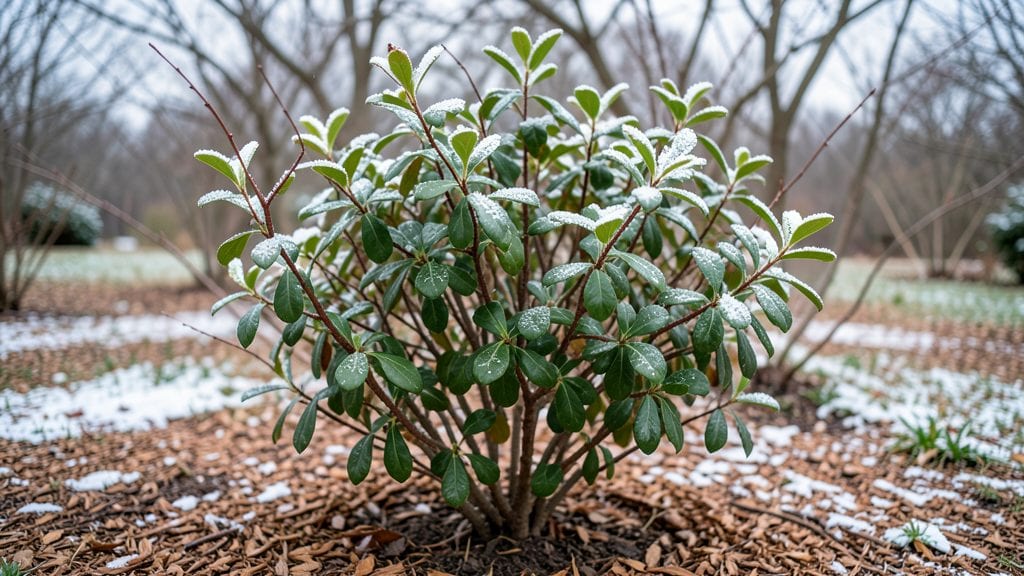
Winter pruning your blueberry tree isn’t just about shaping—it’s about setting up next year’s harvest before the first frost. 🌿 I’ve learned the hard way that skipping this step means smaller berries, fewer clusters, and branches that sag under snow.
The right cuts now determine how your tree handles cold snaps and how many blueberries you’ll pick in July.
Start with clean, sharp pruners and focus on three key goals: removing dead wood, thinning crowded branches, and opening the center for airflow. A mature blueberry tree needs about 10-15% of its branches pruned each winter to stay healthy.
The best time? Right after the ground freezes but before heavy snowfall—typically late December through early February in most climates.
What you’ll end up with is a tree that looks like a well-behaved shrub, not a tangled mess. The branches will be evenly spaced, letting sunlight reach all the way to the center where new growth starts.
Mulch heavily afterward to protect roots from temperature swings, and watch your tree bounce back stronger every spring.
This method works for both highbush and rabbiteye varieties, whether you’re in Zone 4 or Zone 8. The key is consistency—skip a year, and you’ll spend the next two playing catch-up. Let’s get those pruners ready before the snow flies.
📚 In This Guide
- What you need
- Instructions
- Tips and common mistakes
- Wrapping up and next steps
What you need
- ● Pruning shears or loppers: Sharp, bypass-style shears (for cuts under ½ inch) and loppers (for thicker branches up to 1.5 inches). Disinfect blades with rubbing alcohol between cuts to prevent disease.
- ● Hand pruners: For precise cuts on small branches (3/8 inch or less). Look for ergonomic grips if you have arthritis.
- ● Gloves: Heavy-duty, cut-resistant gloves (e.g., Mechanix or leather) to protect hands from thorns and sharp tools.
- ● Safety glasses: ANSI-rated goggles to shield eyes from debris.
- ● Ladder or step stool: Sturdy, non-slip (e.g., aluminum or fiberglass) for reaching higher branches. Max height: 6+ feet—avoid overreaching!
- ○ Pruning sealant (optional): Tree wound dressing (like Tanglefoot Tree Seal) for cuts larger than ½ inch to reduce disease risk.
- ● Disposable bags or bucket: For collecting pruned branches and debris.
- ○ Marking twine or flags (optional): To tag branches for future reference (e.g., red flags for cuts to make this winter).
- ● Dry, frost-free day: Prune when temperatures are above 40°F (4°C) to avoid stressing the tree. Early morning is ideal.
- ● Weather forecast: Check for no rain in the next 24–48 hours to prevent fungal growth on fresh cuts.
- ● Blueberry tree age: Wait until the tree is 2–3 years old before heavy pruning to avoid stunting growth.
- ● Clean workspace: Clear fallen leaves, weeds, and debris from under the tree to reduce pests/diseases.
- ● 🔥 Sharpen tools first! Dull blades tear wood, inviting infections. Use a file or sharpener before starting.
- ● 🎯 Sterilize tools between trees if you have multiple blueberry bushes to avoid cross-contamination.
- ● ✨ Label branches if you’re pruning for training (e.g., “North” or “Fruit Wood” tags).
How to prune blueberry trees for winter resilience
Here's the straightforward method I use to strengthen blueberry trees through cold seasons.
✂️ Step 1: Time Your Pruning for Dormancy
Prune your blueberry tree in late winter (February or early March) when the tree is fully dormant but before new growth begins. This timing ensures you remove dead wood while avoiding stress to emerging buds. Look for bare branches with no buds—these are your candidates for removal.
I always wait until after the worst winter cold passes but before spring sap starts flowing. If you prune too early, you risk exposing fresh cuts to extreme cold that can weaken the tree. If you wait too late, you'll encourage new growth that may get damaged by late frosts.
🌿 Step 2: Remove Dead, Diseased, and Crossing Branches
Start by cutting out any dead or diseased branches—they'll be brittle and may have dark, cracked bark. Use clean, sharp pruners to make cuts at a 45-degree angle just outside the branch collar. This prevents water from pooling and rotting the wound.
Next, remove any branches that cross or rub against each other. These create wounds that invite disease and weaken the tree's structure. I like to step back and look at the tree from all angles—this helps spot branches that disrupt the natural open shape blueberries need for airflow and sunlight.
☀️ Step 3: Thin the Canopy for Sunlight and Airflow
Blueberries thrive in an open, vase-like shape that lets sunlight reach all fruit-bearing wood. Aim to remove 20-30% of the oldest wood—this encourages new growth from the base and keeps the tree productive. Focus on branches growing inward or downward; these block light and airflow.
I always make my cuts just above an outward-facing bud or branch. This ensures the tree grows in a way that maintains its natural shape. Avoid "heading back" (cutting back to a stub)—this creates weak regrowth. Instead, cut to a bud or branch junction for cleaner, stronger growth.
⏰ Step 4: Shape for Frost Resistance
Blueberries are sensitive to frost damage, especially on new growth. To protect them, shape the tree so the center is open and branches slope outward. This allows cold air to drain away from the tree rather than settling in the middle where it can damage buds.
I like to leave the strongest, most vigorous branches on the outer edges. These will bear the most fruit and provide the best protection for the tree's core. Avoid over-pruning—blueberries produce fruit on wood that's 2-3 years old, so you want to preserve as much mature wood as possible.
💧 Step 5: Clean Up and Protect the Tree
After pruning, rake up and dispose of all debris—this removes potential disease spores and pests. I always sterilize my pruners with rubbing alcohol between cuts to prevent spreading pathogens. Once the ground is clear, apply a 2-3 inch layer of mulch around the base (but not touching the trunk) to insulate roots and retain moisture.
For extra frost protection, I wrap young or newly planted blueberry trees with burlap in late fall, removing it in early spring. This helps shield tender bark from winter sunburn and cold winds. Water the tree deeply before the first hard freeze to ensure roots are hydrated for dormancy.
Tips & tricks for perfect blueberry tree winter pruning
Here's what I've learned after years of pruning blueberries—these tricks make all the difference for strong, frost-resistant trees.
Timing is Everything: The late winter window (February or early March) is critical because it catches the tree fully dormant but before spring sap starts flowing. I check for bare branches with no buds—these are the ones to remove. If you're unsure about timing, look for days when temperatures stay above freezing during the day but drop at night. This balance helps the tree heal quickly after cuts.
Cutting Technique Matters: When removing branches in Step 2, make sure your pruners are sharp and clean. A dull blade crushes the wood instead of making a clean cut, which invites disease. I always make cuts at a 45-degree angle just outside the branch collar—this prevents water from pooling and rotting the wound. For branches thicker than your thumb, make a second cut from the underside to avoid tearing the bark.
Shape for Frost Protection: The open, vase-like shape in Step 4 is key for frost resistance. I focus on creating an umbrella effect where branches slope outward. This allows cold air to drain away from the tree rather than settling in the center where it can damage delicate buds. Leave the strongest branches on the outer edges—they'll bear the most fruit and protect the core during winter storms.
Post-Pruning Care: After cleaning up, I always sterilize my pruners with rubbing alcohol between cuts to prevent spreading pathogens. For young trees, wrapping with burlap in late fall provides extra protection against winter sunburn. The 2-3 inch layer of mulch around the base (but not touching the trunk) is another game-changer—it insulates roots and retains moisture during cold snaps.
Pro Tips for Blueberry Tree Winter
- Here's what I've learned after years of pruning blueberries—these tricks make all the difference for strong, frost-resistant trees.
- Timing is Everything: The late winter window (February or early March) is critical because it catches the tree fully dormant but before spring sap starts flowing.
- Cutting Technique Matters: When removing branches in Step 2, make sure your pruners are sharp and clean.
Frequently asked questions
Got questions about keeping your blueberry tree thriving through winter? You’re not alone! Here are some of the most common concerns—and straightforward answers to help you prune with confidence.
When is the best time to prune blueberry trees in winter?
Prune your blueberry tree after the worst cold snaps have passed but before buds swell in early spring—typically late winter (February–March in most zones). This timing balances frost protection with encouraging new growth. Avoid pruning in deep freeze (<10°F) or during active blooming.
Can I prune a blueberry tree if it’s still covered in snow?
Nope! Wait until snow melts and the ground isn’t frozen. Pruning through snow or ice can stress the tree and leave wounds vulnerable to disease. Pro tip: If your area has unpredictable winters, monitor forecasts and prune on a dry, above-freezing day for best results.
How do I know if I’m over-pruning my blueberry tree?
Over-pruning shows up as thin canes, sparse foliage, or no fruit the following year. Aim to remove no more than 20–30% of the tree’s total growth per winter. Focus on dead, crossing, or overcrowded branches first—save aggressive cuts for renewal pruning in early spring.
What if my blueberry tree doesn’t have any branches to prune?
If your tree looks bare, it might be too young, over-fertilized, or struggling from poor soil. Check for:
- Age: Young trees (under 3 years) need minimal pruning—just remove dead wood.
- Soil pH: Blueberries thrive in acidic soil (4.5–5.5). Test and amend if needed.
- Watering: Drought stress can stunt growth. Mulch well and water deeply in late fall.
Will winter pruning attract pests like rodents or insects?
Pruning can expose fresh wood to pests, but blueberry trees are generally low-risk. To minimize issues:
- Use clean, sharp tools to avoid tearing bark (which pests love).
- Remove and dispose of pruned branches promptly—don’t leave them piled near the tree.
- Apply dormant oil spray in late winter if you notice egg masses or sawdust-like frass.
Wrapping up and next steps
Winter is the perfect time to shape your blueberry tree for a bountiful, frost-resistant harvest! By pruning now, you’ll encourage stronger growth, better airflow, and healthier fruit production—all while keeping your tree looking its best.
With the right tools, timing, and technique, you’re well on your way to a thriving blueberry bonanza next season.
Ready to take the next step? Mark your calendar for late winter or early spring—just before buds swell—and grab those pruners! For extra confidence, review our FAQs or watch a quick video tutorial to see the process in action. Happy pruning—your future blueberry pies will thank you! 🍰✨