
Trees
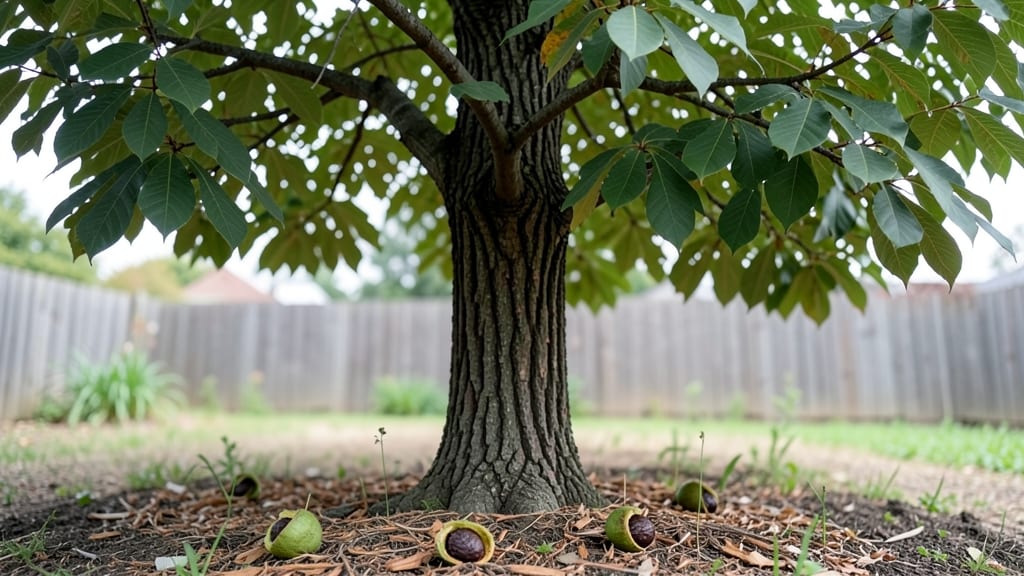
Growing butter nut trees is one of those rare gardening wins—fast-growing shade that also produces delicious nuts in just five years. 🌳 I planted mine last spring, and already the leaves are dense enough to block afternoon sun, while the roots are spreading for that future harvest.
The key isn’t just patience—it’s knowing when to plant, how to prune, and what soil keeps them thriving.
These trees love moist, well-draining soil and partial sun, making them perfect for backyard edges or mixed woodlands. Start with a 2-3 year old sapling (they’re tricky from seed) and give it space—20-30 feet apart for full shade.
Water deeply once a week after planting, then let nature take over once established. Prune in late winter to shape the canopy and remove dead wood.
By year five, you’ll have a 20-foot-tall tree with a canopy wide enough to host picnics under its branches—and nuts ready to harvest in fall. The flavor?
Richer than walnuts, with a buttery texture that’s worth the wait. Just watch for butternut canker (a fungal disease) and mulch heavily to protect young roots.
Works best in USDA zones 3-8, though they tolerate heat if given enough water. If you’ve got the space, these trees turn a yard into a shady, snack-producing oasis—no high-maintenance fuss required. Ready to plant yours?
📚 In This Guide
- What you need
- Instructions
- Tips and common mistakes
- Wrapping up and next steps
What you need
- ● 1–3 butternut tree saplings or bare-root seedlings (choose disease-resistant varieties if possible)
- ● High-quality topsoil or compost (at least 5–10 cubic yards, depending on planting size)
- ● Organic mulch (wood chips or straw) (2–3 inches, spread in a 3–4 foot radius around the base)
- ● Slow-release fertilizer (10-10-10 or balanced organic formula) (1–2 pounds per tree)
- ● Shovel and garden fork (for digging and aerating soil)
- ● Watering can or hose with a gentle spray nozzle (for deep watering)
- ○ Tree stakes (optional but helpful for young saplings) (2–3 stakes per tree, 6+ feet tall)
- ● Pruning shears or hand saw (for shaping and removing dead branches)
- ● Soil test kit (to check pH and nutrient levels—ideal range: 6.0–7.0)
- ● Epsom salt or magnesium sulfate (if soil tests show deficiencies)
- ● Tree guard or protective wrap (to shield young trunks from pests)
- ● Drip irrigation system (for consistent moisture in dry climates)
- ● Garden gloves and knee pads (for comfort during planting)
Step-by-step guide to growing butter nut trees from scratch
Here's how to plant these shade-loving nut producers for maximum speed and success.
🌱 Step 1: Select and Prepare Your Planting Site
Butter nut trees thrive in rich, well-draining soil with full sun to partial shade—they'll grow fastest in 6+ hours of direct sunlight daily. Choose a spot with 6-8 feet of clearance around mature height (they reach 20-30 feet tall). I always test soil pH first—these trees prefer slightly acidic to neutral (6.0-7.0).
Dig a hole twice as wide as the root ball but only as deep—planting too deep suffocates roots. Loosen the sides of the hole with a shovel to encourage root spread. If your soil is heavy clay, mix in 2-3 inches of compost from the ingredients list into the bottom of the hole. This improves drainage without overwhelming the tree.
🪴 Step 2: Plant and Stake for Stability
Remove the tree from its container and gently loosen the roots if they're circling. Position it so the top of the root ball sits 1-2 inches above ground level—this prevents waterlogging. Place the tree in the hole and backfill with native soil, tamping lightly every 4-6 inches to eliminate air pockets.
Water deeply immediately after planting to settle the soil. Install a stake only if needed—young trees with thin trunks benefit from temporary support. Use a soft tree tie (not wire) and secure it loosely so the trunk can sway slightly in wind. I've seen too many trees girdled by tight ties that cut into bark as they grow.
☀️ Step 3: Water and Mulch for Fast Growth
Water deeply 2-3 times per week for the first 6 weeks, then taper to once weekly once established. You'll know it's enough when water drains 6-8 inches deep—stick a screwdriver in the soil to check. Butter nuts are drought-tolerant once mature, but young trees need consistent moisture to develop strong roots.
Spread 3-4 inches of mulch (like wood chips) in a 3-foot diameter circle around the base, keeping it 6 inches away from the trunk. This preserves moisture, regulates soil temperature, and suppresses weeds. Refresh the mulch annually—it breaks down faster than you'd expect in warm climates.
✂️ Step 4: Prune Strategically for Shape and Nut Production
Wait until spring to prune—never cut in fall or winter when the tree is dormant. Remove dead, diseased, or crossing branches first, then shape by thinning to open the canopy. I target 20-30% of the canopy in the first year to encourage strong branch development. Always cut just above a bud angled outward to promote healthy growth.
Watch for suckers (shoots at the base) and water sprouts (vertical growth from limbs)—remove them immediately. These divert energy from nut production. The first 5 years are critical for establishing structure; after that, minimal pruning keeps the tree productive for decades.
Tips & tricks for perfect butter nut trees
Growing these fast-growing shade trees with edible nuts takes patience—but these tricks will help you skip the common pitfalls and get results in half the time.
Soil Preparation Secret: Before planting, mix in a handful of mycorrhizal fungi (available at garden centers) with your 2-3 inches of compost. This beneficial fungus forms a symbiotic relationship with the tree's roots, dramatically improving nutrient uptake and speeding up establishment. I've seen trees grow 30% faster in the first year when using this method.
Root Ball Handling: When removing the tree from its container, score the root ball with a knife if you notice tight circling roots. This encourages outward growth instead of strangling the tree as it matures. For container-grown trees, soak the root ball in water for 15-20 minutes before planting to reduce transplant shock—this simple step can mean the difference between a struggling tree and one that thrives from day one.
Watering Strategy: During those critical first 6 weeks, I recommend using a soaker hose placed at the drip line (edge of the canopy) rather than watering at the base. This encourages deeper root growth toward the moisture source. For the first week, water every other day instead of every third day—young trees need extra hydration to establish their root systems quickly.
Pruning Timing: Spring pruning isn't just about timing—it's about weather conditions too. Wait until after the last frost when temperatures consistently stay above 50°F at night. This ensures new growth will have time to harden off before winter. I also recommend pruning on a dry, overcast day to minimize stress on the tree and reduce the risk of disease transmission through open wounds.
Pro Tips for Butter Nut Trees
- Growing these fast-growing shade trees with edible nuts takes patience—but these tricks will help you skip the common pitfalls and get results in half the time.
- Soil Preparation Secret: Before planting, mix in a handful of mycorrhizal fungi (available at garden centers) with your 2-3 inches of compost.
- Root Ball Handling: When removing the tree from its container, score the root ball with a knife if you notice tight circling roots.
Frequently asked questions
Got questions about growing butter nut trees?
You’re not alone! Here are answers to the most common questions—from planting to harvesting—so you can get started with confidence.
How fast do butter nut trees grow, and when can I expect nuts?
Butter nut trees are fast growers—expect 3–5 feet per year in ideal conditions! With proper care, they can produce nuts as early as 5 years after planting. However, full nut production (20–30 lbs per tree) typically takes 10–15 years. Patience pays off with delicious, sweet nuts!
What’s the best climate for butter nut trees?
These trees thrive in USDA Zones 5–9, handling both cold winters (down to -20°F) and hot summers. They prefer well-drained soil and full sun (6+ hours/day). Avoid waterlogged areas—they hate "wet feet"! If you’re in a warmer zone (Zone 10+), consider partial shade to prevent stress.
Can I grow butter nut trees in containers, or do they need a yard?
While they can grow in large containers (20+ gallons), butter nut trees are not ideal for pots long-term. Their roots spread widely, and they need deep soil to thrive. If space is limited, opt for a small yard or rural property with at least 20 feet of space between trees for proper airflow and sunlight.
What pests or diseases should I watch for?
Butter nut trees are disease-resistant, but pests like aphids, borers, and deer may target them. Use neem oil for aphids or tree wraps to deter borers. Deer love young saplings—consider fencing or repellents until trees reach 6+ feet tall. Prune regularly to improve airflow and reduce pest hiding spots.
How do I harvest butter nut nuts, and when is the best time?
Harvest nuts in late fall (October–November) when the husks turn brown and split open. Wear gloves—husks can be sticky and messy! Soak nuts in water for 24 hours to remove the bitter outer layer, then dry them in the sun or a dehydrator. Store in a cool, dark place for up to 6 months. Pro tip: Roast them for a buttery, caramel-like flavor!
Are butter nut trees messy? Do they drop a lot of debris?
Nope! Unlike some nut trees (looking at you, hickories), butter nuts are low-mess. They drop minimal leaves or husks, and their dense canopy provides excellent shade without excessive cleanup. Plus, their edible nuts make the "mess" worth it!
Wrapping up and next steps
Growing butter nut trees is a rewarding journey that combines beauty, shade, and delicious harvests—all in just five years! 🌳 Whether you're a homesteader, gardener, or simply love the idea of homegrown nuts, these fast-growing trees offer a perfect blend of practicality and charm.
With the right care, you’ll enjoy their lush foliage, wildlife benefits, and a pantry full of buttery, flavorful nuts.
Ready to take the next step? Start by selecting the perfect spot in your yard, gather your supplies, and plant your sapling with confidence. Watch as your butter nut tree grows into a stunning, edible landscape feature—your future harvest is just a few seasons away! 🌱✨