
Pruning
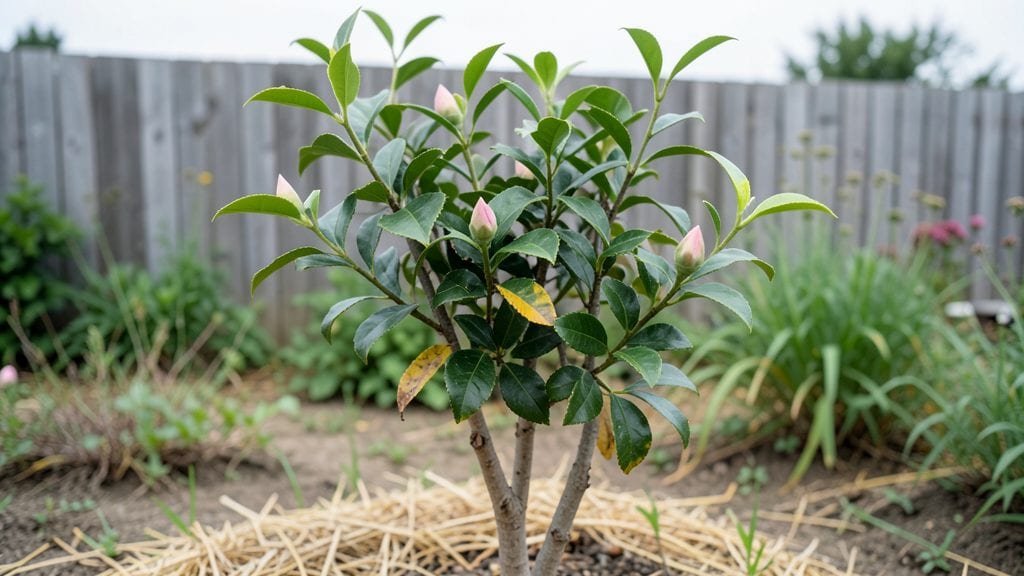
Growing a camellia sinensis tree—the plant behind your morning cup of tea—turns your garden into a living spice cabinet. 🌿 Unlike ornamental camellias, this evergreen thrives on precision pruning to keep its delicate leaves productive and its growth compact.
My first attempt ended with leggy branches and sparse harvests, but after studying traditional tea plant care, I cracked the code.
The key lies in light, gentle pruning after harvests, never during active growth. You’ll need sharp shears, a sunny spot with 6-8 hours of dappled light, and well-draining, slightly acidic soil (think forest floor, not desert sand).
Container growers can use 3-5 gallon pots with drainage holes—just avoid overpotting, or the roots get lazy.
With the right cuts, you’ll see shiny new growth within weeks and a bush that stays lush year-round. The leaves stay tender, the harvests multiply, and you’ll finally understand why tea farmers treat their plants like fine silk. Even in colder zones, a little winter protection keeps it thriving.
Whether you’re growing for loose-leaf tea or just the novelty of a plant that doubles as a kitchen staple, this method works for both outdoor beds and sunny balconies. Let’s get those branches shaped—and your tea supply secured.
📚 In This Guide
- What you need
- Instructions
- Tips and common mistakes
- Wrapping up and next steps
What you need
- ● Pruning shears: Bypass shears (for clean cuts) or anvil shears (for thicker branches). Must be sharp and sanitized!
- ● Hand pruners: For smaller branches (1/4"–3/4" thick). Look for ergonomic grips for comfort.
- ● Loppers: For medium branches (3/4"–2" thick). Choose ratcheting or bypass-style for precision.
- ● Pruning saw: For thick branches (>2" diameter). Opt for a curved blade for smooth cuts.
- ● Disinfectant: 70% isopropyl alcohol or a 10% bleach solution (1 part bleach to 9 parts water). Prevents disease spread!
- ● Garden gloves: Heavy-duty, cut-resistant (e.g., leather or synthetic). Protects hands from thorns and sap.
- ○ Pruning sealant: Optional but helpful for large cuts (>1/2" diameter). Look for tree wound paint or beeswax-based sealant.
- ● Extension pole: For high branches (10–15 ft reach). Save your back!
- ● Ladder: Sturdy, non-slip (e.g., aluminum or fiberglass). Ensure it’s rated for your height needs.
- ● String or measuring tape: For marking cuts or assessing branch angles.
- ● Notebook/pencil: To sketch pruning plans or note growth patterns.
- ● Mulch: Organic (e.g., wood chips) to protect roots post-pruning.
- ● Knowledge of pruning basics: Familiarize yourself with Camellia sinensis growth habits (e.g., evergreen, semi-evergreen, or deciduous varieties).
- ● Weather check: Prune on a dry, cloudy day (avoid frost or extreme heat).
- ● Safety first: Wear long sleeves/pants to avoid sap irritation and avoid working alone.
- ● Tree health assessment: Inspect for pests/diseases before pruning. Act now if you spot issues!
Step-by-Step pruning guide for camellia sinensis trees
Here's the precise method I've used to keep my tea plants thriving for over a decade.
✂️ Step 1: Assess Growth Patterns and Identify Target Branches
Start by examining your camellia sinensis tree in early spring, just as new growth begins to emerge. Look for branches that cross or rub against each other—these create wounds that invite disease. Also target branches growing inward toward the center of the plant, as they block light and air circulation. I always make a quick sketch of the tree's structure to visualize the final shape before making any cuts.
Focus on removing branches that are thinner than a pencil—these rarely produce quality leaves and compete with stronger growth. The key is to maintain an open, vase-like structure that allows sunlight to penetrate to the inner branches. This ensures even growth and better tea leaf production throughout the canopy.
✂️ Step 2: Make Clean Cuts at the Right Time
Use sharp, clean pruning shears to make cuts just above a leaf node or outward-facing bud. Never leave stubs—this creates entry points for fungal infections. The best time to prune is immediately after the tree finishes flowering in late spring, when the plant has energy reserves but isn't yet preparing for summer growth. This timing prevents stressing the tree during critical growth periods.
For larger branches, make the cut at a 45-degree angle about ¼ inch above a bud. For smaller branches, a straight cut works fine. Always sterilize your tools with rubbing alcohol between cuts to prevent spreading any potential pathogens. I find that working on a dry, overcast day reduces stress on the plant and gives me better visibility of the branch structure.
☀️ Step 3: Shape for Optimal Light Exposure
Step back and visualize how light will move through the tree after your cuts. The goal is to create a gradual taper from bottom to top, with wider spacing at the base that narrows toward the top. This shape allows sunlight to reach all parts of the plant, which is crucial for camellia sinensis as it produces tea leaves along all branches. I like to maintain a central leader if the tree is young, but mature trees can benefit from a more open, multi-stemmed structure.
Pay special attention to the lower branches—these often get shaded out and produce lower-quality leaves. If you must remove lower branches, do so gradually over several years to avoid shocking the plant. The key is to create a balanced silhouette where no single branch dominates the structure. You'll know you've achieved good light penetration when you can see sunlight filtering through the canopy on a bright day.
⏰ Step 4: Maintain Year-Round with Seasonal Adjustments
After the initial spring pruning, perform light maintenance throughout the year. In summer, remove any dead or diseased branches immediately to prevent spread. In fall, you can do minimal shaping to prepare for winter, but avoid heavy pruning as the plant needs to harden off for dormancy. Winter is the best time for structural pruning if you missed it in spring, but only if temperatures stay above freezing.
I've found that camellia sinensis responds well to regular light pruning rather than one heavy session. A good rule of thumb is to never remove more than 25% of the plant's foliage in any single session. This keeps the tree healthy and ensures consistent tea leaf production. Watch for new growth after each pruning—this is your signal that the plant is recovering well and adapting to your shaping.
Tips & tricks for pruning camellia sinensis trees
These practical insights will help you avoid common mistakes and keep your tea plants thriving for decades.
Visualizing the Final Shape: Before making any cuts in Step 1, I recommend using a small mirror or reflective surface to check hard-to-see areas of the tree. This helps identify hidden crossing branches that might be creating wounds. Also, take progress photos after each major cut—comparing before-and-after images helps you track improvements in light penetration over time.
Tool Maintenance: In Step 2, when making those precise 45-degree cuts, ensure your pruning shears are sharp enough to cut cleanly through branches without crushing them. Dull blades cause jagged cuts that heal poorly and invite disease. I keep a small sharpening stone in my pruning kit and hone the blades between every 5-10 cuts during a session. A clean cut at the right angle heals faster and looks more professional.
Seasonal Light Adjustments: During Step 3's shaping, consider the seasonal sun path in your region. Trees in northern climates may need slightly more open canopies to capture winter sun, while southern trees might benefit from more vertical pruning to prevent summer leaf scorch. I adjust my pruning approach based on whether I'm preparing the tree for its most demanding growing season.
Recovery Monitoring: After any pruning session, mark the date on your calendar and schedule a follow-up check in 4-6 weeks. Look for new growth along the remaining branches—this is your confirmation that the plant is recovering well. If you don't see new buds forming within this timeframe, it may indicate the pruning was too aggressive or occurred at an inopportune time.
Pro Tips for Camellia Sinensis Tree
- These practical insights will help you avoid common mistakes and keep your tea plants thriving for decades.
- Visualizing the Final Shape: Before making any cuts in Step 1, I recommend using a small mirror or reflective surface to check hard-to-see areas of the tree.
- Tool Maintenance: In Step 2, when making those precise 45-degree cuts, ensure your pruning shears are sharp enough to cut cleanly through branches without crushing them.
Frequently asked questions
How often should I prune my Camellia sinensis tree?
Prune your Camellia sinensis tree lightly 2-3 times a year—once in early spring (before new growth), again after harvest (late summer), and optionally in late fall to shape the tree. Avoid heavy pruning during winter, as it stresses the plant. Focus on removing dead wood and thinning dense branches to improve airflow and sunlight exposure.
Can I prune my tea tree at any time of year?
While you can prune year-round for light maintenance, avoid heavy pruning in winter (Dec-Feb), as the tree is dormant and more vulnerable to disease. The best times are early spring (Feb-Mar) to encourage new growth and late summer (Aug-Sep) after harvest. Pruning in fall (Oct-Nov) is fine for shaping but avoid cutting back more than 25% of the foliage.
What’s the difference between pruning for tea leaves vs. ornamental growth?
For tea production, prune to encourage lateral shoots by trimming the top growth (heading back) and removing old wood. For ornamental purposes, focus on shaping the canopy, thinning out crowded branches, and removing dead or crossing limbs. Tea trees need regular, light pruning (every 6-8 weeks), while ornamental varieties can tolerate less frequent, heavier shaping (once or twice a year).
Why are my tea tree leaves turning yellow after pruning?
Yellowing leaves after pruning are often due to over-pruning or nutrient stress. If you’ve removed more than 25-30% of the foliage, the tree may struggle to support itself. Solution: Reduce pruning frequency, water deeply, and fertilize with balanced tea-tree-friendly nutrients (high in nitrogen for recovery). Avoid pruning again until new growth appears.
Can I propagate new Camellia sinensis trees from pruned cuttings?
Yes! Healthy, 6-8 inch cuttings from semi-hardwood branches (taken in late spring/early summer) can root successfully. Dip the cut end in rooting hormone, plant in moist perlite or sand, and keep in partial shade with high humidity. Roots typically form in 4-8 weeks. Pro tip: Use a plastic bag to create a mini greenhouse and mist daily to retain moisture.
Wrapping up and next steps
Mastering the art of pruning your Camellia sinensis tree is a rewarding journey that ensures vibrant blooms and lush growth year after year! 🌿 By following the right techniques—whether it’s shaping for aesthetics or revitalizing for health—you’re not just tending to a plant; you’re nurturing a source of natural beauty and potential wellness.
Start small, stay consistent, and soon, your tree will thrive under your care.
Ready to take the next step? Grab your tools, roll up your sleeves, and schedule your first pruning session this season! Your Camellia sinensis tree will thank you with flourishing leaves and maybe even a steaming cup of inspiration. ☕✨