
Pruning
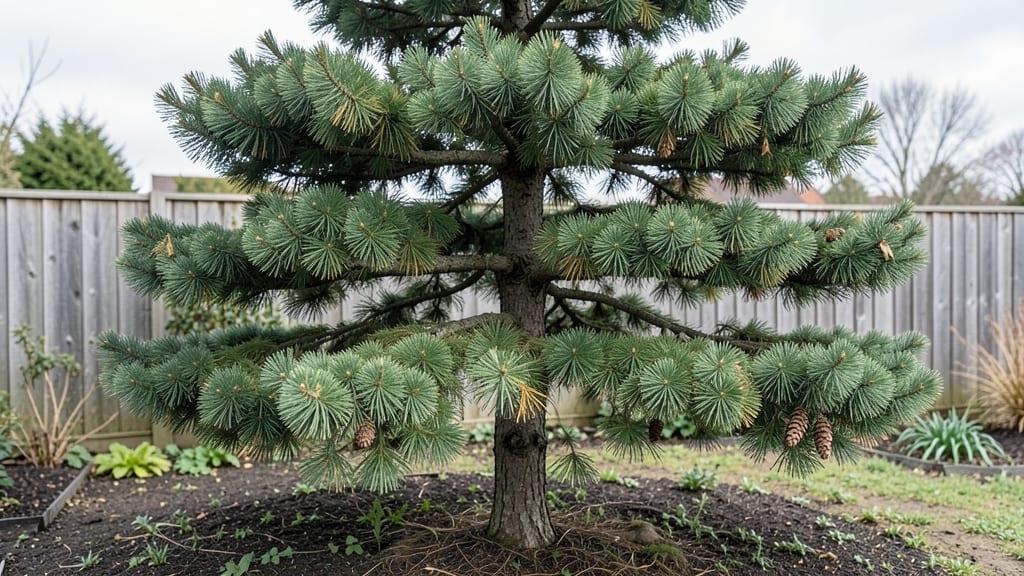
Planting a cedar deodar tree in the Pacific Northwest means adding a towering, frost-resistant giant to your landscape that thrives where many trees struggle. I’ve watched mine stand strong through winters that would flatten lesser species, its silvery-blue needles creating a striking contrast against stormy skies.
The key isn’t just its hardiness—it’s how it transforms a space with its majestic presence and minimal fuss once established.
This tree loves well-draining soil and full sun, but it’s forgiving enough to handle partial shade if needed. Space it 20-30 feet apart from other plants—its mature height of 40-60 feet demands room to grow without crowding.
Watering is simple: deep soaks once a week for the first year, then letting nature take over as roots establish. Pruning? Almost never—just remove dead branches in late winter to keep it looking its best.
What you’ll end up with is a century-worthy tree that needs almost no maintenance beyond occasional watering. Its fragrant needles and graceful branches create year-round interest, and it attracts wildlife without inviting pests.
The best part? It keeps growing for decades, becoming a living monument to your garden’s future. Ready to plant one that’ll outlive you?
Works beautifully in large gardens, as a windbreak, or even near driveways—just give it space. The Pacific Northwest’s cool, wet climate is perfect for this tree, but it handles heat and drought surprisingly well once mature.
Start with a young sapling, and in 10 years, you’ll have a tree that feels like a forest in your own yard.
📚 In This Guide
- What you need
- Instructions
- Tips and common mistakes
- Wrapping up and next steps
What you need
- ● Pruning saw (bypass or bow saw, 10–14" blade for thick branches).
- ● Loppers (20–24" reach, bypass blades for clean cuts).
- ● Hand pruners (sharp, bypass or anvil type for small branches).
- ● Extension pole (10–15 ft, for high branches).
- ● Work gloves (heavy-duty, cut-resistant for safety).
- ● Safety glasses (ANSI-rated, to protect from debris).
- ● Ladder (stable, extension ladder if needed, 20+ ft).
- ● Disinfectant (70% isopropyl alcohol or pruning sealant for cuts).
- ● Heavy-duty trash bags (for collecting debris).
- ● Rope or harness (if working above 20 ft—safety first!).
- ● Pruning shears (for fine-tuning small branches).
- ● Tree wound dressing (controversial but useful for large cuts).
- ● Chainsaw (if removing very thick branches—use with caution!).
- ● Weather check (prune on dry, calm days—avoid wind or rain!).
Step-by-step guide to planting and caring for a Deodar cedar tree
Here's how I plant these majestic evergreens to thrive in your Pacific Northwest landscape.
🌱 Step 1: Choose the Perfect Planting Site
Deodar cedars need full sun to partial shade—at least 6 hours of direct sunlight daily—to develop their signature upright growth and dense foliage. In the Pacific Northwest's cooler climate, they tolerate morning sun with afternoon shade, especially in hotter inland areas. I always look for spots with well-draining soil—these trees hate soggy roots, which can lead to root rot.
Test your soil by digging a 12-inch hole. If water pools after 30 minutes, amend with 3-4 inches of compost or plant on a slight mound. The tree's broad root system spreads wide, so avoid planting near sidewalks or driveways where roots might crack pavement over time.
🪴 Step 2: Prepare the Planting Hole and Plant Correctly
Dig a hole twice as wide as the tree's root ball but only as deep as the container's bottom. This prevents burying the trunk too deeply, which can suffocate the roots. Gently remove the tree from its container and loosen any circling roots with your fingers—never cut them unless they're severely wrapped.
Place the tree in the hole so the top of the root ball sits 1-2 inches above ground level. This ensures proper drainage and prevents water from pooling around the trunk. Backfill with the native soil, tamping lightly every 6 inches to eliminate air pockets. Water deeply to settle the soil around the roots.
☀️ Step 3: Water and Mulch for Long-Term Health
After planting, water the tree deeply once a week for the first month, providing about 10-15 gallons depending on the tree's size. You'll know it's enough when water drains 6 inches deep into the soil. Overwatering is a common mistake—these trees prefer moderate moisture and can handle brief dry spells once established.
Spread 3-4 inches of mulch (wood chips or bark) in a 3-foot diameter circle around the base, keeping it 6 inches away from the trunk to prevent rot. Mulch conserves soil moisture, regulates temperature, and suppresses weeds. Replenish mulch annually to maintain its protective layer.
✂️ Step 4: Prune and Maintain for Optimal Growth
Deodar cedars rarely need pruning, but you can shape them lightly in late winter or early spring before new growth begins. Remove only dead, diseased, or crossing branches using clean, sharp pruners. Never remove more than 25% of the foliage in one season—these trees grow slowly and respond poorly to aggressive pruning.
Fertilize only if the tree shows signs of poor growth, such as yellowing needles or sparse foliage. In that case, apply a balanced, slow-release fertilizer in early spring. Avoid high-nitrogen fertilizers, which can encourage weak, leggy growth. Regularly check for pests like spider mites or bagworms, treating only if necessary with horticultural oil.
Tips & tricks for perfect Deodar cedar planting
These game-changing insights will help your deodar cedar thrive for decades in the Pacific Northwest's challenging climate.
Location Strategy: I always scout potential sites in late afternoon when shadows are longest—this helps visualize how much sunlight each spot actually gets. For partial shade areas, prioritize western exposures where afternoon sun is gentler. Remember, those 6 hours of sunlight need to be direct rays, not filtered light through tree canopies.
Soil Test Hack: The 30-minute water test is your best friend. If water pools after that time, you're dealing with clay soil. In these cases, I recommend creating a raised bed using native soil mixed with 50% compost by volume. This creates the perfect well-draining environment without needing expensive amendments.
Root Ball Prep: When loosening circling roots, think of it like untangling headphones—gently work your fingers between the roots and the root ball. For stubborn cases, I've found that soaking the root ball in water for 10 minutes before removing it from the container makes the roots more pliable. This prevents damage that could stress your tree during the critical first year.
Mulch Layering: The 3-4 inch mulch layer should feel like a thick blanket—enough to insulate roots but not so thick it suffocates them. I always use wood chips from local sources as they break down slowly and improve soil structure over time. Pro tip: Refresh the mulch layer every spring before new growth begins to maintain that protective barrier.
Pro Tips for Cedar Deodar Tree
- These game-changing insights will help your deodar cedar thrive for decades in the Pacific Northwest's challenging climate.
- Location Strategy: I always scout potential sites in late afternoon when shadows are longest—this helps visualize how much sunlight each spot actually gets.
- Soil Test Hack: The 30-minute water test is your best friend.
Frequently asked questions
How cold can a Deodar cedar tolerate?
A Cedar Deodar thrives in USDA Hardiness Zones 7-10, handling temperatures as low as -10°F (-23°C). In the Pacific Northwest, its frost resistance makes it ideal for coastal areas (like Oregon and Washington) where mild winters and damp air prevail. Pro tip: Young trees may need winter protection in Zone 6 if exposed to harsh winds.
How fast does a Deodar cedar grow?
Expect moderate growth—about 12-24 inches per year under ideal conditions. While not the fastest, its slow-and-steady pace ensures a sturdy, long-lived tree (often reaching 40-60 feet tall). Patience pays off with its striking blue-green foliage and elegant branching. Fun fact: It can live 200+ years with proper care!
When is the best time to prune a Deodar cedar?
Prune in late winter or early spring (February-March) before new growth starts. Avoid heavy pruning in fall—it can stimulate tender shoots vulnerable to frost. Focus on shaping, removing dead branches, and thinning to improve airflow. Warning: Over-pruning can stress the tree; aim for no more than 25% of foliage at a time.
What are good alternatives if I can’t grow a Deodar cedar?
If your climate is too cold (Zone 5 or below) or you prefer low-maintenance options, consider:
- Incense Cedar (Calocedrus decurrens) – Hardier (Zone 5) and drought-tolerant.
- Western Red Cedar (Thuja plicata) – Native PNW favorite, great for privacy.
- Leyland Cypress (× Cupressocyparis leylandii) – Fast-growing but needs more water.
Are Deodar cedars prone to pests or diseases?
Generally resistant, but watch for:
- Bagworms – Treat with Bt spray if detected.
- Root rot – Avoid soggy soil; ensure well-draining locations.
- Spider mites – Hose off in dry summers.
Wrapping up and next steps
The Deodar cedar stands as a resilient and majestic symbol of the Pacific Northwest, offering both beauty and practical benefits for your landscape. With its frost-resistant nature and stunning evergreen foliage, it’s a low-maintenance yet high-impact choice for any garden.
Whether you’re pruning for health, aesthetics, or safety, remember: patience and precision go a long way! 🌲✨
Ready to give your Deodar cedar the care it deserves? Grab your tools, schedule that pruning session, and watch your tree thrive for decades to come! 🌿💚