
Pruning
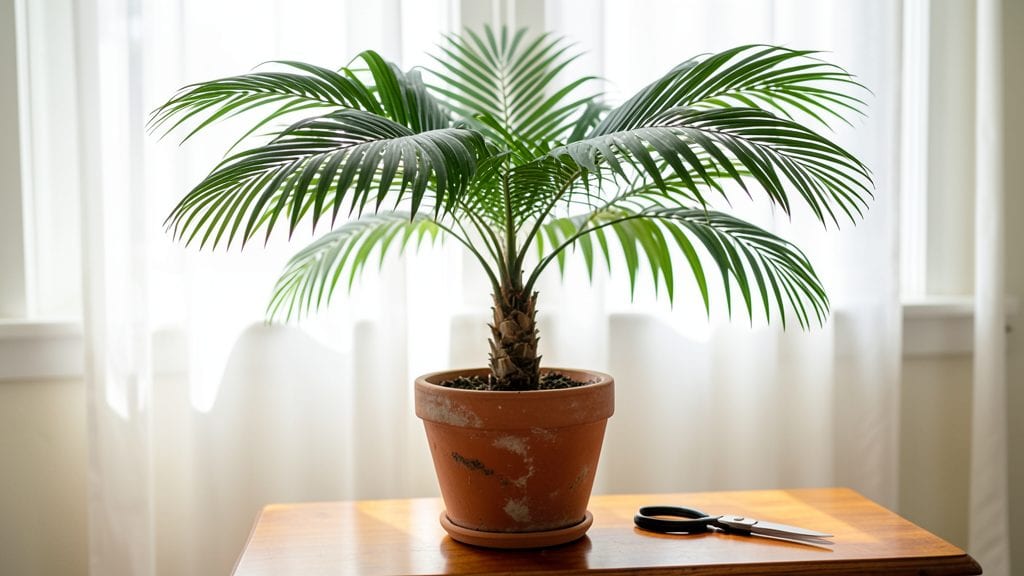
The chamaedorea palm tree thrives when you prune it right—especially if you want it to survive indoor winters without losing its lush, feathery fronds. I’ve learned the hard way that cutting back too much or at the wrong time turns this graceful plant into a sad, leggy shadow of itself.
The secret lies in timing, sharp tools, and knowing exactly where to make those clean cuts.
This palm handles pruning better than most people think, as long as you follow a few simple rules. You’ll need basic tools—a pair of clean pruners, rubbing alcohol for sterilizing, and a dusting of cinnamon to prevent infections.
The goal isn’t to shape it like a bonsai but to encourage healthy new growth while keeping it frost-resistant, even when indoor heaters dry out the air. Most people over-prune in winter, which stresses the plant when it’s already struggling with low humidity.
After a proper trim, you’ll see fresh fronds unfurling within 4-6 weeks, and the plant will look fuller than ever. The key is removing only the brown or yellow fronds at the base—never more than 20% of the plant at once.
This keeps it strong enough to bounce back, whether you’re growing it indoors near a sunny window or outdoors in a sheltered spot. The result? A palm that stays vibrant year-round without the shock of drastic cuts.
Works for both beginner growers and seasoned plant parents—just avoid the temptation to "neaten" it up too much. The natural shape is part of its charm, and this method keeps it thriving through every season. Ready to give it a try?
📚 In This Guide
- What you need
- Instructions
- Tips and common mistakes
- Wrapping up and next steps
What you need
- ● Pruning shears – Sharp, bypass-style (not anvil) for clean cuts. (1 pair)
- ● Sterilized pruning saw – For thicker stems (if needed). (1)
- ● Disinfectant (70% isopropyl alcohol or hydrogen peroxide) – To sterilize tools between cuts. (small bottle)
- ● Garden gloves – Heavy-duty to protect from thorns or sap. (1 pair)
- ○ Pruning sealant (optional but helpful) – For sealing larger cuts to prevent disease. (small tube)
- ● Ladder or step stool – If your palm is tall! (adjustable height preferred)
- ● Trash bag or bucket – For collecting pruned fronds. (1-2)
- ● Spray bottle with water – To mist cuts and reduce stress. (small)
- ● Plant food (balanced fertilizer, 10-10-10) – To nourish after trimming. (small bag)
- ● Frost cloth or row cover (seasonal) – If prepping for cold weather. (1-2 sheets)
How to prune a Chamaedorea palm for healthy, frost-tolerant growth
Here’s the straightforward approach I’ve used to keep my Chamaedorea palms thriving through seasonal shifts—without losing their natural beauty.
Assess the Palm’s Health and Identify Pruning Needs
Start by examining your Chamaedorea palm from all angles, focusing on the fronds and trunk. Look for fronds that are brown, crispy, or hanging limp—these are dead or dying and need removal. Healthy fronds have a vibrant green color and a firm texture. I usually prune in early spring, just as new growth begins, but you can also trim lightly after frost if needed.
Check the trunk for any signs of damage or discoloration. If the trunk shows dark spots or soft areas, this could indicate disease or rot, which may require more aggressive action. For a healthy palm, you’ll mostly work with the fronds—never cut more than one-third of the fronds at once, as this can stress the plant.
Gather the Right Tools and Prepare the Workspace
Use clean, sharp pruning shears or bypass pruners to make precise cuts without tearing the fronds. Disinfect your tools with rubbing alcohol before and after pruning to prevent spreading disease. I also wear gloves to protect my hands from the sharp edges of the fronds.
Work in a well-ventilated area, preferably outdoors or in a space where you can easily clean up debris. Lay down a drop cloth or tarp to catch fallen fronds and make cleanup effortless. If you’re pruning indoors, open windows or turn on a fan to improve airflow—this helps the palm recover faster.
Remove Dead or Damaged Fronds Carefully
Start by locating the base of the frond, where it meets the trunk. This is the point where the frond attaches, and it’s often hidden by overlapping fronds. Use your fingers to gently separate the fronds until you can see the attachment point clearly. For dead fronds, the base will feel dry and brittle.
Make a clean cut about ½ inch above the trunk using your pruners. Avoid leaving stubs, as these can attract pests or rot. If the frond is particularly large or tough, cut it into smaller sections to make handling easier. Discard the removed fronds in a sealed bag—composting them is fine if they’re disease-free.
Trim Yellow or Weak Fronds for Better Airflow
Next, focus on fronds that are yellowing or showing signs of weakness. These fronds may still be alive but aren’t contributing to the palm’s health. To trim them, follow the same process as with dead fronds, but cut just above the point where the frond turns yellow. This encourages new, healthy growth to emerge from the trunk.
Pay attention to the center of the palm, where old fronds can block airflow and trap moisture. Remove any fronds growing inward or overlapping too much—this prevents fungal issues and keeps the palm looking neat. After trimming, step back and admire your work; the palm should now have a balanced, open appearance with room for new growth.
Clean Up and Monitor for New Growth
Once all dead, damaged, and weak fronds are removed, clean up any debris around the palm. This reduces the risk of pests or disease lingering in old plant material. Water the palm lightly after pruning to help it recover, but avoid overwatering—let the top inch of soil dry out between waterings.
Place the palm in a bright, indirect light spot for the next few weeks. You’ll notice new fronds emerging from the top of the trunk within 4-6 weeks. If your Chamaedorea is outdoors in a frost-prone area, move it to a protected location before temperatures drop below 30°F—even though it’s frost-resistant, prolonged cold can still stress it.
Tips & tricks for perfect Chamaedorea palm trimming
Keeping your Chamaedorea palm healthy through seasonal changes takes just a few key tricks—here's what I've learned after years of trial and error.
Seasonal Timing Matters: The instructions mention early spring as ideal, but I've found that late winter (just before new growth appears) works almost as well. If you're in a frost-prone area, a light trim after frost damage is better than waiting—just remove only the most damaged fronds to avoid stressing the plant. This prevents the palm from putting energy into repairing frost damage while new growth begins.
Tool Selection Tip: While clean pruning shears work perfectly, I've discovered that using a small pruning saw for particularly thick fronds makes the job easier. The saw gives you more leverage without damaging the trunk. Just remember to disinfect it with rubbing alcohol between cuts—this prevents spreading any potential diseases between fronds.
Visual Pruning Cues: When assessing fronds in Step 1, look for the "V" shape where the frond attaches to the trunk. Healthy attachments will have a firm, green base, while dead fronds will feel hollow and papery. For yellow fronds, cut just above where the color changes from green to yellow—this encourages new growth from the healthier portion. The ½-inch rule above the trunk is perfect for maintaining that clean look.
Frost Protection Strategy: The instructions mention moving your palm before temperatures drop below 30°F, but I've found that wrapping the trunk with insulating burlap or frost cloth provides an extra layer of protection. This is especially helpful if you can't move the palm indoors. Just remove the wrap during the day when temperatures rise to prevent moisture buildup that could encourage rot.
Pro Tips for Chamaedorea Palm Tree
- Keeping your Chamaedorea palm healthy through seasonal changes takes just a few key tricks—here's what I've learned after years of trial and error.
- Seasonal Timing Matters: The instructions mention early spring as ideal, but I've found that late winter (just before new growth appears) works almost as well.
- Tool Selection Tip: While clean pruning shears work perfectly, I've discovered that using a small pruning saw for particularly thick fronds makes the job easier.
Frequently asked questions
Got questions about keeping your Chamaedorea palm looking lush and healthy? We’ve got answers!
Here are some of the most common concerns—plus quick fixes to keep your palm thriving year-round.
How often should I prune my Chamaedorea palm?
Prune your Chamaedorea palm lightly every 6–12 months to remove yellow or brown fronds. Avoid heavy pruning—these palms grow slowly, and over-trimming can stress the plant. Focus on dead or damaged foliage only, and use sterilized tools to prevent disease.
Can Chamaedorea palms survive light frost?
While Chamaedorea palms are tropical and frost-sensitive, they can tolerate brief exposure to temps down to 25°F (-4°C) if acclimated. For prolonged cold, move potted palms indoors or wrap them in frost cloth. Never leave them outdoors in freezing conditions—frost damage is often irreversible.
What’s the best way to trim dead fronds without harming the plant?
Use clean, sharp pruners to cut dead fronds at the base where they meet the trunk. Avoid tearing—this can leave unsightly stubs and invite pests. Wear gloves (some varieties have sharp spines!) and disinfect tools with rubbing alcohol between cuts to prevent bacterial spread.
Should I fertilize my Chamaedorea palm after pruning?
Yes! After pruning, feed your palm with a balanced, water-soluble fertilizer (e.g., 20-20-20) diluted to half-strength. Do this every 4–6 weeks during spring and summer to encourage new growth. Skip fertilization in fall/winter—the plant rests during cooler months.
Why are my Chamaedorea palm’s fronds turning yellow?
Yellow fronds usually signal overwatering, underwatering, or nutrient deficiency. Check soil moisture—Chamaedorea palms prefer slightly moist (not soggy) soil. If roots smell rotten, reduce watering and repot in fresh, well-draining mix. Yellowing can also mean low light—move your palm to brighter, indirect light.
Wrapping up and next steps
Ready to give your chamaedorea palm tree the care it deserves? Pruning isn’t just about keeping it tidy—it’s about fostering year-round health and resilience, even when frost pays a visit! 🌿 With the right tools, timing, and techniques, you’ll transform your palm into a thriving, low-maintenance centerpiece.
Start small, observe your plant’s response, and soon, you’ll be a pruning pro.
Now that you’re armed with knowledge, take the next step—schedule your first pruning session and watch your chamaedorea palm flourish! 🌱 Whether you’re trimming dead fronds or shaping for aesthetics, every snip brings you closer to a lush, vibrant indoor jungle. Happy pruning! ✂️