
Pruning
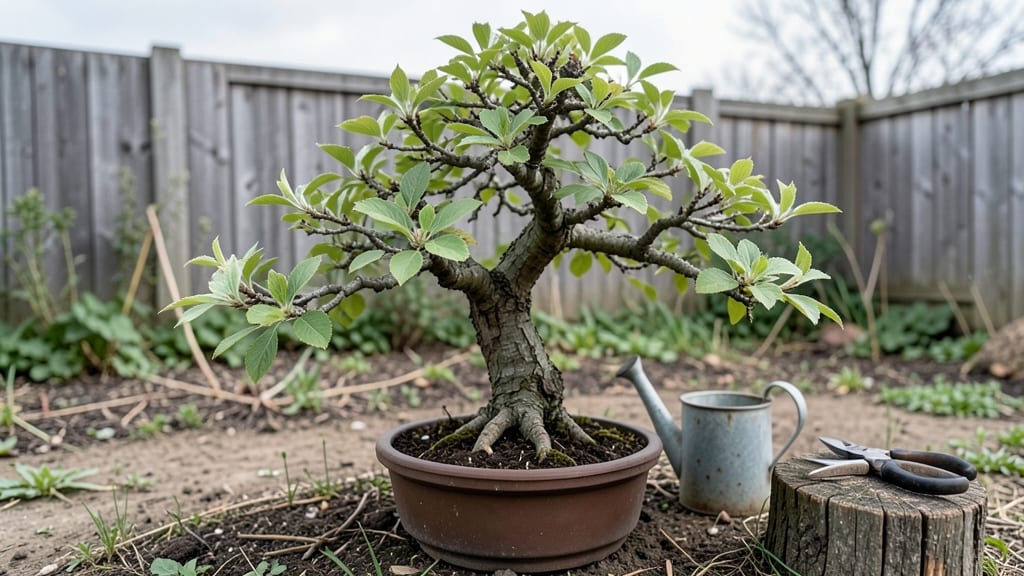
Caring for a cherry bonsai tree means turning a delicate sapling into a living work of art—one that rewards patience with year-round beauty and intricate detail. 🌿 I remember the first time my cherry bonsai burst into pink blossoms in late winter, proving that even a tiny tree could hold a season's magic in its branches.
The key lies in mimicking nature's balance: precise pruning to shape its growth, gentle wiring to guide its form, and a soil mix that drains well but holds enough moisture. Most beginners overwater or prune too aggressively—both mistakes stunt the tree's natural rhythm.
With the right approach, your bonsai will thrive indoors or outdoors, adapting to seasons with stunning foliage and delicate flowers.
By summer's end, you'll have a tree that looks centuries old but fits on your windowsill. The branches will cascade with glossy green leaves and bursts of blossoms, while the trunk develops satisfying texture and character.
Each season brings new challenges—like winter dormancy or spring's rapid growth—but the process becomes addictive once you see how your care shapes the tree's future.
Whether you're starting with a nursery-grown sapling or rescuing a neglected bonsai, the principles stay the same: consistency, observation, and a light touch. The first year is about establishing good habits; after that, you'll watch your cherry bonsai become a living masterpiece that tells its own story.
📚 In This Guide
- What you need
- Instructions
- Tips and common mistakes
- Wrapping up and next steps
What you need
- ● Cherry Bonsai Tree: Start with a healthy, young Prunus species (e.g., Prunus serrulata or Prunus jamasakura) from a reputable nursery. Look for one with a well-developed trunk and branches.
- ● Bonsai Pot: A shallow, well-draining pot (6–12 inches in diameter) with drainage holes. Unglazed clay or plastic with mesh works best.
- ● Bonsai Soil Mix: A blend of 50% akadama, 30% pumice, and 20% organic matter (like compost or peat moss) for optimal aeration and moisture retention.
- ● Pruning Tools: Concave Cutters (for branch pruning)
- ● Bypass Pruners (for thicker branches)
- ● Needle-Nose Pliers (for wire removal)
- ● Root Pruning Tools: Root Hook (for gently teasing roots)
- ● Small Hand Saw (for stubborn roots)
- ● Aluminum or Copper Wire: 1–2mm thick for branch positioning (avoid plastic wire—it can damage bark!).
- ● Watering Can: A fine-rose nozzle attachment for gentle watering.
- ● Misting Bottle: For daily humidity checks (especially in dry climates).
- ● Fertilizer: Balanced Liquid Fertilizer (e.g., 10-10-10 or 20-20-20, diluted to half-strength)
- ○ Slow-Release Granules (optional, for steady nutrition)
- ● Bonsai Sealer: Tree resin or cutting paste to seal pruning wounds and prevent disease.
- ● Humidity Tray: A shallow tray with pebbles and water to boost moisture levels.
- ● Grafting Tools: If you plan to propagate or graft your cherry bonsai.
- ● Bonsai Display Stand: Elevates your tree for better airflow and aesthetics.
- ● pH Test Kit: Ensures your soil stays in the ideal 5.5–6.5 range for cherry bonsai.
Step-by-step guide to cherry bonsai tree care
This is how I keep my cherry bonsai thriving—simple daily habits make all the difference.
🌱 Step 1: Master Watering for Perfect Moisture Balance
Water your cherry bonsai when the top ½ inch of soil feels dry to the touch. I use a spray bottle for fine misting to avoid disturbing the roots, especially during hot months. Overwatering is the #1 killer—yellowing leaves mean you're drowning the roots.
Check soil moisture daily in summer, every other day in cooler months. The pot should feel light when dry. If water runs straight through without soaking, your bonsai needs repotting—roots have filled the space.
☀️ Step 2: Position for Ideal Light Exposure
Place your cherry bonsai in bright, indirect light for at least 4-6 hours daily. A south-facing window works best, but avoid harsh midday sun that scorches delicate leaves. I rotate my tree quarter-turn weekly so growth stays even.
Watch for signs of stress: pale leaves mean too much light, while leggy growth signals insufficient light. In winter, supplement with a grow light 12 inches away for 6 hours daily to maintain vigor.
🪴 Step 3: Prune and Wire for Shaped Growth
Prune new growth to ¼ inch above a leaf node in spring and summer to encourage branching. I use sharp bonsai shears and clean them with rubbing alcohol between cuts to prevent disease. Never prune more than ⅓ of the foliage at once.
Wire branches gently in early spring before new growth starts. Wrap wire around the trunk or branch, then shape gradually—never bend more than 45 degrees at a time. Remove wire within 3-4 months to avoid scarring.
✂️ Step 4: Fertilize Seasonally for Healthy Growth
Feed your cherry bonsai with a balanced liquid fertilizer (10-10-10) diluted to half-strength every 2 weeks in spring and summer. Reduce to monthly in fall and stop completely in winter when growth pauses. I always water thoroughly before fertilizing.
Watch for fertilizer burn—brown leaf tips mean you're overdoing it. Flush the soil with plain water if you see salt crust on the surface. Organic options like fish emulsion work well too, but follow package rates precisely.
💧 Step 5: Protect Through Seasonal Changes
In winter, move your bonsai indoors where temperatures stay between 50-65°F. Avoid drafts and sudden temperature swings. I place mine near a window but away from heating vents that dry out the air.
Spring is the time to repot every 2-3 years using a slightly larger pot and fresh bonsai soil mix. Trim ⅓ of the roots during repotting to encourage new growth. This is also when I clean the pot and refresh the drainage layer.
Tips & tricks for perfect cherry bonsai tree care
Here's what nobody tells you about keeping your bonsai thriving without the guesswork.
The Soil Test Trick: Stick your finger about ½ inch into the soil—this is the perfect depth to check moisture. I press gently; if it feels like a damp sponge, wait another day. For extra accuracy, use a moisture meter (they're cheap and save trees!). The key is consistency: summer soil dries faster, so check it twice daily if your bonsai is in direct sun.
Light Rotation Hack: That weekly quarter-turn I mentioned? Set a phone reminder so you don't forget. Uneven growth is the fastest way to ruin your tree's symmetry. I also recommend placing a small mirror near your bonsai—it helps you spot light imbalances from different angles. In winter, when natural light is weaker, move your grow light closer to 10 inches away for those critical 6 hours of daily exposure.
Pruning Precision: When you're cutting back to ¼ inch above a leaf node, use a magnifying glass if your eyes aren't what they used to be. This tiny detail makes all the difference in how your tree branches. I keep a small container of rubbing alcohol handy to wipe my shears between cuts—it prevents sap buildup that can spread disease. And remember: if you're pruning more than ⅓ of the foliage, you're overdoing it.
Fertilizer Timing: That half-strength 10-10-10 mix? Always dilute it in a separate container first, then add to your watering can. I've ruined bonsai by adding undiluted fertilizer straight to the soil—it burns the roots instantly. In fall, I switch to a low-phosphorus fertilizer to encourage root growth rather than foliage before winter dormancy. And always water thoroughly before fertilizing; dry soil means the fertilizer just sits on the surface.
Pro Tips for Cherry Bonsai Tree Care
- Here's what nobody tells you about keeping your bonsai thriving without the guesswork.
- The Soil Test Trick: Stick your finger about ½ inch into the soil—this is the perfect depth to check moisture.
- Light Rotation Hack: That weekly quarter-turn I mentioned?
Frequently asked questions
How often should I prune my cherry bonsai?
Prune your cherry bonsai twice a year—once in late winter (before new growth) and again in early summer (after flowering). Light trimming between seasons helps maintain shape. Avoid heavy pruning after fall, as it can stress the tree before dormancy. Pro tip: Use sharp, clean tools to prevent disease!
Why aren’t my cherry bonsai flowers blooming?
Cherry bonsai need full sun (6+ hours daily) and balanced care to flower. If blooms are missing, check for:
- Insufficient light (move indoors near a bright window if needed)
- Over-fertilizing (stick to a low-nitrogen bonsai fertilizer in spring/fall)
- Young age (some varieties take 3–5 years to bloom)
How do I fix root-bound cherry bonsai?
Root-bound trees show signs like roots circling the pot or slow growth. Fix it now:
- Repot every 2–3 years in spring (use well-draining soil)
- Gently tease roots and trim 1/3 of the longest roots with sterilized scissors
- Upgrade to a pot just 1–2 inches wider than the root ball
Can cherry bonsai survive winter outdoors?
Most cherry bonsai (Prunus serrulata) are hardy to USDA Zone 5–8. For colder climates:
- Move pots to a protected, unheated space (garage, shed) before temps drop below 20°F
- Wrap the pot in bubble wrap or use a frost cloth
- Avoid watering until spring (soil should stay slightly moist, not soggy)
What’s the easiest cherry bonsai for beginners?
Start with Sargent cherry (Prunus serrulata ‘Sargentii’)—it’s hardy, fast-growing, and forgiving. Other beginner-friendly picks:
- Weeping cherry (Prunus subhirtella ‘Pendula’)
- Dwarf Yoshino cherry (Prunus × yedoensis ‘Akebono’)
Wrapping up and next steps
Caring for a cherry bonsai tree is a rewarding journey that blends artistry with patience—every trim, watering session, and seasonal adjustment brings you closer to a stunning miniature masterpiece. 🌸 With the right tools, techniques, and a little love, you’ll enjoy its delicate blooms and lush foliage year-round.
Ready to take the next step? Start by observing your tree’s growth and refining your pruning skills—soon, your bonsai will be the envy of every gardener!