
Pruning
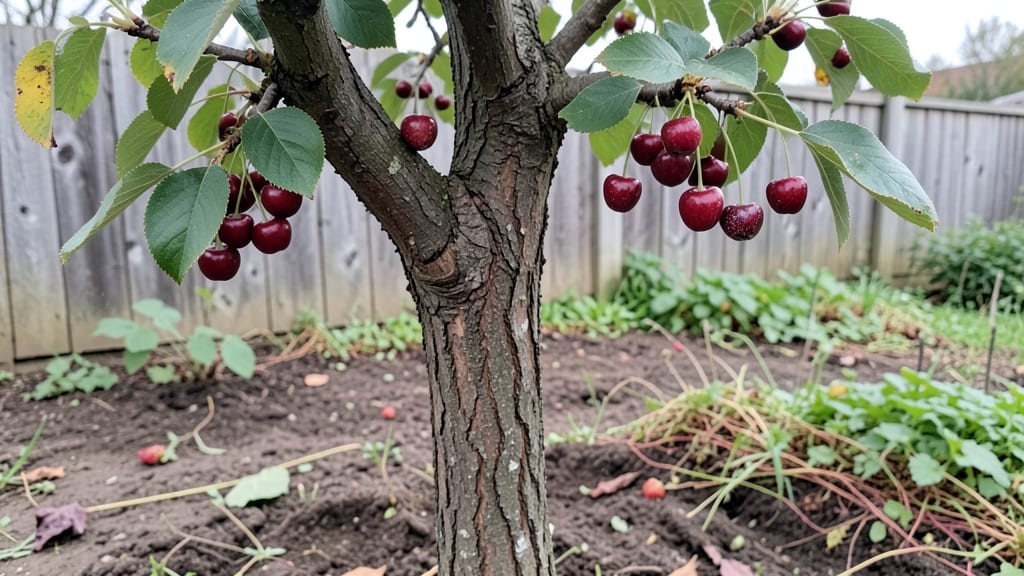
A thriving cherry tree depends entirely on planting it in the right climate zone—and the sweet rewards begin there. Cherry trees thrive in zones 4 through 8, where winter chills harden their wood and spring warmth triggers blossoms.
I learned this the hard way when my first sour cherry tree struggled in zone 5—until I swapped it for a Montmorency, now the star of my orchard.
The magic happens between 10°F and 25°F chill hours, which most cold-hardy varieties like Stella or Meteor need. Late frosts after bloom can ruin fruit, so plant in sheltered spots or choose early-blooming cultivars. My yard’s microclimate saved my Bing cherries from spring frost damage last year.
You’ll end up with heavy branches bending under 50-pound harvests of deep red Bing cherries or bright yellow Montmorency sours. The key is matching your zone to the tree’s dormancy needs—some varieties even fruit better with 100+ chill hours than others.
Works for backyard orchards, urban lots, or rural farms—just check your zone map first. Here’s how to pick the perfect cherry for your climate without the guesswork.
📚 In This Guide
- What you need
- Instructions
- Tips and common mistakes
- Wrapping up and next steps
What you need
- ● Cherry Tree Sapling: Choose a variety suited to your USDA Hardiness Zone (e.g., Prunus avium for Zones 5-8, Prunus serrulata for Zones 5-7). Opt for a 1-2 year old tree with a sturdy root system.
- ● Shovel: A round-point or digging shovel (18-24" blade) for planting.
- ● Pruning Tools: Bypass pruners (for cuts ½" thick)
- ● Loppers (for cuts 1-2" thick)
- ● Pruning saw (for thick branches 2"+)
- ● Gloves: Heavy-duty gardening gloves (cut-resistant for pruning).
- ● Mulch: 3-4 inches of organic mulch (wood chips, straw, or shredded bark) to retain moisture and regulate soil temperature.
- ● Fertilizer: Balanced, slow-release fertilizer (10-10-10 ratio) or a citrus-specific formula if growing sweet cherries.
- ● Watering Can/Hose: A soaker hose or watering can with a rose attachment for deep watering.
- ● Tree stake and ties (for young saplings in windy areas).
- ● Anti-transpirant spray (to reduce water loss during transplant shock).
- ● Soil pH tester (cherry trees prefer slightly acidic soil, pH 6.0-6.5).
- ● Bird netting (to protect fruit from birds during harvest season).
- ● Hose-end sprayer (for applying fungicides or insecticides if needed).
Step-by-step guide to selecting and planting cherry trees in cold-hardy regions
Here's how to pick the right varieties and give your cherry tree the best start in chilly climates.
Identify Your Specific Climate Zone
First, determine your exact USDA hardiness zone—this isn't just about "cold" but about how many frost-free days you get. Check the USDA Plant Hardiness Zone Map using your ZIP code. Cherry trees thrive in zones 3 through 8, but sweet cherries (like 'Stella' or 'Montmorency') prefer zones 4-7, while tart cherries can handle zones 3-6. The key difference is that sweet cherries need more chill hours (300-900 hours below 45°F) to fruit properly.
I always double-check my local microclimate—valleys stay colder than hilltops, and urban areas can be 5-10°F warmer than rural spots. If you're on the edge of a zone (like zone 7b), opt for varieties labeled "late blooming" to avoid spring frosts damaging flowers. For example, 'Balaton' tart cherries are zone 4-hardy and bloom after last frost risks have passed.
Choose the Right Variety for Your Region
Sweet cherries need cross-pollination, so plant two compatible varieties (like 'Stella' and 'Lapins') 50-60 feet apart. Tart cherries are more self-sufficient but still benefit from a second tree for better fruit set. Look for varieties bred for your zone—'Meteor' sweet cherries (zone 5) or 'Empress Alexandra' tart cherries (zone 3) are proven performers in cold regions.
Dwarf varieties (like 'Compact Stella') are ideal for small spaces but may produce 20-30% less fruit than standard trees. If you're in zone 6 or colder, prioritize disease-resistant varieties—'Montmorency' tart cherries resist black knot better than many others. Always check the maturity size when selecting: a 20-foot tree needs 15-20 feet of clearance from structures and power lines.
Plant in Late Fall or Early Spring
Fall planting (after leaf drop but before hard frost) gives roots time to establish before winter, while spring planting (as soon as soil thaws to 45°F) avoids transplant shock. Dig a hole twice as wide as the root ball but no deeper—cherry trees hate having their graft union buried. The top of the root ball should sit 1-2 inches above ground level to prevent rot.
Amend the native soil with 2-3 inches of compost mixed into the bottom of the hole—cherry trees prefer slightly acidic to neutral soil (pH 6.0-7.0). If your soil is heavy clay, add a shovel of sand or perlite to improve drainage. Water the hole thoroughly before planting, then backfill with native soil (not amended soil) to avoid root burn. Stake only if necessary—young trees in windy zones benefit from support.
Mulch and Water for Winter Survival
Spread 3-4 inches of wood chips or straw mulch over the root zone, keeping it 6 inches away from the trunk to prevent rot. Mulch insulates roots in winter and retains moisture in summer. Water deeply once a week during the first growing season unless rain provides 1 inch of moisture. In zones 4 and colder, give trees an extra deep watering in late fall before ground freezes to prevent winter desiccation.
Young trees need protection from late frosts—cover blossoms with frost cloth if temperatures dip below 28°F during bloom. Prune only in late winter (before buds swell) to remove dead wood and open the canopy for airflow. Avoid heavy pruning in cold climates—it stresses trees and reduces winter hardiness. The goal is to shape the tree gradually while maintaining a strong central leader.
Monitor for Cold-Related Stress
Watch for bark splitting in winter—this happens when rapid temperature swings cause moisture expansion. If you see cracks, seal them with pruning sealant in early spring. Brown, curled leaves in early summer may signal winter burn from cold winds. Increase mulch thickness if this happens repeatedly. In zones 6 and warmer, watch for bacterial canker—remove infected branches immediately and sterilize pruners with 70% rubbing alcohol between cuts.
Cherry trees in cold climates often produce better fruit on older wood, so avoid aggressive pruning. Instead, focus on removing water sprouts and crossing branches to maintain an open center. Harvest fruit when fully colored and slightly soft to the touch—waiting too long reduces quality and attracts pests. With proper variety selection and care, your cherry tree will thrive for decades, even in the coldest regions.
Tips & tricks for perfect cherry tree planting in cold climates
These practical insights will help you avoid common pitfalls and maximize your cherry tree's success in chilly regions.
Zone-Specific Variety Selection: When choosing between sweet and tart cherries, remember that sweet varieties like 'Stella' need those 300-900 chill hours below 45°F to fruit properly. For zone 7b or transitional areas, look for "late blooming" labels—these varieties wait until after frost danger has passed. I've seen 'Balaton' tart cherries thrive in zone 4 where regular varieties would fail due to early spring frosts.
Soil Preparation Matters: The 2-3 inches of compost mixed into the planting hole isn't just about nutrients—it creates the ideal slightly acidic to neutral soil (pH 6.0-7.0) that cherry trees crave. If your soil is heavy clay, add a shovel of sand or perlite to prevent waterlogging, which can lead to root rot in cold climates. I learned this the hard way after losing a sapling in zone 5 with poor drainage.
Winter Protection Strategy: That extra deep watering in late fall before ground freezes is crucial for zones 4 and colder. It helps prevent winter desiccation when cold winds dry out the soil. For young trees, wrap the trunk with tree wrap or burlap to protect against sunscald—it's a common issue in cold regions where winter sun can actually burn the bark.
Pruning Timing: Late winter pruning (before buds swell) is critical in cold climates. This timing avoids stressing the tree when it's already working hard to survive winter. Focus on removing only dead wood and crossing branches—cherry trees in cold zones produce better fruit on older wood. I've seen aggressive spring pruning lead to reduced winter hardiness in zone 3 trees.
Pro Tips for Cherry Tree Climate Zone
- These practical insights will help you avoid common pitfalls and maximize your cherry tree's success in chilly regions.
- Zone-Specific Variety Selection: When choosing between sweet and tart cherries, remember that sweet varieties like 'Stella' need those 300-900 chill hours below 45°F to fruit properly.
- Soil Preparation Matters: The 2-3 inches of compost mixed into the planting hole isn't just about nutrients—it creates the ideal slightly acidic to neutral soil (pH 6.0-7.0) that cherry trees crave.
Frequently asked questions
Got questions about growing cherry trees in your climate zone?
Here are some of the most common concerns—and their answers—to help you plant with confidence!
What are the best cherry tree climate zones for planting?
Cherry trees thrive in USDA Hardiness Zones 5 through 8, depending on the variety. Sweet cherries (like 'Stella' or 'Lapins') prefer cooler zones (5-7), while tart cherries (like 'Montmorency') handle zones 5-8. Check your local zone here and choose a variety suited to your region.
How long does it take for a cherry tree to bear fruit?
Patience is key! Dwarf varieties may produce fruit in 3-5 years, while standard trees can take 5-7 years or longer. Factors like soil quality, sunlight, and proper care speed up the process. Pro tip: Plant two trees for cross-pollination if your variety isn’t self-fertile!
Can cherry trees survive harsh winters in cold zones?
Yes, but it depends on the type. Sweet cherries need winter chill hours (300–1,000) and may struggle in Zone 4 without protection (mulch or windbreaks help). Tart cherries are tougher and can handle Zone 4 winters. Always research your specific variety’s cold tolerance before planting.
What’s the best alternative if my climate isn’t ideal for cherries?
If your zone is too hot (Zone 9+) or too cold (Zone 3), consider plum trees, apricots, or peaches—they’re more adaptable. For urban areas, dwarf fruit trees or container-grown cherries (like 'Compact Stella') can work in limited spaces. Pro tip: Check microclimates (e.g., south-facing walls) for warmer pockets!
Why aren’t my cherry tree leaves turning green, or are they curling?
Curling or pale leaves often signal pests (aphids, mites) or disease (bacterial leaf spot). Start with neem oil spray for pests and remove infected leaves. Poor soil (lack of nitrogen) can also cause yellowing. Troubleshoot: Test soil pH (6.0–7.0 is ideal) and fertilize with balanced 10-10-10 in early spring.
Wrapping up and next steps
Choosing the right cherry tree climate zone is the first step to growing a thriving, fruit-bearing tree! Whether you're in USDA Zones 4-7 or beyond, cold-hardy varieties like Montmorency or Stella can flourish with the right care.
Remember, site selection, soil prep, and proper pruning are key to long-term success—don’t let climate limits hold you back!
Ready to get started? Pick your variety, test your soil, and plant with confidence! 🌱🍒 Your future orchard awaits—just a few seasons away!