
Pruning
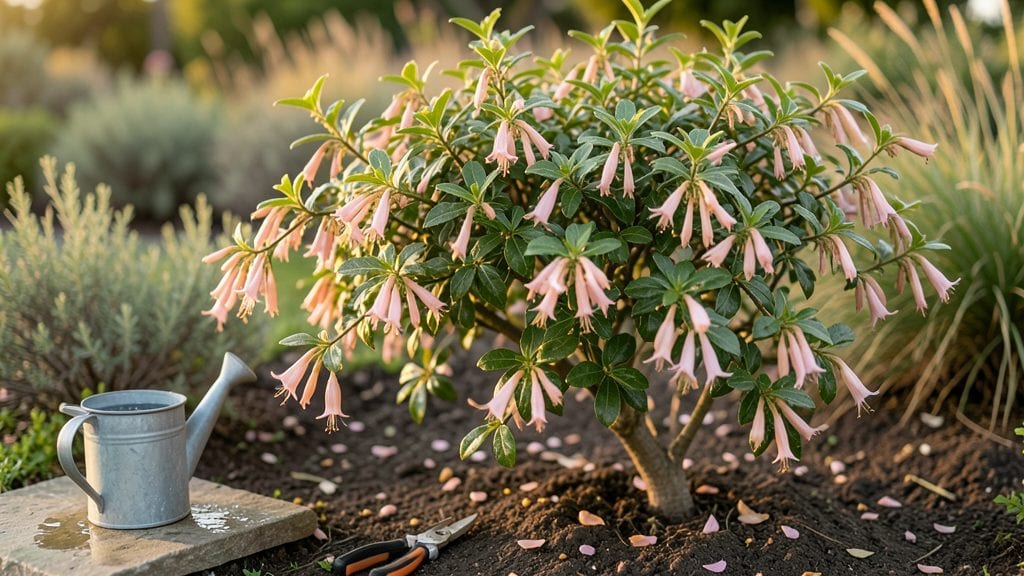
Your Chinese lantern tree’s year-round blooms start with the right cuts—and I’ll show you how to revive even the most neglected branches. 🌿 This isn’t just about trimming; it’s about unlocking that second flush of delicate white flowers and those iconic papery lanterns that last through winter.
I’ve pruned mine for five years, and the difference between a scraggly bush and a showstopper comes down to timing, technique, and a little seasonal strategy.
The key is working with the tree’s natural rhythm: prune lightly after flowering to encourage new growth, then do a more structured cutback in late winter before buds swell. You’ll need sharp pruners, a clean workspace, and about 30 minutes of focused time—no fancy tools required.
The goal is to open up the center for airflow, remove dead wood, and shape it so light reaches every branch. Even if your tree looks sad now, it can bounce back with the right approach.
What you’ll end up with is a tree that blooms earlier in spring, produces more lanterns, and stays compact enough to fit in small gardens. The lanterns themselves turn a stunning amber-orange, and the foliage takes on fiery hues in fall—making it a four-season star.
Plus, the more you prune correctly, the more the tree rewards you with healthier growth and fewer pests. Let’s get those shears out and bring yours back to life.
This works for both the classic Physalis alkekengi and its showier cousins like Physalis franchetii, though the latter needs slightly more aggressive pruning. Whether you’re in Zone 5 or 9, the principles stay the same—adjust timing for frost dates, and you’re golden.
Ready to transform that underperforming shrub into a garden centerpiece?
📚 In This Guide
- What you need
- Instructions
- Tips and common mistakes
- Wrapping up and next steps
What you need
- ● Pruning shears: Bypass pruners (for small branches, 2–4 inches in diameter) – look for sharp, stainless-steel blades.
- ● Loppers: For medium branches (4–8 inches thick) – choose long-handled, ratcheting loppers for leverage.
- ● Pruning saw: For thick branches (over 8 inches) – opt for a curved blade for smoother cuts.
- ● Gloves: Heavy-duty gardening gloves (cut-resistant) – protects hands from thorns and sharp edges.
- ● Disinfectant: 70% isopropyl alcohol or a blank">pruning sealant – prevents disease spread between cuts.
- ● Rake or broom: For cleanup – gathers debris efficiently.
- ● Trash bags: Heavy-duty, 30–50 gallon – for hauling pruned branches.
- ● Hand pruners: Compact shears for delicate trimming (e.g., shaping new growth).
- ● Extension pole: For hard-to-reach branches – saves time and strain.
- ● Plant food: Balanced fertilizer (10-10-10 or similar) – apply post-pruning to boost recovery.
- ● Safety glasses: Protects eyes from debris.
- ● Knee pads: For comfort during ground-level pruning.
- ● Weather check: Prune on a dry, overcast day (avoid rain for 24 hours before/after).
- ● Safety first: Wear long sleeves/pants to avoid scratches from thorns.
- ● Tree knowledge: Familiarize yourself with the tree’s blank">growth habits (e.g., blooms on old wood).
- ● Clean workspace: Lay down a tarp or old sheet to catch debris.
How to prune a Chinese lantern tree for continuous blooms
Here's the simple system I use to keep my Chinese lantern tree flowering nonstop—just a few strategic cuts at the right times.
✂️ Step 1: Prune for Shape and Airflow in Late Winter
Start your cuts in late February or early March when the tree is still dormant. This is the best time because you're shaping the framework before new growth begins. I always begin by removing any dead, crossing, or crowded branches—these compete for energy and reduce flowering.
Use sharp pruning shears to make clean cuts just above a bud or branch junction. Avoid leaving stubs, as they can rot and invite pests. For larger branches, I make the cut at a 45-degree angle about ¼ inch above an outward-facing bud to encourage outward growth and better airflow.
Here's the thing—don't go overboard. You're not trying to drastically reduce size; aim to open up the center of the tree by removing no more than 25% of the total branches. This keeps the tree healthy while creating space for new blooms to develop.
🌿 Step 2: Lighten Up After Spring Blooms
Once the tree finishes its spring flowering, usually around May or June, it's time for a second round of pruning. This is when you remove any branches that have finished blooming—those with spent flowers and seed pods. These branches won't produce more flowers this season, so cutting them back encourages the tree to focus energy on new growth that will flower later.
I also look for any branches that are growing inward or rubbing against others. These need to go immediately to prevent damage and disease. Make your cuts just above a healthy bud, and always prune at a slight angle to help water run off and avoid rot.
This is the moment that matters: after this pruning, you'll see fresh, vibrant new growth starting within 2-3 weeks. That's your signal the tree is responding well and preparing for its next round of blooms.
☀️ Step 3: Encourage Summer and Fall Flowers
Throughout the summer, I do light maintenance pruning to keep the tree looking its best. Remove any deadheading flowers as soon as they fade—this might seem counterintuitive, but it actually encourages more blooms later in the season. The tree redirects energy from seed production back to flower development.
In late summer (August), give the tree another light pruning to shape it up for fall blooms. Focus on trimming back any overly long or leggy branches by cutting just above a leaf node. This promotes bushier growth and more flowers in the fall.
Real talk: if you see any branches growing straight up instead of outward, cut them back by about ⅓. This encourages a fuller, more compact shape that blooms more abundantly. You'll notice new side shoots forming within a few weeks—that's your reward for the effort.
⏰ Step 4: Prepare for Next Year's Blooms in Early Fall
By October or November, the tree should be slowing down for winter. This is when I do my final pruning of the year—just a light tidying up. Remove any dead or diseased branches, and trim back any branches that are growing in directions you don't want.
I also make sure to clean up all the fallen seed pods and debris around the base of the tree. This reduces the risk of pests and diseases over the winter months. Don't worry about heavy pruning now—the tree needs time to rest and prepare for next year's growth.
This is the time to step back and admire your work. With these pruning techniques, your Chinese lantern tree should be bursting with flowers from spring through fall. You've got this—just a few smart cuts at the right times make all the difference.
Tips & tricks for perfect Chinese lantern tree pruning
These small adjustments will transform your pruning routine from basic maintenance to a strategic plan for nonstop blooms.
Timing is Everything: The late February/March window for Step 1 is non-negotiable—this dormant period lets you shape the tree's framework without stressing it. I've learned the hard way that pruning too early (like January) can shock the tree while waiting until April misses the growth window entirely. Mark your calendar for February 20th as your target date—this gives you flexibility for either late February or early March cuts.
The 25% Rule: When opening up the tree's center in Step 1, I use a simple visual trick: divide your tree into four quadrants and remove no more than one branch per quadrant. This ensures you're not over-pruning while still creating that crucial airflow. Think of it like giving your tree a spa day—you want to refresh it, not exhaust it. For larger trees, you might need to adjust to 20% in one quadrant and 30% in another, but never exceed 25% total.
Visual Growth Signals: After Step 2's May/June pruning, watch for these three signs within 2-3 weeks: new leaf buds forming at the base of cuts, slightly darker green leaves appearing on remaining branches, and tiny flower buds beginning to swell. These visual cues confirm your pruning worked. If you don't see these within 3 weeks, your cuts might have been too severe—next time, remove slightly less growth.
Seasonal Shape Maintenance: During summer's Step 3 maintenance, I use the "thirds rule" for leggy branches: divide the branch length into thirds and cut just above the first third. This creates a more compact shape while still allowing sunlight to reach inner branches. For branches growing straight up, make your cut at a 45-degree angle about ⅓ of the way down—this encourages outward growth where you'll see more flowers.
Pro Tips for Chinese Lantern Tree
- These small adjustments will transform your pruning routine from basic maintenance to a strategic plan for nonstop blooms.
- Timing is Everything: The late February/March window for Step 1 is non-negotiable—this dormant period lets you shape the tree's framework without stressing it.
- The 25% Rule: When opening up the tree's center in Step 1, I use a simple visual trick: divide your tree into four quadrants and remove no more than one branch per quadrant.
Frequently asked questions
Got questions about keeping your Chinese Lantern Tree (Abutilon) thriving with the right pruning? Here are some of the most common queries—plus quick, actionable answers to keep those vibrant blooms coming year-round!
When is the best time to prune a Chinese Lantern Tree?
The ideal time is late winter or early spring, just before new growth begins. This helps shape the tree and encourages robust blooming. Light pruning can also be done after flowering to maintain shape, but avoid heavy cuts then—save those for dormancy!
How much can I trim back without harming the tree?
You can safely remove up to ⅓ of the tree’s growth in one session. For mature trees, focus on dead, crossing, or overcrowded branches first. Avoid over-pruning—this can stress the plant and reduce flowering. Think of it like a haircut: shape, not shear!
Why isn’t my Chinese Lantern Tree blooming after pruning?
Blooms may take 4–6 weeks to reappear after pruning. If it’s still sparse, check for:
- Sunlight: Needs 6+ hours of sun daily.
- Water: Keep soil evenly moist but not soggy.
- Fertilizer: Use a balanced, bloom-boosting formula in spring.
Can I prune a Chinese Lantern Tree in summer?
Yes, but lightly! Heavy summer pruning can stress the tree and delay blooms. If you must prune, trim only to shape or remove leggy growth. Avoid cutting back more than 10–15% of the foliage. Think of it as a maintenance trim, not a full makeover.
What’s a good alternative if my Chinese Lantern Tree doesn’t thrive?
If your climate or conditions aren’t ideal, consider these low-maintenance, bloom-packed alternatives:
Plant
Why It’s Similar
Bougainvillea
Drought-tolerant, vibrant blooms, loves heat.
Hibiscus
Large, showy flowers; thrives in warm climates.
Crape Myrtle
Hardy, long bloom season, minimal pruning needed.
Wrapping up and next steps
The Chinese lantern tree (Abutilon) is a stunning addition to any garden, and with the right pruning techniques, you can keep it thriving year-round! 🌸 By understanding when, how, and why to prune, you’re not just shaping your plant—you’re encouraging vibrant blooms and healthier growth.
Whether you’re a seasoned gardener or just starting, these smart cuts will help you revive your tree’s beauty effortlessly.
Ready to give your Chinese lantern tree the care it deserves? Grab your pruners, mark your calendar, and get pruning! Your garden (and future blooms) will thank you. 🌿✂️