
Pruning
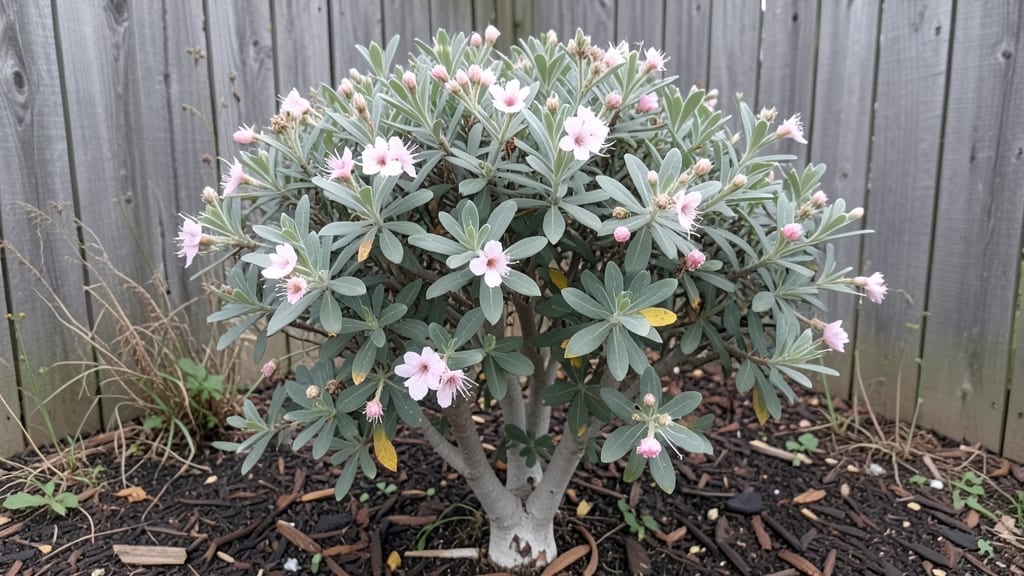
Pruning your coastal tea tree (Leptospermum laevigatum) isn’t just about shaping—it’s about unlocking its natural resilience. 🌿 After years of trial and error with my own shrub, I’ve found that three strategic cuts per year keep it lush, encourage blooms, and prevent that leggy, overgrown look that ruins the coastal charm.
The key? Timing each trim to match its growth cycles, not just your calendar.
Most gardeners mess this up by pruning too late in winter or too aggressively in summer.
My tree thrives when I make the first cut in early spring (just as new growth starts), the second after flowering in late summer, and a light maintenance trim in fall—never more than a third of the plant at once.
This keeps it compact, healthy, and ready to bounce back from coastal winds and salty air.
What you’ll end up with is a shrub that stays vibrant green year-round, with more fragrant white flowers and fewer bare stems. The best part? It’s drought-tolerant once established, so once you get the pruning rhythm right, it practically takes care of itself.
Think of it as giving your tea tree a spa day—it’ll reward you with thick, glossy foliage and those signature blooms.
Works for coastal gardens, inland landscapes, or even large containers—just adjust the timing slightly for hotter climates. Ready to transform your shrub from "meh" to "showstopper"? Let’s get those shears out and make it happen.
📚 In This Guide
- What you need
- Instructions
- Tips and common mistakes
- Wrapping up and next steps
What you need
- ● Pruning shears: Bypass pruners (sharp, clean, and sterilized with rubbing alcohol to prevent disease). Recommended: Felco F-2 or similar.
- ● Loppers: For thicker branches (up to 2" diameter). Look for bypass-style loppers with long handles for leverage.
- ● Pruning saw: Curved-tooth saw (e.g., Fiskars) for branches thicker than 2".
- ● Gloves: Heavy-duty gardening gloves (cut-resistant, like Mechanix or Dr. McGill’s).
- ○ Disposable pruning sealant: Optional but helpful for sealing larger cuts (e.g., Tree Topper’s or Tanglefoot).
- ● Bucket or tarp: For collecting debris (1–2 gallons or a 5’x7’ tarp).
- ● Hose or spray bottle: To clean tools and rinse cuts (if needed).
- ● Ladder or step stool: For reaching higher branches (ensure it’s stable and rated for your weight).
- ● Marking spray: Fluorescent paint or chalk to map out cuts before pruning.
- ● Disinfectant wipes: For quick tool sterilization between cuts (e.g., Clorox wipes).
- ● Compost bin or green waste bag: For repurposing pruned branches.
- ● Safety glasses: Protect your eyes from debris (especially when using a saw).
Step-by-Step guide to pruning coastal tea trees
Here’s how to keep your Leptospermum laevigatum thriving year-round with three simple pruning sessions.
🌿 Step 1: Light Pruning After Flowering (Late Summer)
After your tea tree finishes blooming—usually in late August to September—it’s time for the first cut. This is the moment that matters: removing spent flowers and shaping the plant prevents overcrowding and encourages next year’s blooms.
Start by deadheading faded flowers with clean, sharp pruners. Cut back to the nearest leaf node or small side branch—never leave stubs. I like to work in layers, removing about one-third of the oldest growth to open up the center. You’ll see new growth emerge within weeks, signaling the plant’s recovery.
Watch for leggy branches that stretch toward the light. These are weak and won’t flower well. Trim them back to a strong lateral branch or bud. If a branch is completely bare, cut it at the base—it’s not contributing to the plant’s health.
✂️ Step 2: Structural Pruning in Early Spring (Before New Growth)
Before the first flush of new leaves appears—typically in March or early April—prune to shape the tree and remove any damaged or crossing branches. This is the time to address any winter damage or overgrowth that happened during dormancy.
Start by removing any dead, diseased, or broken branches first. Cut back to healthy wood, making clean cuts at a 45-degree angle just above a bud or leaf node. Avoid cutting into old wood or you’ll risk dieback. For larger branches, thin out the center to improve airflow—this prevents fungal issues.
If your tea tree has become too wide, now’s the time to trim back the outer branches by about one-quarter. You’ll notice the plant’s natural shape re-emerge as you work, and the new growth will fill in any gaps beautifully.
🌱 Step 3: Maintenance Pruning Mid-Summer (After New Growth Hardens)
Once the new growth from spring has hardened off—usually by June or early July—give your tea tree a light trim to keep it tidy and encourage bushier growth. This isn’t about drastic changes but rather refining the shape and removing any straggly or misplaced branches.
Focus on trimming back any overly long shoots to maintain the plant’s natural form. Cut just above a leaf node or bud to encourage branching. Avoid heavy pruning now—you don’t want to stress the plant before winter. If you see any suckers or unwanted growth at the base, remove them completely.
Here’s the thing—this final pruning is about maintenance. You’ll see the plant fill out more evenly, and the flowers will be more abundant next season. It’s also a great time to check for any pests or early signs of disease, like yellowing leaves or sticky residue.
Tips & tricks for perfect coastal tea tree pruning
Keeping your Leptospermum laevigatum healthy isn't just about timing—it's about understanding how each cut affects next season's blooms. Here's what I've learned from years of pruning these stunning coastal shrubs.
The Timing Factor: Late August to September is your perfect window for Step 1 because that's when your tea tree has finished flowering. If you prune too early, you risk cutting off next year's flower buds that are already forming. I've seen people prune in July and end up with sparse blooms the following season—don't make that mistake!
Tool Technique: Always use clean, sharp pruners for all three steps. Dull blades crush stems instead of making clean cuts, which invites disease. After each cut, wipe your pruners with rubbing alcohol to prevent spreading any potential pathogens between branches. I keep a small bottle of alcohol in my gardening toolkit specifically for this purpose.
Visual Cues for Step 2: When making those 45-degree cuts in early spring, look for the small bump where a bud forms—this is your target. Cut just above it, leaving about 1/8 inch of space. This tiny detail makes all the difference in how your plant responds. If you cut too close to the bud, it won't grow properly; too far away and you'll leave an unsightly stub.
Seasonal Maintenance: During your mid-summer maintenance pruning, focus on removing only what's necessary—no more than 10-15% of the plant's total growth. This light approach encourages bushier growth without stressing the plant before winter. I've seen people over-prune in summer and end up with weak growth that never recovers in time for fall.
Pro Tips for Coastal Tea Tree Leptospermum Laevigatum
- Keeping your Leptospermum laevigatum healthy isn't just about timing—it's about understanding how each cut affects next season's blooms.
- The Timing Factor: Late August to September is your perfect window for Step 1 because that's when your tea tree has finished flowering.
- Tool Technique: Always use clean, sharp pruners for all three steps.
Frequently asked questions
When is the best time to prune my Coastal Tea Tree?
The ideal times are late winter to early spring (just before new growth starts) for a major shape-up, summer (after flowering) for light maintenance, and light trimming in fall to remove dead wood. Avoid heavy pruning in late fall—it stresses the plant before winter dormancy.
How much can I trim without harming the tree?
You can safely remove up to one-third of the foliage in a single session, but avoid over-pruning. For mature trees, focus on selective thinning (removing inward-growing branches) rather than drastic cuts. Younger trees tolerate more aggressive shaping—just avoid cutting into old wood.
What should I do if my Coastal Tea Tree isn’t flowering after pruning?
If flowering is sparse, check these fixes:
- Timing: Prune after blooms fade (never in late winter if flowers are still visible).
- Sunlight: Ensure it gets 6+ hours of sun daily—shady spots reduce blooms.
- Fertilizer: Use a low-phosphorus fertilizer (like 10-10-10) in early spring to encourage flowers, not foliage.
Can I use Coastal Tea Tree leaves for tea or medicinal purposes?
Yes! The leaves are edible and aromatic, often used in teas for their leptospermone (a mild antibacterial compound). Steep 1–2 tsp dried leaves in hot water for 5–10 minutes. However, avoid overconsumption—it can be mildly toxic in large amounts. Stick to occasional tea for benefits.
What’s the difference between pruning for shape vs. pruning for health?
| Shape Pruning | Health Pruning |
|---|---|
| Focuses on aesthetics—removing branches to create a desired form (e.g., rounded or tiered). | Targets dead, diseased, or crossing branches to improve airflow and reduce pests. |
| Best done in late winter/early spring or summer. | Can be done year-round when issues arise (e.g., removing fungal spots immediately). |
Pro tip: Combine both! Start with health cuts, then shape the remaining branches for a polished look.
Wrapping up and next steps
Pruning your Coastal Tea Tree (Leptospermum laevigatum) doesn’t have to be a daunting task—just a few strategic cuts can keep it thriving year-round! 🌿 By focusing on light shaping, deadwood removal, and seasonal rejuvenation, you’ll encourage lush growth, vibrant blooms, and a sturdy structure.
Whether you’re a pruning pro or just starting, these three cuts make maintenance simple and effective.
Ready to give your tree some love? Grab your tools, follow the steps, and enjoy the rewards! Next, why not explore companion plants to enhance your garden’s beauty and biodiversity? 🌸