
Pruning
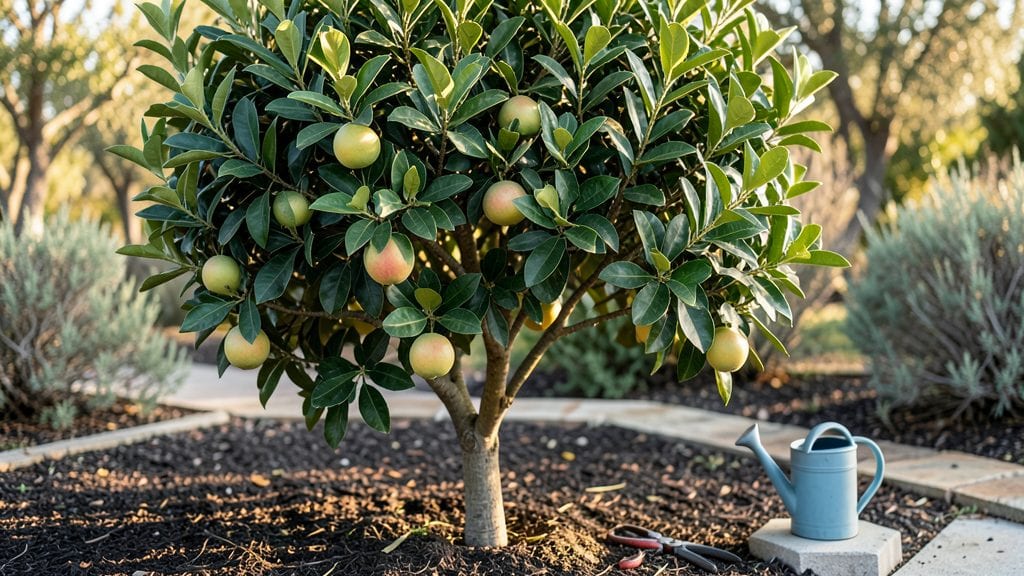
A cocktail grapefruit tree in your backyard isn’t just a pretty sight—it’s a year-round harvest of tart, aromatic fruit perfect for drinks and desserts. 🌱 I’ve pruned mine every winter for three seasons now, and the difference in fruit quality and yield is night-and-day.
The key isn’t just cutting branches; it’s shaping the tree to maximize sunlight, airflow, and energy for fruit production.
Most people over-prune or skip entirely, but this tree thrives with strategic cuts—removing dead wood, thinning crowded branches, and opening the center to sunlight. You’ll need sharp pruners, a ladder (for taller trees), and about 30 minutes in late winter when the tree is dormant.
The goal? A balanced shape with an open canopy that lets air circulate and fruit ripen evenly.
By spring, you’ll see new growth where you pruned, and by summer, that open structure means sweeter, larger fruit with fewer pests hiding in dense foliage. The tart-sweet balance of cocktail grapefruits shines when you can harvest them at peak ripeness—no more sour surprises.
Plus, the tree’s glossy leaves stay healthier, and you avoid the common issue of fruit dropping before it matures.
This method works for both container-grown trees and in-ground plants, though dwarf varieties need less aggressive pruning. Whether you’re dealing with a young sapling or a mature tree, the same principles apply—just scale the cuts. Ready to transform your tree into a fruit-producing powerhouse?
📚 In This Guide
- What you need
- Instructions
- Tips and common mistakes
- Wrapping up and next steps
What you need
- ● Pruning shears: Bypass pruners (sharp, 6–8" blades) for clean cuts on small branches.
- ● Loppers: 18–24" for thicker branches (up to 2" diameter).
- ● Pruning saw: Curved-tooth saw for branches over 2" thick.
- ● Disinfectant: 70% isopropyl alcohol or 10% bleach solution (1 part bleach to 9 parts water) to sterilize tools between cuts.
- ● Garden gloves: Heavy-duty, cut-resistant (size medium or large).
- ○ Tree wound sealant (optional): Pruning paste or beeswax to protect large cuts (½ cup jar).
- ● Extension pole: 6–8 ft (for high branches; attaches to loppers/saws).
- ● Ladder: Sturdy, 12–16 ft (if tree exceeds 10 ft tall).
- ● Trash bags: 3–5 heavy-duty bags (13-gallon size) for debris.
- ○ Marking twine or paint: To tag branches for removal (optional, for complex pruning).
- ● Water spray bottle: Small (for rinsing tools between cuts).
- ● Weather: Prune on a dry, overcast day (avoid wind or rain).
- ● Timing: Best done in late winter/early spring (before new growth) or summer (post-harvest).
- ● Safety gear: Safety glasses (to shield from debris).
- ● Tree health check: Inspect for pests/disease before pruning (treat if needed).
Step-by-Step pruning guide for your cocktail grapefruit tree
Mastering these cuts ensures fruit quality and tree health—no guesswork, just results.
🌿 Step 1: Time Your Cuts for Maximum Growth
Prune your cocktail grapefruit tree during its dormant season, which in most climates means late winter or early spring before buds swell. This timing prevents stressing the tree when it's actively fruiting and gives it time to heal before summer heat arrives. I always mark my calendar for February—just as the days start lengthening but before any new growth appears.
If you live in a warm climate where grapefruit trees never fully dormancy, prune after harvest in late summer. The key visual cue is no fresh leaves on the branches—this signals the tree is resting and can handle pruning. Never cut when flowers are present; you'll sacrifice that year's fruit.
✂️ Step 2: Remove Dead, Diseased, or Crossing Branches
Start by inspecting each branch for dead wood—it'll be dry, brittle, and snap easily when bent. Cut these out first using clean, sharp pruners at the branch collar where it meets the trunk. I make this cut at a 45-degree angle just outside the collar to prevent water from pooling and rotting the wound.
Next, look for branches that cross or rub against each other—they'll eventually create wounds where disease can enter. Remove the smaller of the two branches at its point of origin. You're sculpting the tree's shape while improving air circulation, which reduces fungal issues that plague citrus trees.
☀️ Step 3: Thin the Canopy for Sunlight Penetration
Step back and look at your tree's overall shape. The goal is an open center that lets sunlight reach all branches. Start by removing any branches growing inward toward the center of the tree. These shaded branches rarely fruit well and compete with stronger growth. I aim to keep the canopy no more than 12-15 feet wide for easy harvesting.
For each branch you remove, make your cut just above an outward-facing bud or leaf node. This encourages new growth in the direction you want. If you're unsure which way a branch will grow, leave it—better to err on the side of caution with citrus trees, which are sensitive to over-pruning.
🌱 Step 4: Shape for Fruit Production and Accessibility
Grapefruit trees bear fruit on current season's growth, so you want to encourage vigorous but controlled new growth. Prune to maintain a rounded canopy rather than a tall, narrow shape. Remove any vertical "water sprouts" that grow straight up—they're weak and rarely fruit.
Leave 3-4 main scaffold branches that radiate from the trunk like spokes on a wheel. These will become your tree's primary fruit-bearing structure. For each scaffold branch, keep its smaller branches pruned back to 12-18 inches in length to promote fruit development closer to where you can reach them.
💧 Step 5: Clean Up and Protect Your Tree
After pruning, rake up all debris and dispose of it away from the tree to prevent fungal spores from reinfecting your grapefruit. I always sterilize my pruners with 70% isopropyl alcohol between cuts to prevent spreading disease. For larger wounds over ½ inch thick, apply a thin layer of pruning sealant to protect against infection.
Water deeply 2-3 days after pruning to help the tree recover. You'll notice new growth emerging within 4-6 weeks if you've pruned correctly—the branches should look fuller and the tree's structure more open. This is your reward: a grapefruit tree that produces year-round with minimal effort.
Tips & tricks for perfect cocktail grapefruit tree pruning
Here's what I learned after years of trial and error with my own grapefruit tree—these tricks make all the difference between a healthy, fruit-bearing tree and one that struggles.
Timing is Everything: The February window in Step 1 isn't just arbitrary—it's when your tree's natural growth hormones are dormant but about to wake up. If you prune too early (December/January), you risk exposing fresh cuts to winter cold. If you wait too late (March/April), you'll stress the tree as it prepares to flower. I've missed this window twice and saw delayed fruiting both times—don't make my mistake! The "no fresh leaves" cue in warm climates is your best guide when seasons blur.
Tool Prep Matters: Before you even touch a branch in Step 2, sterilize your pruners with 70% isopropyl alcohol—this isn't optional. I learned this the hard way when a hidden infection spread through my tree after pruning. For larger cuts over ½ inch, that pruning sealant in Step 5 isn't just for show. Think of it like bandaging a wound—it prevents infections that can take years to show symptoms. I keep a small bottle of sealant in my gardening toolbox year-round for this exact purpose.
Visual Cues for Better Cuts: When thinning the canopy in Step 3, look for branches that grow at angles less than 45 degrees from vertical—they're competing with stronger growth. Also watch for branches with smaller leaves than the surrounding branches; these are often weaker and won't contribute much to fruit production. The 12-15 foot canopy width target in Step 3 is about accessibility too—you want fruit you can reach without a ladder for your signature cocktails!
Post-Pruning Care: That 2-3 day watering window in Step 5 is critical for recovery. I've seen trees stressed by pruning only to suffer from drought afterward. The 4-6 week growth timeline is your confirmation that everything went right—if you don't see new buds by then, you may have pruned too aggressively. Think of this period like physical therapy for your tree; proper care now means better fruit later.
Pro Tips for Cocktail Grapefruit Tree
- Here's what I learned after years of trial and error with my own grapefruit tree—these tricks make all the difference between a healthy, fruit-bearing tree and one that struggles.
- Timing is Everything: The February window in Step 1 isn't just arbitrary—it's when your tree's natural growth hormones are dormant but about to wake up.
- Tool Prep Matters: Before you even touch a branch in Step 2, sterilize your pruners with 70% isopropyl alcohol—this isn't optional.
Frequently asked questions
Got questions about your cocktail grapefruit tree?
Whether you're a pruning pro or just starting out, these answers will help you keep your tree thriving and fruitful. Let’s dive in!
When is the best time to prune a cocktail grapefruit tree?
The ideal time to prune is late winter or early spring (before new growth begins) or right after harvest in late summer. Avoid pruning during extreme heat or cold—this helps minimize stress and disease risk. Light shaping can be done year-round, but major cuts should wait for dormant seasons.
How much can I prune without harming the tree?
For young trees, limit pruning to 15-20% of the canopy per year to avoid shocking the plant. Mature trees can handle up to 30%, but focus on removing dead, diseased, or crossing branches first. Over-pruning can reduce fruit production, so think of it as sculpting—not a drastic haircut!
Will pruning affect my grapefruit harvest?
Pruning improves fruit quality and quantity in the long run by boosting airflow and sunlight penetration. However, heavy pruning in one season might temporarily reduce yield the following year. Balance is key—prioritize health over immediate fruit output. Patience pays off with bigger, sweeter grapefruits!
Can I use the same pruning techniques for other citrus trees?
Yes! Cocktail grapefruit trees share pruning principles with other citrus like lemons, oranges, or limes—focus on removing dead wood, thinning dense growth, and shaping for airflow. However, cocktail grapefruits are more cold-sensitive, so avoid aggressive pruning in winter if frost is a risk.
What should I do if my tree’s branches die after pruning?
If branches turn brown or wilt post-pruning, it could signal over-pruning, disease, or stress. Trim back further only if necessary, then monitor for pests (like scale) or fungal issues. Water deeply and avoid fertilizing until new growth appears. If large sections die, consult a local citrus specialist for targeted advice!
Wrapping up and next steps
Growing a thriving cocktail grapefruit tree is all about timing, technique, and a little patience!
By mastering the art of seasonal pruning—whether it’s light shaping in spring, summer thinning, or winter cleanup—you’ll unlock a year-round harvest of juicy, fragrant fruit perfect for cocktails, salads, or fresh eating. 🍊✨
Ready to take the next step? Grab your pruners, mark your calendar for the next pruning window, and watch your tree flourish. Your future grapefruit margaritas are waiting!