
Pruning
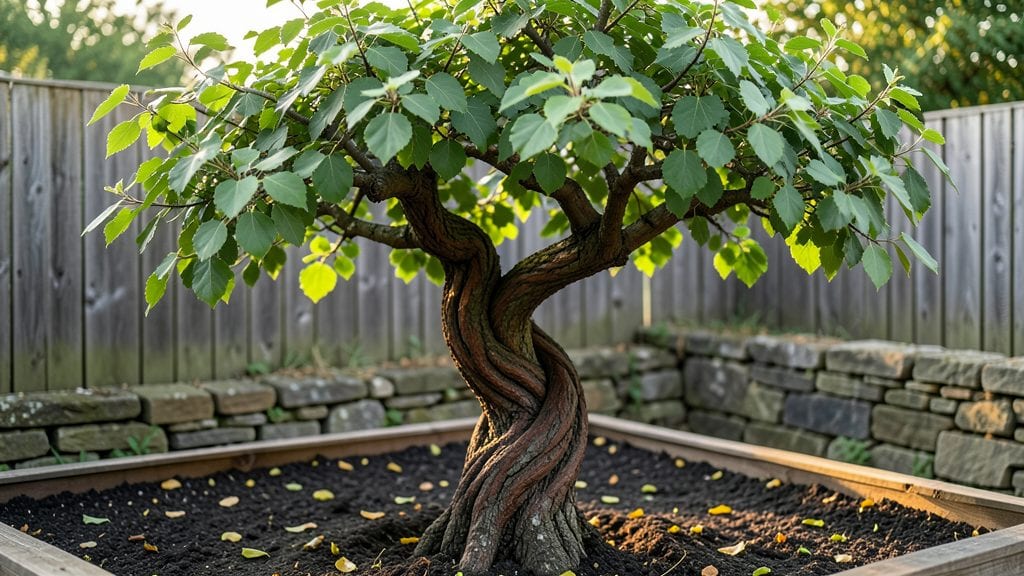
The contorted mulberry tree's twisted branches make it a standout in Pacific Northwest gardens, but pruning it right keeps those dramatic shapes thriving through winter.
I learned the hard way that aggressive cuts early on can ruin its natural silhouette—this tree rewards patience with a skeletal beauty that no other cultivar can match. The key is shaping during dormancy when the branches reveal their full contorted potential without the distraction of leaves.
You’ll need sharp pruning shears, a sturdy ladder for taller branches, and a clear day to assess the tree’s structure. Focus on removing only dead or crossing limbs—never more than 25% of the canopy at once.
The Pacific Northwest’s wet winters mean pruning too late can invite fungal issues, so aim for late winter before buds swell. This tree’s cold hardiness means it forgives mistakes, but its ornamental value depends on preserving that signature twisted form.
After pruning, you’ll see fresh green shoots emerge along the branches by spring, each one a testament to the tree’s resilience. The contorted mulberry’s bark develops striking textures over time, and with proper care, it becomes the centerpiece of your garden.
The best part? It produces edible berries too—though they’re small and tart, perfect for jellies or attracting birds. Just don’t expect a bountiful harvest like its non-contorted cousins.
Works beautifully in urban landscapes, mixed borders, or as a focal point near patios where its unique shape can be admired year-round. The Pacific Northwest’s mild winters make it an ideal choice for gardeners who want drama without the fuss of tropical plants.
Once established, it needs minimal care—just occasional watering in drought and annual pruning to maintain its signature silhouette.
📚 In This Guide
- What you need
- Instructions
- Tips and common mistakes
- Wrapping up and next steps
What you need
- ● Pruning shears: Bypass pruners (sharp, clean, and disinfected—think Felco F-2 or Gonicc G92 for precision). Quantity: 1 pair.
- ● Loppers: Heavy-duty bypass loppers (18–24" reach) for thicker branches. Example: Fiskars X27. Quantity: 1 pair.
- ● Pruning saw: Curved-tooth pruning saw (for branches >1.5" thick). Example: Bahco ERGO. Quantity: 1.
- ● Gloves: Heavy-duty, cut-resistant gloves (e.g., Wolverine Waffle Grip) to protect from thorns and sap. Quantity: 1 pair.
- ● Disinfectant: 70% isopropyl alcohol or bleach solution (1 part bleach to 9 parts water) to sterilize tools between cuts.
- ○ Pruning sealant: Tanglefoot Tree Wound Pruning Seal (optional but helpful for large cuts >0.5" diameter).
- ● Ladder or step stool: Sturdy, non-slip (e.g., Little Giant or Worx WL300) for higher branches. Height: At least 12–14 ft.
- ● Trash bags: Heavy-duty (30+ gallon) for debris. Quantity: 2–3.
- ● Hand saw: For stubborn, oversized branches (e.g., Fiskars X7).
- ● Pole pruner: Extendable (10–15 ft) for high branches without a ladder.
- ● Sharpener: Felco file set to keep blades razor-sharp mid-project.
- ● Safety gear: Safety glasses (e.g., Pyramex) and ear protection if using a chainsaw (for very large trees).
- ● Notebook & pencil: To sketch pruning plans or track branch IDs.
- ● Timing: Prune dormant branches in late winter/early spring (before buds swell) or summer (after fruiting). Avoid pruning in fall—it invites disease! 🌡️
- ● Weather: Choose a dry, calm day (no rain forecast for 24+ hours).
- ● Safety first: Wear closed-toe shoes and avoid working alone if the tree is over 20 ft tall.
- ● Tool prep: Sharpen blades before starting—dull tools tear bark, stressing the tree. ✨
How to prune a contorted mulberry tree for Pacific Northwest climates
This tree thrives in cold winters and hot summers—here’s how to shape it beautifully while keeping it healthy.
Time Your Pruning for Best Growth
Prune your contorted mulberry tree late winter to early spring, just as buds begin to swell but before new growth starts. This timing ensures you remove dead wood while encouraging strong spring growth. In the Pacific Northwest, late February to early March is ideal—avoid pruning in fall, as new growth won’t harden off before winter.
If you notice broken or diseased branches at any time, remove them immediately. The tree’s contorted, layered branches are its signature, so avoid heavy pruning that disrupts its natural shape. Focus on cleaning up rather than reshaping unless absolutely necessary.
Remove Dead, Diseased, or Crossing Branches
Start by inspecting the tree for dead, diseased, or crossing branches. Dead wood is easy to spot—it’s brittle, lacks bark, or snaps when bent slightly. Diseased branches may have discolored leaves, oozing sap, or fungal growth. Use clean, sharp pruners to make cuts just outside the branch collar (the swollen area where the branch meets the trunk).
Crossing branches rub against each other, creating wounds that invite disease. Remove one of the branches at its point of origin, cutting back to a healthy bud or lateral branch. Never leave stubs—this weakens the tree and slows healing. If a branch is too thick to cut by hand, use a pruning saw for clean cuts.
Thin Out Overcrowded Areas
The contorted mulberry’s twisted branches create a stunning, layered effect, but overcrowding can lead to weak growth. Look for areas where branches grow too close together, blocking sunlight and air circulation. Select the smallest, weakest branch in each cluster and remove it at its base. This opens the canopy, allowing light to reach the center of the tree.
Resist the urge to prune more than 25% of the tree’s total foliage in one season. Heavy pruning stresses the contorted mulberry, especially in the Pacific Northwest’s damp climate. If you must prune more, spread it over two years to avoid shock. Always step back and admire the tree’s natural shape—its contorted form is its beauty.
Shape Lightly to Enhance the Contorted Form
While contorted mulberry trees don’t need heavy shaping, you can lightly trim to emphasize their unique structure. Focus on branches that grow too upright or sprawl awkwardly. Cut just above a bud facing the direction you want growth to continue. Avoid cutting back to old wood unless necessary—this encourages vigorous but less attractive growth.
Use your pruners to shorten only the tips of overly long branches, leaving the contorted twists intact. The goal is to maintain the tree’s natural silhouette while keeping it balanced. In the Pacific Northwest, where winds can be strong, avoid over-thinning the outer branches—this helps the tree resist storm damage.
Clean Up and Protect the Tree
After pruning, remove all debris from the ground beneath the tree to prevent disease and pests. Sterilize your pruners with rubbing alcohol or a 10% bleach solution to kill any lingering pathogens. Apply a layer of mulch (2–3 inches thick) around the base, keeping it 6 inches away from the trunk to prevent rot.
Water the tree deeply after pruning to help it recover, especially if you’ve removed a significant amount of foliage. Monitor the tree over the next few weeks for signs of stress, such as wilting or yellowing leaves. If you notice new growth emerging from unexpected places, it’s a sign the tree is healing well—just another part of its resilient nature.
Tips & tricks for pruning contorted mulberry trees
Here's what nobody tells you—these insights will help you prune like a pro while keeping your Pacific Northwest contorted mulberry thriving.
Timing is Everything: The late winter to early spring window (late February to early March) is non-negotiable for contorted mulberries. This timing aligns perfectly with the tree's natural dormancy period, allowing you to remove dead wood without stimulating new growth that might not harden off before winter. In the Pacific Northwest's unpredictable climate, I always check for bud swell—when you see those tiny green buds forming, that's your cue to start pruning. Confession: I skipped this timing once and ended up with weak spring growth that struggled through our damp summers.
Branch Selection Strategy: When thinning overcrowded areas in Step 3, focus on removing the smallest, weakest branch in each cluster. This might seem counterintuitive—why not take the biggest?—but smaller branches are often more vigorous and will compete with their neighbors for sunlight and nutrients. I've learned the hard way that removing larger branches can create awkward gaps in that beautiful contorted pattern. Always step back and admire the tree's natural shape before making cuts—sometimes no pruning is the best option.
Cutting Technique Matters: The branch collar—the swollen area where the branch meets the trunk—is your guide for clean cuts. Make your cut just outside this collar, never flush with it. This ensures the tree can seal the wound properly. I've seen too many pruning jobs where people leave stubs, which create perfect entry points for disease. For thick branches that require a pruning saw, take your time—rushing can cause tears in the bark that take years to heal.
Pacific Northwest Considerations: Our region's damp climate means pruning wounds take longer to heal. To minimize stress, never remove more than 25% of the tree's foliage in one season. If you must do more, spread it over two years. After pruning, I always apply a 2-3 inch layer of mulch around the base (keeping it 6 inches away from the trunk) to help retain moisture and regulate soil temperature—critical for recovery in our cool, wet springs.
Pro Tips for Contorted Mulberry Tree
- Here's what nobody tells you—these insights will help you prune like a pro while keeping your Pacific Northwest contorted mulberry thriving.
- Timing is Everything: The late winter to early spring window (late February to early March) is non-negotiable for contorted mulberries.
- Branch Selection Strategy: When thinning overcrowded areas in Step 3, focus on removing the smallest, weakest branch in each cluster.
Frequently asked questions
Got questions about pruning your contorted mulberry tree? You’re not alone! Here are some of the most common queries from gardeners in the Pacific Northwest—and how to tackle them.
When is the best time to prune a contorted mulberry tree?
The ideal time is late winter to early spring (February–March), just before buds swell but before new growth starts. This timing minimizes stress and disease risk. Avoid pruning in fall—it can stimulate tender new growth vulnerable to frost. For light shaping, you can also prune in early summer after fruiting.
How much can I trim back a contorted mulberry tree?
You can safely remove up to 25–30% of the tree’s total foliage in a single session to maintain health. For dramatic reshaping, spread pruning over 2–3 years, focusing on dead, crossing, or overcrowded branches first. Avoid heavy pruning (over 30%)—it can stress the tree and reduce fruit production.
Will pruning affect my mulberry harvest?
Pruning can impact fruit yield—but strategically! If you prune too aggressively (especially in spring), you might see fewer berries that year. To balance shape and fruit, prioritize removing old, unproductive wood (over 5 years old) and thinning dense growth. Young trees (under 3 years) should be pruned lightly to encourage fruiting branches.
Can I prune a contorted mulberry in rainy PNW weather?
While the PNW’s damp climate doesn’t stop pruning, timing matters. Prune on dry days to let wounds heal faster. If rain is forecasted within 24 hours, delay until conditions improve. Always sterilize tools with rubbing alcohol to prevent fungal infections—common in wet climates.
What if my contorted mulberry looks “contorted” but isn’t fruiting?
If your tree’s signature twisted branches aren’t producing berries, it might be too young, underfed, or stressed. Check these fixes:
- Age: Mulberries often take 3–5 years to fruit.
- Sunlight: Ensure it gets 6+ hours of sun daily—shady spots reduce fruit.
- Soil: Amend with compost for better nutrient uptake.
- Pruning: Avoid over-trimming fruiting branches (look for clusters at branch tips).