
Pruning
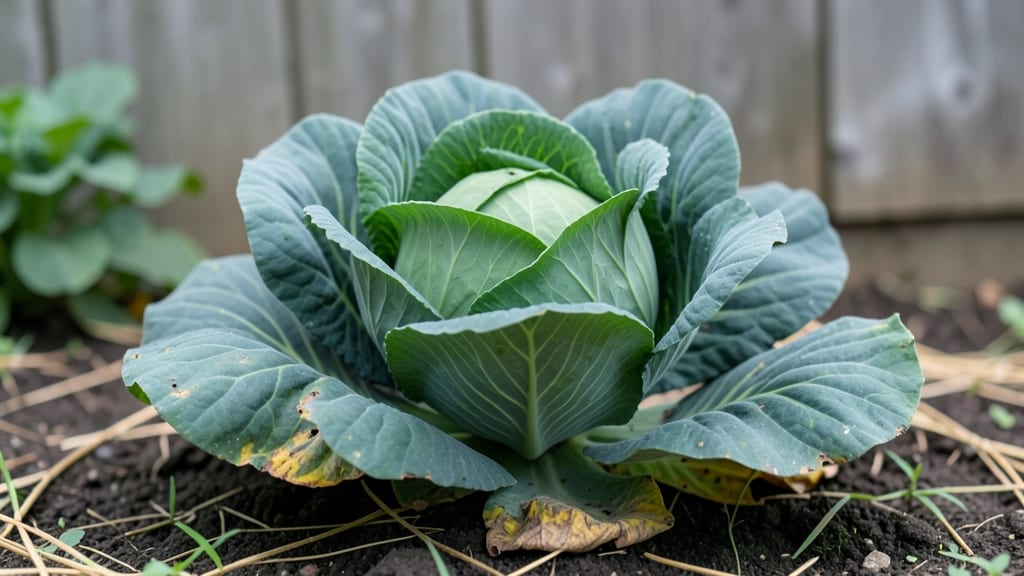
Pruning your cordyline cabbage tree transforms it from a wild, leggy mess into a showstopping focal point—especially when those Pacific Northwest frosts roll in. I’ve watched mine go from scraggly to sculpted after just one strategic cut, and the difference is night-and-day when spring arrives.
The key isn’t just hacking away, but understanding when to prune and how to shape it so the new growth fills in neatly before winter’s chill sets in.
You’ll need sharp bypass pruners, rubbing alcohol for sterilizing cuts, and a clear day to avoid soggy wood. The best time is late winter or early spring, right before fresh shoots emerge—this gives the tree time to heal before summer’s heat.
For frosty climates like ours, a little extra care means your cabbage tree stays compact and upright, not flopping over like a drunk palm after a storm.
After pruning, you’ll see bold, glossy new leaves shooting up within weeks, and the plant’s natural shape—whether you go for a tapered vase form or a bushy, rounded look—will become obvious. The older, bare stems stay sturdy, adding texture, while the fresh growth adds vibrant color.
It’s like giving your tree a fresh haircut, but one that actually makes it look better.
Works for both container gardens and in-ground plantings, and the same principles apply whether you’re shaping a single specimen or a row of them. Once you’ve done it once, you’ll wonder why you didn’t start sooner—your neighbors will too.
📚 In This Guide
- What you need
- Instructions
- Tips and common mistakes
- Wrapping up and next steps
What you need
- ● Bypass pruners – Sharp, clean (1 pair) for clean cuts on smaller stems.
- ● Loppers – Heavy-duty (1 pair, 8–10”) for thicker branches (up to 2” diameter).
- ● Hand saw – Pruning saw (1, 10–12”) for stubborn, larger growth.
- ● Disinfectant – 70% isopropyl alcohol or horticultural spray (small bottle) to sterilize tools.
- ● Gloves – Heavy-duty gardening gloves (1 pair) to protect from thorns and sap.
- ● Ladder or step stool – Sturdy (if tree exceeds 6’) for safe reach.
- ● Trash bags or bucket – For collecting clippings (1–2 large bags/bucket).
- ● Rag or paper towels – For wiping tools between cuts.
- ○ Sealing wax – For large cuts (optional, if tree is frost-sensitive).
- ● Plant food – Balanced fertilizer (e.g., 10-10-10) post-pruning to boost recovery.
- ● Spray bottle with water – To dampen dusty cuts and reduce stress.
- ● Camera or sketchpad – To map out your pruning plan before starting!
- ● Check the weather: Prune on a dry, overcast day to avoid stressing the tree.
- ● Timing: Best done in early spring (March–April) or after flowering (late summer).
- ● Safety first: Wear closed-toe shoes and avoid pruning near power lines.
- ● Know your tree: Identify dead, diseased, or crossing branches to prioritize.
Step-by-step guide to pruning your cordyline cabbage tree
Here’s how to shape your frost-hardy cabbage tree for year-round Northwest beauty.
Choose the Right Time for Pruning
Prune your cordyline in early spring, just as new growth begins to emerge. This timing ensures you remove last year’s growth before the plant puts energy into fresh foliage. Avoid pruning in fall or winter—cold stress makes cuts heal poorly, and new growth won’t have time to harden off before frost.
Look for tender green buds at the base of stems—these signal the plant’s readiness. If you prune too early, you risk cutting back growth that hasn’t yet started. If you wait too late, you’ll sacrifice next season’s foliage. Early spring is your sweet spot.
Assess and Remove Dead or Damaged Foliage
Start by inspecting your cordyline for brown, crispy, or hollow stems—these are dead and should be cut at the base with clean, sharp pruners. Next, look for yellowing leaves or stems with less than half their leaves remaining. These are signs of stress or age and can be trimmed back to a healthy node (a small bump where leaves once grew).
Don’t skip this step—removing dead material prevents disease and pests from taking hold. If a stem is completely hollow or mushy when you cut it, it’s beyond saving. Your goal is to open up the plant’s center for airflow and light, which encourages new, vibrant growth.
Shape the Plant for Balance and Structure
Step back and evaluate the plant’s overall shape. Cordylines thrive with a tapered, layered look—think of a natural tree silhouette. Start by trimming back any overly long or leggy stems to just above a leaf node. This encourages branching and a fuller appearance.
For a more dramatic effect, you can reduce taller stems by up to one-third in one pruning session. Focus on stems that are growing outward or upward too aggressively. Use your pruners at a 45-degree angle just above a leaf node to promote new side shoots. Avoid cutting into old wood—always leave a healthy node to regenerate.
Clean Up and Encourage New Growth
After pruning, remove all fallen leaves and clippings from the base of the plant to prevent rot and pests. If you notice any sticky residue or sap on the cuts, wipe it away with a damp cloth—this sap can attract insects if left unattended.
Once pruned, your cordyline will focus its energy on producing fresh foliage. Within 4-6 weeks, you’ll see new shoots emerging from the nodes you cut. To support this growth, apply a balanced, slow-release fertilizer in early spring. Water deeply after pruning to help the plant recover and establish new roots.
Protect Against Late Frost (PNW-Specific)
Since cordylines are frost-tolerant but not frost-proof, monitor your pruned plant for late spring frosts, which can still damage tender new growth. If a frost warning is issued, cover the plant with a lightweight frost cloth or move potted specimens to a sheltered location.
Once the danger of frost has passed, remove any protective coverings during the day to allow sunlight to reach the plant. Your cordyline will reward you with bold, colorful foliage by midsummer—proof that a little pruning goes a long way in the Pacific Northwest’s climate.
Tips & tricks for perfect cordyline cabbage tree pruning
Here’s what I’ve learned from years of shaping these resilient Northwest plants—these details make all the difference between a good prune and a showstopper.
Timing is Everything: Early spring is your only window for pruning cordylines, but not all early springs are created equal. Look for those tender green buds at the base of stems—they’re your green light to start. If you’re in a cooler Pacific Northwest microclimate, wait until after the last frost date in your area. I’ve seen plants struggle when pruned too early, so don’t rush—patience here prevents stress on your plant.
The 45-Degree Angle Secret: When you’re shaping those leggy stems in Step 3, that 45-degree angle isn’t just aesthetic—it’s functional. Cutting at this angle increases the surface area for water absorption and reduces the risk of water pooling in the cut. Always cut just above a leaf node (that little bump where leaves used to be), and never cut into old wood. I’ve made the mistake of cutting too low, and those stems never regenerated properly.
Clean Cuts Prevent Problems: Your pruners should be as sharp as possible—dull blades crush stems instead of making clean cuts, which invites disease. After each cut, wipe your pruners with rubbing alcohol to prevent spreading any potential pathogens. And here’s a trick I learned the hard way: if you notice sticky sap on your cuts, wipe it away immediately. That sap attracts insects, and you don’t want to turn your pruning session into a pest party.
Frost Protection Matters: While cordylines are frost-tolerant, new growth after pruning is particularly vulnerable. Keep that lightweight frost cloth handy—it’s your best defense against late spring frosts that can damage tender shoots. I’ve seen pruned plants go from vibrant to wilted in a single night when caught by surprise frost. If you’re growing potted cordylines, move them to a sheltered spot or even indoors temporarily during frost warnings.
Pro Tips for Cordyline Cabbage Tree
- Here’s what I’ve learned from years of shaping these resilient Northwest plants—these details make all the difference between a good prune and a showstopper.
- Timing is Everything: Early spring is your only window for pruning cordylines, but not all early springs are created equal.
- The 45-Degree Angle Secret: When you’re shaping those leggy stems in Step 3, that 45-degree angle isn’t just aesthetic—it’s functional.
Frequently asked questions
Got questions about pruning your cordyline cabbage tree in the Pacific Northwest? You’re not alone! Here are answers to the most common concerns—from timing to troubleshooting—to keep your tree thriving even after frost.
When is the best time to prune my cordyline cabbage tree?
Prune your cordyline in late winter or early spring (February–March) before new growth begins. This timing avoids frost damage while giving your tree energy to recover. Never prune in fall—it stresses the plant before winter dormancy. For heavy shaping, split pruning into two sessions: first to remove dead growth, then again in spring for aesthetics.
Can I prune my cordyline after frost damage?
Yes! Frost can blacken or crisp leaves, but don’t panic—cordylines are resilient. Wait until after the last frost (usually April in the PNW) to prune damaged foliage. Cut back to healthy green tissue or bare stems. Pro tip: If the center rots, remove it entirely to encourage new shoots from the base.
How much can I trim without harming the tree?
You can safely remove up to 1/3 of the foliage in one session, but avoid over-pruning. For mature trees, focus on selective thinning to improve airflow. If you cut too aggressively, the tree may produce fewer flowers or grow slowly. For young trees, limit pruning to shaping—never remove more than 10–15% of the plant at once.
What if my cordyline won’t regrow after pruning?
If your tree looks completely bare after pruning, don’t worry—cordylines often send up new shoots from the base. Ensure it gets bright, indirect light and well-draining soil. If no growth appears by mid-summer, check for root rot (soggy soil) or pests (like scale). Adjust care and monitor for new suckers emerging at the base.
Are there alternatives to pruning for shaping my cordyline?
Yes! If you prefer minimal pruning, try selective leaf removal to open up the canopy or tie stems to a trellis for a natural, cascading look. For formal shapes, use copper wire to gently guide new growth (remove before it cuts into stems). Just remember: Pruning is the fastest way to reshape—but patience pays off!
| Quick Troubleshooting Guide |
|---|
|
Wrapping up and next steps
The cordyline cabbage tree is a standout Pacific Northwest favorite—its striking foliage and frost resilience make it a must-have for any landscape. With the right pruning techniques, you can keep it thriving, encourage lush growth, and even shape it into a stunning focal point.
Whether you’re trimming for health, aesthetics, or both, the key is patience and precision!
Ready to give your tree a fresh look? Grab your tools, follow the steps, and enjoy the transformation! 🌿✨ Next up: Watch your cordyline flourish with seasonal care and admire your green thumb’s work!