
Pruning
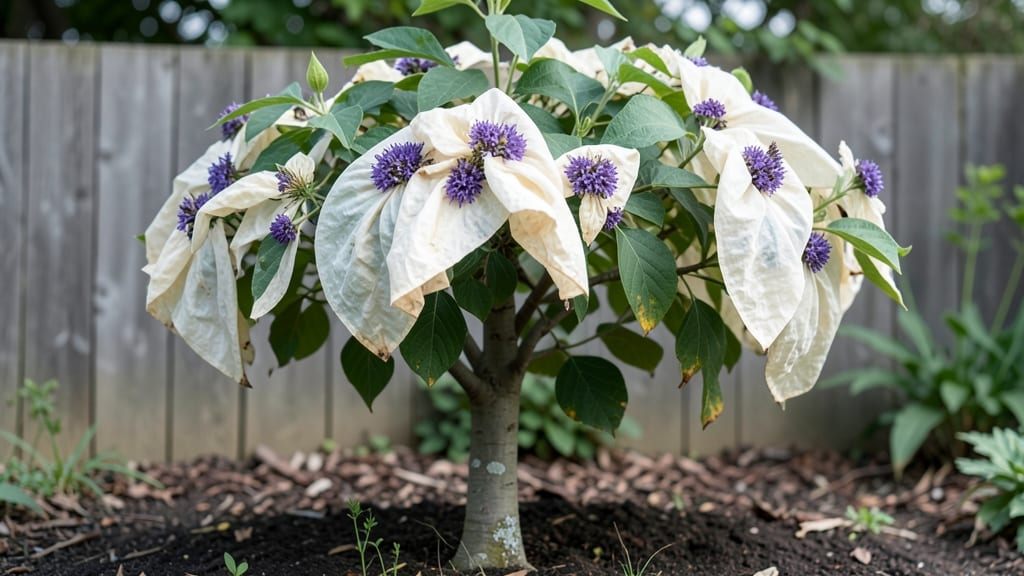
The Davidia involucrata tree, with its dreamy handkerchief-like blooms, thrives in the Pacific Northwest’s damp winters—if you prune it right. I’ve wrestled with this finicky beauty for years, and the secret to keeping it lush and blooming isn’t complicated: it’s about timing, structure, and a little patience.
The right cuts in late winter or early spring unlock those iconic white bracts that look like they’re floating in midair.
This tree loves morning sun and afternoon shade, rich but well-draining soil, and consistent moisture—especially in its first few years. The real magic happens when you prune to encourage an open, vase-like shape, letting light and air circulate.
I’ve seen gardeners over-prune and end up with a bare skeleton or under-prune and watch the branches tangle into a chaotic mess. The goal? A balanced silhouette that showcases those stunning blooms without sacrificing next year’s growth.
By summer, you’ll be rewarded with clusters of edible fruit (though they’re tart and best for wildlife) and velvety leaves that turn golden in fall. The tree’s slow but steady growth means it’s a long-term investment—think 20 years of drama—but the payoff is worth it.
With the right pruning rhythm, you’ll have a showstopper that’s as resilient as it is beautiful, even when winter rolls in.
Whether you’re shaping a young sapling or cleaning up an established tree, the principles stay the same: prune for light, shape for structure, and never rush the process.
The Pacific Northwest’s climate is kind to this tree if you give it the care it deserves—and trust me, those blooms make every cut worthwhile.
📚 In This Guide
- What you need
- Instructions
- Tips and common mistakes
- Wrapping up and next steps
What you need
- ● Pruning shears: Bypass pruners (sharp, 6–8" blades) for small branches.
- ● Loppers: 18–24" for thicker branches (2–4" diameter).
- ● Pruning saw: Curved-tooth saw for branches >4" thick.
- ● Disinfectant: 70% isopropyl alcohol or pruning sealant (for cuts >1").
- ● Gloves: Heavy-duty leather gloves (protects from thorns and sap).
- ● Pruning bag: 5–10 gallon capacity (for debris cleanup).
- ○ Extension pole: Optional (for high branches, 6–10 ft).
- ● Step ladder: Sturdy, 10–12 ft (if tree exceeds 15 ft).
- ● Marking twine: For tagging branches to remove (if planning ahead).
- ● Sharpening stone: For maintaining tool edges.
- ● Safety gear: Goggles (to protect from debris) and ear protection (if using a chainsaw for large limbs).
- ● Check weather: Prune on a dry, overcast day (avoid frost or rain within 24 hours).
- ● Know your tree’s age: Mature trees (10+ years) need light pruning; younger trees benefit from structural shaping.
- ● Review your goals: Decide if you’re pruning for bloom enhancement, safety, or tree health.
- ● Gather a friend: Two people are safer for large branches (one to stabilize, one to cut).
Step-by-Step pruning guide for Davidia involucrata trees
Mastering this technique ensures your handkerchief tree thrives in Pacific Northwest winters while producing stunning year-round blooms.
Time Pruning for Optimal Growth
Prune your Davidia involucrata in late winter or early spring, just as new growth begins but before buds swell. This timing prevents frost damage while encouraging vigorous spring flushes. Avoid pruning in fall—new growth won’t harden off before winter, leaving branches vulnerable to cold snaps.
If you must prune in summer, do so immediately after flowering to avoid cutting off next year’s blooms. The tree’s natural dormancy period in winter makes late winter the ideal window for structural shaping. Watch for swollen buds—that’s your signal to start pruning.
Remove Dead, Diseased, or Weak Branches
Begin by inspecting the tree for dead wood, crossing branches, or limbs growing inward—these compete for energy and create entry points for disease. Use clean, sharp pruners to make cuts just outside the branch collar (the swollen area where the branch meets the trunk). Never leave stubs, as they invite decay.
Look for branches with peeling bark, fungal growth, or hollow centers—these should be removed entirely. Thin out crowded areas to improve airflow, which is critical in the Pacific Northwest’s damp climate. A well-aerated canopy reduces the risk of powdery mildew and other fungal issues.
Shape for Balance and Light Penetration
Step back and assess the tree’s natural form. Davidia involucrata has a graceful, vase-like shape—prune to enhance this silhouette. Remove suckers at the base and water sprouts (fast-growing vertical shoots) to redirect energy to the main structure. Use a 3:1 ratio when thinning: remove larger branches first to maintain balance.
Focus on opening the center of the tree to allow light to reach lower branches. This encourages blooming along the entire canopy, not just the outer edges. Avoid heavy pruning—never remove more than 25% of the foliage in a single season, or you risk shocking the tree. Prune selectively to preserve the tree’s natural elegance.
Refine for Year-Round Interest
After structural pruning, refine the tree’s appearance by lightly trimming leggy branches to encourage bushier growth. Cut back overlong shoots by one-third to promote denser foliage and more abundant blooms. The goal is to maintain a rounded, layered look that showcases the tree’s iconic "handkerchief" flowers.
Pay special attention to branches that rub against each other—these should be pruned to prevent bark damage. In mature trees, you can also lift lower branches to create a cleaner trunk and improve access for future maintenance. Finish by removing any seed pods that appear after flowering to reduce litter and redirect the tree’s energy into new growth.
Post-Pruning Care for Pacific Northwest Conditions
After pruning, water deeply to help the tree recover, especially if the previous season was dry. Apply a 2-3 inch layer of mulch (using the 4 cubic feet of mulch from your materials) around the base, keeping it 6 inches away from the trunk to prevent rot. This protects roots from winter frosts and summer heat.
Monitor the tree for new growth in spring—a sign it’s recovering well. If you notice yellowing leaves or wilting branches, adjust watering or check for pests like scale insects, which are common in Davidia. A light application of neem oil (if needed) can help manage infestations without harming the tree’s delicate foliage.
Tips & tricks for perfect Davidia involucrata pruning
Here's what nobody tells you about transforming your handkerchief tree into a Pacific Northwest showstopper—these are the details that separate a good pruning from a truly stunning one.
Timing is Everything: The late winter to early spring window is non-negotiable for Davidia involucrata. I've seen trees struggle after fall pruning because new growth simply can't harden off before winter's first frost. If you must prune in summer, do it immediately after flowering—never later, or you'll sacrifice next year's iconic blooms. Watch for those swollen buds as your precise cue to begin.
Precision Cutting Technique: When removing branches in Step 2, focus on the branch collar—the swollen area where the branch meets the trunk. Cut just outside this collar using clean, sharp pruners, and never leave stubs. I learned this the hard way after watching a tree develop decay from improper cuts. For larger branches, consider using a three-step cutting process to prevent tearing: make the first cut about 6 inches out, then the second cut just outside the branch collar, and finally remove the remaining stub.
Light Management Strategy: The 3:1 thinning ratio mentioned in Step 3 is crucial for maintaining that graceful vase shape. Start by removing larger branches first—this preserves the tree's natural balance while opening the canopy. I've found that focusing on light penetration to lower branches often results in more abundant blooms throughout the entire tree, not just at the outer edges. This is particularly important in the Pacific Northwest's damp climate where shade can promote fungal issues.
Post-Pruning Recovery: After completing your pruning, don't skip the deep watering and mulching steps in Step 5. I've seen trees recover beautifully when given this post-pruning care, especially after removing significant foliage. The 2-3 inch layer of mulch (applied 6 inches from the trunk) creates an insulating barrier that protects roots from both winter frosts and summer heat waves. This simple step can make all the difference in your tree's long-term health.
Pro Tips for Davidia Involucrata Tree
- Here's what nobody tells you about transforming your handkerchief tree into a Pacific Northwest showstopper—these are the details that separate a good pruning from a truly stunning one.
- Timing is Everything: The late winter to early spring window is non-negotiable for Davidia involucrata.
- Precision Cutting Technique: When removing branches in Step 2, focus on the branch collar—the swollen area where the branch meets the trunk.
Frequently asked questions
How cold can Davidia involucrata tolerate?
The Davidia involucrata is famously frost-resistant, handling temperatures down to -15°F (-26°C) once established. Young trees (under 5 years) may need winter protection like burlap wraps or mulch. In extreme freezes, new growth can scorch, but the tree’s hardy roots bounce back—just prune damaged branches in early spring!
When’s the best time to prune for blooms?
Prune Davidia involucrata right after flowering (late spring) to avoid cutting off next year’s blooms. Light shaping is fine, but avoid heavy pruning—this tree blooms on old wood. For frost-damaged branches, wait until early spring (March-April) to trim dead growth. Pro tip: Use sterilized tools to prevent disease!
Why aren’t my Davidia leaves green?
Yellow or purple leaves often signal nutrient deficiencies (like iron or nitrogen) or overwatering. Test soil pH (ideal: 5.5–6.5)—acidic soil helps prevent chlorosis. Amend with compost or chelated iron if needed. Davidia prefers well-draining soil; soggy roots can turn leaves yellow. Adjust watering to keep soil moist but not waterlogged!
Can I grow Davidia involucrata in containers?
While possible, Davidia is a large tree (30–50 ft tall) and struggles in containers long-term. If you’re set on potted growth, choose a 50+ gallon container with drainage and repot every 2–3 years. Expect slower growth and fewer blooms. For most, planting in the ground is ideal—its roots thrive with space!
Are there pest problems I should watch for?
Davidia involucrata is relatively pest-resistant, but watch for scale insects or spider mites on young leaves. Treat infestations early with horticultural oil or insecticidal soap. Birds love the seeds! If squirrels or deer bother your tree, use physical barriers (like tree guards) during budding season (spring).
How do I encourage more blooms?
Blooms thrive with full sun (6+ hours/day) and regular pruning after flowering. Avoid fertilizing heavily—Davidia prefers moderate fertility. Mulch annually to retain moisture, and water deeply during droughts. Bonus: Mature trees (10+ years) produce the most dramatic blooms—patience pays off!
Wrapping up and next steps
The Davidia involucrata—or "handkerchief tree"—is a stunning gem of the Pacific Northwest, offering year-round beauty with minimal fuss. With the right pruning techniques, you can enhance its blooms, maintain its shape, and ensure frost resilience for decades of enjoyment.
Whether you're a seasoned gardener or just starting, this tree rewards patience with its breathtaking, dove-like flowers and lush foliage.
Ready to transform your garden? Start small: pick one season to practice pruning, then gradually expand your skills. Your future self—and your tree—will thank you! 🌿✨