Pruning
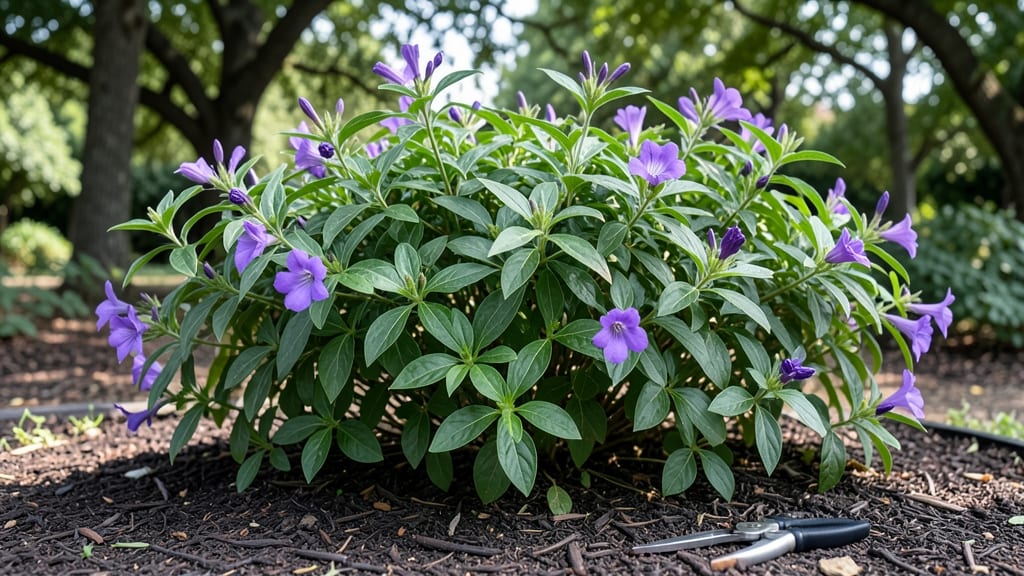
Transforming your patio into a sun-resistant privacy oasis starts with a duranta patio tree—that vibrant, fast-growing shrub with clusters of purple-blue berries and glossy foliage that thrives in full sun. 🌿 I planted mine three years ago, and it now stands as a 6-foot-tall living wall, blocking nosy neighbors while adding year-round color.
The best part? It handles heat, drought, and even urban smog better than most ornamental shrubs.
Duranta works best in well-drained soil and full sun, making it perfect for small patios, balconies, or as a focal point near seating areas. Pair it with drought-tolerant companions like lantana or salvia for a low-maintenance, high-impact design.
Prune lightly in late winter to shape it, and watch it fill out quickly—no fuss, just lush greenery and seasonal blooms that attract hummingbirds.
By year three, you’ll have a privacy screen that’s both functional and stunning, with glossy leaves that stay vibrant even in summer’s harshest rays. The berries add a pop of color in fall, and the fragrance of its summer flowers makes outdoor lounging even more inviting.
Whether you’re shielding a seating nook or creating a cozy corner, this tree delivers results without the upkeep of traditional hedges.
Works equally well in containers for renters or as a hedge along property lines. The key is consistent watering for the first year, then letting it fend for itself.
Once established, it’s nearly indestructible—ideal for busy gardeners who want beauty without the hassle. Ready to turn your patio into a sunproof retreat?
📚 In This Guide
- What you need
- Instructions
- Tips and common mistakes
- Wrapping up and next steps
What you need
- ● Duranta erecta (Skyflower) saplings: 3–5 plants (spaced 3–4 feet apart for full coverage in 3 years). Choose healthy, 1–2 ft tall nursery-grown plants.
- ● High-quality potting mix: 10–15 gallons (or a 50-lb bag for multiple plants). Opt for a well-draining blend with perlite or sand.
- ● Organic fertilizer: Slow-release 10-10-10 or compost (1 lb per plant) to kickstart growth.
- ● Pruning tools: Bypass pruners (for small branches)
- ● Loppers (for thicker stems, 1–2 inches in diameter)
- ● Hand saw (for stubborn, mature branches)
- ● Mulch: 2–3 inches of shredded bark or wood chips (spread in a 2–3 ft radius around each plant).
- ● Stakes & ties: 3–4 bamboo stakes (2 ft tall) and soft garden twine per plant (for support during early growth).
- ● Garden gloves (cut-resistant for pruning)
- ● Trowel or spade (for digging planting holes)
- ● Watering can or hose with adjustable nozzle
- ● Measuring tape (to ensure proper spacing)
- ● Rake (for leveling mulch)
- ○ Optional: Soil pH test kit (to check acidity, ideal range: 6.0–7.0).
- ● Sunlight: A full-sun location (6+ hours of direct light daily). Duranta thrives in heat but may need afternoon shade in scorching climates.
- ● Well-draining soil: Avoid waterlogged areas. Amend clay soil with compost or sand if needed.
- ● Time commitment: Dedicate 10–15 minutes weekly for watering (first year) and monthly pruning to shape your screen.
- ● Safety note: Wear long sleeves and eye protection when pruning—Duranta’s thorns are sharp!
How to plant and grow a Duranta patio tree for fast privacy
Here's my foolproof method for growing a sturdy, sun-resistant duranta that fills your space in just three seasons.
🌱 Step 1: Choose the Perfect Planting Spot
Duranta thrives in full sun to partial shade, but for maximum growth and that lush privacy screen, aim for at least 6 hours of direct sunlight daily. I always check the sun exposure by observing the area for a full week—mark spots where sunlight hits consistently.
The key is drainage. Duranta hates soggy roots, so avoid low-lying areas where water pools. If your soil drains poorly, amend it with 2-3 inches of coarse sand or perlite mixed into the top 12 inches of soil. You'll know you've done it right when water runs through the soil within 30 minutes of watering.
🪴 Step 2: Dig and Plant Your Duranta
Dig a hole twice as wide as the root ball but no deeper—duranta roots spread wide but stay shallow. Gently loosen the roots if they're circling tightly (I use my fingers to tease them apart). This prevents root bind, which stunts growth.
Place the plant in the hole so the top of the root ball sits even with the ground level—burying too deep suffocates the stem. Backfill with native soil, tamping lightly as you go. Water deeply right after planting to settle the soil and eliminate air pockets. You'll see water soak in evenly without pooling.
☀️ Step 3: Water and Mulch for Strong Growth
Water deeply once a week for the first two months, soaking the soil to 12 inches deep. Duranta is drought-tolerant once established, but young plants need consistent moisture. Check soil moisture by sticking your finger 2 inches down—if it feels dry, water again.
Spread 2-3 inches of mulch (like pine straw or shredded bark) around the base, keeping it 3 inches away from the trunk to prevent rot. Mulch locks in moisture and keeps roots cool. Replenish mulch annually to maintain its protective layer.
✂️ Step 4: Prune and Shape for Density
Prune in early spring before new growth starts to encourage bushier growth. Cut back one-third of the oldest stems to the ground—this rejuvenates the plant. For shaping, trim back any leggy branches to just above a leaf node. You'll see new shoots emerge within 2-3 weeks.
Here's the thing—duranta grows fast, but it needs space. Thin out crowded branches by one-third in late summer to improve airflow and reduce disease risk. Always use clean, sharp pruners to avoid tearing the bark.
🌿 Step 5: Fertilize and Monitor for Pests
Feed with a balanced 10-10-10 fertilizer in early spring and again in midsummer. Scatter granules evenly over the root zone and water deeply to activate them. Over-fertilizing burns roots, so follow the package rate—no more than directed.
Watch for aphids or scale insects on new growth. Spray with neem oil if you spot sticky residue (honeydew) on leaves. Duranta is generally pest-resistant, but young plants attract pests more easily. A quick wipe-down with soapy water keeps them at bay.
Tips & tricks for perfect Duranta patio tree growth
Here's what nobody tells you about growing a duranta that'll outperform every other privacy plant in your neighborhood.
Sunlight Secret: That 6 hours of direct sunlight isn't just a suggestion—it's non-negotiable for maximum growth. I've seen durantas in partial shade grow, but they'll never reach their full, lush potential. If your spot gets less than 6 hours, consider moving it to a sunnier location or supplementing with grow lights during winter months when daylight decreases.
Drainage is Everything: The 30-minute water test after amending your soil is your best friend. If water pools longer than that, you're still dealing with poor drainage. Pro tip: Test your soil's drainage before planting by digging a hole, filling it with water, and timing how long it takes to drain. If it's slower than 30 minutes, keep amending with sand or perlite until you hit that target.
Root Care That Makes All the Difference: When loosening those circling roots in Step 2, don't just pull them apart—gently spread them outward. This mimics natural root growth patterns and helps establish a wider root system right from the start. I've seen plants with tightly bound roots struggle for years to catch up, while properly loosened roots establish quickly and grow vigorously.
Pruning Payoff: Those 2-3 weeks after pruning might feel like forever, but trust me—it's worth the wait. The new shoots that emerge are always more vigorous than the old growth you removed. For even better results, prune on a cloudy day or in late afternoon to reduce stress on the plant from sun exposure while it's healing.
Pro Tips for Duranta Patio Tree
- Here's what nobody tells you about growing a duranta that'll outperform every other privacy plant in your neighborhood.
- Sunlight Secret: That 6 hours of direct sunlight isn't just a suggestion—it's non-negotiable for maximum growth.
- Drainage is Everything: The 30-minute water test after amending your soil is your best friend.
Frequently asked questions
Got questions about growing a Duranta patio tree as your sun-resistant privacy screen? Here are answers to the most common ones—so you can plant with confidence!
How fast does a Duranta patio tree grow?
A Duranta (also called Golden Dewdrop) grows 2–3 feet per year under ideal conditions, reaching 6–10 feet tall in 3–5 years. With proper pruning, you can shape it into a dense hedge or small tree for privacy faster. Pro tip: Plant in full sun and keep soil moist for the fastest growth!
When is the best time to prune a Duranta?
Prune your Duranta twice a year for best results:
- Late winter/early spring (before new growth) – Shape the tree and remove dead branches.
- After flowering (summer) – Lightly trim to encourage bushier growth.
Is Duranta toxic to pets or humans?
Yes, all parts of the Duranta plant are toxic if ingested, especially the berries. Symptoms in pets (or kids) may include vomiting, diarrhea, or drooling. Keep it away from curious pets and small children. If ingestion occurs, contact a vet or poison control immediately.
Can Duranta survive cold winters?
Duranta is hardy in USDA zones 9–11 and may die back in colder climates. In frost-prone areas, grow it in containers and bring it indoors or use a frost cloth. If planted in the ground, mulch heavily around the base for protection. Pro tip: Choose Duranta erecta varieties for slightly better cold tolerance!
What’s a good alternative if Duranta isn’t suitable?
If you need a fast-growing, sun-resistant privacy screen but Duranta’s toxicity is a concern, try:
- Lantana – Drought-tolerant, colorful, and non-toxic (but attracts bees).
- Abelia – Fragrant, cold-hardy, and pet-friendly.
- Firebush (Hamelia) – Bright flowers, bird-friendly, and low-maintenance.
Wrapping up and next steps
The Duranta patio tree is your ultimate sun-resistant privacy solution—fast-growing, low-maintenance, and packed with vibrant blooms! 🌿 With the right pruning techniques and care, you can transform your space into a lush, secluded retreat in just three years.
Whether you're tackling trimming, shaping, or seasonal upkeep, this guide gives you the confidence to succeed.
Ready to roll up your sleeves? Start by gathering your tools, then dive into pruning with patience and precision. Your dream patio oasis is closer than you think—go plant that Duranta and watch it thrive! 🌟