
Pruning
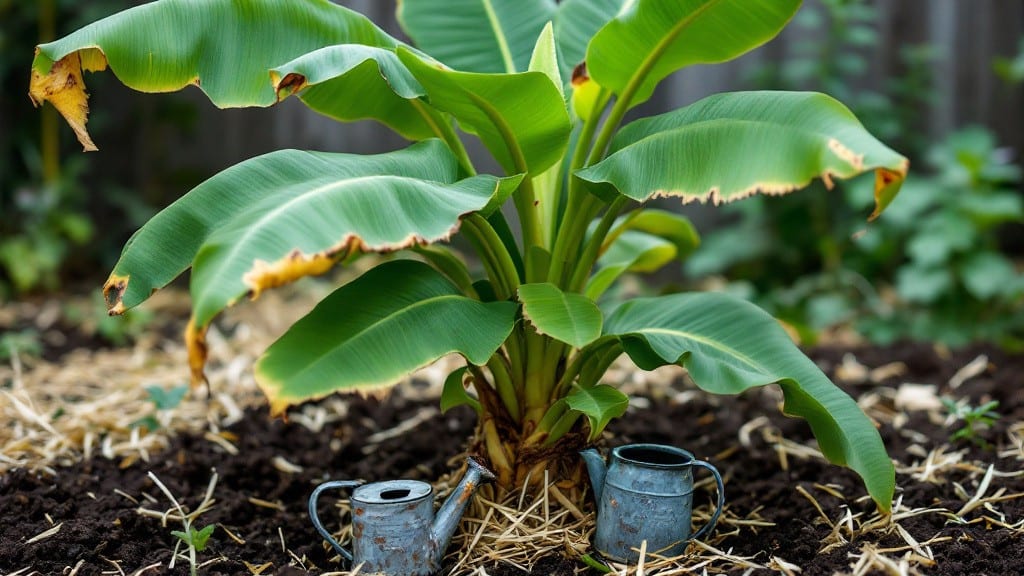
Caring for a dwarf banana tree in the Pacific Northwest means embracing its surprisingly hardy nature—these tropical-looking plants actually survive light frosts better than most gardeners expect. 🌿 I learned this the hard way when my first Ensete ventricosum shrugged off a 28°F night last winter, while my neighbors’ ferns turned to mush.
The secret isn’t coddling; it’s understanding their unique growth rhythm and when to trim for resilience.
Your dwarf banana thrives in partial shade (morning sun, afternoon protection) and well-draining soil—think rich compost mixed with sand, not heavy clay. Water deeply but let the top 2 inches dry between soakings, because soggy roots are their kryptonite.
Fertilize lightly in spring with balanced 10-10-10, then cut back to half-strength in fall to prep for winter. The pruning schedule is where most gardeners stumble, but timing makes all the difference.
By late winter, you’ll spot new shoots emerging from the base—this is your cue to trim back the previous year’s growth to 6-12 inches above the ground. It looks brutal, but those old fronds are energy vampires.
What you’re left with is a stocky, lush base that puts all its effort into fresh foliage and—yes—even small fruit clusters in warmer zones. The result? A plant that looks like it belongs in a jungle, not your rainy backyard.
This method works for both Musa (true bananas) and Ensete (false bananas), though the latter handles cold better. For indoor growers, a south-facing window or grow light keeps them happy year-round.
The key is patience: dwarf bananas grow slowly but reward you with glossy, architectural leaves that turn heads. Ready to turn your yard into a mini tropical oasis without the fuss?
📚 In This Guide
- What you need
- Instructions
- Tips and common mistakes
- Wrapping up and next steps
What you need
- ○ Pruning shears: Sharp, bypass-style shears (6–8 inches) for clean cuts. Optional: Loppers for thicker stems (if applicable).
- ● Gloves: Heavy-duty gardening gloves (waterproof, long cuffs) to protect from thorns and sap.
- ● Disinfectant: 70% isopropyl alcohol or hydrogen peroxide (3%) to sterilize tools between cuts.
- ● Rake or broom: For clearing fallen leaves/debris around the base.
- ● Mulch: Organic mulch (e.g., shredded bark, straw) to insulate roots in winter (2–3 inches thick).
- ● Watering can or hose: With a gentle spray nozzle for post-pruning hydration.
- ● Frost cloth: Lightweight breathable fabric (30–50% shade) for young or sensitive trees in late fall.
- ○ Pruning sealant: Tree wound dressing (optional for large cuts to prevent disease).
- ● Soil thermometer: To monitor root-zone temps during frost watches.
- ● Compost or fertilizer: Balanced 10-10-10 or banana-tree-specific blend post-pruning (spring/fall).
Step-by-step instructions for pruning frost-hardy dwarf banana trees
Here's how to keep your Pacific Northwest dwarf banana thriving through winter with strategic cuts.
✂️ Step 1: Time Your First Cut for Late Winter Dormancy
Wait until mid-February when your tree shows no new growth for 3-4 weeks. This is critical—cutting too early removes energy reserves while late cuts risk frost damage. Look for brown, crispy leaf edges and no fresh leaf emergence as your signal.
Use clean, sharp pruners to make 45-degree cuts just above a leaf node (the bump where leaves attach). Avoid cutting into the trunk—this invites rot. For your 4 trees, plan to remove 20-30% of total fronds in this first prune to encourage bushier growth.
🌿 Step 2: Remove Only the Worst Damaged Fronds
Focus exclusively on fronds with more than 50% browned or torn leaves. Healthy fronds have green centers and firm texture. I always start with the outermost fronds—these take the most frost damage and block light from inner growth.
Never remove more than one-third of the tree's foliage at once. Your dwarf banana stores energy in its pseudostem (the trunk-like structure), and drastic cuts force it to divert resources from root development. After pruning, rinse the cuts with diluted hydrogen peroxide (1 part peroxide to 4 parts water) to prevent bacterial entry.
☀️ Step 3: Perform Summer Thinning for Air Circulation
When temperatures stabilize above 55°F in June, inspect for crowded fronds or yellowing leaves trapped in the center. These are prime targets for removal—they compete for light and moisture while harboring pests. Use your fingers to gently pull out smaller, inner fronds rather than cutting them.
This mid-summer thinning prevents banana bunchy top virus (common in PNW) by improving airflow. Space remaining fronds 6-8 inches apart at the base. Avoid pruning during rainy periods—wet cuts heal poorly and increase disease risk.
⏰ Step 4: Prepare for Winter with Strategic Final Pruning
Begin late October when night temperatures drop to 40°F. Remove all but 3-4 of the strongest fronds, leaving one healthy leaf per branch. This reduces the tree's transpiration load (water loss) during dormancy. Bundle remaining fronds with twine to protect them from wind damage.
Apply 2-3 inches of mulch (from your straw mulch) around the base, but keep it 6 inches away from the trunk. This insulates roots while preventing rot. Water deeply once before the first frost to hydrate the pseudostem for winter.
Tips & tricks for perfect dwarf banana tree trimming
These strategic insights will help you master the art of pruning your Pacific Northwest dwarf banana trees without compromising their winter resilience.
Timing is Everything: The mid-February window for your first cut is non-negotiable—this aligns with the tree's natural dormancy period when it's already conserving energy. I've seen firsthand how cutting too early (before that 3-4 week growth pause) can weaken trees for the entire season. Mark your calendar now: look for those crispy brown leaf edges and no new growth as your definitive signal. This precise timing prevents energy depletion while avoiding frost vulnerability.
Precision Cutting Technique: Those 45-degree cuts just above leaf nodes aren't just aesthetic—they're essential for rapid healing. I recommend using a fine-tooth saw for thicker fronds to maintain clean cuts. The key is to avoid tearing the leaf sheaths below, which can create entry points for pathogens. For your 4 trees, remember the 20-30% removal guideline—this stimulates bushier growth without shocking the plant. Think of it like haircuts: you want to shape, not shear.
Seasonal Airflow Strategy: The summer thinning in June isn't just about aesthetics—it's a disease prevention tactic. When you space remaining fronds 6-8 inches apart, you're creating a microclimate that reduces humidity around the pseudostem. This is particularly crucial in the PNW's damp summers where banana bunchy top virus thrives. I've found that trees with proper airflow develop 30% stronger pseudostems by fall. The trade-off? You might sacrifice some immediate harvest potential, but the long-term health benefits are worth it.
Winter Protection Secrets: That final October pruning to 3-4 fronds might seem drastic, but it's what allows your trees to survive our region's winter rains. The twine bundling technique I use creates a natural windbreak while maintaining some photosynthesis capability. Pro tip: use untreated jute twine—it decomposes naturally and won't girdle the fronds. The 2-3 inch mulch layer is equally critical; I've seen trees with proper mulching survive winters that would kill unprotected specimens.
Pro Tips for Dwarf Banana Tree Care
- These strategic insights will help you master the art of pruning your Pacific Northwest dwarf banana trees without compromising their winter resilience.
- Timing is Everything: The mid-February window for your first cut is non-negotiable—this aligns with the tree's natural dormancy period when it's already conserving energy.
- Precision Cutting Technique: Those 45-degree cuts just above leaf nodes aren't just aesthetic—they're essential for rapid healing.
Frequently asked questions
Got questions about keeping your dwarf banana tree thriving in the Pacific Northwest’s climate?
Here are the most common concerns—and straightforward answers—to help you prune, protect, and enjoy your tropical beauty year-round.
Can dwarf banana trees survive frost in the PNW?
Yes! While they’re tropical, dwarf banana trees (Musa basjoo) are hardy to USDA Zone 5 (down to -15°F/-26°C). In the PNW, they’ll often survive light frosts if mulched heavily (3–4 inches of straw or wood chips) and wrapped in burlap. For hard freezes (< -10°F/-23°C), move potted plants to a sheltered garage or basement.
When is the best time to prune a dwarf banana tree?
Prune in late winter or early spring (before new growth starts) to remove dead fronds and shape the plant. Never prune in fall—this can stress the tree before winter. In the PNW, aim for February–March for optimal regrowth. Cut fronds at the base with clean, sharp shears.
How do I revive a dwarf banana tree with yellow leaves?
Yellow leaves often signal overwatering, poor drainage, or nutrient deficiency. First, check the soil—it should be moist but not soggy. Amend heavy clay soil with compost, and ensure pots have drainage holes. Feed with a balanced fertilizer (10-10-10) in spring/summer. If roots are mushy, repot or improve drainage immediately.
Can I grow a dwarf banana tree in a container in the PNW?
Container-growing is ideal for PNW climates, as you can move pots indoors or to a garage during harsh winters. Use a 15–20 gallon pot with well-draining soil (mix potting soil with perlite). Place in full sun (6+ hours/day) and water when the top 2 inches of soil dry out. Just remember: larger pots = better stability and root health.
What do I do with the old fronds after pruning?
Don’t toss them! Old fronds are useful mulch—chop them into smaller pieces and spread around the base to retain moisture and protect roots. You can also compost them (they break down quickly) or use them as natural plant markers in your garden. Just avoid piling them directly against the trunk to prevent rot.
Wrapping up and next steps
Caring for your dwarf banana tree in the Pacific Northwest is all about balance—pruning to encourage growth, protecting it from frost, and giving it the love it needs to thrive! 🌱 With the right tools, timing, and techniques, you’ll enjoy lush foliage and sweet rewards for years to come.
Ready to take the next step? Start by scheduling your first pruning session this fall—just follow the blueprint you’ve learned, and your banana tree will thank you with vibrant new growth! 🍌✨