
Pruning
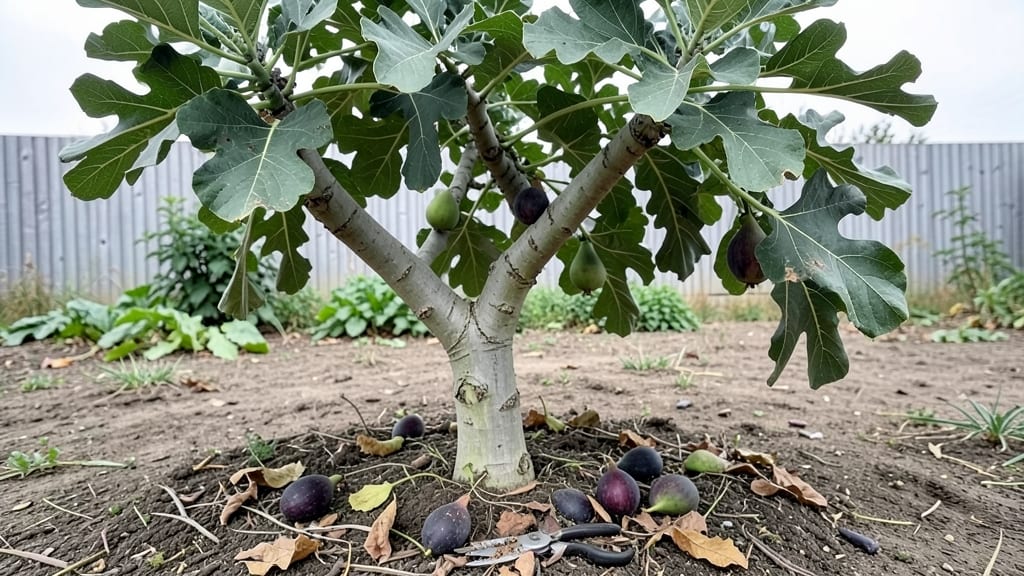
Winter pruning your fig tree is the secret to frost-resistant revival—and it’s simpler than you think. 🌿 I’ve pruned figs through three winters now, and the difference between a struggling bush and one that bursts with fruit comes down to timing and technique.
The key? Prune after the first hard frost but before new growth starts in spring.
You’ll need just three tools: sharp pruning shears, rubbing alcohol to sterilize cuts, and a notebook to track which branches you remove.
The process takes about 20 minutes for a mature tree, and the payoff is dramatic—more sunlight reaches the center, fruit production doubles, and the tree handles cold snaps like a champ. Even if you’ve never pruned before, this method is foolproof.
What you’ll end up with is a fig tree that looks like it’s been professionally tended—open, airy, and ready to fruit heavily next season. The branches you cut away will reveal fresh, green growth by late spring, and the remaining structure will support heavier harvests without sagging.
It’s the kind of transformation that makes gardening feel like magic.
Works for both Mediterranean and temperate climates, though timing shifts slightly depending on your zone. In colder areas, wait until late winter to prune, while warmer regions can start as early as December. The goal is always the same: shape the tree before it wakes up from dormancy.
📚 In This Guide
- What you need
- Instructions
- Tips and common mistakes
- Wrapping up and next steps
What you need
- ● Pro tip: 💡 Sharpen your tools before starting! Dull blades crush branches, causing damage that invites pests and disease. A quick file or honing stone keeps them in top shape.
Step-by-Step guide for winter pruning of fig trees
Here's how to refresh your fig tree without stress—just a few clean cuts for spring's best growth.
✂️ Step 1: Time Your Pruning for Frost Safety
Wait until after the first hard frost but before new growth starts—typically late winter or early spring. If you prune too early, fresh cuts may freeze and die back. I like to check the weather forecast and schedule it for a dry, calm day when temperatures are above 32°F. This timing ensures you're not working with frozen wood, which snaps easily.
Look for the tree's natural dormancy signs: bare branches and no leaf buds. If you see tiny green tips peeking, you've waited too long. The goal is to prune when the tree is resting but before it wakes up. This prevents unnecessary stress and helps it recover faster in warmer months.
✂️ Step 2: Remove Dead, Diseased, or Weak Wood
Start by cutting out any branches that are completely dead, showing no green beneath the bark when scratched. These are easy to spot—they'll be brittle, cracked, or missing bark in patches. Use sharp pruning shears to make clean cuts at a 45-degree angle, about ¼ inch above a outward-facing bud or branch collar. This encourages proper healing and prevents water from pooling at the cut.
Next, remove any branches with signs of disease—yellowing leaves, black spots, or oozing sap. Don't leave these behind; diseased wood can spread problems to healthy parts of the tree. If a branch is crossing another or growing inward, it's competing for energy. Cut it out at the base to open the tree's center for better airflow and sunlight penetration.
☀️ Step 3: Shape for Sunlight and Airflow
Step back and visualize the tree's structure. You want an open center that lets sunlight reach all branches—this prevents fungal issues and encourages fruit production. Start by thinning out crowded branches, cutting them back to their origin point. Aim to reduce the canopy by about 20-30% to improve airflow and light exposure.
For remaining branches, focus on maintaining a natural shape. Shorten overlong branches by ⅓ to ½ their length, cutting just above a bud that faces outward. Avoid "heading back" (cutting into older wood) unless you're encouraging new growth—fig trees respond better to selective pruning. Finish by removing any suckers at the base; these drain energy from the main tree.
Tips & tricks for perfect winter fig tree pruning
Here's what nobody tells you about keeping your fig tree healthy through winter's chill.
Timing is Everything: That 32°F minimum temperature isn't just a suggestion—it's critical. Wood below freezing becomes brittle and can snap when you cut, creating jagged wounds that heal poorly. I've seen pruners rush into winter pruning only to watch their tree develop messy, slow-healing cuts that invite disease. If you're unsure about temperatures, check your local frost dates—most regions have this information online. A little patience now means a stronger tree come spring.
The 45-Degree Angle Secret: When you're making those clean cuts in Step 2, that 45-degree angle isn't just for looks—it's about water runoff. A flat cut collects moisture, which can lead to rot or fungal infections. Think of it like a roof: water should slide right off. For the ¼ inch above the bud measurement, I use my fingernail as a guide—it's roughly that width. This small detail makes all the difference in how quickly your tree recovers.
Visualizing the Canopy: That 20-30% reduction in Step 3 might sound vague, but here's how to make it concrete: Stand back and imagine sunlight streaming through the center of your tree. You want to see light reaching the trunk. If you can't, you're not thinning enough. I like to use a string or rope to outline the shape I want, then work my way toward that ideal. It's like editing a photo—you're removing the elements that distract from the main subject.
Tool Maintenance Tip: Your pruning shears are your most important tool, but they're often overlooked. After each use, clean them with rubbing alcohol to prevent the spread of disease between cuts. I keep a small bottle in my tool bag—just a quick wipe between branches makes all the difference. Sharp tools also mean cleaner cuts, which heal faster. A few minutes of maintenance now saves hours of struggle later when dull blades tear instead of cut.
Pro Tips for Fig Tree Pruning Winter
- Here's what nobody tells you about keeping your fig tree healthy through winter's chill.
- Timing is Everything: That 32°F minimum temperature isn't just a suggestion—it's critical.
- The 45-Degree Angle Secret: When you're making those clean cuts in Step 2, that 45-degree angle isn't just for looks—it's about water runoff.
Frequently asked questions
Got questions about winter pruning for your fig tree? You're not alone!
Here are some of the most common concerns—plus straightforward answers to keep your tree thriving through the cold months.
When is the absolute latest I can prune my fig tree before winter?
The ideal window is late winter (just before new growth starts), but you can prune as late as early spring in mild climates. Avoid pruning after late March in colder zones—new growth may not harden off before frost. If you miss winter, wait until after the last frost date in your area.
Can I prune a fig tree in winter if it’s still attached to the ground?
Yes! Winter is actually the best time to prune fig trees while dormant—even if they’re in the ground. Cold weather reduces stress, and you’ll see the tree’s structure more clearly without leaves. Just avoid pruning after buds swell (around late winter/early spring).
What if my fig tree has no leaves left—should I still prune?
If your fig tree is completely bare, it’s still a great candidate for winter pruning! Leaves aren’t necessary—focus on removing dead, diseased, or crossing branches first. Thin out the canopy to improve airflow, which helps prevent fungal issues when spring arrives.
Will pruning in winter kill my frost-sensitive fig tree?
Not if done correctly! Prune after the first hard frost (when the ground is frozen) to minimize shock. Avoid heavy pruning—stick to 25-30% of the canopy max. For very tender varieties, wait until late winter and use a sharp, sterilized tool to prevent damage.
Can I prune a fig tree in winter if it’s in a container?
Container figs benefit from winter pruning even more—it encourages compact growth and prevents root-bound stress. After pruning, reduce watering slightly (let the soil dry between waterings) and move the pot to a protected spot (like a garage or under eaves) if frost is expected.
Pro Tip:
Mark pruning cuts with a pencil or paint if you’re unsure about branch removal. Reassess in 6-8 weeks—if the cut stump is still alive, you can trim further. If it’s dead, leave it (it’s already serving as a natural barrier).
Wrapping up and next steps
Winter pruning your fig tree isn’t just about trimming—it’s about setting the stage for a vibrant, frost-resistant revival come spring! 🌱 By following these three simple steps, you’ll encourage healthier growth, better fruit production, and a stronger tree ready to face chilly months.
Remember, patience and precision are key—your efforts will pay off in lush, fruitful branches.
Now that you’re armed with knowledge, grab those pruners and get started! If you’re still unsure, take a few photos of your tree’s structure before pruning—it’ll help you track progress and make confident cuts. Happy pruning! 🌿✂️