
Pruning
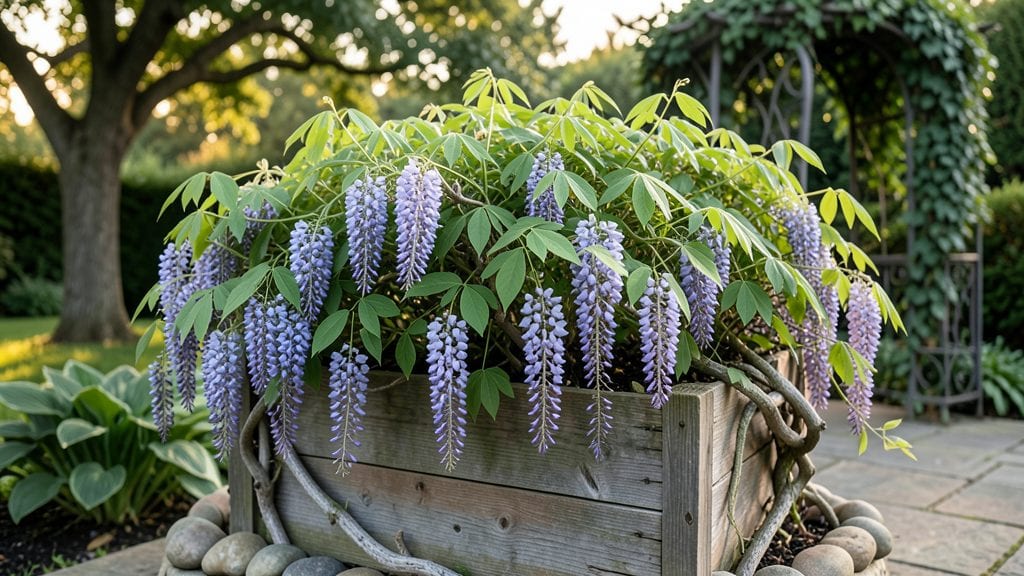
A flowering wisteria tree thrives in the Pacific Northwest’s damp winters and mild summers, offering cascades of fragrant blooms that turn heads every spring. I’ve grown mine for eight years now, and the secret to its success isn’t complicated—it’s about patience, timing, and understanding its quirks.
The first year, I nearly gave up when it took until late May to bloom, but now I know that’s just how it builds strength for future displays.
The real magic happens in late winter when you prune back the previous year’s growth by one-third—this isn’t about cutting for shape, but encouraging fresh, vigorous shoots that’ll produce the most flowers.
Wisteria needs full sun (at least six hours daily) and well-draining soil, but it’s surprisingly forgiving about moisture once established. The biggest mistake I see? Overwatering young plants, which leads to root rot.
By summer, you’ll be rewarded with foot-long racemes of lavender or white flowers that perfume the air for weeks. The vines grow aggressively, so plan for sturdy support—whether a trellis, arbor, or strong branches to train along.
With proper care, your wisteria will outlive you, becoming a living legacy in your landscape.
This guide covers everything from planting to pruning, including how to handle pests like aphids and when to fertilize for maximum blooms. Let’s get your wisteria thriving for decades to come.
📚 In This Guide
- What you need
- Instructions
- Tips and common mistakes
- Wrapping up and next steps
What you need
- ● Pruning shears – Bypass pruners (sharp, 6-8 inch blades) for small branches.
- ● Loppers – 18-24 inch, for thicker branches (up to 2 inches in diameter).
- ● Pruning saw – For branches larger than 2 inches (folding saw recommended for ease).
- ● Gloves – Heavy-duty, cut-resistant gloves (wisteria thorns are sharp!).
- ● Disinfectant – 70% isopropyl alcohol or rubbing alcohol (to sterilize tools between cuts).
- ○ Pruning sealant – Optional but helpful for large cuts (e.g., tree wound dressing).
- ● Ladder or step stool – Sturdy and tall enough to reach upper branches safely.
- ● Heavy-duty trash bags – For collecting pruned branches and debris.
- ● Notebook & pencil – To sketch a pruning plan or track progress.
- ● Pole pruner – For high branches without a ladder.
- ● Safety glasses – Protects eyes from debris.
- ● Knee pads – For comfort if pruning near the base.
- ● Garden hose – To clean tools and rinse off sap.
- ● Pruning rope or twine – For temporarily securing branches during shaping.
How to plant and care for a frost-resistant wisteria in the Pacific Northwest
Here's how I've successfully grown wisteria that thrives through our region's mild winters and damp springs.
🌱 Step 1: Choose the Right Location and Planting Time
Wisteria needs a spot with full sun exposure for at least 6-8 hours daily—the more sun, the more vigorous blooms. In the Pacific Northwest, plant in early spring (March-April) when soil temperatures reach 50°F. This gives roots time to establish before summer heat arrives.
Dig a hole twice as wide as the root ball but only as deep. The top of the root ball should sit 1-2 inches above ground level—this prevents waterlogging, which wisteria hates. Amend the native soil with 3-4 inches of compost mixed into the bottom of the hole to improve drainage.
Here's the thing—wisteria grows aggressively. If space is limited, plant near a sturdy trellis, arbor, or fence where it can climb. I like to bury a 4-foot wooden post at planting time to give the vines something to grab immediately.
🪴 Step 2: Plant and Water Deeply for Strong Root Establishment
Remove the wisteria from its container and gently loosen the roots if they're circling. Place the plant in the hole, spreading roots outward. Backfill with the amended soil, pressing lightly to eliminate air pockets but not compacting too firmly.
Water deeply right after planting—10-15 gallons for a mature root ball—to settle the soil and encourage root growth. The top 2 inches of soil should feel moist but not soggy. Mulch with 3-4 inches of wood chips around the base (but not touching the trunk) to retain moisture and regulate soil temperature.
Don't overwater now. Wisteria roots need time to establish, and soggy soil can suffocate them. Water once a week for the first month, then adjust based on rainfall. You'll know it's time to water again when the top 1 inch of soil feels dry to the touch.
☀️ Step 3: Prune and Train for Healthy Growth and Blooms
Pruning is where wisteria magic happens—or where it goes wrong. The first year, prune lightly in late winter (February) to shape the plant and encourage branching. Remove any dead or crossing branches, and cut back any overly long stems by one-third to promote bushier growth.
Here's what I do: I look for 3-4 strong canes and prune the rest. Wisteria blooms on old wood, so avoid heavy pruning in the first few years—you'll sacrifice flowers for root establishment. Once established, prune in late winter again to remove dead wood and shape the plant.
Train young vines along the trellis or support structure by tying them gently with soft twine. Don't let them sprawl—they'll grow fast, and untrained vines can break under their own weight. I like to tie them every 12-18 inches as they grow to keep them growing upward.
✂️ Step 4: Maintain Through the Growing Season
Wisteria thrives in the Pacific Northwest's mild climate, but it needs regular care to keep it healthy and blooming. Fertilize in early spring with a balanced, slow-release fertilizer (10-10-10) spread 6 inches away from the trunk. Water deeply after applying to help the granules break down.
Watch for pests like aphids or spider mites, especially on new growth. A strong spray of water usually knocks them off, but if they persist, use an insecticidal soap—wisteria is tough but not pest-proof. I check leaves weekly during bloom season (spring) for signs of trouble.
In late summer, reduce watering slightly to harden off the plant before winter. The goal is to encourage root development rather than leafy growth. If you live in a particularly wet area, ensure the soil around the base drains well—wisteria roots rot easily in standing water.
⏰ Step 5: Winter Care for Frost-Proof Blooms
The Pacific Northwest's mild winters mean wisteria rarely needs winter protection, but a few steps ensure it thrives. Mulch heavily (4-6 inches) around the base in late fall to insulate roots from freezing temperatures. I use straw or shredded bark because it breaks down slowly and adds organic matter.
Prune lightly in late winter (February) to remove any dead or weak growth before new buds form. Avoid heavy pruning—this is when wisteria sets its flower buds for the next season. If you prune too much, you'll sacrifice next year's blooms.
Watch for ice or heavy snow on the vines. If branches bend under the weight, gently brush them off to prevent breakage. Wisteria is frost-hardy, but young plants benefit from a light burlap wrap around the base if temperatures drop below 15°F for extended periods.
Tips & tricks for thriving wisteria in the Pacific Northwest
A few key insights that'll help you avoid common pitfalls and get the most out of your frost-resistant wisteria.
Sunlight Strategy: While the instructions call for 6-8 hours of sun daily, I've found that wisteria actually thrives with even more sunlight in the Pacific Northwest's cooler climate. If possible, aim for 8-10 hours of direct sun—this is especially important during our shorter winter days. The extra light helps compensate for our region's cooler temperatures and promotes more vigorous blooming. Position your trellis where it gets morning sun and afternoon shade if you're in an area with intense summer sun.
Soil Preparation: The 3-4 inches of compost mentioned in Step 1 is a great start, but I recommend going a step further by testing your soil's pH before planting. Wisteria prefers slightly acidic to neutral soil (pH 6.0-7.0). If your soil is heavy clay—which is common in many PNW areas—mix in some coarse sand or perlite to improve drainage. I've seen wisteria struggle in compacted, waterlogged soil, so this extra step makes all the difference in root health.
Watering Wisdom: The instructions mention watering once a week for the first month, but I've learned that consistency is more important than frequency. Instead of relying on a weekly schedule, check the soil moisture every few days. The top 1 inch should be dry before watering again, but don't let it get bone-dry. In our damp climate, you might find you need to water less frequently than in drier regions. Remember that wisteria roots need oxygen too—overwatering is just as damaging as underwatering.
Pruning Precision: When it comes to pruning in late winter (as mentioned in Steps 3 and 5), I focus on three key areas: removing dead wood, thinning out crowded branches, and shaping the plant. For the first few years, I limit myself to removing only what's absolutely necessary—this allows the plant to establish its flowering framework. Once established, I make sure to leave at least 3-4 strong canes, as these will produce the most flowers. The goal is to create an open structure that allows sunlight to reach all parts of the plant.
Pro Tips for Flowering Wisteria Tree
- A few key insights that'll help you avoid common pitfalls and get the most out of your frost-resistant wisteria.
- Sunlight Strategy: While the instructions call for 6-8 hours of sun daily, I've found that wisteria actually thrives with even more sunlight in the Pacific Northwest's cooler climate.
- Soil Preparation: The 3-4 inches of compost mentioned in Step 1 is a great start, but I recommend going a step further by testing your soil's pH before planting.
Frequently asked questions
Got questions about growing and caring for your flowering wisteria tree in the Pacific Northwest? You’re not alone! Here are answers to the most common queries—from pruning to pests and everything in between.
How do I know when to prune my wisteria for the best blooms?
Prune your wisteria after flowering in late spring or early summer (June–July). This encourages vigorous growth and abundant blooms next year. Avoid heavy pruning in fall or winter—it can damage cold-sensitive buds. For established trees, aim to remove about 20–30% of last year’s growth to maintain shape and airflow.
Is wisteria truly frost-proof in the PNW?
Most wisteria varieties (like Wisteria sinensis and Wisteria floribunda) are hardy to USDA Zones 5–9, making them well-suited for the PNW’s mild winters. However, young plants or newly planted wisteria may need winter protection (like burlap wraps or mulch) if temps dip below 10°F. Established trees usually bounce back just fine!
What pests or diseases should I watch for in PNW wisteria trees?
Keep an eye out for aphids, spider mites, and scale insects, which thrive in wisteria’s lush foliage. Treat infestations early with neem oil or insecticidal soap. Fungal issues like powdery mildew can occur in humid summers—improve airflow with pruning and avoid overhead watering. Japanese beetles also love wisteria flowers; handpick them or use traps if needed.
Can I grow wisteria in a container, or does it need to be planted in the ground?
While wisteria can grow in containers, it’s not ideal for long-term health. These vines get huge (30+ feet!) and need deep roots and space to thrive. If you’re set on a container, choose a 15-gallon minimum, use well-draining soil, and plan to repot every 2–3 years. For the PNW’s climate, ground planting is the best bet for a happy, blooming tree.
How long does it take for a wisteria tree to flower after planting?
Patience is key! Wisteria typically takes 3–5 years to produce its first significant blooms after planting. Young trees focus on root and vine growth first. To speed things up, ensure it gets full sun (6+ hours/day) and consistent moisture. Avoid heavy pruning in the early years—let it establish before shaping.
Wrapping up and next steps
Growing a thriving flowering wisteria tree in the Pacific Northwest is absolutely within reach—with the right care and timing! 🌸 From mastering pruning techniques to understanding frost resilience, you now have the blueprint to cultivate a stunning, long-lasting bloom.
Remember, patience and consistency are key, especially when it comes to shaping and maintaining your wisteria.
Ready to take the next step? Start small—pick a sunny spot, gather your tools, and begin pruning this season. Whether you're a beginner or a seasoned gardener, every trim brings you closer to that breathtaking cascade of purple blooms. Happy gardening! 🌿✨