
Pruning
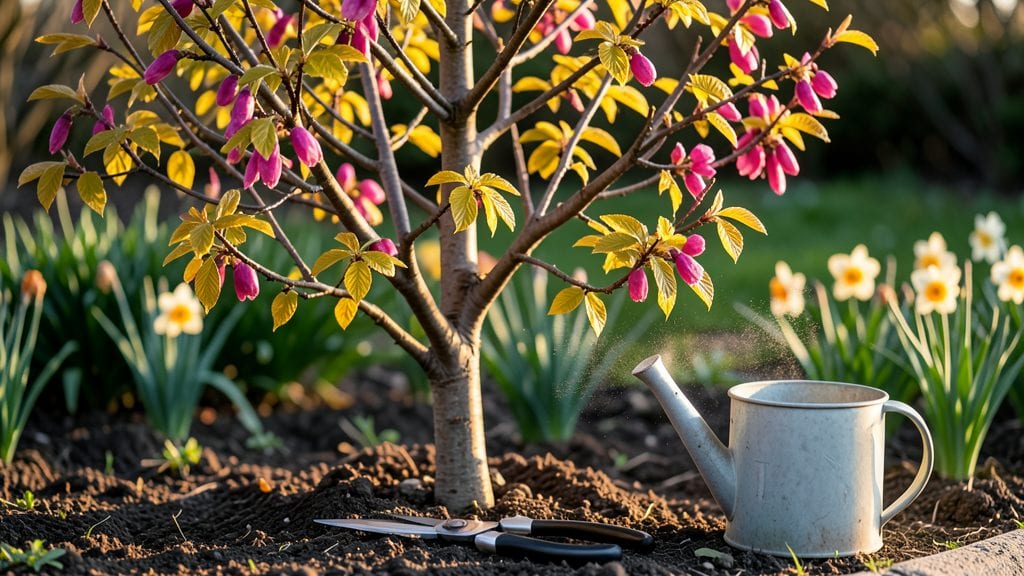
The gold redbud tree (Cercis canadensis 'Covey') is the Pacific Northwest's showstopper—its golden-yellow blooms arrive weeks before spring foliage, defying frost with stubborn resilience.
I still remember the first time I saw one burst into color after a late snowfall; it felt like nature's way of saying, "Spring is coming, no matter what."
That hardiness makes pruning essential, but don't let the thought of shaping its graceful branches intimidate you—this tree rewards even the most cautious hands.
Pruning isn't just about shaping; it's about encouraging that frost-resistant bloom revival year after year. The best time to prune is late winter or early spring, right before buds swell but before new growth begins.
You'll need clean, sharp pruners, a ladder (for taller trees), and gloves—though the thorns are mild, they can still leave marks. The goal is simple: remove dead, crossing, or weak branches first, then thin out the center to let light reach the inner blooms.
What you'll end up with is a tree that blooms more abundantly each season, with vibrant yellow flowers that catch sunlight like tiny lanterns. The foliage turns a rich green by summer, then shifts to golden-yellow in fall, giving you three seasons of interest.
Even better, this tree thrives in zones 5-8, handles partial shade, and resists pests—so once you get the pruning rhythm down, it practically takes care of itself.
Whether you're pruning a young sapling or an established tree, the same principles apply. The key is patience—never remove more than one-third of the canopy in a single year, and always prune just outside a bud that faces outward.
That way, you'll keep those golden blooms coming back stronger every spring, no matter how many late frosts Mother Nature throws your way.
📚 In This Guide
- What you need
- Instructions
- Tips and common mistakes
- Wrapping up and next steps
What you need
- ● Pruning shears: Bypass pruners (sharp, 10-12 inch blades) for small branches.
- ● Loppers: 18-24 inch loppers for thicker branches (½–1.5 inch diameter).
- ● Pruning saw: Curved-tooth saw for branches 1.5+ inches thick.
- ● Disinfectant: 70% isopropyl alcohol or bleach solution (1 part bleach:9 parts water) to sterilize tools.
- ● Gloves: Cut-resistant or gardening gloves for protection.
- ● Heavy-duty trash bags: 2–3 gallon-size for debris cleanup.
- ● Rake or leaf blower: For clearing fallen branches and leaves.
- ● Tree wound dressing: Pruning sealant (controversial but useful for large cuts in frost-prone areas).
- ● Ladder: Lightweight, extendable (6–10 ft) if your tree is tall.
- ● Safety glasses: Protect your eyes from debris.
- ● Notebook & pen: To sketch your pruning plan or note branch directions.
- ● Mulch: Shredded bark or wood chips (2–3 inches deep) to protect roots post-pruning.
- ● Check the gold redbud tree’s dormant season (late winter/early spring, before buds swell).
- ● Verify the tree is healthy (no signs of disease like powdery mildew or cankers).
- ● Choose a dry, sunny day (avoid frost or rain within 24 hours).
- ● Wear sturdy shoes—uneven ground can be slippery!
Step-by-Step guide for reviving Pacific Northwest gold redbud trees through pruning
Here's how to restore your frost-hardy redbud's beauty while ensuring vigorous blooms next season.
Time Your Pruning for Optimal Growth
Prune your gold redbud immediately after flowering but before new growth begins—typically in late April to early May in the Pacific Northwest. This timing lets the tree recover before summer heat arrives. Avoid pruning in fall or winter when the tree is dormant, as frost-sensitive species like this one need all their energy reserves intact.
The best visual cue is watching for spent blooms to drop completely. Once the last flowers fall and fresh leaves begin to form, your tree is ready. If you prune too early, you risk cutting off next year's flower buds. If you wait too late, you'll stress the tree before it can harden off for winter.
Assess and Remove Dead or Damaged Wood
Start by inspecting the entire tree for dead, diseased, or storm-damaged branches. Dead wood appears gray or brown and makes a hollow sound when tapped. Diseased branches may have blackened spots or oozing sap. Use sharp, clean pruning shears to make 45-degree cuts just outside the branch collar—the swollen area where the branch meets the trunk.
Remove any branches that cross or rub against others, as these create wounds that invite pests. Thin out crowded branches to improve air circulation, which is especially important in the Pacific Northwest's damp climate. Never remove more than 25% of the tree's canopy in one season—this ensures the tree can rebound properly.
Shape for Balance and Light Penetration
Step back and evaluate the tree's natural shape. Gold redbuds have an open, vase-like form that should be preserved. Remove any branches growing inward or downward to maintain an open center. Aim to create a balanced silhouette that allows sunlight to reach all parts of the canopy, which is crucial for even blooming.
Use hand pruners for branches up to 1 inch thick and loppers for thicker limbs. Make cuts just above an outward-facing bud or branch to encourage new growth in the desired direction. Avoid leaving stubs—these can rot and weaken the tree over time. If you're unsure about a cut, err on the side of caution and leave the branch.
Encourage Healthy Regrowth with Proper Aftercare
After pruning, apply a 2-inch layer of mulch around the base of the tree, keeping it 6 inches away from the trunk to prevent rot. Water deeply to help the tree recover, especially if the Pacific Northwest's spring has been dry. A newly pruned tree needs 1-2 inches of water per week during its recovery period.
Monitor the tree for signs of stress, such as wilting leaves or unusual leaf drop. If you notice any, reduce watering slightly and ensure the tree gets full sun to partial shade—gold redbuds thrive in 6 hours of direct sunlight daily. Avoid fertilizing immediately after pruning, as the tree needs time to heal before absorbing nutrients.
Plan for Long-Term Frost Resilience
To prepare your gold redbud for the Pacific Northwest's unpredictable frosts, consider wrapping young or newly pruned trees with burlap during late fall if temperatures are expected to drop below 15°F. This extra protection helps the tree retain moisture and insulate its buds. Older, established trees usually handle frost well but benefit from a thick layer of mulch to regulate soil temperature.
Prune lightly in subsequent years to maintain shape and remove any suckers or water sprouts that appear. These fast-growing shoots divert energy from the main structure. By following this routine, your gold redbud will reward you with vibrant blooms year after year, even in the region's cooler climate.
Tips & tricks for perfect gold redbud tree pruning
Reviving your gold redbud's vibrant blooms requires precision—here's how to avoid common pitfalls and maximize results.
Timing is Everything: The late April to early May window is critical because this aligns with the tree's natural recovery cycle after flowering. I've seen trees stressed by late pruning where new growth hadn't properly established—wait until you see fresh leaves forming to ensure you're not cutting off next year's blooms. The Pacific Northwest's cool springs make this timing even more important, as delayed growth can leave trees vulnerable to summer heat.
Tool Selection Matters: Using the right tools prevents damage that can invite pests. I recommend sterilizing your pruning shears with rubbing alcohol between cuts to prevent disease spread. For branches thicker than 1 inch, loppers with bypass blades give cleaner cuts than anvil-style pruners, which can crush the branch collar. The 45-degree angle specified in the instructions isn't just aesthetic—it helps water bead off the cut and prevents rot.
Visual Cues for Pruning Decisions: When evaluating branches, look for these telltale signs: healthy wood should have a greenish tint when cut, while dead wood will be gray-brown. For diseased branches, check for blackened areas or sap oozing—these are clear indicators for removal. In Step 2, I always test branches by tapping them lightly; a hollow sound confirms dead wood, while a solid thud means the branch is still alive. This simple test saves time and prevents unnecessary cuts.
Aftercare Makes the Difference: The 2-inch layer of mulch isn't just decorative—it regulates soil temperature and retains moisture, which is especially valuable in the Pacific Northwest's variable spring weather. I've noticed trees with proper mulching recover faster from pruning stress. For watering, focus on deep, infrequent watering rather than light daily watering, which encourages shallow root growth. The 1-2 inches per week guideline works well, but adjust based on rainfall—your tree's leaves will tell you if it's thirsty or overwatered.
Pro Tips for Gold Redbud Tree
- Reviving your gold redbud's vibrant blooms requires precision—here's how to avoid common pitfalls and maximize results.
- Timing is Everything: The late April to early May window is critical because this aligns with the tree's natural recovery cycle after flowering.
- Tool Selection Matters: Using the right tools prevents damage that can invite pests.
Frequently asked questions
Got questions about pruning your gold redbud tree? You’re not alone! Here are some of the most common queries from Pacific Northwest gardeners—plus expert answers to keep your tree thriving.
When is the best time to prune a gold redbud tree?
The ideal time to prune is late winter to early spring (February–March), just before new growth begins. This timing helps avoid removing next year’s blooms and prevents frost damage. Avoid pruning in fall, as it can stimulate tender new growth vulnerable to winter cold.
Can I prune a gold redbud tree after it blooms?
Yes, but with caution! Prune lightly after blooming (April–May) if needed, but avoid heavy cuts. Blooms form on old wood, so aggressive pruning post-bloom may reduce next year’s flowers. Focus on shaping or removing dead branches instead.
How much can I trim back a gold redbud tree?
Never remove more than one-third of the tree’s foliage in a single pruning session. Gold redbuds are small trees (15–20 ft tall) and can handle moderate trimming, but excessive cuts stress the tree. Prioritize open-center shaping to improve airflow and light penetration.
Why are my gold redbud leaves turning yellow or dropping?
Yellowing leaves often signal overwatering, root rot, or nutrient deficiencies. Check soil moisture—gold redbuds prefer well-draining soil. If roots are soggy, improve drainage or reduce watering. Yellowing on older leaves may also indicate iron deficiency; apply a chelated iron supplement if needed.
Are there alternatives to gold redbud for Pacific Northwest gardens?
If you love early blooms but want variety, consider Pacific dogwood (Cornus nuttallii) or Oregon grape (Mahonia aquifolium). Both thrive in PNW climates, offer spring color, and are low-maintenance. For a shrub option, red twig dogwood provides winter interest and similar care needs.
Do I need to sterilize pruning tools for gold redbud?
Absolutely!
Sterilize tools with rubbing alcohol (70%+) or a 10% bleach solution between cuts to prevent bacterial or fungal diseases (like powdery mildew). Gold redbuds are generally disease-resistant, but clean tools ensure longevity.
Wrapping up and next steps
The gold redbud tree is a stunning addition to any Pacific Northwest garden, offering vibrant blooms and resilience against frost—when cared for properly. Pruning it at the right time and with the right techniques ensures a healthier tree and even more breathtaking spring displays. 🌸
Now that you’re equipped with the knowledge, there’s no better time to roll up your sleeves and give your gold redbud the TLC it deserves. Start small—whether it’s trimming a single branch or tackling the whole tree—and watch your garden thrive! 🌿
Ready to take action? Grab your pruners, mark your calendar, and make this the year your gold redbud steals the show!