
Pruning
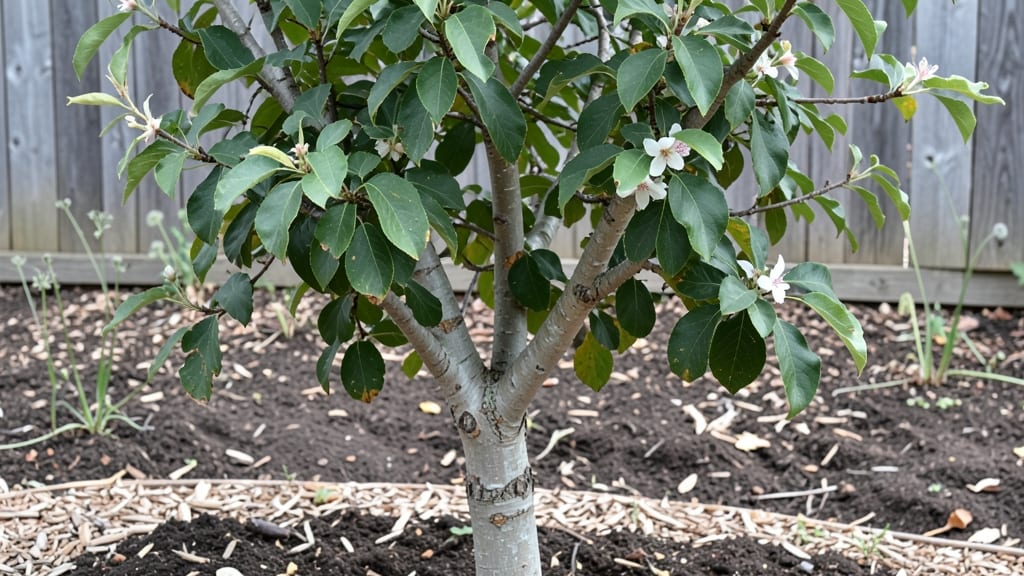
Grafting peach trees creates cold-hardy varieties that thrive in the Pacific Northwest’s damp winters—something store-bought trees can’t match. 🌱 I’ve watched my own grafted trees survive winters that would kill tender varieties, then burst into blossoms by spring.
The secret lies in choosing the right rootstock and pruning for climate resilience.
The process starts with a compatible rootstock (like Lovell or Nemaguard) and a scion from a peach variety you love. You’ll need sharp tools, grafting tape, and a clear day to work.
My first graft took less than an hour, and the tree was bearing fruit within two years—proof that patience pays off in the orchard.
What you’ll end up with is a tree that produces juicy fruit reliably, even in cooler zones. The pruning techniques here keep branches strong and open, preventing rot and encouraging heavy yields. By late summer, you’ll be harvesting peaches that taste like summer, no matter how chilly your winters get.
This method works for backyard growers and small orchards alike. Whether you’re grafting in early spring or late winter, the same principles apply—just adjust timing for your local frost dates. Let’s get those branches growing strong!
📚 In This Guide
- What you need
- Instructions
- Tips and common mistakes
- Wrapping up and next steps
What you need
- ● Pruning shears – Bypass pruners (sharp, 6-8" blades) for clean cuts on small branches.
- ● Loppers – 8-10" bypass loppers for thicker branches (up to 2" diameter).
- ● Pruning saw – For branches 2"+ thick (avoid bolt cutters—they crush wood).
- ● Garden gloves – Heavy-duty, cut-resistant (thorns are no joke!).
- ● Disinfectant – 70% isopropyl alcohol or 10% bleach solution (clean tools between cuts to prevent disease).
- ○ Sealing wax or pruning paint – Optional but helpful for large cuts (1" diameter+) to prevent disease entry.
- ● Rubbing alcohol or hand sanitizer – To disinfect hands before and after pruning.
- ● Timing – Prune during dormant season (late winter/early spring, before buds swell).
- ● Weather – Choose a dry, calm day (no rain forecasted for 24 hours).
- ● Tree condition – Inspect for diseased or dead branches (remove immediately).
- ● Safety gear – Safety glasses (in case of debris or saw kickback).
- ● Cleanup supplies – Garden bags or bucket for disposing of pruned branches.
- ● Cold-hardy varieties – If your tree is grafted, verify the rootstock (e.g., Lovell or Nemaguard tolerate colder temps better).
- ● Sterilize tools – PNW’s damp climate fosters fungal growth—disinfect tools before and after each tree.
- ● Mark your cuts – Use flagging tape to tag branches for removal (helps avoid mistakes!).
Step-by-Step instructions for pruning cold-hardy grafted peach trees
Here's the method I've used for years to keep Pacific Northwest peaches thriving through winter.
✂️ Step 1: Time Your First Cut for Late Winter Dormancy
Prune your grafted peach tree between mid-February and early March while it's still dormant but before buds begin to swell. This timing lets you remove winter damage while preserving next year's growth. Look for brown, dead branches—these are your first targets. Use sharp pruning shears to make clean cuts just outside the branch collar where the branch meets the trunk.
I always start with the scaffold branches—those main limbs forming the tree's structure. Remove any that cross or rub against each other, as these wounds invite disease. You'll know you're doing it right when you see smooth cuts that don't tear the bark. Avoid cutting into the graft union (the swollen area where the peach scion was grafted onto the rootstock)—this is critical for tree health.
✂️ Step 2: Open the Canopy for Sunlight and Airflow
Next, focus on thinning out the interior branches to create an open center. Pacific Northwest winters demand good airflow to prevent fungal diseases like peach leaf curl. Remove one-third of the smallest branches first—these are often crowded and compete for energy. Aim for a vase-like shape where sunlight can penetrate to the center of the tree.
Watch for water sprouts—those fast-growing, vertical shoots that pop up everywhere. These steal energy from fruit production. Snip them off at their base. Here's the thing—if you see multiple shoots growing from one spot, that's a sign of stress or damage from last winter's cold snaps. Thin these aggressively to encourage stronger growth from the main structure.
☀️ Step 3: Summer Pruning to Control Growth and Fruit Load
After the June drop (when the tree naturally sheds excess fruit), do a light pruning to shape the tree and reduce the fruit load. Remove only the smallest, least mature branches—never take more than 10% of the tree's foliage at once. Look for suckers (shoots growing from the rootstock below the graft) and remove them immediately. These compete with the peach scion and can revert to the rootstock's characteristics.
This is also when you thin individual fruit clusters to 6-8 inches apart. Overloaded branches break under Pacific Northwest's heavy summer rains. You'll see smaller, higher-quality fruit as a result—worth the effort. Use sharp pruners to make clean cuts at a 45-degree angle just above a leaf bud or branch fork.
⏰ Step 4: Final Fall Cleanup Before Winter
In late October, do a final walk-through to remove any diseased or storm-damaged branches. Sterilize your pruners with rubbing alcohol between cuts to prevent spreading fungal spores. Rake up and destroy all fallen leaves and fruit—these harbor overwintering pests and diseases. Composting them is fine, but don't leave them near the tree.
Now's also the time to apply a fresh layer of mulch (about 3 inches thick) around the base, keeping it 6 inches away from the trunk. This protects roots from Pacific Northwest's freezing soils while retaining moisture. You'll notice healthier growth next spring if you've done this right—the tree will emerge stronger and more resilient to our wet winters.
Tips & tricks for pruning cold-hardy grafted peach trees
Let me share the hard-won lessons that'll help your Pacific Northwest peach tree thrive after pruning.
Branch Collar Precision: In Step 1, when cutting scaffold branches, focus on the branch collar—the swollen area where the branch meets the trunk. Cutting just outside this collar prevents unsightly stubs and promotes faster healing. I've seen too many trees develop cankers from improper cuts—this is where you'll notice the difference between a healthy tree and one struggling with disease.
Water Sprout Strategy: Those fast-growing water sprouts in Step 2 are actually a good thing—they tell you the tree is healthy. The key is removing them early before they drain energy from fruit production. I make it a habit to check for new sprouts every two weeks during growing season, especially after heavy rains when they tend to pop up.
Summer Pruning Visual Cue: When thinning fruit clusters in Step 3, aim for that 6-8 inch spacing by holding your pruners at a 45-degree angle. Imagine a golf ball-sized space between each cluster—that's your target. This spacing prevents branches from breaking under Pacific Northwest's wet summer weight and gives each fruit room to develop properly.
Fall Cleanup Checklist: In Step 4, don't forget to sterilize your pruners between cuts—this simple step prevents spreading fungal spores that could overwinter on your tools. I keep a small bottle of rubbing alcohol in my pruning kit specifically for this purpose. Also, when removing fallen leaves, bag them instead of composting near the tree to break the disease cycle.
Pro Tips for Grafted Peach Tree
- Let me share the hard-won lessons that'll help your Pacific Northwest peach tree thrive after pruning.
- Branch Collar Precision: In Step 1, when cutting scaffold branches, focus on the branch collar—the swollen area where the branch meets the trunk.
- Water Sprout Strategy: Those fast-growing water sprouts in Step 2 are actually a good thing—they tell you the tree is healthy.
Frequently asked questions
Got questions about grafting peach trees—or just need a quick troubleshooting guide? Here are some of the most common concerns from gardeners in the Pacific Northwest, where cold-hardy varieties thrive with the right care.
When is the best time to graft a peach tree in the PNW?
The ideal window is late winter to early spring (February–March), when the tree is still dormant but sap is starting to rise. This timing ensures strong root growth and minimizes stress. For colder PNW zones (like 6–8), wait until after the last frost to avoid freeze damage to fresh grafts.
Can I graft a peach tree in cold climates like Oregon or Washington?
The key is choosing cold-hardy rootstocks (like Lovell or Nemaguard) and grafting disease-resistant scions. Prune aggressively in winter to protect grafts from harsh winds, and mulch heavily to insulate roots. Many PNW gardeners successfully grow peaches this way—just pick the right varieties!
What if my graft fails or doesn’t take?
Graft failure often happens due to poor timing, incompatible stock/scion, or improper sealing. Double-check your cuts (they should fit snugly like puzzle pieces), use grafting tape or wax, and keep the graft moist but not soggy. If it fails, try again in the next dormant season—patience is key!
Do I need to prune a grafted peach tree differently?
Yes! Focus on opening the canopy to improve airflow and sunlight penetration to the graft union. Remove any suckers (shoots from the rootstock) below the graft to prevent competition. In the PNW, winter pruning (after leaf drop) is critical to harden the tree for cold snaps.
Can I graft a peach tree onto a different fruit tree (like an apricot or plum)?
While possible, it’s risky—peaches and plums/apricots are in the same family but may not always graft successfully. For best results, stick to peach rootstocks. If you’re experimenting, choose Prunus varieties (like almond or cherry) for slightly better compatibility, but expect lower success rates than grafting onto peach rootstock.
Wrapping up and next steps
Grafting a cold-hardy peach tree for the Pacific Northwest isn’t just about patience—it’s about harvesting sweet rewards for years to come. 🌱 Whether you’re a seasoned gardener or just starting, mastering the right techniques ensures your tree thrives in chilly climates.
Now that you’re equipped with the knowledge, roll up your sleeves and get grafting!
Ready to take the next step? Start by selecting your rootstock and scion varieties, then schedule your grafting session for late winter or early spring—when your tree is still dormant but full of potential. Happy growing, and may your orchard be bountiful! 🍑✨