
Propagation
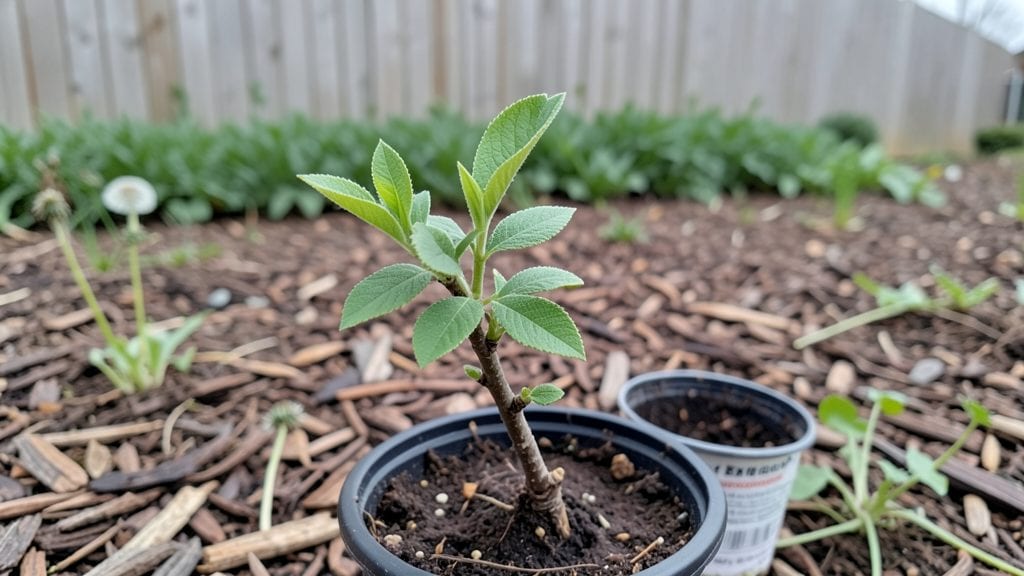
Growing an almond tree from seed is the ultimate test of patience—but the first green shoot breaking through soil after months of waiting makes every step worthwhile. I’ve tried this three times, and each attempt taught me how to push past the challenges of slow germination and unpredictable growth.
The key isn’t just planting the seed; it’s creating the exact conditions almond trees demand to break dormancy and thrive.
You’ll need a fresh, high-quality almond (not roasted or processed), a sterile seed-starting mix, and a way to mimic the Mediterranean climate these trees love—warm days, cool nights, and consistent moisture without soggy soil.
Most beginners rush the stratification step, but skipping it means waiting years for germination. With the right approach, you can see sprouts in 4-6 months instead of never.
What you’ll end up with is a tree that may take 10-15 years to bear fruit, but the journey is where the real reward lies. Watching the first leaves unfurl, then branches form, then tiny flowers appear—each stage feels like a small victory.
The tree you nurture today could produce almonds for decades, and the process itself becomes a lesson in resilience.
This method works for both indoor starts (with a grow light) and outdoor plantings in zones 7-10, though colder climates require container growing. The biggest mistake? Expecting fast results. Almonds grow at their own pace, but with the right care, you’ll have a living legacy in your yard.
📚 In This Guide
- What you need
- Instructions
- Tips and common mistakes
- Wrapping up and next steps
What you need
- ● Almond seeds: 1–2 fresh, high-quality almond pits (preferably from organic or untreated almonds). Avoid store-bought roasted almonds—they’re often treated to inhibit sprouting!
- ● Well-draining potting mix: 1 bag (5–10 quarts) of a blend designed for seeds or seedlings (e.g., 50% peat moss, 30% perlite, 20% vermiculite). Avoid heavy garden soil.
- ● Small pots or seed trays: 2–4 biodegradable pots (3–4 inches in diameter) or a seed tray with drainage holes.
- ● Plastic wrap or humidity dome: 1 sheet or a small propagator to create a mini greenhouse effect.
- ● Watering can or spray bottle: With a fine mist nozzle for gentle hydration.
- ○ Fertilizer (optional but helpful): A balanced, water-soluble fertilizer (e.g., 10-10-10) for seedlings. Dilute to half-strength for young plants.
- ● Sharp knife or scissors: For carefully cracking open the almond pit (sterilize with rubbing alcohol first!).
- ● Paper towels or damp cloth: To aid in stratification (if cold-stratifying).
- ● Plastic bag or airtight container: For cold stratification (if skipping the greenhouse step).
- ○ Grow lights (optional): A full-spectrum LED bulb or fluorescent light for indoor seedlings (12–16 hours of light daily).
- ○ Thermometer (optional): To monitor soil temperature (ideal range: 60–70°F for germination).
- ● Patience: Almond trees from seed can take years to bear fruit (5–10+ years!). Enjoy the journey!
- ● Warmth: A sunny spot (indoors or outdoors) with temperatures above 50°F for germination and growth.
- ● Space: Almond trees need room to grow—plan for a permanent outdoor location (USDA Zones 7–10) once seedlings are sturdy.
Step-by-step instructions for growing an almond tree from seed
Here's how to start your almond tree journey—it's slower than grafting, but the reward is worth it.
Select and Prepare the Almond Seed
Start with a fresh, plump almond from a store-bought nut—just make sure it’s from a non-bitter variety like Nonpareil or Mission. Remove any remaining shell fragments and avoid seeds with cracks or mold. I like to soak the seed in warm water for 24 hours to soften the outer shell and encourage faster germination.
After soaking, gently rub the seed between two sheets of sandpaper to thin the hard shell slightly. This helps the seedling break through more easily. Don’t over-sand—just enough to create tiny scratches. Place the seed between two damp paper towels in a sealed plastic bag and store it in a warm spot (70-75°F), like on top of the fridge. Check daily to keep the towels moist but not soggy.
Plant the Germinated Seed
Once the seed sprouts a 1-2 inch root (usually 7-14 days), it’s ready to plant. Use a small pot (4-6 inches deep) filled with well-draining cactus/succulent mix—almond trees hate soggy roots. Plant the seed 1 inch deep, with the root pointing downward and the sprout facing up. Press the soil lightly around it to secure it without compacting.
Place the pot in bright, indirect light—like a south-facing window—and keep the soil consistently moist but never waterlogged. Almond trees are drought-tolerant once established, but young seedlings need steady moisture. A humidity dome or plastic wrap can help retain moisture while the seedling adjusts. Remove it once the first true leaves (not the initial seed leaves) appear, usually in 2-4 weeks.
Transplant and Care for the Seedling
After the seedling grows 4-6 inches tall and develops 3-4 sets of true leaves, it’s time to transplant into a slightly larger pot (6-8 inches deep). Use the same well-draining mix and plant at the same depth as before—burying too deep can rot the stem. Water thoroughly after transplanting to help it settle into its new home.
Move the seedling outdoors to a protected, sunny spot (like a patio or greenhouse) for 2-3 hours daily, gradually increasing exposure over 1-2 weeks. Almond trees need full sun (6+ hours daily) once mature, but young seedlings can scorch in intense afternoon heat. Watch for yellowing leaves—this usually means too much sun or water stress. Adjust accordingly.
Overwinter and Prepare for Long-Term Growth
Almond trees are not cold-hardy and need protection in winter. Once the seedling is 1-2 feet tall, bring it indoors near a south-facing window or under a grow light for 12-14 hours daily. Reduce watering slightly in winter—let the top 1 inch of soil dry out between waterings. Overwatering in dormancy can lead to root rot.
In spring, when temperatures stay above 50°F at night, you can move the tree back outdoors. This is also the time to fertilize lightly with a balanced 10-10-10 fertilizer to encourage strong growth. Almond trees grown from seed may take 5-10 years to bear fruit, but with patience, you’ll have a unique, hardy tree adapted to your climate.
Tips & tricks for growing almond trees from seed
Here's what nobody tells you about nurturing an almond tree from the ground up—lessons I learned after watching my first seedling struggle.
Seed Selection Matters: Not all store-bought almonds are created equal. While Nonpareil and Mission varieties are reliable, avoid bitter almonds—they won't grow true to type. I've found that almonds from organic stores often have thicker shells that require extra sanding time. Confession: I skipped this step for years and wondered why my germination rates were so low.
Germination Environment: The warm spot you choose for your seed matters more than you'd think. I've had success with a seedling heat mat set to 75°F—it keeps the temperature consistent without the hassle of checking the fridge. If you don't have one, place the bag near a south-facing window where sunlight hits directly. Just avoid direct sunlight on the bag itself, as it can overheat and dry out the towels too quickly.
Transplanting Timing: The 4-6 inch height guideline isn't just arbitrary—it's when the seedling has developed enough root structure to handle the stress of transplanting. I've learned to watch for the third set of true leaves as my final indicator before moving to a larger pot. This timing usually coincides with the height requirement, but not always. Don't rush it—waiting an extra week for perfect conditions makes all the difference.
Pro Tips for Grow Almond Tree From Seed
- Here's what nobody tells you about nurturing an almond tree from the ground up—lessons I learned after watching my first seedling struggle.
- Seed Selection Matters: Not all store-bought almonds are created equal.
- Germination Environment: The warm spot you choose for your seed matters more than you'd think.
Frequently asked questions
Got questions about growing almond trees from seed? You’re not alone! Here are answers to the most common queries—because every gardener deserves a little clarity before diving in.
How long does it take for an almond seed to sprout?
Almond seeds can take anywhere from 2 to 6 weeks to sprout, depending on temperature, moisture, and seed viability. Keep the soil consistently moist (not soggy) and maintain warmth (around 70–80°F) for the best results. Patience is key—some seeds may surprise you with faster growth!
Will my homegrown almond tree produce edible nuts?
Probably not in the first few years—and likely never if grown from seed. Almond trees grown from seed are not true to type, meaning they may produce small, bitter nuts (or none at all). For edible almonds, grafting is required. Save seeds for propagation or buy grafted trees if you want tasty nuts!
How long until my almond tree bears fruit?
If you’re lucky and your seedling survives, expect to wait 10–15 years for potential fruit production. Even then, homegrown trees may not yield edible nuts (see above). For faster results, consider buying a young grafted tree from a nursery—it’ll fruit in 3–5 years with proper care.
What’s the best climate for growing almond trees from seed?
Almond trees thrive in USDA Zones 5–9, but they need warm summers and cold winters to break dormancy. If you live in a tropical or subtropical area, growing from seed may be challenging—consider container gardening or a greenhouse. Young trees are sensitive to frost; protect them in their first few years!
Why isn’t my almond seed sprouting?
Several factors could be at play:
- Poor stratification: Almond seeds need a cold period (like winter) to break dormancy. Try chilling them in the fridge for 4–8 weeks before planting.
- Old or damaged seeds: Use fresh, plump seeds for the best germination rates.
- Improper soil conditions: Ensure well-draining soil and consistent moisture. Overwatering can suffocate seeds!
Wrapping up and next steps
Growing an almond tree from seed is a rewarding journey that demands patience, care, and a little scientific know-how—but the payoff is worth it! 🌱 While success isn’t guaranteed, every step you take strengthens your gardening skills and deepens your connection to nature.
Once your sapling sprouts and thrives, you’ll not only enjoy the beauty of a homegrown tree but also the satisfaction of nurturing life from something as simple as a seed.
Ready to take the next step? Start small:
- Plant a few seeds in pots to experiment with conditions.
- Join local gardening groups for tips and support.
- Document your progress—it’s a fun way to track growth and celebrate milestones!