
Trees
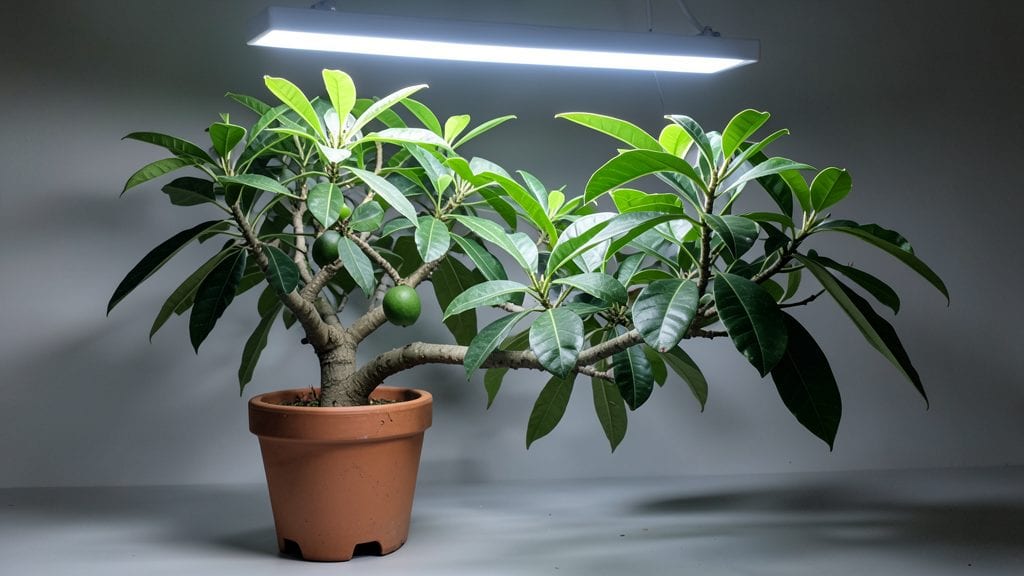
Growing a mango tree indoors from seed is the most rewarding way to bring tropical fruit to your home—though it takes patience, not luck. 🌱 I’ve nurtured three from seed myself, and the first sweet-smelling blossoms in year three make every wait worthwhile.
The key isn’t some secret technique; it’s understanding how to mimic the humid, bright conditions of a mango’s native rainforest.
You’ll need a 5-gallon container with drainage, well-draining potting mix (think 60% potting soil, 30% perlite, 10% coconut coir), and a sunny spot where temps stay between 65-85°F. A grow light helps if your windowsill doesn’t get 6+ hours of bright light daily.
Water only when the top inch of soil feels dry—overwatering is how I lost my first two seedlings.
By year five, you’ll see those signature glossy leaves and maybe even tiny flowers (though fruiting indoors is rare without hand-pollination tricks). The real magic? Watching the seedling stretch toward the light, then later, smelling that unmistakable tropical aroma when flowers appear.
It’s not fast, but the journey turns even a small apartment into a jungle oasis.
Here’s where it gets interesting—some varieties like ‘Haden’ or ‘Keitt’ fruit faster than others, and pruning in winter keeps the shape manageable. We’ll cover all the tricks to maximize your tree’s health and happiness indoors, from soil tests to pest watch. Ready to start your own tropical adventure?
📚 In This Guide
- What you need
- Instructions
- Tips and common mistakes
- Wrapping up and next steps
What you need
- ● Mango seed: A fresh, plump mango pit (avoid overly dried or cracked seeds). Pro tip: 💡 Pick a seed from a ripe, organic mango for the best germination chances!
- ● Well-draining potting soil: A mix of 60% peat or coconut coir, 30% perlite or vermiculite, and 10% sand (or a pre-made cactus/succulent blend). Quantity: ~1 gallon for starting the seed.
- ● Small pots or seedling trays: 3–4 inch diameter with drainage holes (2–3 pots per seed if testing multiple).
- ● Spray bottle: For gentle watering (avoid over-saturating the soil).
- ● Plastic wrap or humidity dome: To create a mini greenhouse effect while the seed germinates.
- ● Grow lights or sunny windowsill: A south-facing window (6+ hours of sunlight daily) or a full-spectrum LED grow light (12–14 hours/day).
- ● Fertilizer: A balanced, water-soluble fertilizer (e.g., 10-10-10 or 20-20-20) diluted to half-strength. Use sparingly—mango trees are sensitive to excess salts!
- ● Humidifier: If your home is dry, especially during germination (aim for 60–70% humidity).
- ● Soil moisture meter: To avoid over/under-watering (mango seeds hate soggy roots!).
- ● Support stake or trellis: For when your seedling grows taller (mango trees can get 6–10 feet indoors with proper care!).
- ● Pruning shears: Small, sharp pair for trimming leggy growth or shaping the tree.
- ● Larger pot (10–15 gallons): For transplanting once the seedling outgrows its starter pot (mango trees need deep roots).
Step-by-step instructions for growing a mango tree indoors
Here's how to turn a single seed into a thriving houseplant that might even bear fruit someday.
🌱 Step 1: Prepare the Seed and Planting Medium
Start with a fresh, plump mango seed—avoid dried or shriveled ones. Scrub off any remaining fruit flesh with warm water and let it air-dry for 24 hours. This prevents mold while keeping the seed viable. I like to wrap the seed in a damp paper towel and place it in a sealed plastic bag for 3-5 days to speed up germination.
Use a small container with drainage holes—4-6 inches deep works well. Fill it with a mix of 50% peat moss and 50% perlite (or coconut coir if you prefer). Moisten the mix until it feels like a damp sponge, not soggy. Press it down gently so the surface is firm but still loose enough for roots to push through.
🌱 Step 2: Plant the Seed and Create Ideal Conditions
Plant the seed 1 inch deep in the soil, with the pointed end facing upward. This is the easiest way to orient it correctly—no need for guesswork. Cover it lightly with additional mix and water gently until the surface looks evenly moist. Place the container in a warm spot, ideally where temperatures stay between 70-85°F.
Mango seeds germinate slowly—2-4 weeks is normal, but some take even longer. Keep the soil consistently moist (not wet) by watering when the top inch feels dry to the touch. A humidity dome or plastic wrap helps trap warmth, but remove it once you see the first signs of sprouting—a tiny green shoot breaking through the soil.
☀️ Step 3: Provide Light and Care for Early Growth
As soon as the seedling emerges, move it to the brightest window you have—south-facing is ideal. Mango trees need 6-8 hours of direct sunlight daily to grow strong. If your home lacks natural light, supplement with a grow light positioned 6-12 inches above the plant for 12-14 hours per day.
Once the seedling reaches 6 inches tall, it’s time to transplant into a slightly larger pot (about 8-10 inches wide). Use the same peat-perlite mix and water thoroughly after repotting. Real talk: The first few leaves might look odd—small, narrow, and not much like a mango tree. That’s normal! Keep the soil moist but never soggy, and watch for new growth.
Tips & tricks for growing a mango tree indoors
Let me share the little-known details that make all the difference when nurturing a mango seed into a thriving houseplant.
Seed Orientation: That pointed end facing up isn't just a suggestion—it's critical. Mango seeds have a natural growth direction, and planting them correctly gives your seedling the best chance to emerge straight and strong. If you're unsure which end is up, look for the tiny white root emerging from the flat side when you crack open the seed.
Germination Environment: The warm, humid conditions you create during the 3-5 day pre-germination phase (wrapped in a damp towel) should feel like a mini greenhouse. If your kitchen stays cooler than 70°F, place the bag near a warm spot like the top of your fridge or near a sunny window. The goal is to mimic tropical conditions where mango trees naturally grow.
Light Transition: When your seedling finally emerges, don't rush to move it to direct sunlight right away. Start with bright, indirect light for the first week, then gradually increase exposure. This prevents sunburn on delicate new leaves. I've seen seedlings get crispy edges from too much direct light too soon—it's heartbreaking after all that waiting!
Transplanting Wisdom: When you reach the 6-inch mark and need to move to an 8-10 inch pot, time your transplant with the plant's growth cycle. The best time is when you see new leaves starting to unfurl—this signals the plant is ready for more space and nutrients. Water thoroughly before and after repotting to reduce transplant shock.
Pro Tips for Grow Mango Tree Indoors
- Let me share the little-known details that make all the difference when nurturing a mango seed into a thriving houseplant.
- Seed Orientation: That pointed end facing up isn't just a suggestion—it's critical.
- Germination Environment: The warm, humid conditions you create during the 3-5 day pre-germination phase (wrapped in a damp towel) should feel like a mini greenhouse.
Frequently asked questions
Got questions about growing a mango tree indoors? You’re not alone! Here are answers to the most common queries to help you succeed with your tropical project.
How long does it take for an indoor mango tree to bear fruit?
A mango tree grown from seed indoors may take 5–10 years to produce fruit—if it ever does! Many seed-grown trees remain ornamental due to inconsistent pollination indoors. For faster results, consider grafting or buying a dwarf variety. Patience is key, but enjoy the lush foliage while you wait!
Can I keep my mango tree indoors year-round, or does it need outdoor time?
While mango trees thrive in bright, warm spaces, they do benefit from occasional outdoor exposure (like a sunny balcony or garden) during spring/summer to boost growth. If you live in a cold climate, bring it inside before temps drop below 50°F (10°C). A grow light can help bridge gaps in sunlight.
Why are my mango tree’s leaves turning yellow or dropping?
Yellow leaves often signal overwatering, underwatering, or nutrient deficiencies. Check the soil—it should stay slightly moist but not soggy. Also, ensure proper drainage and fertilize every 2–3 months with a balanced citrus/mango fertilizer. Brown edges? It might need more humidity (try a pebble tray!).
What’s the best indoor pot size for a young mango tree?
Start with a 5–7 gallon pot for a seedling, then upgrade to 10+ gallons as roots grow. Mango trees have aggressive root systems, so choose a pot with drainage holes and room for expansion. Terracotta pots help prevent root rot, but plastic retains moisture better for beginners.
Are there dwarf mango varieties better suited for indoor growing?
While no true "indoor-specific" dwarf mango exists, varieties like ‘Cogshall’ or ‘Julie’ grow smaller (15–20 ft tall) and adapt better to containers. Grafting a dwarf scion onto a seedling rootstock can also yield compact trees. Research local nurseries for tropical fruit specialists—they may have tips for your climate!
Wrapping up and next steps
Growing a mango tree indoors is a rewarding journey that brings a taste of the tropics right to your home! 🌱 With patience, the right care, and a few simple steps, you can nurture a seed into a thriving plant—and maybe even enjoy homegrown fruit someday. Start today by planting that seed, and watch your green thumb grow!
Ready to dive in? Grab your supplies, follow the steps, and let your mango adventure begin!