Container Gardens
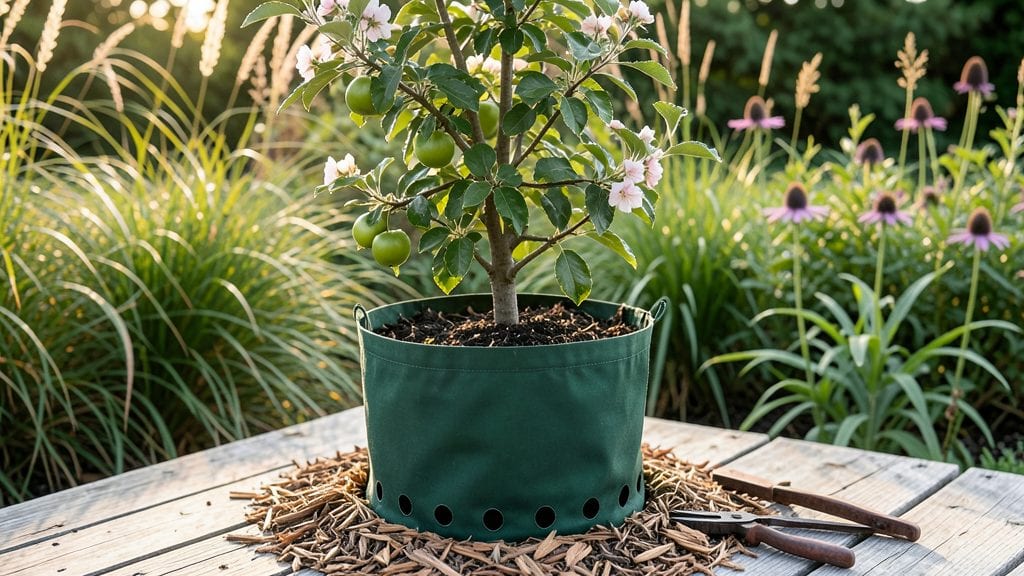
Growing apple trees in containers lets you enjoy homegrown fruit without a yard—just a sunny spot and the right dwarf variety. 🌱 My first attempt with a 'Columnar' apple tree proved it’s possible, though I nearly drowned the roots that first summer.
The key is choosing compact varieties like 'Liberty' or 'Golden Delicious' that thrive in pots while still producing real apples.
You’ll need a 5-gallon minimum container (bigger is better for fruit production), drainage holes, and well-draining potting mix mixed with compost. Most nurseries sell dwarf apple trees already grafted for container life, but check the tag to confirm.
Sunlight is non-negotiable—6-8 hours daily—and watering should be consistent but not soggy.
By year three, you’ll harvest crisp, flavorful apples straight from your patio. The trees stay small enough for balconies or decks, and pruning is simpler than with full-size trees.
Just snip back dead wood in late winter, and you’ll encourage more fruit-bearing branches. The biggest challenge? Pollination—plant two compatible varieties or hand-pollinate with a paintbrush.
Works in urban apartments, rooftops, or even large pots on a driveway. The trade-off is smaller harvests, but the convenience and joy of picking your own apples make it worth it. Ready to grow your own orchard in a pot?
📚 In This Guide
- What you need
- Instructions
- Tips and common mistakes
- Wrapping up and next steps
What you need
- ● Container: At least 15-20 gallons (57-76 liters) per tree, with drainage holes. Tip: Wider pots = better root growth! 🌱✨
- ● Dwarf apple tree: Choose a columnar or semi-dwarf variety (e.g., 'Columnar Evercrisp,' 'Patio Pearl').
- ● High-quality potting mix: Use a well-draining blend (e.g., 60% potting soil, 30% compost, 10% perlite/sand).
- ● Slow-release fertilizer: Balanced (10-10-10) or organic (e.g., fish emulsion).
- ● Mulch: Organic (wood chips, straw) to retain moisture and regulate soil temp.
- ● Support stake: 4-6 ft tall (for stability).
- ● Pruning tools: Sharp bypass pruners + loppers (for shaping and harvest).
- ● Watering can/hose with nozzle: For deep, consistent hydration.
- ● Self-watering system (e.g., drip irrigation or moisture meter).
- ● Pollination aid (e.g., a second tree or hand-pollination with a paintbrush).
- ● Pest control: Neem oil, horticultural oil, or beneficial insects (e.g., ladybugs).
- ● Container saucers or trays (to catch runoff and protect surfaces).
- ● Sunlight meter (to track light exposure for optimal growth).
Step-by-step instructions for cultivating dwarf apple trees in pots
Here's how I've mastered growing productive apple trees in limited spaces—no yard required.
🌱 Step 1: Select the Right Dwarf Variety and Container
Choose a dwarf apple tree (like 'Columnar' or 'Semi-Dwarf') that fits your space and climate zone. These stay under 6 feet tall but still produce full-sized fruit. The container must be at least 18 inches deep and wide—apple roots need room to spread without becoming root-bound.
I use fabric grow bags for my container trees because they allow roots to breathe and prevent waterlogging. If using traditional pots, ensure they have multiple drainage holes—apple trees hate soggy roots. Place a 2-inch layer of gravel at the bottom before adding soil to improve drainage.
🪴 Step 2: Prepare the Potting Mix and Plant Properly
Fill the container with a well-draining potting mix—never garden soil. I blend equal parts potting mix, compost, and perlite to ensure aeration and moisture retention. Moisten the mix until it's damp but not dripping before planting.
Dig a hole twice as wide as the root ball but no deeper. Gently remove the tree from its nursery pot and loosen any circling roots. Position it so the graft union (the bump near the base) sits 1-2 inches above the soil line—this prevents rot and encourages strong growth. Backfill with soil and press lightly to eliminate air pockets.
☀️ Step 3: Position for Sunlight and Water Correctly
Apple trees need full sun (6-8 hours daily)—place your container where it gets morning sun and afternoon shade in hot climates. If your space lacks sunlight, supplement with a grow light for 12-14 hours daily during shorter days.
Water deeply once a week, soaking the soil until it drains from the bottom. Let the top 2 inches of soil dry out between waterings—overwatering causes root rot. Mulch the surface with 2 inches of straw to retain moisture and regulate soil temperature. Avoid letting the mulch touch the trunk.
✂️ Step 4: Prune and Fertilize for Healthy Growth
Prune in late winter or early spring before new growth begins. Remove dead, crossing, or inward-growing branches first, then thin out 25% of the canopy to improve air circulation. Use clean, sharp pruners and make cuts just outside the branch collar.
Fertilize twice a year—once in early spring with a balanced 10-10-10 fertilizer and again in mid-summer with a low-nitrogen, high-phosphorus formula to encourage fruiting. Follow package instructions for amounts, but never exceed recommended doses—apple trees are sensitive to over-fertilization.
🍎 Step 5: Pollinate and Harvest Your Container-Grown Apples
Most apple varieties need cross-pollination—plant two compatible trees in nearby containers. If space is tight, choose self-pollinating varieties like 'Liberty' or 'Enterprise.' Hand-pollinate in spring by gently transferring pollen with a brush if bees aren't visiting.
Harvest when apples easily separate from the tree and have reached their full color. Container-grown apples may ripen 1-2 weeks earlier than ground-planted trees. Store in a cool, dark place for up to 3 months to enjoy your homegrown bounty.
Tips & tricks for perfect container-grown dwarf apple trees
Here's what I learned after years of growing fruit trees in pots—these tricks will help you avoid common pitfalls and maximize your harvest.
Container Size Matters: The 18-inch minimum depth and width isn't just a suggestion—it's non-negotiable for dwarf varieties. I've seen trees in smaller containers become root-bound within two years, stunting growth and reducing fruit production. If you're tempted to use a smaller pot, consider upgrading now rather than struggling later. Fabric grow bags are my go-to because they prevent root circling, which is a silent killer of container-grown trees.
Soil Blend Secrets: That equal parts potting mix, compost, and perlite blend is crucial for aeration, but here's the part nobody tells you: sterilize your mix first. Mix in 1 part perlite with 1 tablespoon of food-grade diatomaceous earth per gallon to prevent fungal issues. I also add a handful of worm castings to the planting hole—it gives your tree a natural growth boost without overfeeding.
Sunlight Strategy: The 6-8 hours of full sun requirement is critical, but timing matters just as much. Position your container to get morning sun first—this helps prevent afternoon heat stress. In hot climates, I move containers to partial shade after 11 AM. For indoor growers, supplement with a full-spectrum LED grow light for those 12-14 hours during winter when daylight is short. The key is consistency—apple trees are light-sensitive and will show stress if their light exposure varies too much.
Pruning Precision: When you're thinning out that 25% of the canopy, aim for an open-center shape rather than cutting back to the center. This creates better airflow and makes fruit easier to harvest. I always prune on a dry day after the tree has been watered—this helps prevent disease transmission through the pruning wounds. Sterilize your pruners between cuts with rubbing alcohol to prevent spreading bacterial canker, a common container tree problem.
Pro Tips for Growing Apple Trees In Containers
- Here's what I learned after years of growing fruit trees in pots—these tricks will help you avoid common pitfalls and maximize your harvest.
- Container Size Matters: The 18-inch minimum depth and width isn't just a suggestion—it's non-negotiable for dwarf varieties.
- Soil Blend Secrets: That equal parts potting mix, compost, and perlite blend is crucial for aeration, but here's the part nobody tells you: sterilize your mix first.
Frequently asked questions
Got questions about growing apple trees in containers? You’re not alone! Here are some of the most common concerns—and their answers—to help you get started with confidence.
What’s the best dwarf apple tree variety for containers?
Opt for compact, self-pollinating varieties like ‘Columnar’ (e.g., ‘Northpole’), ‘Columnar’ ‘Red River,’ or ‘Spindle’ types (e.g., ‘Liberty’ or ‘Enterprise’). These stay under 8–12 feet tall, thrive in pots, and produce abundant fruit. Avoid standard varieties—they outgrow containers quickly!
How long does it take for a container-grown apple tree to bear fruit?
Patience is key! Dwarf apple trees typically take 3–5 years to bear fruit, but some precocious varieties (like ‘GoldRush’) may produce in as little as 2 years. Ensure full sun, proper pruning, and consistent care to speed up the process.
How often should I water a potted apple tree?
Water deeply 2–3 times per week in summer (or daily in extreme heat), but check soil moisture first—containers dry out fast. Mulch the topsoil to retain moisture, and reduce watering in winter (unless pots are in a heated space). Yellow leaves? Often a sign of overwatering!
Can I grow apple trees in containers indoors?
Not ideal! Apple trees need 6–8 hours of direct sunlight daily—indoors, they’ll struggle without grow lights. Instead, place containers in a sunny patio, balcony, or greenhouse. If indoors is your only option, supplement with LED grow lights (12+ hours/day) and expect slower growth and fewer fruits.
What pests should I watch for in container-grown apple trees?
Keep an eye out for aphids, spider mites, and codling moths (a major apple pest). Use neem oil or insecticidal soap for soft-bodied pests, and wrap trunks with tree collars to deter moths. Pro tip: Inspect leaves weekly, especially under foliage, and remove damaged fruit promptly to prevent infestations.
How do I repot or prune a dwarf apple tree as it grows?
Repot every 2–3 years or when roots circle the container. Choose a pot just 2–4 inches larger in diameter, and prune in late winter to remove dead wood, crossing branches, and suckers. Thin out 10–20% of the canopy to improve airflow and fruit production. Use sharp, sterilized shears!
Wrapping up and next steps
Growing apple trees in containers is a rewarding way to enjoy fresh fruit—even in small spaces! 🍏 With the right dwarf variety, proper care, and a little patience, you’ll soon be harvesting juicy apples right from your balcony or patio.
Start by choosing a healthy tree, ensuring it has the right container, soil, and sunlight, and don’t forget to prune and fertilize regularly.
Ready to take the next step? Pick your favorite dwarf apple variety today and get planting! Whether you’re a beginner or a seasoned gardener, container-grown apples bring a taste of orchard life right to your doorstep. Happy growing! 🌱