
Pruning
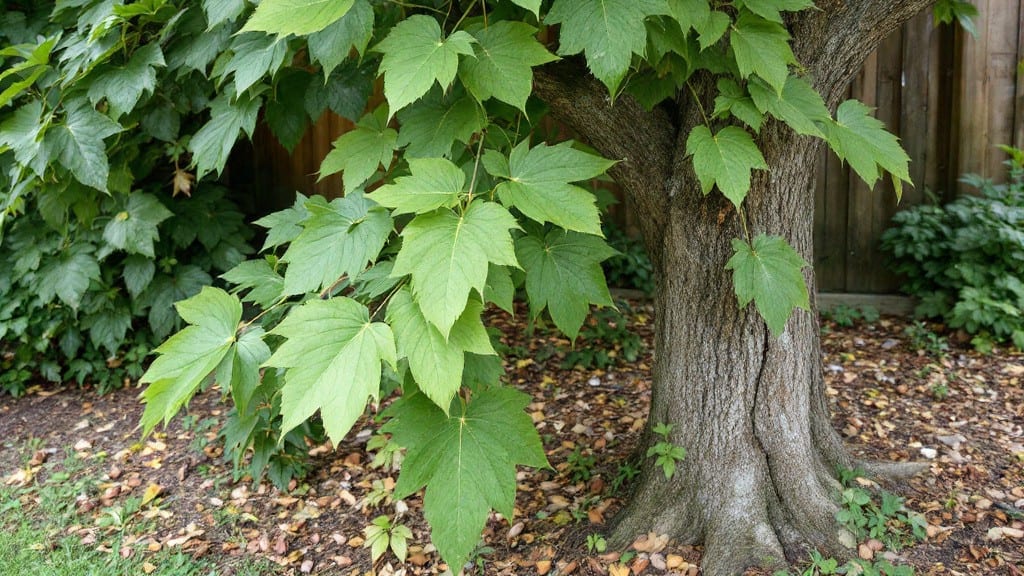
Growing hardy pecan trees in the Pacific Northwest feels like planting a future—one that delivers shade, wildlife habitat, and a harvest of crunchy nuts for decades. 🌳 These trees thrive where others freeze, their cold-resistant roots and thick bark making them perfect for zones 5 through 9.
My first pecan tree now stands taller than my garage, and it’s only 8 years old.
The secret to success starts with well-drained soil and a sunny spot with room to grow—these trees need 60+ feet of space to spread their branches.
Planting in early spring gives roots time to establish before summer heat, and a 5-gallon container-grown tree (not a bare-root sapling) handles transplant shock better. Watering deeply once a week keeps them happy without drowning the roots.
By year 10, you’ll see those first pecans—though harvesting takes patience. The real magic happens in late winter when you prune out dead wood and shape the canopy for better airflow (and easier nut collection).
With proper care, your tree could produce 50+ pounds of pecans annually by maturity, plus the bonus of year-round interest for birds and pollinators.
Works in urban lots, rural homesteads, or even large backyards—just avoid planting near sidewalks or driveways. Let’s get those roots growing strong!
📚 In This Guide
- What you need
- Instructions
- Tips and common mistakes
- Wrapping up and next steps
What you need
- ● Hardy pecan tree sapling: Choose a cold-hardy variety like ‘Desirable,’ ‘Mohawk,’ or ‘Western Scholar’ (Zone 5-7). Buy from a reputable nursery (1-2 trees for optimal pollination).
- ● Shovel or digging spade: Medium-sized (18-24"), with a sharp edge for clean digging.
- ● Garden hose or watering can: For thorough watering (5+ gallons per tree post-planting).
- ● Mulch (wood chips or straw): 2-3 inches thick, organic and weed-free.
- ○ Tree stake (optional but recommended): 1-2 stakes (1.5" diameter, 6-8 ft tall) + soft tree ties.
- ● Pruning shears or loppers: Bypass pruners (for clean cuts) + loppers (for thicker branches).
- ● Fertilizer (balanced, slow-release): 10-10-10 NPK ratio (follow package rates, ~1 lb per year of tree age).
- ○ Soil test kit (optional): To check pH (pecans prefer 6.0-7.5).
- ● Sunlight: Full sun (6+ hours daily). Choose a spot with no overhead power lines!
- ● Well-draining soil: Pecans hate soggy roots. Amend clay soil with compost (50% soil, 50% compost mix).
- ● Spacious planting site: Minimum 40 ft from structures, sidewalks, or other trees (they grow 50-70 ft tall!).
- ● Water source: Drip irrigation or soaker hose for consistent moisture (critical in PNW’s dry summers).
- ● Patience: Pecans take 5-10 years to bear nuts, but the wait is worth it! 💪
Step-by-Step instructions for planting hardy pecan trees in the Pacific Northwest
Here's how to establish a thriving pecan orchard that thrives in cooler climates.
🌱 Step 1: Choose the Right Location and Prepare the Soil
Pecan trees need full sun—at least 6-8 hours daily—and plenty of space to grow. In the Pacific Northwest, select a site with well-draining soil and shelter from strong winds, which can stress young trees. Avoid low spots where cold air collects, as pecans are sensitive to frost pockets.
Test your soil for pH—pecans prefer slightly acidic to neutral soil (pH 6.0-7.5). If your soil is heavy clay, amend it with 2-3 inches of organic compost and 1 inch of coarse sand to improve drainage. Work the amendments into the top 12 inches of soil, where roots will establish. Real talk: Pecans hate soggy feet, so don’t skip this step if your yard holds water.
🪴 Step 2: Plant Bare-Root Trees at the Right Time
Plant bare-root pecan trees in early spring, just as buds begin to swell but before new growth starts. This timing gives roots 6-8 weeks to establish before summer heat arrives. Dig a hole twice as wide as the root ball but only as deep—planting too deep suffocates the tree.
Place the tree in the hole so the graft union (the bump where the top and rootstock meet) sits 2-3 inches above soil level. This prevents rot and ensures proper healing. Backfill with native soil (no amendments here—you already prepped the hole), then water deeply to settle the soil and eliminate air pockets. You’ll know it’s right when the soil surface looks slightly firm but not compacted.
☀️ Step 3: Water Deeply and Mulch for Retention
Water once a week for the first month to encourage root growth, then taper to every 2-3 weeks once established—unless your summer is unusually dry. Pecans are drought-tolerant once mature, but young trees need consistent moisture. Water slowly and deeply, aiming for 1-2 inches per week, to encourage deep rooting.
Spread 3-4 inches of organic mulch (like wood chips or straw) in a 3-foot-wide ring around the tree, keeping it 6 inches away from the trunk. Mulch locks in moisture, regulates soil temperature, and suppresses weeds. Refresh the mulch annually—it breaks down faster than you’d think. Here’s the thing: Mulch too close to the trunk invites rot, so keep that gap.
✂️ Step 4: Prune for Structure and Airflow
Prune in late winter or early spring before buds swell. Remove dead, crossing, or diseased branches first—these are easy to spot. Then, thin the canopy to open it up, allowing sunlight and air to reach the center. Aim for a rounded shape with branches spaced 12-18 inches apart on mature trees.
Never remove more than 25% of the canopy in one year—pecans are slow to recover from heavy pruning. Use clean, sharp pruners to make cuts just outside the branch collar (the swollen area where the branch meets the trunk). Seal larger cuts with pruning sealant to prevent disease entry. You’ll see stronger growth and fewer pests when airflow improves.
⏰ Step 5: Fertilize and Monitor for Pests
Apply a balanced fertilizer (10-10-10) in early spring when buds swell, then again in mid-summer after harvest. Use ½ cup per inch of trunk diameter—so a 4-inch trunk gets 2 cups. Avoid high-nitrogen fertilizers; they promote leafy growth at the expense of nuts. Water the fertilizer into the soil to prevent root burn.
Watch for pecan weevils, aphids, or powdery mildew, common in Pacific Northwest orchards. Treat infestations early with neem oil or horticultural oil—both are safe for trees and beneficial insects. Shake trees occasionally to dislodge pests like aphids. Healthy trees resist pests better, so prioritize soil health and proper watering over reactive treatments.
Tips & tricks for perfect hardy pecan tree growth
Here's what I've learned from years of growing pecans in challenging climates—these tricks make all the difference.
Sunlight Strategy: The 6-8 hours of sunlight requirement in Step 1 is non-negotiable, but here's the thing: In the Pacific Northwest's shorter summer days, prioritize south-facing locations. If your yard has partial shade, choose the sunniest spot available and consider removing nearby shade trees. I've seen trees in east-west orientations struggle with late afternoon shade—it's subtle but noticeable in growth patterns.
Soil Prep Secret: When amending heavy clay soil in Step 1, don't just mix in compost and sand—create a dedicated planting mound. Pile the amended soil into a 12-inch-high mound in your prepared hole. This elevation improves drainage and prevents waterlogging during our rainy winters. The roots will naturally seek the higher, drier soil, giving your tree a head start.
Planting Precision: That 2-3 inch graft union elevation in Step 2 is crucial, but here's what nobody tells you—use a small wooden stake as a reference. Before planting, mark the stake at 2-3 inches above the root ball. This visual guide ensures consistent placement every time, especially when planting multiple trees. I've planted dozens this way and never had rot issues from inconsistent depths.
Watering Wisdom: The 1-2 inches per week guideline in Step 3 works perfectly, but here's my actual practice: I use a rain gauge near the tree to track accumulation. When we get consistent summer rains (which we do in the PNW), I reduce watering to every 4-5 weeks. The key is checking soil moisture—stick your finger 2 inches down. If it's dry, water; if moist, wait. Overwatering is the silent killer of young pecans.
Pro Tips for Hardy Pecan Tree
- Here's what I've learned from years of growing pecans in challenging climates—these tricks make all the difference.
- Sunlight Strategy: The 6-8 hours of sunlight requirement in Step 1 is non-negotiable, but here's the thing: In the Pacific Northwest's shorter summer days, prioritize south-facing locations.
- Soil Prep Secret: When amending heavy clay soil in Step 1, don't just mix in compost and sand—create a dedicated planting mound.
Frequently asked questions
Got questions about growing a hardy pecan tree in your Pacific Northwest garden?
You’re not alone! Here are some of the most common concerns—plus practical answers to help you thrive.
How cold-hardy are pecan trees, and will they survive PNW winters?
A hardy pecan tree (like the ‘Western Schley’ or ‘Moapa’) can tolerate winters down to -10°F to -15°F with proper care. In the PNW, mulching heavily around the base and protecting young trees with burlap wraps in extreme freezes will give them the best shot. Mature trees often handle the region’s damp, chilly winters better than expected!
When is the best time to plant a pecan tree in the Pacific Northwest?
Plant your pecan tree in early spring (March–April) or fall (October–November) for optimal root establishment. Avoid planting in late fall or winter, as frozen soil can stunt growth. Give it at least 6–8 weeks before the first hard frost to ensure roots have time to settle.
Do pecan trees need a pollinator, or can I grow just one?
Most pecan varieties are self-pollinating, but planting two compatible trees (like ‘Moapa’ and ‘Western Schley’) improves nut production. For best results, space them 50–100 feet apart to ensure cross-pollination. If space is limited, choose a self-fertile variety like ‘Desirable’ (though yields may be lower).
My pecan tree’s leaves are yellowing—what’s wrong?
Yellow leaves often signal nutrient deficiency (common in PNW soils) or overwatering. Check for:
- Iron/chlorosis: Apply chelated iron in early spring.
- Poor drainage: Ensure soil isn’t soggy—pecans hate “wet feet.”
- Pests/fungus: Look for aphids or powdery mildew; treat with neem oil if needed.
Can I grow pecans in containers, or do they need a large yard?
Pecan trees have massive root systems and need deep, well-drained soil—containers are not recommended. In small spaces, consider dwarf varieties (like ‘Pawnee’) or grow them in large raised beds with at least 3–4 feet of depth. Even then, expect slower growth and lower yields compared to in-ground planting.
Wrapping up and next steps
Growing a hardy pecan tree in the Pacific Northwest isn’t just rewarding—it’s a statement of resilience! With the right soil, pruning know-how, and patience, you’ll soon enjoy a thriving canopy that provides shade, beauty, and delicious nuts. 🌳✨
Ready to dive in? Start by assessing your space and gathering your tools—then roll up your sleeves and give your pecan tree the care it deserves. Whether you’re a seasoned gardener or a curious beginner, every step brings you closer to a lush, cold-resistant masterpiece.
Next up: Mark your calendar for early spring—it’s the perfect time to prune and prep for the growing season!