
Pruning
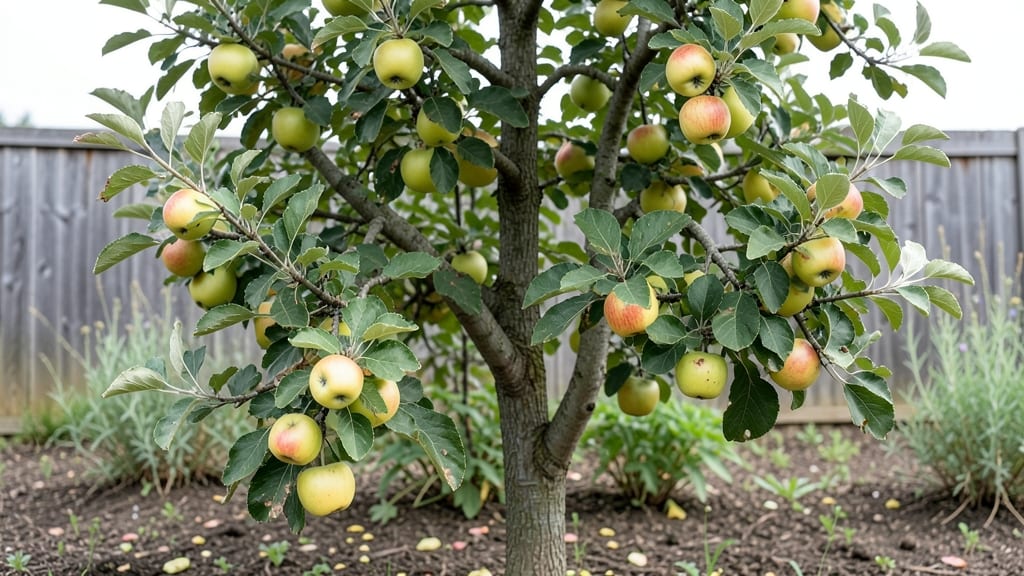
Caring for a Honeycrisp apple tree means unlocking sweet, crisp fruit that rivals store-bought—if you nail the frost-resistant growing cycle. 🌳 I learned the hard way that skipping seasonal adjustments leads to small harvests or bitter apples, but mastering these three seasons transforms your tree into a reliable producer.
The secret isn’t complicated: spring pruning to encourage strong branches, summer watering that keeps roots cool without drowning them, and fall protection against early frosts. My first Honeycrisp tree struggled until I adjusted my approach—now it yields 50+ pounds of fruit annually with minimal effort.
The key is balancing sunlight, soil, and timing at each stage.
You’ll end up with a tree that thrives even in cooler climates, producing apples with that signature juicy snap and honeyed flavor. The branches stay sturdy, the blossoms set fruit reliably, and pests rarely become a problem. Best of all, the care routine becomes second nature after the first year.
Whether you’re planting a bare-root sapling or pruning an established tree, these seasonal adjustments work for both backyard orchards and container growers. Let’s get your Honeycrisp thriving from bud break to harvest.
📚 In This Guide
- What you need
- Instructions
- Tips and common mistakes
- Wrapping up and next steps
What you need
- ● Honeycrisp apple tree sapling (choose a dwarf, semi-dwarf, or standard variety based on space—dwarf trees are ideal for small yards!)
- ● Pruning tools: Bypass pruners (for clean cuts on small branches)
- ● Loppers (for thicker branches, ¾"–2" diameter)
- ● Pruning saw (for large branches, 2"+ diameter)
- ● Gloves (heavy-duty, cut-resistant for safety)
- ● Disinfectant (70% isopropyl alcohol or pruning sealant) (to prevent disease spread)
- ● Organic mulch (wood chips or straw, 2–4 inches deep)
- ● Well-draining soil mix (amend with compost if needed)
- ● Fertilizer (balanced 10-10-10 or organic options like composted manure)
- ● Drip irrigation system or hose with spray nozzle (for consistent watering)
- ● Tree stakes & ties (if planting a young sapling for support)
- ● Tree wrap (to protect bark from winter sunscald)
- ● Frost cloth (for young trees in early spring/fall)
- ● Soil moisture meter (to track hydration levels)
- ● Pest control (neem oil or horticultural oil for aphids/mites)
- ● Fruit thinning shears (if you plan to manage fruit load)
Step-by-step instructions for growing a thriving Honeycrisp apple tree
Here's how I've nurtured Honeycrisp trees through harsh winters and bountiful harvests.
🌱 Step 1: Plant in Early Spring for Strong Root Establishment
Choose a sunny location with 6-8 hours of direct sunlight and well-draining soil. Honeycrisp trees thrive in slightly acidic soil with a pH of 6.0-6.5. Dig a hole twice as wide as the root ball but only as deep—planting too deep suffocates roots and causes stress.
Gently remove the tree from its container and loosen any circling roots with your fingers. Place the tree in the hole so the graft union (visible bump near the base) sits 2-3 inches above soil level
Backfill with native soil mixed with 2-3 inches of compost to improve fertility. Water deeply until moisture reaches 12 inches down, then create a 3-foot diameter watering basin around the base. Mulch with 3-4 inches of organic mulch, keeping it 6 inches away from the trunk to prevent rot. Water 1-1.5 inches per week, more during fruit development. Young trees need consistent moisture, but avoid overhead watering after 10 AM to prevent fungal diseases like apple scab. I use a soaker hose buried 6 inches deep in the watering basin to deliver moisture directly to roots. Fertilize in early summer with 10-10-10 granular fertilizer spread 6 inches from the trunk and watered in. Avoid high-nitrogen fertilizers after mid-summer—they promote leafy growth at the expense of fruit quality. Watch for codling moths and aphids; I apply horticultural oil sprays preventatively every 2 weeks during bloom and fruit set. Thin fruit when they're 1 inch diameter to 6-8 inches apart. This ensures larger, higher-quality apples. Remove any fruit growing near the trunk or in dense clusters—these rarely ripen properly and compete with healthier fruit. Apply 4-6 inches of mulch around the base in late fall to insulate roots. Wrap the trunk with tree wrap or burlap to prevent sunscald during winter thaws. I also install a tree guard to protect against rodent damage—voles and rabbits will gnaw bark in winter when food is scarce. Prune in late winter (after last frost) to remove dead, crossing, or diseased branches. Make cuts at a 45-degree angle just above an outward-facing bud. Open the center of the tree to improve airflow and sunlight penetration—Honeycrisp trees need good circulation to prevent fungal issues. Monitor for winter desiccation if temperatures fluctuate above freezing. If bark appears dry or cracked, apply anti-desiccant spray to protect the tree until new growth starts in spring. This is especially critical for young trees still establishing their root systems.☀️ Step 2: Summer Care Focuses on Water and Pest Prevention
⏰ Step 3: Winter Protection for Frost Resistance
Tips & tricks for perfect Honeycrisp apple tree growth
Here's what I've learned after years of nurturing Honeycrisp trees through every season—these are the details that make all the difference.
Soil Science Matters: Before planting, test your soil's pH using a simple kit from your local garden center. Honeycrisp trees demand that 6.0-6.5 pH range—if your soil is too alkaline, amend with sulfur or peat moss. I've seen trees struggle in pH 7.0 soil, even with perfect sunlight and watering. The roots simply can't access nutrients properly, leading to stunted growth and poor fruit development.
The Graft Union Secret: That little bump near your tree's base—the graft union—must stay 2-3 inches above soil level. I've made the mistake of burying it too deep, and the tree wasted energy growing underground sprouts instead of producing fruit. Mark the graft union with a small flag or paint spot to monitor its position as soil settles over time.
Watering Wisdom: The 3-foot diameter watering basin isn't just decorative—it's essential. Water should penetrate 12 inches deep to encourage deep root growth. I use a rain gauge to measure exactly 1-1.5 inches per week, adjusting during fruit development. Morning watering prevents fungal diseases, but avoid wetting leaves after 10 AM to give them time to dry before evening.
Pruning Precision: When you're thinning fruit to 6-8 inches apart, use sharp pruners and make clean cuts at a 45-degree angle just above an outward-facing bud. I've found that leaving too many apples creates competition—they'll all be small and misshapen. Also, remove any fruit growing near the trunk; these rarely mature properly and can harbor pests.
Pro Tips for Honeycrisp Apple Tree Care
- Here's what I've learned after years of nurturing Honeycrisp trees through every season—these are the details that make all the difference.
- Soil Science Matters: Before planting, test your soil's pH using a simple kit from your local garden center.
- The Graft Union Secret: That little bump near your tree's base—the graft union—must stay 2-3 inches above soil level.
Frequently asked questions
Got questions about growing and maintaining your Honeycrisp apple tree? You’re not alone! Here are some of the most common concerns—and their answers—to help you keep your tree thriving.
How cold can a Honeycrisp apple tree tolerate?
A Honeycrisp apple tree is highly frost-resistant, handling temperatures as low as -25°F (-32°C) once established. Young trees (under 3 years) may need winter protection like mulch or burlap wraps in extreme freezes. Plant in full sun for best cold-hardiness!
When is the best time to prune a Honeycrisp apple tree?
Prune in late winter or early spring (before buds swell) for best results. Avoid heavy pruning in fall, as wounds may not heal before winter. Light summer pruning (after harvest) can improve airflow and reduce disease risk.
How long does it take for a Honeycrisp apple tree to bear fruit?
With proper care, Honeycrisp trees typically bear fruit in 3–5 years. Patience pays off—young trees focus on root and branch growth first. Cross-pollination with another apple variety (like Fuji or Gala) ensures fruit set.
What pests or diseases should I watch for?
Common threats include apple scab, codling moths, and aphids. Prevent issues with:
- Regular fungicide sprays (copper-based for scab).
- Neem oil or insecticidal soap for pests.
- Removing fallen leaves to reduce fungal spores.
Can I grow a Honeycrisp apple tree in a container?
Yes, but it’s challenging—Honeycrisp trees grow large (12–15 ft tall). Use a 50+ gallon container with drainage holes and well-draining soil. Dwarf varieties (like Honeycrisp on M.9 rootstock) are better suited. Expect smaller yields and more frequent repotting.
Wrapping up and next steps
Growing a Honeycrisp apple tree is a rewarding journey that combines patience, care, and a little seasonal know-how! 🌳 From nurturing young saplings through frost-prone winters to mastering pruning techniques in spring and summer, each step ensures your tree thrives—and delivers those sweet, juicy rewards.
With the right tools, timing, and attention to detail, you’ll be harvesting crisp, flavorful apples in no time.
Ready to take the next step? Start small: plant your tree in well-draining soil, mark your seasonal pruning calendar, and watch your orchard grow! 🍏✨