Size
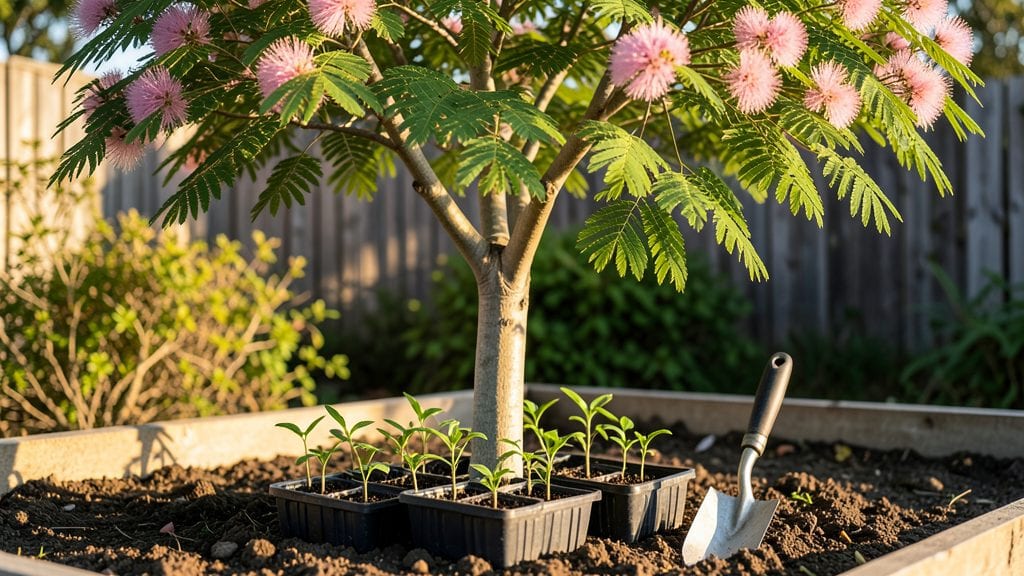
Growing a mimosa tree in the Pacific Northwest means embracing its fussy nature while unlocking those dreamy pink blooms by summer. 🌸 The key isn’t just planting—it’s mastering the pruning blueprint that keeps your tree healthy through our damp winters and mild summers.
I’ve learned the hard way that skipping this step leads to weak branches and fewer flowers, but once you get it right, your tree becomes the showstopper of your yard.
The secret starts with the right spot: full sun for at least 6 hours daily, well-draining soil, and shelter from strong winds. Mimosa trees hate soggy roots, so amend heavy clay with compost and mulch heavily to protect roots during our wet winters.
They’re frost-sensitive too, so wait until after the last frost to plant—usually late May in most of the PNW. The payoff? A tree that blooms reliably for decades with minimal fuss once established.
Pruning isn’t just about shaping—it’s about revitalizing the tree after winter dormancy. Cut back dead or crossing branches in early spring, then do a light thinning in summer to improve airflow.
This keeps the tree strong and encourages those iconic fluffy blooms. With the right care, you’ll have a tree that’s both sturdy and stunning, thriving in our unique climate.
Even in the PNW, mimosa trees can struggle with pests like spider mites or powdery mildew—so keep an eye out and address issues early. The good news? Once you’ve got the pruning rhythm down, your mimosa becomes nearly maintenance-free. Ready to grow one that’s built to last in our region?
📚 In This Guide
- What you need
- Instructions
- Tips and common mistakes
- Wrapping up and next steps
What you need
- ● Mimosa Tree Seedlings or Saplings: 1–2 nursery-grown plants (3–5 feet tall, hardy to zones 6–9)
- ● OR seeds (soaked overnight for faster germination)
- ● Well-Draining Soil Mix: 50% native soil (sandy loam preferred)
- ● 30% compost or aged manure
- ● 20% perlite or coarse sand (for drainage)
- ● Garden Tools: 1 trowel (for planting)
- ● 1 pruning shears (sterilized, for shaping)
- ● 1 watering can or hose (with adjustable nozzle)
- ● Container or Planting Site: In-ground: Full-sun spot (6+ hours/day) with at least 15 feet of space (mimosas get wide!)
- ● Container: 1–2 large pots (minimum 18" diameter, drainage holes required)
- ● Mulch: 2–3 inches of wood chips or pine straw (keeps roots cool in PNW summers)
- ● Fertilizer: Balanced 10-10-10 or slow-release granular (1 cup per tree, spring/fall)
- ● Soil pH tester (ideal range: 6.0–7.5; mimosas tolerate slight alkalinity)
- ● Tree support stake (if planting in windy PNW areas)
- ● Drip irrigation system (for consistent moisture)
- ● Epsom salt (1 tbsp/month in water for magnesium boost)
- ● Fungicide (like neem oil, for powdery mildew prevention)
Step-by-Step guide to planting and pruning a mimosa tree
Here's how to establish a thriving mimosa in your Pacific Northwest yard.
🌱 Step 1: Choose the Perfect Planting Spot
Mimosas love full sun—at least 6-8 hours daily—so pick a location with southern or western exposure. In the Pacific Northwest's cooler climate, a spot sheltered from harsh winds works best. The soil should drain well; mimosas hate soggy roots. If your yard has heavy clay, amend with 2-3 inches of compost before planting.
Dig a hole twice as wide as the tree's root ball but no deeper. This encourages roots to spread horizontally rather than settling too low. The top of the root ball should sit 1 inch above ground level—this prevents water from pooling around the trunk. Gently loosen the roots if they're circling tightly, which often happens with container-grown trees.
🪴 Step 2: Plant and Water Thoroughly
Place the mimosa tree in the hole and backfill with native soil, tamping lightly every 6 inches to eliminate air pockets. Water deeply right after planting to help soil settle and eliminate gaps. You'll need about 5 gallons of water for a young tree—enough to soak the root zone to 12 inches deep.
Mulch around the base with 2-3 inches of wood chips, keeping it 6 inches away from the trunk to prevent rot. This mulch ring helps retain moisture and regulate soil temperature. Avoid piling mulch against the bark—this can smother the tree and attract pests. Water again in 3-4 days, then maintain a schedule of deep watering every 7-10 days unless rain provides adequate moisture.
✂️ Step 3: Prune for Pacific Northwest Resilience
Prune your mimosa in late winter or early spring before new growth begins. Remove any dead, diseased, or crossing branches first—these are easy to spot as they're brown, brittle, or growing toward the center of the tree. Use clean, sharp pruners to make cuts just outside the branch collar (the swollen area where the branch meets the trunk).
For shaping, focus on opening the canopy to improve airflow and sunlight penetration. Mimosas in the Pacific Northwest often grow leggy due to cloudy winters, so prune back overly long branches by one-third to encourage bushier growth. Never remove more than 25% of the tree's foliage in one season—this stresses the plant and invites disease.
☀️ Step 4: Maintain Through the Seasons
Fertilize in early spring with a balanced 10-10-10 formula—use about ½ cup per inch of trunk diameter. Water deeply before applying fertilizer to help distribute nutrients. Avoid fertilizing in fall or winter; the tree needs to rest. In the Pacific Northwest, mimosas benefit from light pruning in summer to control size and shape, but avoid heavy pruning after mid-July—this encourages tender new growth that won't harden off before winter.
Watch for aphids or spider mites, common pests in the region. If you spot sticky residue on leaves or fine webbing, spray with neem oil or a soapy water solution (1 tablespoon mild dish soap per gallon of water). Always apply treatments in the early morning to avoid burning leaves in the afternoon sun. A healthy mimosa in the Pacific Northwest will reward you with vibrant pink blooms in late spring and lush foliage all summer.
Tips & tricks for perfect mimosa tree growth in the Pacific Northwest
These tricks will help your mimosa thrive in our unique climate and avoid common pitfalls.
Sunlight Strategy: While mimosas need that full sun, Pacific Northwest skies can be deceiving. If your yard gets afternoon shade, consider a southern exposure for the critical 6-8 hours of direct sunlight—those afternoon rays are the most intense. I've seen mimosas struggle in east-facing spots where morning sun gets blocked by neighboring trees. A simple trick: observe your yard's sunlight patterns for a week before planting to map out the sunniest location.
Root Ball Prep: When you're loosening those circling roots in Step 1, don't just pull them apart—make 2-3 vertical cuts around the root ball with a sharp knife. This helps roots spread more naturally in the wider hole you've prepared. I learned this the hard way after seeing roots grow in tight circles underground instead of expanding outward. The cuts should be shallow—just enough to break the tension without damaging the main roots.
Watering Wisdom: That 5 gallons of water right after planting isn't just for settling soil—it's creating a moisture reservoir. In our region's cooler temperatures, water penetrates soil more slowly. After planting, I like to use a garden hose with a gentle spray attachment to water slowly for about 10 minutes, letting the water soak in completely. This prevents surface runoff and ensures the roots get properly hydrated.
Pruning Precision: When shaping your mimosa in Step 3, focus on creating an open center rather than just trimming random branches. The goal is to let sunlight reach the inner branches, which encourages more blooms. I use a simple mnemonic: "Inside leaves lose"—remove any branches growing inward. This creates that beautiful, airy canopy while preventing disease from poor airflow.
Pro Tips for Grow A Mimosa Tree
- These tricks will help your mimosa thrive in our unique climate and avoid common pitfalls.
- Sunlight Strategy: While mimosas need that full sun, Pacific Northwest skies can be deceiving.
- Root Ball Prep: When you're loosening those circling roots in Step 1, don't just pull them apart—make 2-3 vertical cuts around the root ball with a sharp knife.
Frequently asked questions
Got questions about growing your own mimosa tree? Here are some of the most common ones—plus straightforward answers to help you succeed!
Can I grow a mimosa tree in the Pacific Northwest?
The Albizia julibrissin (common mimosa) struggles in PNW’s wet, cool climate, but Acacia species like Acacia dealbata (silver wattle) thrive! These alternatives bloom beautifully and tolerate the region’s weather. Always check local frost dates—most acacias need USDA Zones 7-10.
How long does it take for a mimosa tree to bloom?
With proper care, mimosa trees (or acacia alternatives) typically bloom 3–5 years after planting. Patience pays off! Young trees focus on root growth, so avoid heavy pruning early. Pro tip: Fertilize lightly in spring to encourage faster flowering.
Why aren’t my mimosa leaves turning pink or purple?
Pink/purple foliage (like in Acacia) fades in cooler weather or poor sunlight. Ensure your tree gets full sun (6+ hours/day) and well-draining soil. Overwatering can also dull colors—let the top inch of soil dry between waterings.
When’s the best time to prune a mimosa tree?
Prune after blooming (late summer/early fall) to shape the tree and remove dead branches. Avoid heavy pruning in winter—PNW’s damp air can stress cuts. Safety first: Wear gloves; mimosa leaves and sap can irritate skin.
Are mimosa trees good for bees and pollinators?
Mimosa trees (and acacias) produce fragrant, nectar-rich flowers that attract bees, butterflies, and hummingbirds. Plant near pollinator gardens to boost local biodiversity. Just avoid spraying pesticides during bloom season!
What if my mimosa tree’s leaves are yellowing?
Yellow leaves often signal overwatering, root rot, or nutrient deficiency. Check soil moisture—acacias hate soggy roots. Amend soil with compost and ensure good drainage. If spots appear, it could be fungal; treat with neem oil if needed.
Wrapping up and next steps
Growing a mimosa tree in the Pacific Northwest is totally doable with the right care—patience, proper pruning, and a little love! 🌿 Whether you’re drawn to its delicate blooms or adaptable nature, your efforts will reward you with a stunning, low-maintenance tree that thrives in your climate.
Now that you’re armed with the perfect pruning blueprint, go ahead and give it a try—your future mimosa will thank you!
Ready to take the next step? Start small—plant a sapling or propagate from cuttings—and watch your tree grow into a beautiful centerpiece for your garden. Happy planting! 🌱