
Pruning
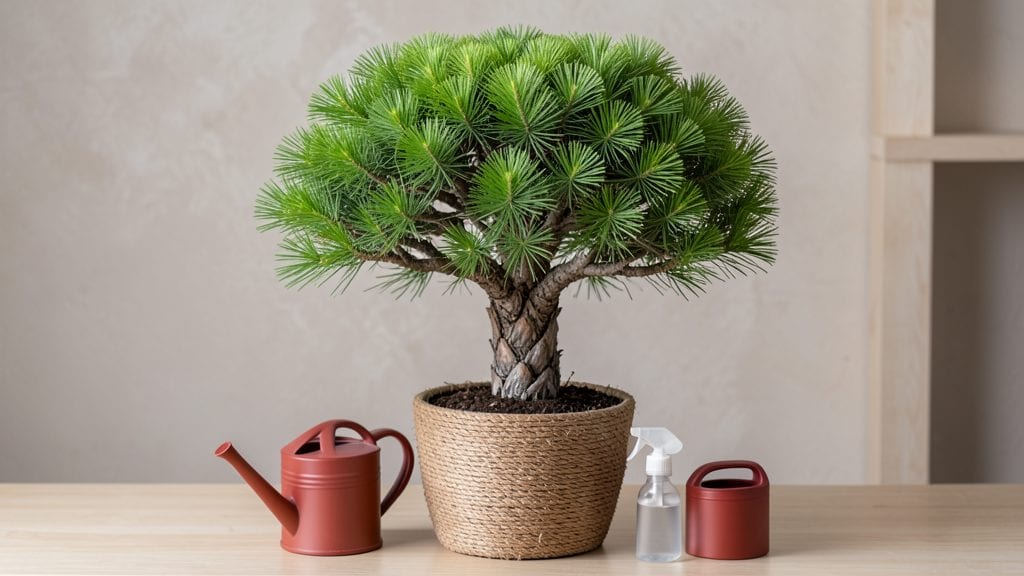
Learn how to make a real Xmas tree last longer—start with a clean cut at the trunk, or watch it shed needles faster than a spring thaw. 🌲 lets it drink up water instead of just sitting there thirsty.
The science is simple: trees drink through their trunk, not their branches, and a fresh cut keeps that water flowing like a straw in a glass.
You only need a few things to pull this off: a sharp saw or hatchet, a bucket that holds at least 1 gallon of water, and a tree stand that keeps it steady. I use a basic plastic stand from the hardware store—no fancy gadgets needed.
The real secret? A tree preservative (or even a few drops of dish soap) in the water to reduce bacteria that clogs the trunk. Trust me, this one trick adds days to your tree's life.
Once you've got it set up, keep the stand filled with fresh water—at least every 24 hours—and place the tree away from heat vents or direct sunlight, which dry it out faster than a summer afternoon.
You'll notice the difference immediately: fewer needles on the floor, brighter green color, and that fresh-pine scent lingering long after December 25th. The best part? Your tree will stay vibrant enough to take photos with that look like it came straight from a Hallmark movie.
When the holidays end, don't toss it! Many communities offer tree recycling programs that turn old trees into mulch or habitat for wildlife. Just check local guidelines—some even pay you for your used tree.
Now go enjoy that tree without the guilt of watching it turn into a brown pile before New Year's Eve.
📚 In This Guide
- What you need
- Instructions
- Tips and common mistakes
- Wrapping up and next steps
What you need
- ● Fresh-cut Christmas tree (preferably Fraser fir, Douglas fir, or Balsam fir—they hold up best!)
- ● Tree stand (or a sturdy bucket/container) with a wide base (at least 12–18 inches in diameter)
- ● Water (at least 1 gallon per inch of tree trunk diameter—e.g., a 5-inch trunk needs 5 gallons!)
- ● Pruning shears or sharp scissors (for trimming the trunk)
- ● Measuring tape or ruler (to check water levels)
- ○ Anti-desiccant spray (like Krinkle Kote—optional but highly recommended!)
- ● Tree preservative powder (like TreeSave) to slow needle drop
- ● A water-level indicator (clear tube or food coloring to track hydration)
- ● Tree lights with cool LED bulbs (to reduce heat stress on needles)
- ● A humidifier nearby (if your home is super dry)
Step-by-Step instructions for maximizing your Christmas tree's freshness
Here's how to keep your tree vibrant for weeks—no guesswork, just science-backed care.
💧 Step 1: Prep the Tree Base for Optimal Water Uptake
Start by cutting 2-3 inches off the trunk at a 45-degree angle using a sharp saw or handsaw. This fresh cut exposes fresh wood fibers that drink up water immediately. Do this right after bringing the tree home—even if you're not setting it up yet. I like to do this outside so the sawdust doesn't mess up my floors.
Place the tree in a wide, sturdy stand (at least 10 inches deep) filled with 1 gallon of water. The wider the base, the more surface area for water absorption. If your stand is shallow, prop the tree up with a support to keep it stable. Trees drink through their entire trunk, not just the bottom—so more water contact means more hydration.
☀️ Step 2: Hydrate Immediately and Keep Water Levels High
Fill the stand with 1 gallon of water right after cutting the trunk. Check the water level daily—evaporation happens fast, especially with heaters nearby. Top off with ½ gallon of water every day or two. I set a reminder on my phone because I always forget until the tree starts looking thirsty.
Here's the thing—never let the water level drop below the base of the tree. If it does, the tree can't drink properly, and needles dry out within hours. For extra insurance, add ½ cup of tree preservative (like those blue packets) to the water. It reduces bacteria growth that can clog the trunk and slow water uptake.
🌿 Step 3: Position for Airflow and Avoid Heat Sources
Place your tree in a spot with even airflow—away from closed doors, vents, or direct heat sources like fireplaces. Heat dries out needles faster than you'd think. I keep mine near a window with indirect sunlight, which actually helps maintain moisture levels naturally.
Rotate the tree every few days so all sides get equal light exposure. This prevents uneven drying and keeps the shape looking full. If you notice one side browning faster, that’s your cue to move it or adjust its position. A well-placed tree stays lush for 3-4 weeks—sometimes even longer if conditions are right.
⏰ Step 4: Monitor Needle Health Daily
Run your hand over the branches every other day. Fresh needles should feel spruce and slightly flexible. If they feel dry or crispy to the touch, it’s a sign the tree needs more water or better airflow. I also check the color—healthy needles stay deep green, not yellow or brown.
If you see needles dropping, don’t panic—it’s normal for a few to fall daily. But if you’re losing more than a handful per day, your tree might be thirsty or stressed. Give it a fresh water boost and move it away from heat sources. A well-hydrated tree sheds minimally and stays vibrant longer.
Tips & tricks for perfect Christmas tree care
Keeping your tree fresh and vibrant for weeks is all about understanding how it drinks and breathes. Here's what I've learned from years of holiday tree battles.
Cut at the Right Angle: That 45-degree cut in Step 1 isn't just for looks—it creates maximum surface area for water absorption. I've seen trees drink up to 3 times more water with this cut compared to a straight cut. Use a sharp saw to avoid crushing the trunk fibers, which can block water flow. If you're doing this outside, wear gloves—the sap can be surprisingly sticky!
Stand Size Matters: A 10-inch deep stand is non-negotiable for most trees. I've tried shallow stands, and within 48 hours, the water level drops below the base, leaving the tree thirsty. For extra-large trees, consider a tub-style base that holds 2 gallons—these are game-changers for maintaining hydration. Just make sure it's sturdy enough to support your tree's weight.
Water Temperature Hack: Fill your stand with room-temperature water instead of straight-from-the-faucet cold. Cold water can shock the tree's system and slow water uptake. I like to use water that's been sitting out for a few hours—it's gentler on the tree and helps prevent needle drop. This small change can add an extra week to your tree's freshness.
Preservative Power: That ½ cup of tree preservative in Step 2 isn't optional—it's insurance. The blue packets you buy at stores contain anti-bacterial agents that prevent the water from turning into a bacteria soup within 24 hours. I've seen trees last double as long with preservative compared to plain water. If you can't find the packets, a pinch of bleach (1/8 teaspoon) per gallon works in a pinch, but it might slightly discolor the water.
Pro Tips for Make A Real Xmas Tree Last Longer
- Keeping your tree fresh and vibrant for weeks is all about understanding how it drinks and breathes.
- Cut at the Right Angle: That 45-degree cut in Step 1 isn't just for looks—it creates maximum surface area for water absorption.
- Stand Size Matters: A 10-inch deep stand is non-negotiable for most trees.
Frequently asked questions
Got questions about keeping your real Christmas tree fresh and lush? You’re not alone! Here are some of the most common queries—and science-backed answers—to help you enjoy your tree longer this holiday season.
How often should I water my real Christmas tree?
Water your tree daily—yes, even if it doesn’t look thirsty! A freshly cut tree can drink up to a gallon of water per day. Check the stand’s water level; if it’s below the base of the trunk, refill it immediately. Pro tip: Use warm water to help the tree absorb moisture faster.
Why is my tree dropping needles so fast?
Needle drop is normal, but excessive shedding (over 100 needles per day) signals dehydration. This happens when the trunk seal dries out or the tree isn’t getting enough water. To fix it, recut the trunk at a 45-degree angle and soak it in water for 1–2 hours before replanting. If the damage is done, a tree preservative can help slow further loss.
Can I keep my tree outside after Christmas?
Storing your tree outside (in a cool, shaded spot) can extend its life for next year. Bury the trunk in a 6-inch trench filled with water to keep it hydrated. Cover the roots with soil or mulch to protect them from freezing. Just avoid stacking trees—this can crush the branches and damage the trunk.
What’s the best way to revive a droopy tree?
If your tree looks wilted, don’t panic! First, trim ¼ inch off the trunk and soak it in warm water for 1–2 hours. Then, add a tree preservative (like aspirin or commercial solutions) to the water to boost hydration. Place the tree in a cool room for a few hours to recover before returning it to your decorated space.
Are there any natural alternatives to chemical tree preservatives?
Yes! Mix a few drops of food-grade hydrogen peroxide (3%) or a crushed aspirin tablet into the water to prevent bacterial growth and improve absorption. You can also use a splash of white vinegar (1 tbsp per gallon) to keep the water fresh. These DIY options are safe, budget-friendly, and effective!
Wrapping up and next steps
With these science-backed hydration hacks, your real Christmas tree can sparkle through the holidays—and beyond! 🌲✨ Whether you’re using a fresh-cut tree or a potted one, the secret lies in consistent care and a little prep work.
Remember: a well-hydrated tree isn’t just about aesthetics—it’s also about safety and joy.
Now that you’re armed with the know-how, take the next step! Grab your tree, set up your stand, and give it the love it deserves. Your holiday season—and your tree—will thank you. Happy decorating! 🎄💛