
Pruning
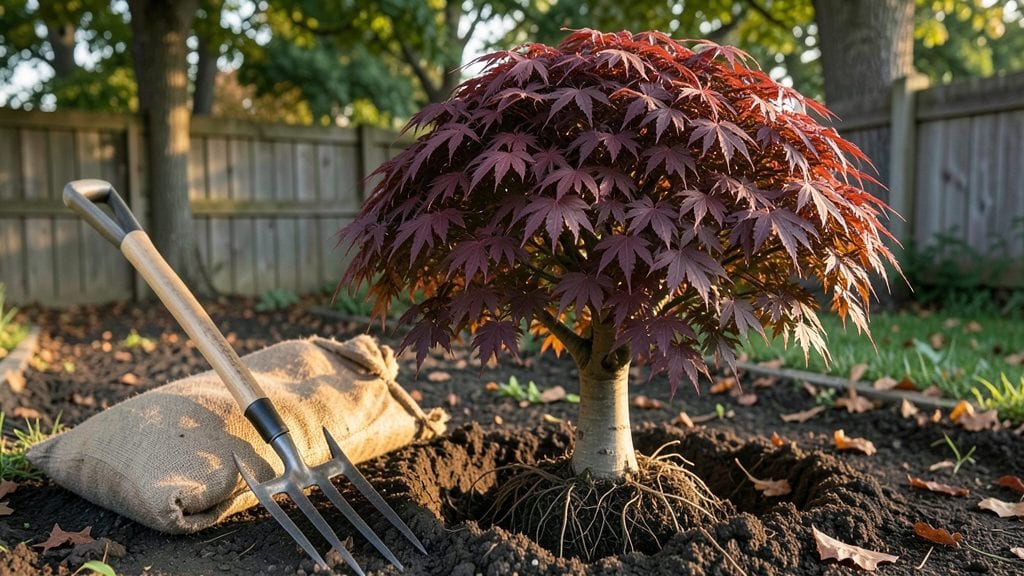
Moving a small tree without killing it starts with timing—spring or fall, when roots are active but not stressed by extreme heat or cold. 🌳 I’ve transplanted half a dozen young trees this way, and the secret lies in preparing both the tree and its new home before you even touch the shovel.
The tools you’ll need are simple: a sharp spade, burlap, root stimulator, and a wheelbarrow to haul everything. Dig a hole twice as wide as the root ball and loosen the soil around the edges to reduce shock.
Most people rush this step, but taking your time here makes all the difference—roots need space to breathe and settle.
Once it’s in the ground, water deeply to eliminate air pockets, then mulch to keep moisture in. You’ll know it’s thriving when new leaves appear within a month, and the tree’s growth stays steady through the season.
The key is patience—trees recover faster than you think if you handle them right.
Even with perfect technique, mistakes happen. Avoid wrapping roots too tightly in burlap, overwatering immediately after transplanting, or moving trees during drought. Stick to these rules, and your small tree will thank you for years to come.
📚 In This Guide
- What you need
- Instructions
- Tips and common mistakes
- Wrapping up and next steps
What you need
- ● Shovel or spade: A digging shovel (16–24 inches wide) or a transplanting spade (for precision). Avoid a flat-edged spade—it can damage roots.
- ● Pruning shears or loppers: Sharp, bypass pruners (for trimming roots or branches if needed). Size: 6–8 inches for small trees.
- ● Garden fork or root prong: Helps loosen compacted soil around the root ball. Look for a heavy-duty fork with tines 12–18 inches long.
- ● Wheelbarrow or tarp: A 5–6 cubic foot wheelbarrow or a 6x8 ft sturdy tarp to transport the tree and soil.
- ● Burlap or landscape fabric: 2–3 yards of 100% natural jute burlap (no synthetic blends) to wrap the root ball.
- ● Twine or baling twine: 50–100 feet of 3/8-inch wide twine for securing the burlap.
- ● Hose with nozzle: For gentle watering before and after moving. A soft spray attachment helps avoid soil erosion.
- ● Gloves: Heavy-duty gardening gloves (waterproof, with reinforced palms) to protect from thorns and soil.
- ○ Knee pads or cushion: Optional but highly recommended for comfort during digging.
- ● Root stimulator: A powder or gel (like Rootone) to reduce transplant shock. Apply to fresh root cuts.
- ● Mulch: 3–4 inches of organic mulch (pine straw, wood chips) for post-move care.
- ● Tree stake or tie-down kit: If your tree is tall or top-heavy, use 2–3 stakes and soft tree ties for support.
- ● Soil amendment: Compost or peat moss to mix into the new hole for better drainage.
- ● Measuring tape: To ensure the new hole is 2–3 times wider than the root ball.
Step-by-step instructions for moving a small tree safely
Here's how I've successfully transplanted young trees without losing a single one.
🪴 Step 1: Prepare the New Location First
Choose a spot with similar growing conditions—same light exposure and soil type as the tree's current home. Dig a hole twice as wide as the root ball and as deep as the container or root system. This gives roots room to spread without bending.
Loosen the soil at the bottom of the hole with a garden fork. Breaking up compacted soil prevents root suffocation. Mix in any amendments you used in the original planting spot to maintain consistency. Water the hole thoroughly before planting—this settles the soil and removes air pockets.
🌱 Step 2: Carefully Remove the Tree from Its Current Spot
Water the tree 24 hours before moving to reduce transplant shock. For container-grown trees, wrap the root ball in burlap and lift gently. For in-ground trees, dig a 12-inch-wide trench around the base, then use a spade to lift the root ball while keeping soil attached.
If roots are circling the container, untangle them gently with your hands—never cut healthy roots. I've found that even small trees appreciate having their roots loosened slightly before planting. This encourages outward growth instead of circling, which can strangle the tree over time.
💧 Step 3: Plant and Stabilize the Tree
Place the tree in the hole so the top of the root ball sits 1-2 inches below ground level. This prevents stem rot from sitting too high. Fill the hole with native soil, tamping down gently every 2 inches to eliminate air pockets. Never use amended soil here—it disrupts the natural root-soil interface.
Water deeply after planting to settle the soil. For young trees, I create a watering basin around the base by mounding soil slightly higher than the surrounding area. This directs water straight to the roots where it's needed most. Add 2-3 stakes if needed, but don't over-tighten—they should just provide gentle support.
☀️ Step 4: Protect and Maintain Through Recovery
Mulch with 2-3 inches of organic mulch, keeping it 6 inches away from the trunk. This preserves moisture and regulates soil temperature. Water deeply every 2-3 days for the first two weeks, then gradually reduce to once a week once new growth appears.
Shade the tree for 1-2 weeks if moving during hot weather. I use shade cloth or temporary shade structures to reduce stress. Watch for wilting or yellowing leaves—these are signs of either overwatering or underwatering. Most trees show new growth within 4-6 weeks if everything's right.
Tips & tricks for moving a small tree safely
Moving a tree without causing damage takes more than just digging and replanting—here's what I've learned from years of trial and error.
Timing is Everything: The 24-hour watering before moving is non-negotiable for container-grown trees. This gives roots time to absorb moisture and become more pliable. For in-ground trees, water the day before and again right before lifting. I've seen trees with roots that were so dry they snapped during transplant—always check moisture levels by digging down 2-3 inches first. The soil should feel damp but not soggy.
Root Ball Integrity: When you dig that 12-inch-wide trench around in-ground trees, work slowly to avoid tearing roots. I use a sharp spade and angle it outward to lift the root ball intact. For container trees, if roots are circling, gently tease them apart with your fingers—never cut healthy roots. Think of it like untangling headphones: patience prevents damage. If you must cut, only trim roots that are growing inward toward the center.
Planting Depth Matters: That 1-2 inch depth below ground level for the root ball isn't just a suggestion—it's crucial for stability. Too high and you risk stem rot from poor drainage; too deep and roots suffocate. I use a level to check the top of the root ball sits perfectly 1-2 inches below finished soil level. Pro tip: Mark the original depth with a pencil on the pot before removing it to reference during planting.
Post-Planting Care: The deep watering every 2-3 days for two weeks isn't just about hydration—it's about helping roots establish in their new home. I've seen trees wither because people watered lightly or inconsistently. Use a rain gauge to measure 1 inch of water per session, and always water at the base, not overhead. The watering basin trick really works—it's like giving your tree its own little pond for a few weeks.
Pro Tips for Move A Small Tree Without Killing It
- Moving a tree without causing damage takes more than just digging and replanting—here's what I've learned from years of trial and error.
- Timing is Everything: The 24-hour watering before moving is non-negotiable for container-grown trees.
- Root Ball Integrity: When you dig that 12-inch-wide trench around in-ground trees, work slowly to avoid tearing roots.
Frequently asked questions
Got questions about moving your small tree safely?
You’re not alone—transplanting can feel tricky! Here are answers to the most common concerns to keep your tree thriving during the big move.
When is the best time of year to move a small tree?
The ideal window is early spring (just before buds swell) or late fall (after leaves drop but before hard frost). Avoid extreme heat or cold—roots need time to recover! If you’re in a mild climate, spring is safest. Evergreens can handle fall better, but avoid winter moves.
How long will it take for my tree to recover after moving?
Most small trees show signs of recovery in 4–6 weeks, but full stabilization takes 1–2 years. Watch for new growth (leaves, shoots) and avoid heavy pruning during this time. Patience is key! Drought stress or pests may delay healing—keep an eye on soil moisture and mulch.
Can I move a tree with a shovel alone, or do I need professional help?
For trees under 3–4 feet tall with a narrow root ball, a shovel and 2–3 helpers work fine. Larger roots or heavy soil may require a tree spade or professional excavator. If the tree is over 6 feet or near structures, call an arborist—roots can be deeper than you think!
What if my tree’s leaves turn brown or drop after moving?
This is normal stress—but act fast! Check for overwatering (soggy soil) or underwatering (crispy edges). Trim any wilting branches to redirect energy. If half the canopy is affected, your tree may need extra care (like anti-transplant shock fertilizer). Keep it shaded for a week or two to reduce further stress.
Are there any trees I should never try to move myself?
Yes! Avoid DIY moves for:
- Large oaks, maples, or pines (aggressive roots, heavy canopies).
- Trees with shallow, wide root systems (like willows or birches).
- Any tree over 15 feet tall—professionals have the tools to protect roots.
Wrapping up and next steps
Moving a small tree doesn’t have to be a gamble—with the right prep, patience, and care, your leafy friend can thrive in its new home! 🌱 The key is minimizing stress by pruning roots, watering wisely, and choosing the perfect timing.
Whether you’re relocating for aesthetics, space, or health, you’ve got this!
Now that you’re armed with the know-how, take the next step: mark your calendar for the best moving window (early spring or fall) and gather your tools. Your tree’s fresh start is just a shovel’s throw away! 🌳✨