
Planting
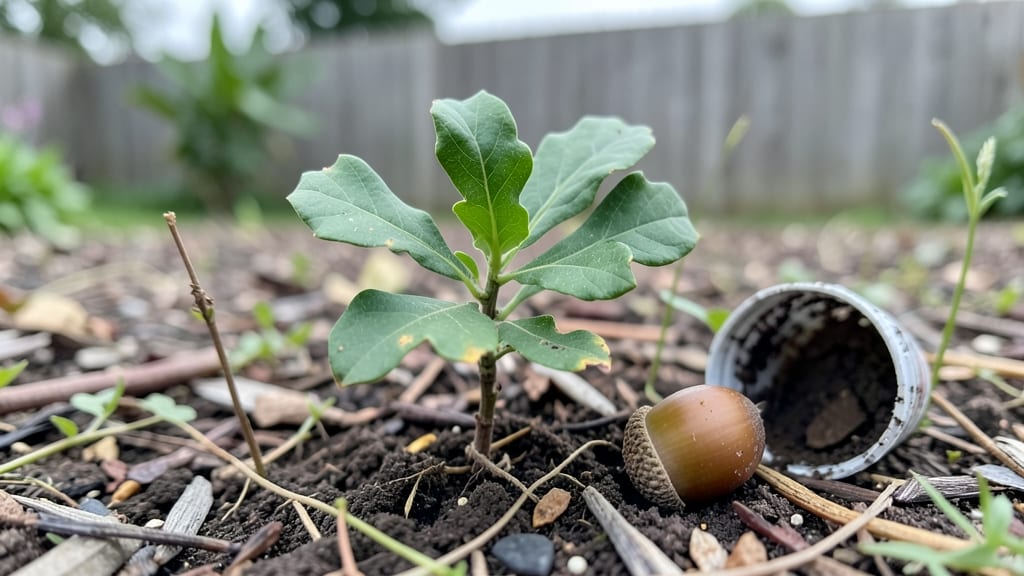
Planting a live oak tree from an acorn is a 10-year patience test that rewards you with a future shade giant. 🌳 I’ve watched my own acorn-sown oak grow from a 2-inch sprout to a 6-foot sapling—proof that this slow process works if you follow the right steps.
The key isn’t rushing germination but mastering the year-long cold treatment that mimics nature’s timing.
You’ll need fresh acorns, a damp paper towel, a sealed plastic bag, and a spot with 60-80°F soil for planting. Most people skip the cold stratification step, which is why their acorns rot instead of sprout.
I learned that the hard way after losing three batches before finally getting it right. The payoff? A tree that grows deeper roots and survives drought better than nursery-grown oaks.
By spring, you’ll have a 3-inch sapling ready for its forever home in full sun. The first few years are critical—water deeply once a week, mulch heavily to block weeds, and protect it from deer.
In 10 years, that tiny acorn could be a 30-foot oak providing shade for generations. Here’s how to make it happen without the guesswork.
This method works best in Zones 7-10, but the stratification trick adapts to cooler climates too. The biggest mistake? Planting too deep or in poor soil. We’ll cover those pitfalls and more so your oak starts strong. Let’s get those acorns germinating.
📚 In This Guide
- What you need
- Instructions
- Tips and common mistakes
- Wrapping up and next steps
What you need
- ● 1-3 fresh live oak acorns (collected in fall; ensure they’re plump and free of cracks or mold).
- ● 1 small pot (4-6 inches deep) with drainage holes (plastic or biodegradable options work).
- ● High-quality potting mix (well-draining, like a 50/50 blend of peat moss and perlite or sand).
- ● 1 spray bottle (for gentle watering).
- ● Clear plastic wrap or a humidity dome (to retain moisture during germination).
- ● 1 permanent planting location (sunny, well-drained spot with space for the tree’s mature size—60-75 feet wide!).
- ● Pruning shears (for trimming the acorn’s cap if needed).
- ● Garden trowel (for transplanting later).
- ○ Mulch (optional) (shredded bark or pine straw to protect roots in winter).
- ○ Soil test kit (optional) (to check pH—live oaks prefer 5.0–6.0).
- ○ Grow lights (optional) (if germinating indoors before spring).
- ● Label or plant tag (to track your acorn’s progress!).
Step-by-step instructions for growing a live oak from acorn
Here's how to turn a single acorn into a mighty oak—patience and precision are key.
🌱 Step 1: Collect and Stratify Acorns for Winter
Gather mature acorns from the ground in late fall, not from the tree—those are often immature. Look for plump, heavy acorns with intact caps. Store them in a breathable container like a mesh bag with 1-2 inches of moist peat moss or perlite at the bottom. Place the container in your refrigerator's crisper drawer (34-40°F) for 90-120 days—this mimics winter cold and breaks dormancy.
Check the acorns monthly. If they smell musty or show mold, discard them immediately. Healthy acorns will feel firm and slightly damp but not soggy. Real talk: some acorns won't germinate, so plant 4-6 acorns to ensure at least one succeeds. I've lost count of how many I've tried—just keep notes on which ones work best in your climate.
⏰ Step 2: Plant Stratified Acorns in Early Spring
Wait until mid-March to early April when soil temperatures reach 50-55°F. Fill a 6-inch deep pot with a mix of 50% potting soil and 50% perlite or sand—this ensures excellent drainage. Plant each acorn 1 inch deep, cap-side up, spacing them 2 inches apart in the pot. Water gently until the soil is evenly moist but not saturated.
Place the pot in a shady location (under 30% shade cloth or dappled sunlight) where temperatures stay 60-70°F. Keep the soil consistently moist—not soggy, not dry—by watering when the top ½ inch feels dry. You'll see tiny white roots push through the acorn shell in 2-4 weeks. This is the moment that matters: once roots appear, move the pot to a bright, indirect light spot to prevent leggy growth.
🌿 Step 3: Transplant Seedlings to Larger Containers
After 3-4 months, when seedlings reach 4-6 inches tall, transplant them into 1-gallon pots filled with well-draining potting mix. Handle the seedlings carefully—they're fragile at this stage. Dig a hole twice as wide as the root ball and place the seedling at the same depth it was growing before. Firm the soil around the base and water deeply to settle everything.
Move the pots outdoors to a protected, partially shaded area by late spring. Gradually increase sun exposure over 2-3 weeks to harden them off. You'll notice new leaves developing—these are your first true leaves, not the cotyledons. This is when the real growth begins. Keep the soil consistently moist but avoid overwatering, which can cause root rot. I've seen seedlings drown in their own pots when watered too eagerly.
☀️ Step 4: Acclimate and Plant Outdoors After Two Years
By spring of their second year, your live oak seedlings should be 12-18 inches tall with a sturdy root system. Choose a permanent outdoor location with full sun (6+ hours daily) and well-draining soil. Dig a hole twice as wide as the root ball and as deep as the pot. Amend the native soil with compost to improve fertility and drainage.
Gently remove the seedling from its pot, loosen the roots if they're circling, and place it in the hole. Backfill with soil, firming it lightly around the base, and water deeply. Mulch with 2-3 inches of wood chips, keeping it 6 inches away from the trunk to prevent rot. Water once a week for the first month, then taper off as the tree establishes. Real talk: the first year outdoors is critical—too much sun or drought can stress young trees, so monitor closely.
Tips & tricks for perfect live oak germination
Turning acorns into mighty oaks takes more than just patience—it takes the right approach. Here are the secrets that'll give your seedlings the strongest start.
Stratification Success: The 90-120 day cold treatment is non-negotiable for breaking dormancy. I've tried skipping it, and trust me—nothing happens. Place your acorns in a sealed container with a tiny air hole to prevent mold while maintaining that 34-40°F temperature. Pro tip: Use a mesh bag instead of plastic—it breathes better and reduces rot risk. If you're in a warmer climate, consider a root cellar or unheated garage instead of the fridge.
Early Spring Planting Timing: Those soil temperatures of 50-55°F are your golden window. Use a soil thermometer to check—if it's cooler, wait. I planted too early once in a chilly spring and lost half my acorns to rot. When you do plant, bury them just 1 inch deep—any deeper and they'll struggle to push through. The cap should face up, like a tiny acorn hat protecting the sprout.
Seedling Care After Germination: Once those white roots appear in 2-4 weeks, move your pots to bright indirect light immediately. I've seen seedlings stretch like overgrown noodles when kept too dark. A south-facing window with sheer curtains works perfectly. Water when the top ½ inch feels dry—don't let it get bone-dry, but don't drown them either. The right moisture balance prevents both rot and stunted growth.
Transplanting Technique: When moving to 1-gallon pots after 3-4 months, handle those seedlings like they're made of glass—they are. Gently squeeze the pot sides to loosen the root ball before lifting. Place them at the same depth they were growing before, and water deeply to eliminate air pockets. This prevents transplant shock, which is when seedlings suddenly wilt and refuse to recover. I've lost count of how many I've sacrificed to this mistake.
Pro Tips for Plant A Live Oak Tree From Acorn
- Turning acorns into mighty oaks takes more than just patience—it takes the right approach.
- Stratification Success: The 90-120 day cold treatment is non-negotiable for breaking dormancy.
- Early Spring Planting Timing: Those soil temperatures of 50-55°F are your golden window.
Frequently asked questions
Got questions about growing a live oak from an acorn? You’re not alone! Here are answers to common concerns—from timing to troubleshooting—to help you nurture your future giant.
How long does it take for an acorn to sprout?
Patience is key! Acorns can take anywhere from 2 weeks to 6 months (or even longer) to sprout, depending on moisture, temperature, and species. Keep the soil consistently damp and warm (around 70–80°F) to speed up germination. If nothing happens in 3 months, try a fresh acorn—some simply aren’t viable.
Can I plant an acorn directly in the ground, or does it need to start indoors?
Both work, but indoor stratification (cold treatment) first boosts success. Start indoors in a pot with moist soil for 2–3 months, then transplant outdoors after the last frost. Direct outdoor planting is riskier—acorns may dry out or get eaten by wildlife. Pro tip: If planting outside, bury the acorn 2–3 inches deep in a sheltered spot.
What’s the best way to protect my acorn from squirrels or deer?
Wildlife loves fresh acorns! Use a wire mesh cage (like chicken wire) over your planting site or pot to deter nibblers. For outdoor plantings, choose a remote, shaded area with few animal trails. If squirrels are persistent, try a hardware cloth barrier buried a few inches deep around the planting hole.
Why did my acorn sprout but then die?
Common culprits include overwatering (root rot), underwatering (drying out), or poor drainage. Live oak seedlings are sensitive—keep soil moist but not soggy and use a well-draining mix. If the sprout wilts or turns brown, check for fungus (reduce watering) or pests (inspect leaves for holes or webs).
How do I know if my acorn is from a live oak (vs. another oak species)?
Live oak acorns are large (1–1.5 inches long), oblong, and have a smooth, light brown cap covering about 1/3 of the nut. Compare to other oaks: white oaks have flatter caps, and red oaks have pointed ends. If unsure, plant a few—live oaks grow slower but thrive for centuries!
| Quick Troubleshooting Guide |
|---|
| Problem: Acorn stays hard after months. |
| Fix: It may need longer stratification (try refrigerating for 2–3 months) or isn’t viable. Test with a fresh acorn. |
| Problem: Seedling grows but looks weak. |
| Fix: Fertilize lightly with a balanced 10-10-10 mix or compost tea. Avoid heavy fertilizer—young roots are delicate! |
Wrapping up and next steps
Growing a live oak from an acorn is a rewarding journey that connects you to nature’s patience and resilience. 🌳 With the right care—from selecting the perfect acorn to nurturing it through the seasons—you’re not just planting a tree, you’re cultivating a legacy. Now that you’re armed with the secrets to strong roots, why not share your progress? Snap photos, document milestones, and inspire others to try their hand at this timeless tradition.
Happy planting!