
How To
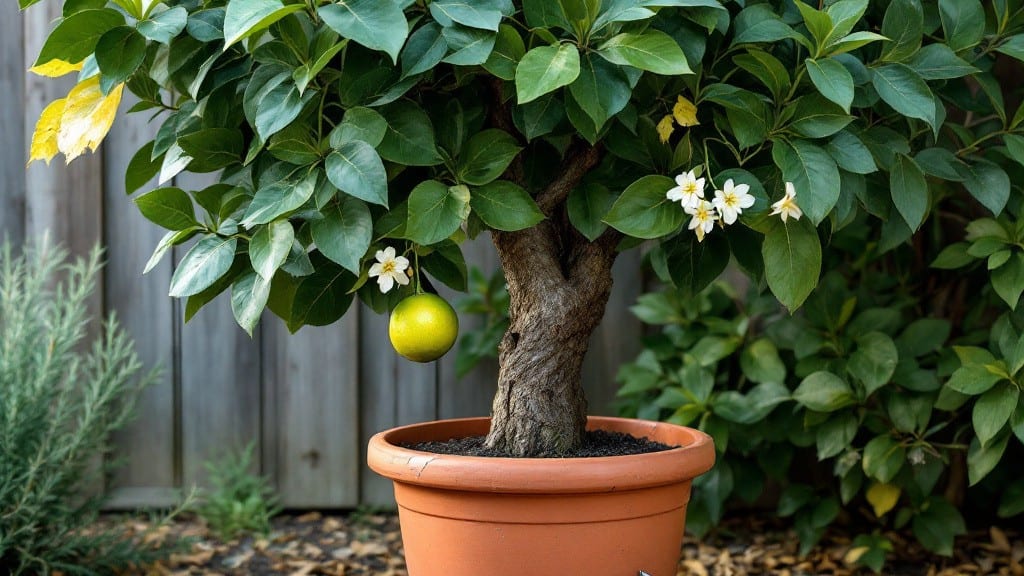
Pruning a lime tree isn't just about shaping—it's about unlocking year-round health and bigger harvests. I learned the hard way that skipping pruning leads to dense, fruitless branches and weak growth. The right cuts improve airflow, sunlight penetration, and fruit production, while the wrong ones invite disease or stunted growth.
Start with three essential cuts: remove dead/diseased wood first, then shape the canopy to open it up, and finally trim back overgrowth to encourage new growth. Use clean, sharp pruners and sterilize them between cuts to prevent spreading bacteria.
Timing matters too—light pruning after harvest and heavier shaping in late winter keeps the tree productive without stressing it.
📚 In This Guide
- What you need
- Instructions
- Tips and common mistakes
- Wrapping up and next steps
What you need
- ● Pruning shears: Bypass pruners with sharp, clean blades (4–6-inch blades work best for small to medium branches). Quantity: 1 pair.
- ● Loppers: For thicker branches (up to 2 inches in diameter). Quantity: 1 pair.
- ● Pruning saw: A fine-toothed saw for branches thicker than 2 inches. Quantity: 1.
- ● Disinfectant (70% isopropyl alcohol or bleach solution): To sterilize tools between cuts and prevent disease spread.
- ○ Gloves: Heavy-duty work gloves to protect against thorns and sap. Optional but recommended!
- ● Ladder or step stool: For reaching higher branches safely. Height: Adjustable or tall enough to reach the tree’s canopy.
- ● Trash bags or bucket: To collect pruned branches and debris. Size: Large enough for 5+ gallons of clippings.
- ● Sharpie or permanent marker: For marking branches to prune (if planning ahead).
- ● Timing: Prune during the tree’s dormant season (late winter/early spring) or after fruiting (for citrus trees, avoid heavy pruning in extreme heat).
- ● Weather: Choose a calm, dry day to avoid spreading disease or damaging the tree.
- ● Safety gear: Safety glasses (to protect from debris) and closed-toe shoes.
- ● Tree health check: Inspect the tree for pests, disease, or dead branches before pruning.
Step-by-step guide to pruning a lime tree for year-round vigor
This is the pruning method I’ve used for over a decade on both dwarf and standard lime trees—it keeps them productive without stressing the plant.
Conduct a Structural Inspection and Remove Dead Wood
Start by examining the entire tree for dead, diseased, or crossing branches. Dead wood is easy to spot—it’s brittle, dark brown, and snaps when bent slightly. Use sharp, clean pruning shears to make a clean cut just outside the branch collar (the swollen area where the branch meets the trunk). This prevents unsightly stubs and reduces infection risk.
I always prune dead branches first because they’re the easiest to identify and remove. If you see any branches rubbing against each other, remove the smaller one to prevent future damage. The goal here is to open up the canopy for better air circulation and sunlight penetration—both critical for lime trees to produce quality fruit.
Thin Out Overcrowded Branches for Light Penetration
Next, focus on thinning out branches that are growing too close together. Lime trees produce best when they receive direct sunlight for at least 6-8 hours daily, so overcrowded branches block light from reaching the interior of the tree. Look for branches that grow inward or downward—they’re often the culprits. Remove about one-third of these branches, cutting back to a lateral branch or bud.
Here’s the thing—don’t remove more than 25% of the tree’s foliage in a single session. This ensures the tree isn’t shocked and can recover quickly. I like to prune in stages if the tree is particularly dense, spacing out cuts over a few weeks. Always make your cuts at a 45-degree angle just above an outward-facing bud to encourage new growth in the right direction.
Shape the Tree and Encourage Fruit Production
Now it’s time to shape the tree. For dwarf lime trees, I aim for a rounded, vase-like shape to maximize sunlight exposure to the fruit-bearing branches. For standard trees, focus on maintaining an open center so light reaches the lower branches. Use your pruning shears to trim back any branches that are growing too long or leggy, cutting just above a leaf node or bud.
If your lime tree isn’t producing much fruit, this is the step where you can encourage more blooms. Prune back some of the older, less productive branches to stimulate new growth. Newer wood tends to produce more flowers and fruit, so don’t be afraid to cut back a bit aggressively on branches that are past their prime. Just remember—never prune more than 25% of the tree’s canopy in one session, or you’ll stress the plant.
Clean Up and Monitor for Recovery
After pruning, gather all the clippings and dispose of them properly. If any branches show signs of disease (like black spots or oozing sap), sterilize your pruning tools with rubbing alcohol or a 10% bleach solution to prevent spreading pathogens. Once the tree is pruned, give it a deep watering to help it recover from the stress of the cuts.
Watch the tree closely over the next 4-6 weeks for new growth. You’ll know you’ve done it right when you see fresh, vibrant leaves emerging from the pruned areas. If the tree looks stressed—yellowing leaves, wilting, or slow recovery—it might need additional care, like a balanced citrus fertilizer or more frequent watering. But in most cases, a well-pruned lime tree bounces back beautifully.
Tips & tricks for perfect lime tree pruning
Took me years to master these key insights—your lime tree will thank you for following them.
Timing Secret: The best time to prune lime trees is during their dormant season, which for most varieties falls between late winter and early spring. This timing allows the tree to heal before the growing season kicks in. If you must prune outside this window, avoid heavy pruning during hot summer months, as this can stress the tree and make it more susceptible to pests and diseases. I’ve seen trees recover beautifully after winter pruning, but summer cuts often lead to slower recovery.
Tool Technique: Always use sharp, clean pruning shears to make precise cuts. Dull shears tear the bark, leaving jagged edges that invite infection. Before you start, sterilize your tools with rubbing alcohol or a 10% bleach solution, especially if you’ve been working with diseased branches. I keep a small bottle of rubbing alcohol in my gardening toolkit for quick sterilization between cuts—it’s a small habit that prevents big problems down the line.
Visual Cues for Pruning: When thinning branches in Step 2, look for the classic "V" shape where branches grow inward or downward. These are the ones to remove first—they block sunlight and air circulation. For shaping in Step 3, imagine the tree’s natural growth pattern and cut back branches that disrupt this flow. I like to step back every few minutes to visualize the tree’s overall shape, adjusting as I go. This helps me avoid over-pruning and maintain balance.
Recovery Strategy: After pruning, monitor your tree closely for the first 4-6 weeks. If you notice yellowing leaves or slow recovery, it might need additional care. A balanced citrus fertilizer can help, but avoid heavy fertilizing immediately after pruning—let the tree focus on healing first. I’ve found that a light application of fertilizer 4-6 weeks post-pruning gives the tree just the boost it needs without overwhelming it.
Pro Tips for Prune A Lime Tree
- Took me years to master these key insights—your lime tree will thank you for following them.
- Timing Secret: The best time to prune lime trees is during their dormant season, which for most varieties falls between late winter and early spring.
- Tool Technique: Always use sharp, clean pruning shears to make precise cuts.
Frequently asked questions
Got questions about pruning your lime tree? You’re not alone! Here are answers to the most common concerns—from timing to troubleshooting—to keep your tree thriving.
When is the best time to prune a lime tree?
The ideal time is late winter or early spring (just before new growth starts) for major pruning. Light trimming to remove dead or overgrown branches can happen year-round, but avoid heavy cuts in fall or summer heat. Pro tip: If you must prune in summer, do it early in the morning to reduce stress on the tree.
How much can I cut off a lime tree at once?
Never remove more than 25-30% of the tree’s foliage in a single session—this prevents shock and promotes healthy regrowth. For young trees, limit cuts to 10-15%. Focus on structural shaping and deadwood first. Warning: Over-pruning can weaken fruit production!
Will pruning affect my lime harvest?
Pruning correctly actually boosts fruit production by improving air circulation and sunlight exposure. However, avoid heavy cuts during flowering/fruiting seasons (spring to early summer). If you prune too aggressively, you might see a temporary dip in yield—but the tree will rebound with better structure.
What if my lime tree starts bleeding sap after pruning?
Sap bleeding is normal for citrus trees and usually harmless. To minimize it, use sharp, clean tools and prune at a 45-degree angle just outside the branch collar. Seal cuts with pruning sealant (optional) or let them dry naturally. Avoid pruning during wet weather to reduce sap flow.
Can I prune a lime tree in a container?
Yes! Container-grown lime trees need more frequent pruning (every 6–12 months) to control size and encourage bushiness. Use the same techniques as outdoor trees, but avoid root-pruning unless repotting. Since containers limit growth, prioritize open-center shaping for better air flow and fruit access.
Still unsure? Drop your question in the comments—we’re happy to help!
Wrapping up and next steps
Pruning your lime tree doesn’t have to be intimidating—just follow the three essential cuts (structural, maintenance, and rejuvenation) at the right times, and you’ll keep your tree thriving year-round! 🌿 With the right tools, timing, and technique, you’ll encourage better fruit production, airflow, and overall health.
Now that you’re armed with the knowledge, grab those pruners and give your lime tree the care it deserves.
Ready for the next step? Consider fertilizing or pest-proofing your tree to keep it in peak condition—or share your pruning progress with fellow gardeners! 🌱