
Pruning
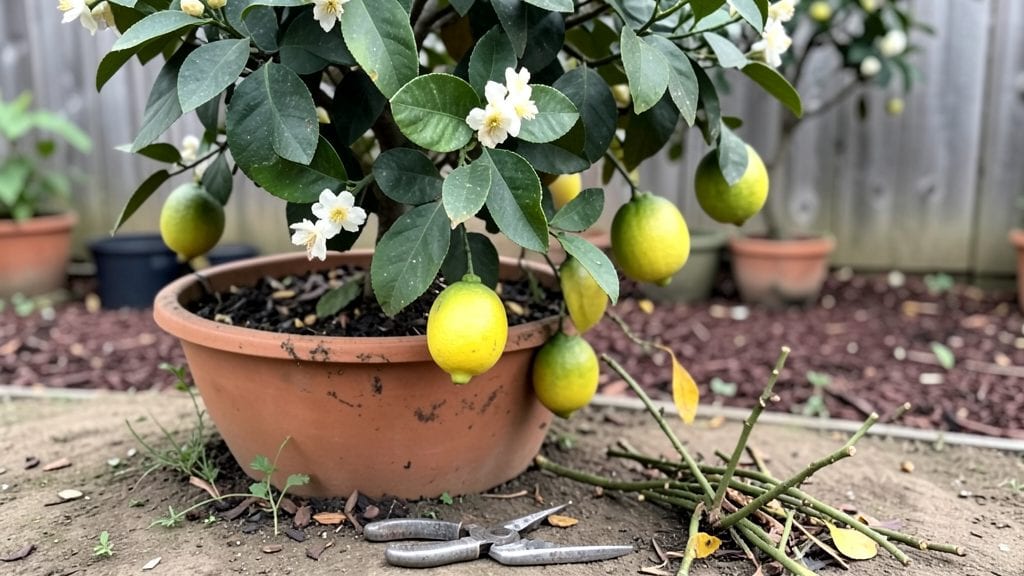
Pruning a potted lemon tree isn’t just about shaping—it’s the secret to year-round fruit production and a healthier plant. 🌿 I’ve watched my own lemon tree go from sparse, leggy branches to a lush, fruit-bearing beauty after mastering this simple technique, and you can too without needing a green thumb.
The best time to prune is late winter or early spring when the tree’s dormant, but light shaping can happen anytime. You’ll need sharp pruning shears, a small saw for thicker branches, and a clean cloth to wipe sap—no fancy tools required.
The key is removing dead or crossing branches first, then thinning out crowded areas to let sunlight and air reach the center.
After pruning, you’ll notice new growth within 4-6 weeks, with more blossoms and fruit by next season. The tree stays compact, fits better in your space, and produces 20-30% more lemons than an unpruned one.
Just water deeply after trimming and hold off on heavy fertilizing for a month to let the cuts heal.
This method works for dwarf varieties in containers or larger trees in pots—just adjust the scale. Whether you’re dealing with a young tree or a mature one that’s outgrown its space, these steps keep it productive and looking its best. Let’s get those branches under control!
📚 In This Guide
- What you need
- Instructions
- Tips and common mistakes
- Wrapping up and next steps
What you need
- ● Bypass pruners: Sharp, clean pruners (4-6 inch blades) for cutting branches up to ½ inch thick. Pro tip: Disinfect with rubbing alcohol before and after use to prevent disease spread! 💡
- ● Hand pruners or loppers: For thicker branches (½–1.5 inches). Opt for ergonomic handles to reduce hand fatigue.
- ○ Garden shears: For shaping leaves or fine-tuning growth (optional but handy).
- ● Gloves: Heavy-duty gardening gloves (nitrile-coated for grip and protection). Why? Lemon trees can have thorns!
- ● Disinfectant: 70% isopropyl alcohol or a 10% bleach solution (1 part bleach to 9 parts water) to sterilize tools.
- ○ Pruning sealant (optional): For larger cuts (½ inch or thicker) to prevent sap loss or pests. Choose a water-based sealant for eco-friendliness.
- ● Timing: Prune during the tree’s dormant season (late winter/early spring) or after fruiting (summer/fall). Avoid heavy pruning in extreme heat or cold. ⏰
- ● Weather: Choose a calm, overcast day to reduce stress on the tree.
- ● Water: Water the tree 1–2 days before pruning to ensure it’s hydrated (but not soggy).
- ● Workspace: Lay down a tarp or tray to catch clippings and debris. Bonus: Use the trimmings for compost!
- ● Safety: Wear long sleeves and closed-toe shoes to protect against thorns or accidental scratches.
- ● Hose with nozzle: For rinsing tools or cleaning sap off leaves post-pruning.
- ● Plant food: A balanced fertilizer (e.g., 10-10-10) to apply after pruning for a growth boost. 🌿
- ● Plant support: Small stakes or a trellis if you’re training the tree to grow in a specific shape.
- ● Camera: Snap photos of your tree’s structure before pruning—it’s your roadmap for consistency!
Step-by-step guide for pruning a potted lemon tree
Here's the method I rely on to keep my lemon tree productive and healthy year-round.
✂️ Step 1: Choose the Right Time and Tools
Prune your potted lemon tree in late winter or early spring before new growth begins. This timing ensures you're not cutting into next year's fruit production. I use clean, sharp pruning shears (sterilized with rubbing alcohol) and bypass pruners for larger branches—dull tools tear bark and invite disease.
Real talk: If you missed the winter window, prune during summer after harvest, but avoid heavy cuts. Lemon trees are forgiving, but timing matters for fruit set. Always wear gloves—those thorns pack a punch!
🌿 Step 2: Remove Dead, Sick, or Crossing Branches First
Start by cutting out dead wood (branches that snap easily or have no green tissue inside) and sick branches (discolored, mushy, or oozing sap). These are your top priorities—they're just taking energy from your tree. For crossing branches, remove the one growing inward to improve airflow and sunlight penetration.
I make my first cuts just outside the branch collar (that swollen area where the branch meets the trunk). Never leave stubs—this invites rot. If a branch is thicker than your wrist, use your pruners to make a clean cut at a 45-degree angle about ¼ inch above a bud or lateral branch.
☀️ Step 3: Thin the Canopy for Better Light and Airflow
Step back and look at your tree's shape. Your goal is to create an open center—this lets sunlight reach inner branches and prevents fungal diseases. Remove up to 25% of the foliage in one session, focusing on branches that grow inward or downward. You'll see stronger growth where light can now penetrate.
For older wood, I make my cuts just above an outward-facing bud. This encourages new growth in the right direction. Avoid "lion-tailing" (cutting back to a stub)—it stresses the tree. Instead, make your cuts where natural branches form.
⏰ Step 4: Shape the Tree for Optimal Fruit Production
Lemon trees fruit best on mature wood, so avoid heavy pruning of branches younger than 2 years old. I focus on selective pruning to maintain a balanced shape—no branch should be more than ⅔ the diameter of the trunk directly below it. This keeps the tree stable and productive.
For a potted tree, I often prune to encourage a slightly bushier form since containers limit root spread. Cut back some of the longest branches to about 12-18 inches from the trunk, but leave at least 3-4 strong branches to maintain structure. This prevents the tree from becoming top-heavy.
💧 Step 5: Clean Up and Care for Your Tree
After pruning, rake up and dispose of all clippings—don't leave them under the tree. They can harbor pests and diseases. I sterilize my tools again with rubbing alcohol to prevent spreading any pathogens between cuts. Water your tree deeply the day after pruning to help it recover.
Here's the thing—your lemon tree will drop some leaves after pruning, but don't panic. This is normal as it redirects energy. In 4-6 weeks, you'll see new growth emerging from the pruned areas. This is your sign that the tree is healing and preparing for next year's fruit.
Tips & tricks for pruning a potted lemon tree
Here's what I wish I knew when I first pruned my lemon tree—these tricks will help you avoid common mistakes and keep your tree thriving.
Timing is Everything: Late winter or early spring is ideal because your tree hasn't started growing yet, so you won't be cutting into next year's fruit. If you miss that window, summer after harvest is your second chance—but avoid heavy cuts then. I learned this the hard way when I pruned too late and noticed fewer lemons the following season. The key is to prune when the tree is dormant but before new growth begins.
The Right Tools Make All the Difference: Never use dull shears—they tear bark and create wounds that invite disease. Sterilize your tools with rubbing alcohol between cuts to prevent spreading pathogens. I keep a small bottle of rubbing alcohol and a spray bottle of water nearby for quick cleaning. For branches thicker than your wrist, bypass pruners are a game-changer—they make clean cuts that heal properly.
Branch Collar Matters More Than You Think: Always cut just outside the branch collar (that swollen area where the branch meets the trunk). This is where the tree's natural healing begins. I see people leave stubs all the time, and it leads to rot. For thicker branches, make your cut at a 45-degree angle about ¼ inch above a bud or lateral branch—this encourages new growth in the right direction and prevents water from pooling on the wound.
Watch for New Growth: After pruning, your tree will drop some leaves as it redirects energy. Don't panic—this is normal! In 4-6 weeks, you'll see new growth emerging from the pruned areas. This is your sign that the tree is healing and preparing for next year's fruit. I keep a small notebook to track when new growth appears, which helps me plan future pruning sessions.
Pro Tips for Prune A Potted Lemon Tree
- Here's what I wish I knew when I first pruned my lemon tree—these tricks will help you avoid common mistakes and keep your tree thriving.
- Timing is Everything: Late winter or early spring is ideal because your tree hasn't started growing yet, so you won't be cutting into next year's fruit.
- The Right Tools Make All the Difference: Never use dull shears—they tear bark and create wounds that invite disease.
Frequently asked questions
Got questions about pruning your potted lemon tree? You’re not alone! Here are some of the most common concerns—and straightforward answers—to help you keep your citrus thriving.
When is the best time to prune a potted lemon tree?
The ideal time is late winter or early spring, just before new growth begins. This gives your tree time to recover before summer heat. Light pruning can also happen after harvest (fall/winter) to shape the tree or remove dead branches. Avoid heavy pruning in summer—it stresses the plant.
How much can I prune without harming the tree?
Never remove more than 25-30% of the foliage in one session. Over-pruning shocks the tree, reducing fruit production and weakening its structure. Focus on removing dead, diseased, or crossing branches first, then trim selectively for shape or airflow. Think of it like a haircut—better to take it slow!
Will pruning my lemon tree increase fruit yield?
Yes—but only if done correctly! Pruning improves airflow and sunlight penetration, which boosts flowering and fruiting. However, avoid heavy pruning in fruiting seasons (like late summer). Balance is key: trim to encourage growth, but don’t sacrifice existing fruit. Patience pays off!
What if my lemon tree doesn’t have leaves after pruning?
Don’t panic! If you’ve pruned too aggressively, the tree may enter a recovery phase. Ensure it gets bright, indirect light and consistent watering (but avoid soggy soil). New leaves should appear within 4–6 weeks. If not, check for pests or root issues—sometimes the problem runs deeper.
Can I prune a potted lemon tree in winter?
Light pruning is fine in winter (especially after harvest), but avoid heavy cuts. Cold temperatures slow growth, so the tree needs time to heal. If you must prune, do it on a mild day and protect cuts with a thin layer of pruning sealant to prevent disease. Think of winter as a “maintenance trim,” not a major overhaul.
How often should I prune a potted lemon tree?
Aim for 2–3 pruning sessions per year:
- Late winter/early spring: Major shape and health check.
- After harvest (fall/winter): Light cleanup and airflow adjustments.
- As needed: Remove dead/diseased branches anytime.
Wrapping up and next steps
Pruning your potted lemon tree isn’t just about keeping it tidy—it’s a game-changer for healthier growth, better fruit production, and a happier plant! 🌿 With the right tools, timing, and techniques, you’ll encourage vibrant blooms and juicy lemons year after year.
Remember, confidence grows with practice, so start small and observe how your tree responds.
Now that you’re armed with the know-how, roll up your sleeves and give your lemon tree the care it deserves. Next up? Check out our guide on fertilizing potted citrus trees to keep your pruned beauty thriving with the nutrients it loves!