
How To
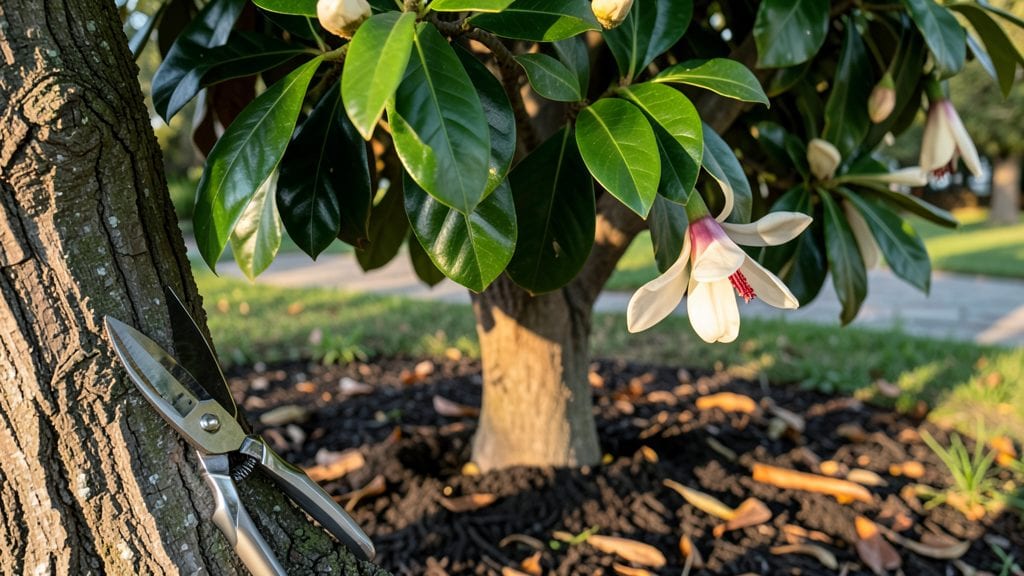
Pruning a magnolia tree isn't just about shaping—it’s about unlocking next year’s blooms while keeping the tree healthy. I’ve pruned mine for five seasons now, and the difference between a messy cut and a strategic trim is the secret to those stunning, fragrant flowers.
The timing matters more than most gardeners realize, especially if you want to avoid cutting off next season’s buds before they form.
Magnolias bloom on old wood, so pruning after flowering—usually in late spring or early summer—lets you shape without sacrificing blooms. You’ll need clean, sharp pruners and a ladder (or a very tall friend) to reach those higher branches safely.
The goal is to remove dead wood, thin out crowded branches, and open up the canopy for better airflow—all while keeping cuts just outside the branch collar for faster healing.
📚 In This Guide
- What you need
- Instructions
- Tips and common mistakes
- Wrapping up and next steps
What you need
- ● Pruning shears (bypass or anvil type): Sharp, clean shears for small branches (2–3 inches in diameter). Tip: Bypass shears are gentler on branches.
- ● Loppers: For medium branches (3–6 inches in diameter). Look for bypass loppers with a long handle (24–36 inches) for leverage.
- ● Pruning saw: A curved-tooth saw for thick branches (6+ inches). Avoid cheap saws—they can tear wood.
- ● Gloves: Heavy-duty, cut-resistant gloves to protect hands from thorns and sap.
- ● Disinfectant (70% isopropyl alcohol or bleach solution): Clean tools between cuts to prevent disease spread.
- ○ Rubbing alcohol or hand sanitizer: For wiping down cuts on the tree (optional but helpful for healing).
- ○ Extension pole (optional): For high branches—choose one with a non-slip grip and adjustable height (10–15 feet).
- ○ Ladder (optional): A stable, 3-sided ladder rated for your height needs (e.g., 12–20 feet). Safety tip: Never stand on the top rung!
- ● Sealing wax or pruning paste: Apply to large cuts (>1 inch) to protect against pests/disease.
- ● Marking spray (paint or chalk): To tag branches for future reference.
- ● Work boots with ankle support: For stability on uneven ground.
- ● Safety glasses: Protect eyes from debris, especially when using a saw.
- ○ Pruning rope (optional): For lowering heavy branches safely.
Step-by-step guide to pruning a magnolia tree
Here’s the method I trust to keep magnolias blooming beautifully while encouraging healthy growth.
Determine the Right Season for Pruning
Magnolias bloom on old wood, so timing matters. Prune immediately after flowering, typically in late spring or early summer, when blooms have faded but new growth is still soft. This prevents cutting off next year’s flower buds.
If you have a spring-blooming variety, wait until after the last frost and once flowers drop. For summer-blooming types, prune right after blooming to shape without sacrificing future blooms. Avoid pruning in fall or winter—it stresses the tree and invites disease.
Gather the Right Tools and Safety Gear
Use clean, sharp pruning shears for small branches and a pruning saw for thicker limbs. Disinfect tools with rubbing alcohol between cuts to prevent spreading disease. Wear gloves to protect against thorns and sap irritation.
Have a bucket ready for clippings, and lay down a tarp beneath the tree to catch debris. I like to work on a dry day when branches are less slippery—magnolia bark can be slick after rain.
Remove Dead, Diseased, or Crossing Branches
Start by identifying branches that are dead, diseased, or rubbing against others. Cut these first at a 45-degree angle just outside the branch collar—the swollen area where the branch meets the trunk. This ensures proper healing.
Next, thin out crowded branches to improve airflow and sunlight penetration. Aim to remove no more than 25% of the tree’s canopy in one session—magnolias are sensitive to heavy pruning. Look for branches growing inward or crossing others; remove the smaller of the two.
Shape the Tree for Balance and Airflow
Step back and assess the tree’s natural shape. Magnolias grow best with an open center, so avoid creating a dense canopy. Focus on maintaining the tree’s natural form while removing only what’s necessary for health.
For larger branches, make cuts just outside the branch collar and avoid leaving stubs. Smooth cuts heal faster and reduce the risk of disease. If a branch is too large to cut in one go, make a notch on the underside first, then complete the cut above it.
Clean Up and Monitor Recovery
Rake up all clippings and dispose of them properly—don’t leave debris beneath the tree, as it can harbor pests. Water the base of the tree lightly after pruning to help it recover, but avoid overwatering.
Watch the tree over the next few weeks for signs of stress, like wilting or discolored leaves. If you notice any issues, adjust care accordingly—magnolias are resilient but need time to bounce back after pruning.
Tips & tricks for pruning a magnolia tree
Real talk: Pruning magnolias gets easier once you know these key details that most guides skip over.
Seasonal Timing is Everything: I can’t stress this enough—spring-blooming varieties need pruning right after flowers drop, but summer-bloomers should be pruned immediately after their blooms fade. Waiting even a week can mean cutting off next year’s flower buds. Mark your calendar for that late spring/early summer window when new growth is still tender but old wood has finished flowering.
Tool Sharpness Saves the Day: Dull pruning shears tear branches instead of making clean cuts, which stresses the tree and invites disease. Test your tools by cutting a piece of paper—if it tears instead of cleanly slicing, sharpen or replace them. I keep a small file in my tool kit specifically for this purpose. Also, disinfect between cuts to prevent spreading any potential infections hiding in the tree.
Branch Collar Matters More Than You Think: When removing branches in Step 3, always cut just outside the branch collar—the swollen area where the branch meets the trunk. This ensures proper healing and prevents unsightly stubs. For larger branches, make a notch on the underside first, then complete the cut above it to avoid tearing. I’ve seen too many pruning jobs leave ugly stubs that never heal properly.
Less Is More with Magnolias: These trees are sensitive to heavy pruning. Never remove more than 25% of the canopy in one session, or you’ll shock the tree and risk compromising next year’s blooms. Think of pruning as gentle shaping rather than aggressive thinning. Step back frequently to assess the tree’s natural form—you’re not creating art, you’re helping the tree thrive.
Pro Tips for Prune Magnolia Tree
- Real talk: Pruning magnolias gets easier once you know these key details that most guides skip over.
- Seasonal Timing is Everything: I can’t stress this enough—spring-blooming varieties need pruning right after flowers drop, but summer-bloomers should be pruned immediately after their blooms fade.
- Tool Sharpness Saves the Day: Dull pruning shears tear branches instead of making clean cuts, which stresses the tree and invites disease.
Frequently asked questions
about pruning magnolia trees can help clarify doubts and ensure your tree thrives! Here are some common queries with straightforward answers:When is the best time to prune a magnolia tree if I miss the late winter/early spring window?
If you miss the ideal late winter to early spring timing, avoid pruning during the blooming season (typically spring). Instead, wait until after the flowers fade but before late summer. Pruning in fall is risky—it can stimulate new growth that may not harden off before winter, leaving your tree vulnerable to frost damage.
Can I prune a magnolia tree in summer?
Summer pruning is possible, but it’s not ideal. If you must prune, do so in early summer (June) to reduce stress on the tree. Avoid heavy pruning, as it can weaken the plant and reduce next year’s blooms. Focus on removing only dead, diseased, or crossing branches. If you’re unsure, consult a local arborist!
What should I do if I accidentally prune too much of my magnolia tree?
If you’ve over-pruned, don’t panic! Magnolias are resilient, but severe cuts can stress the tree. Focus on light maintenance in the following years—avoid heavy pruning for at least 12 months. Keep the area around the tree well-watered and fertilize lightly in spring to encourage recovery. Over time, the tree should bounce back!
Do I need to sterilize my pruning tools after cutting magnolia branches?
Yes! Magnolias can be susceptible to fungal diseases like Phytophthora or Botryosphaeria. Always sterilize your pruning tools with a 10% bleach solution (1 part bleach to 9 parts water) or rubbing alcohol before and after use. This simple step helps prevent the spread of pathogens to healthy parts of the tree.
Will pruning my magnolia tree encourage more flowers next year?
Not necessarily! Magnolias bloom on old wood, meaning last year’s growth produces this year’s flowers. Heavy pruning can reduce next year’s blooms by removing potential flower buds. Instead, focus on light shaping and removing only dead or problematic branches to maintain the tree’s health and natural beauty.
Wrapping up and next steps
Pruning your magnolia tree doesn’t have to be intimidating—with the right timing, tools, and technique, you’ll encourage stunning blooms and healthy growth for years to come! 🌸 Remember, patience and precision are key, whether you’re shaping young branches or maintaining an established tree.
Now that you’re armed with seasonal tips and expert advice, grab those pruners and give your magnolia the care it deserves.
Ready to take the next step? Mark your calendar for late winter or early spring and start planning your pruning session. Your magnolia will thank you with vibrant flowers and lush foliage!