Pruning
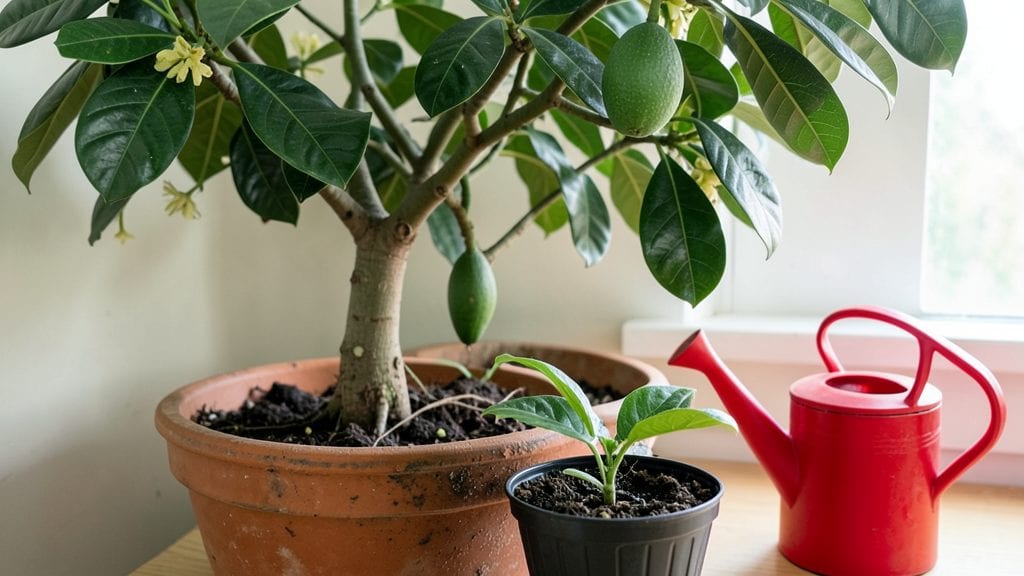
Raising an avocado tree from a pit isn't just a fun science experiment—it's a living reminder that patience and care grow something extraordinary. 🌱 I started mine in a glass of water, and three months later, I had a sturdy sprout ready for soil.
The key isn't luck; it's understanding how avocado seeds need warmth, moisture, and just the right balance of light to wake up.
You'll need three simple things: a clean avocado pit, a jar of water, and a sunny windowsill. No fancy tools or expensive soil—just time and attention. Most people quit too soon, but the real magic happens when roots reach about 2-3 inches long.
That's when you move it to soil, and suddenly, you're not just growing a plant; you're nurturing a future tree.
By month three, you'll have a thriving young plant with glossy leaves and a strong stem. The best part? It's adaptable—whether you keep it indoors as a houseplant or eventually transplant it outside in warmer climates.
The first harvest might take years, but the journey is where the real joy begins.
Fair warning: avocado trees grow slowly, and indoor versions rarely fruit. But the process teaches you more about plant care than any guidebook ever could. Here's where it gets interesting—your first real challenge will be deciding whether to prune for shape or let it grow wild.
Either way, you're already winning.
📚 In This Guide
- What you need
- Instructions
- Tips and common mistakes
- Wrapping up and next steps
What you need
- ● 1 ripe avocado (choose a Hass variety for best results!)
- ● 3-4 toothpicks or skewers (for balancing the pit)
- ● 1 small glass or jar (wide-mouth, ~8-12 oz capacity)
- ● Water (filtered or distilled preferred)
- ● Well-draining potting soil (a mix of peat, perlite, and sand works well)
- ● 1 small pot (4-6 inches in diameter) (with drainage holes!)
- ● Spray bottle (for misting)
- ● Fertilizer (balanced, 10-10-10 or organic) (start after 3-4 months)
- ● Rooting hormone (speeds up root growth)
- ● Humidity dome or plastic bag (to retain moisture)
- ● Grow lights or sunny windowsill (if natural light is limited)
- ● Pruning shears (for future trimming)
- ● pH testing kit (to monitor soil health)
Step-by-Step instructions for growing an avocado tree from a pit
Here's my foolproof method for sprouting avocado pits and nurturing them into sturdy young trees.
🌱 Step 1: Sprout the Avocado Pit
Start by washing your avocado pit thoroughly to remove any remaining fruit residue. Look for the small dimple at the top—this is where the sprout will emerge. Insert 3-4 toothpicks evenly around the pit, about ½ inch from the top, so you can suspend it over water without touching the bottom.
Fill a shallow container with 3-4 inches of tap water and place the pit so the bottom half sits in the water, leaving the top half exposed. Keep it in a warm spot with indirect light—a windowsill away from direct sun works best. Change the water every 2-3 days to prevent mold. You'll see roots growing downward within 2-6 weeks.
🌱 Step 2: Encourage Sprouting and Prepare for Potting
Once roots reach about 2 inches long, you'll notice a small bump forming at the top of the pit. This is the sprout waiting to break through. Keep the water level consistent—never let the roots dry out, but don't submerge the pit completely. If mold appears, rinse the pit and refresh the water immediately.
When the sprout emerges and reaches about 2-3 inches tall, it's time to transition to soil. I like to use a small pot with drainage holes and a mix of potting soil and perlite (about 70% soil, 30% perlite) to ensure good drainage. This prevents rot, which is the biggest killer of young avocado trees.
🪴 Step 3: Plant the Sprouted Pit
Fill the pot with the soil mix and create a small hole in the center. Gently place the avocado pit into the hole, burying about half of it—the roots should be covered, but the top half of the pit should remain exposed. This mimics the natural conditions where avocado trees grow in well-draining soil.
Press the soil lightly around the pit to secure it, but don't compact it too tightly. Water gently until the soil is moist but not soggy. Place the pot in a spot with bright, indirect light—a south-facing window is ideal. Avoid direct sunlight at first, as it can scorch the delicate new leaves.
☀️ Step 4: Care for Your Young Avocado Tree
Keep the soil consistently moist but never waterlogged. Stick your finger about 1 inch into the soil—if it feels dry, it's time to water. Avocado trees are sensitive to overwatering, so always allow the top inch of soil to dry out slightly between waterings. You'll see new leaves emerge within 4-6 weeks after planting.
Once the tree has a few sets of leaves, you can gradually introduce it to more sunlight. Start with 2-3 hours of morning sun daily and slowly increase exposure over 2 weeks. This hardening process prevents leaf burn. Fertilize lightly with a balanced, water-soluble fertilizer (like 10-10-10) every 2 months to encourage strong growth.
Tips & tricks for growing a sturdy avocado tree
Here's what I wish I knew before starting my own avocado tree journey—these little details make all the difference between a thriving plant and a sad, wilted experiment.
Water Level Watch: The key to successful root growth in Step 1 is keeping that water level just right—about halfway up the pit, no higher. Too much water can cause mold or rot, while too little slows root development. I use a clear container so I can easily monitor the water level without disturbing the pit.
Toothpick Placement Matters: When inserting your 3-4 toothpicks in Step 1, space them evenly around the pit's equator. If they're too high, the pit will tilt; too low, and they won't provide enough support. I like to imagine a clock face—place them at 12, 4, 7, and 10 o'clock positions for perfect balance.
Patience with Sprouting: That 2-6 week range for root growth in Step 1 can feel like forever, but don't rush it! Some pits sprout faster with warmer water (around 70°F) if you're impatient. Just don't exceed 80°F—hotter water can shock the pit. I keep mine near a sunny window but out of direct sunlight during this stage.
Soil Mix Secrets: For Step 3, I've found that adding a handful of coarse sand to my 70/30 potting soil/perlite mix helps with drainage even more. Avocado trees hate soggy roots, and this extra precaution prevents the #1 killer of young trees—root rot. The sand also mimics the well-draining volcanic soil avocados thrive in naturally.
Pro Tips for Raise An Avocado Tree
- Here's what I wish I knew before starting my own avocado tree journey—these little details make all the difference between a thriving plant and a sad, wilted experiment.
- Water Level Watch: The key to successful root growth in Step 1 is keeping that water level just right—about halfway up the pit, no higher.
- Toothpick Placement Matters: When inserting your 3-4 toothpicks in Step 1, space them evenly around the pit's equator.
Frequently asked questions
Got questions about growing your own avocado tree?
You’re not alone! Here are answers to the most common queries—from impatient gardeners to troubleshooting pros.
How long does it take for an avocado pit to sprout?
Patience is key! Most avocado pits sprout roots in 2–6 weeks when kept in water, but the first leaves (shoots) may take 4–12 weeks longer. Keep the water fresh and warm (around 70°F) to speed things up.
Can I plant the pit directly in soil instead of water?
Yes, but it’s trickier! Bury the pit 2 inches deep in moist soil, with the flat side down. Keep the soil damp (not soggy) and place it in bright, indirect light. Success rates drop to ~30% vs. 70%+ in water, but it’s worth a try if you’re eager to skip the water phase.
Why is my avocado tree’s leaves turning yellow?
Yellow leaves usually signal overwatering, root rot, or nutrient deficiency. Let the top inch of soil dry out between waterings, and ensure the pot has drainage holes. If roots smell foul or look mushy, trim the bad ones and repot in fresh soil. Pro tip: Yellowing edges (not whole leaves) often mean low humidity—mist leaves or use a pebble tray!
How big should the pot be for my avocado tree?
Start with a 6–8 inch pot for young seedlings, then upgrade to 10–12 inches within a year. Avocado trees are heavy feeders—opt for pots with drainage and room for roots to spread. When roots circle the pot, it’s time to repot (usually every 1–2 years). Warning: Avoid plastic pots long-term; they trap heat and stunt growth.
Will my avocado tree ever produce fruit?
Maybe! Indoor-grown trees from pits are unlikely to fruit for 10+ years (if ever), as they need cross-pollination and ideal conditions (full sun, warm climates). For faster fruit, buy a grafted tree or move your pit-grown tree outdoors in USDA Zones 9–11. Fun fact: Even non-fruiting trees make stunning houseplants!
What if my pit rots in water?
Don’t panic! Rotting is common—it means the pit didn’t sprout due to anaerobic conditions or mold. Try again with a fresh pit, this time adding a clove of garlic or cinnamon to the water to deter bacteria. Pro tip: Use filtered or distilled water to avoid chlorine buildup.