
Trees
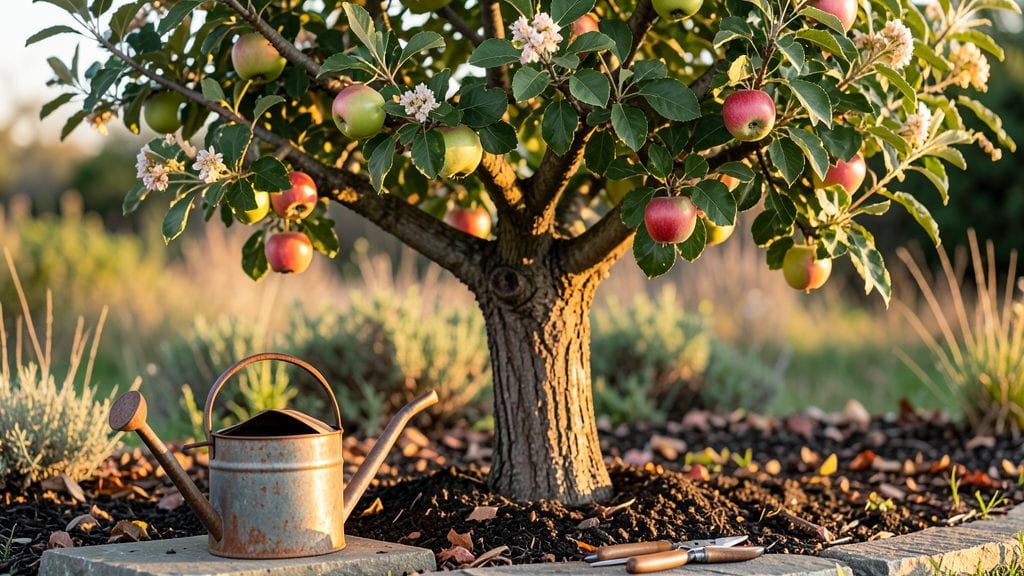
Learn how to take care of fruit trees properly, and you’ll transform those sad, sparse-harvest trees into thriving, bountiful ones—it’s all about mastering the right balance of water, food, and pruning. orchard transformed into a productive, flourishing space.
The key is consistency: too much or too little of anything throws them off balance.
Start with well-draining soil rich in organic matter—think compost mixed into the top 12 inches of planting area. Water deeply once a week during dry spells, aiming for about 1-1.5 inches total, then let the soil dry slightly between waterings.
Overwatering is the silent killer of fruit trees, so resist the urge to drown them. Young trees need more frequent attention, while mature ones can handle longer stretches between drinks.
Pruning might seem intimidating, but it's just strategic cutting to shape the tree and encourage fruit production. In late winter or early spring, remove dead, crossing, or diseased branches first—this keeps air circulating and prevents rot.
Then, thin out crowded branches to let sunlight reach the center. The result? Stronger structure, better airflow, and a bountiful harvest that rivals the grocery store's.
Seasonal care keeps trees thriving year-round: fertilize lightly in early spring, monitor for pests like aphids or borers, and protect young bark from winter sunburn. Even experienced gardeners make mistakes—like over-pruning or ignoring soil health—but these simple adjustments make all the difference.
Let's get your trees growing like they're in an orchard postcard.
📚 In This Guide
- What you need
- Instructions
- Tips and common mistakes
- Wrapping up and next steps
What you need
- ● Fruit tree sapling or young tree (choose disease-resistant varieties suited to your climate)
- ● Well-draining soil (loamy or sandy, pH 6.0–7.0; test kits available at garden centers)
- ● Compost or organic fertilizer (balanced 10-10-10 or fruit-tree-specific blend, 5–10 lbs per tree)
- ● Mulch (wood chips, straw, or pine bark; 2–4 inches deep, keep 6 inches away from trunk)
- ● Watering can or hose with adjustable nozzle (for deep, slow watering)
- ● Pruning shears (bypass pruners, sharp and sterilized with rubbing alcohol)
- ● Garden gloves (durable, long-cuffed for protection)
- ● Tree ties or soft pruning straps (for young trees; 3–4 per tree)
- ● Pest control options (neem oil, insecticidal soap, or copper spray for organic care)
- ○ Drip irrigation system (optional but recommended) (for consistent moisture; ¼–½ gallon per tree per day)
- ● Soil moisture meter (to avoid over/under-watering)
- ● Tree stake kit (for windy areas; 2–3 stakes per tree)
- ● Fruit tree spray (e.g., horticultural oil) (for fungal disease prevention)
- ● Bird netting (to protect ripe fruit from pests)
- ● Tree growth regulator (e.g., paclobutrazol for dwarf varieties)
- ● Wheelbarrow or bucket (for mixing soil amendments)
Step-by-Step guide to year-round fruit tree maintenance
Here’s how to keep your orchard productive through every season—no guesswork, just proven care.
🌱 Step 1: Prune for Structure and Health in Late Winter
Start by removing dead, diseased, or crossing branches using clean, sharp pruners. I always sterilize my tools with rubbing alcohol between cuts to prevent bacterial spread. Focus on opening the canopy to improve airflow—this reduces fungal risks like powdery mildew. Cut just outside the branch collar, where the branch meets the trunk, to promote faster healing.
Next, shape the tree by thinning out excessive growth to maintain an open center. Aim for a vase-like structure with 5-7 main scaffold branches spaced evenly. Avoid heavy pruning in spring—you’ll trigger vigorous new growth that won’t harden off before winter. Watch for sucker growth (shoots at the base) and remove them immediately—they drain energy from fruit production.
☀️ Step 2: Fertilize and Mulch in Early Spring
Apply a balanced 10-10-10 fertilizer around the drip line (the edge of the tree’s canopy) in early spring when buds swell but before leaves emerge. Scratch it into the top 2-3 inches of soil to avoid burning roots. For established trees, I use 2-3 pounds per inch of trunk diameter—never exceed this to prevent overgrowth. Water deeply after fertilizing to help nutrients penetrate the soil.
Spread 3-4 inches of organic mulch (like wood chips) over the root zone, keeping it 6 inches away from the trunk to prevent rot. Mulch retains moisture, regulates soil temperature, and suppresses weeds. Replenish it annually—over time, it breaks down and loses effectiveness. If your tree shows yellowing leaves or stunted growth, it’s often a sign of nutrient deficiency or poor root health, not just lack of fertilizer.
💧 Step 3: Water Deeply and Monitor for Pests in Summer
Water deeply once a week during dry spells, aiming for 1-1.5 inches of water per session. Use a soaker hose or drip irrigation to deliver moisture directly to the roots without wetting foliage (which encourages fungal diseases). I test soil moisture by sticking my finger 2 inches deep—if it’s dry, it’s time to water. Avoid overhead sprinklers, especially in the evening, as damp leaves invite pests like aphids and mites.
Inspect the tree weekly for signs of pests like scale, borers, or spider mites. Look for sticky residue (honeydew), chewed leaves, or tiny webs on the undersides of leaves. If you spot trouble, I reach for neem oil or insecticidal soap—they’re effective and less harmful than synthetic chemicals. For severe infestations, consult a local extension office for tree-specific treatments. Prune out heavily damaged branches immediately to contain the problem.
✂️ Step 4: Thin Fruit and Prepare for Winter in Late Summer
Thin fruit when it’s pea-sized to ensure larger, higher-quality harvests. Remove every other fruit along branches, focusing on well-spaced, healthy specimens. Overcrowded fruit leads to small, misshapen produce and stresses the tree. I use clean pruning shears to avoid spreading disease between cuts. If your tree bears too many blossoms, thin them in early spring—this prevents overbearing and improves fruit size.
In late fall, apply a 2-3 inch layer of mulch and wrap the trunk with tree guard if your climate drops below 15°F. Prune out weak or damaged branches one last time to reduce winter injury. For young trees, I stake them if heavy snow or wind is expected. Avoid heavy pruning now—it stimulates new growth that won’t survive cold snaps. If your tree shows cracked bark or oozing sap, it’s a sign of bacterial canker, a serious disease that requires immediate removal of infected branches.
Tips & tricks for perfect fruit tree care year-round
These seasoned strategies will help you avoid common mistakes and keep your orchard thriving through every challenge.
Pruning Precision: In Step 1, when removing dead or crossing branches, make your cuts at a 45-degree angle just outside the branch collar. This angled cut prevents water from pooling on the wound, which can lead to rot. I've seen too many trees develop fungal infections because of flat cuts that create perfect little water traps. Pay special attention to branches thicker than your thumb—these require slightly larger cuts to avoid tearing the bark.
Fertilizer Application Technique: The 2-3 inches of soil depth mentioned in Step 2 is crucial, but here's what nobody tells you: work the fertilizer into the soil when it's slightly moist, not bone dry. Dry soil creates pockets where nutrients won't reach the roots. After applying the 10-10-10 fertilizer, water thoroughly until you see moisture emerge from the drip line area. This ensures the nutrients move where they need to go rather than staying concentrated near the surface.
Pest Detection Strategy: The weekly inspections in Step 3 are your best defense, but here's how to make them more effective: examine the undersides of new leaves first—they're often where pests hide. I also check the cracks in the bark and the base of the trunk where sap runs. If you find sticky residue, wipe it with a damp cloth and look for tiny insects underneath. This early detection can save your tree from severe infestations that might require professional intervention.
Winter Protection Upgrade: While the instructions mention tree guard for temperatures below 15°F, I recommend adding an extra layer for young trees or newly planted specimens. Wrap the trunk with burlap or frost cloth before applying the tree guard, then secure it tightly. This double protection prevents sunscald during winter days when temperatures fluctuate. Also, avoid piling mulch against the trunk—keep it at least 6 inches away to prevent moisture buildup that can cause rot.
Pro Tips for Take Care Of Fruit Trees
- These seasoned strategies will help you avoid common mistakes and keep your orchard thriving through every challenge.
- Pruning Precision: In Step 1, when removing dead or crossing branches, make your cuts at a 45-degree angle just outside the branch collar.
- Fertilizer Application Technique: The 2-3 inches of soil depth mentioned in Step 2 is crucial, but here's what nobody tells you: work the fertilizer into the soil when it's slightly moist, not bone dry.
Frequently asked questions
Got questions about keeping your fruit trees happy and productive? You’re not alone! Here are some of the most common concerns—plus straightforward answers to help you grow like a pro.
How often should I water my fruit trees?
Water deeply once or twice a week during the first year, then taper to every 10–14 days once established (adjust for drought or heatwaves). Focus on the root zone, not the leaves, to encourage deep growth. Mulch helps retain moisture—just keep it 3–4 inches away from the trunk to avoid rot.
When is the best time to prune fruit trees?
Prune late winter or early spring (just before buds swell) for most trees, but avoid heavy pruning in fall—it can stress the tree. Citrus and tropical fruit trees (like avocados) prefer summer pruning to prevent fungal issues. Always use sterilized tools to cut at a 45-degree angle just above a bud.
What should I do if my fruit tree leaves are yellowing?
Yellow leaves often signal overwatering, nutrient deficiency, or pests. Check the soil—it should be moist but not soggy. Test for nitrogen (N), iron, or magnesium deficiencies (common in alkaline soils) and amend with compost or chelated fertilizers. Inspect the undersides of leaves for aphids or mites—spray with neem oil if needed.
Can I grow fruit trees in containers? Which varieties work best?
Yes! Dwarf varieties like columnar apples, patio peaches, or bush citrus thrive in containers (5+ gallons for small trees). Use well-draining potting mix and a large pot with drainage holes. Move containers to sunny spots and fertilize monthly during growing season. Just know: container trees may produce smaller fruit and need more frequent watering.
How do I protect fruit trees from frost or extreme cold?
Wrap young trees in burlap or frost cloth on cold nights, and use string lights or heat lamps for extra warmth if temps drop below 25°F. Mulch heavily around the base to insulate roots. For mature trees, avoid pruning in late fall—wait until spring to prevent frost damage to fresh cuts. Citrus trees? Bring potted ones indoors or cover them like a cozy blanket!
Wrapping up and next steps
Caring for fruit trees is a rewarding journey that blends patience, passion, and a little know-how. 🌳 By mastering pruning, soil health, watering, and seasonal care, you’ll unlock a bountiful harvest year after year.
Remember, every expert gardener started with their first sapling—so roll up your sleeves and enjoy the process!
Ready to take the next step? Start small: plant a single tree, experiment with techniques, and watch your green thumb grow! Whether you’re a beginner or a seasoned gardener, every season is a fresh opportunity to nurture your orchard’s potential. Happy growing! 🌟