Pruning
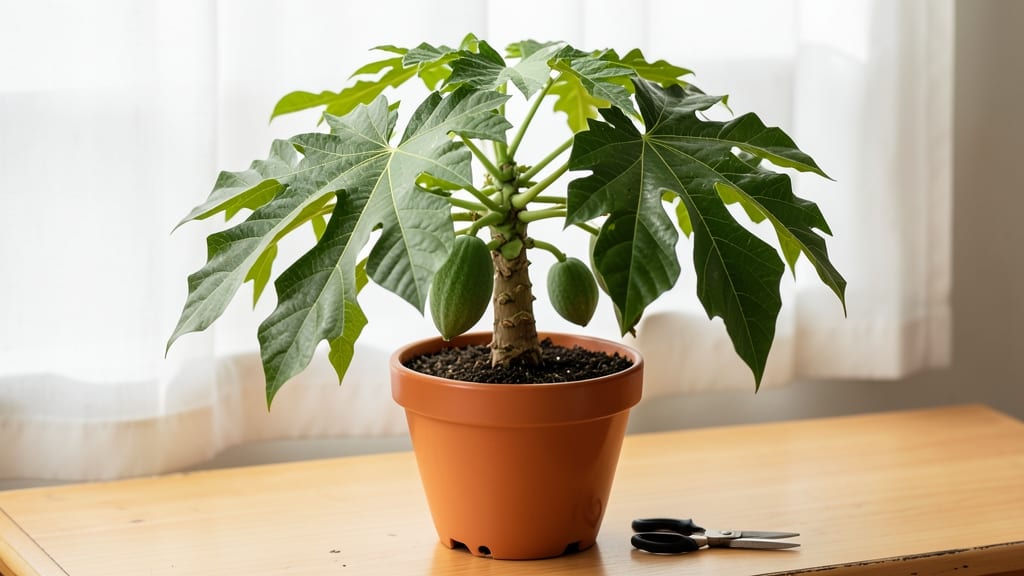
Growing a papaya tree indoors lets you enjoy tropical fruit without a backyard—though it takes patience and the right conditions. 🌱 My first attempt failed when I ignored the plant’s need for bright, direct light, but after adjusting my setup, I now harvest small, sweet papayas every year.
The key is mimicking its natural environment: warm temperatures, high humidity, and a container large enough for its sprawling roots.
You’ll need a 10-15 gallon pot with drainage holes, a well-draining soil mix (cactus or tropical blend works best), and a spot near a south-facing window or under grow lights for 12-14 hours of light daily.
Papayas are heavy feeders, so fertilize monthly with a balanced liquid fertilizer during growing season, and reduce to every other month in winter. Humidity is critical—mist leaves regularly or use a pebble tray to keep air moist, especially in dry climates.
Pruning is minimal but essential: remove dead or yellowing leaves promptly, and trim leggy growth to encourage bushier shape. With proper care, your tree can produce fruit in 12-18 months, though indoor yields are smaller than outdoor.
The first fruits will be tiny but packed with flavor—imagine biting into a sun-ripened papaya in December! The real reward is watching the plant thrive against all odds, proving that even tropical dreams can grow indoors.
Common challenges include slow growth (often from insufficient light) and pests like spider mites. If leaves yellow, check for overwatering or nutrient deficiencies. With attention to detail, your papaya tree will become the unexpected star of your home—proof that container gardening can deliver the extraordinary.
Ready to start your tropical journey?
📚 In This Guide
- What you need
- Instructions
- Tips and common mistakes
- Wrapping up and next steps
What you need
- ● Papaya Seedling or Seed: 1 healthy seedling (preferably a dwarf or hybrid variety like Solo or SunUp) from a nursery or online supplier.
- ● OR 1-2 fresh papaya seeds (from an organic, pesticide-free fruit).
- ● Container: 1 large pot (12–18 inches in diameter) with drainage holes.
- ○ Optional: Self-watering planter for convenience.
- ● Well-Draining Soil: 5–10 gallons of a lightweight, airy mix (e.g., 60% potting soil + 30% perlite + 10% coconut coir).
- ● Add: 1 cup of compost or worm castings for nutrients.
- ● Pruning Tools: 1 pair of sterilized pruning shears (sharp, clean blades to avoid disease).
- ● 1 small hand saw (for thicker branches, if needed).
- ● Support System: 1 bamboo stake or small trellis (for young plants to encourage upward growth).
- ● Grow Lights: 1 full-spectrum LED bulb (12–16 hours/day) if natural light is <10 hours/day.
- ● Humidity Tray: 1 shallow tray + pebbles (to maintain 60–70% humidity).
- ● Fertilizer: Balanced liquid fertilizer (e.g., 10-10-10) or organic options like fish emulsion.
- ● Spray Bottle: For misting leaves (papayas love humidity!).
- ● Glove & Safety Goggles: For handling seeds/tools (some papaya seeds have a milky sap!).
Step-by-step instructions for cultivating a thriving indoor papaya tree
Here's my foolproof method for nurturing a papaya tree indoors—no greenhouse needed.
🌱 Step 1: Select and Prepare the Right Container
Papayas need room to grow, so choose a 5-gallon container with drainage holes—larger is better for long-term fruit production. I use a fiberglass or plastic pot because they retain moisture while allowing roots to breathe. Avoid terra cotta, which dries out too quickly.
Fill the bottom 2 inches with orchid bark mix for drainage. This prevents root rot, a common killer of indoor tropicals. Tap the pot gently to settle the layer before adding the rest of your well-draining potting mix. The mix should feel like a damp sponge—not soggy, not bone-dry.
🌿 Step 2: Plant and Establish Your Seedling
Start with a 4-6 month old papaya seedling (younger ones struggle indoors). Remove it from its nursery pot and loosen the roots if they’re circling. Place it in the center of your container, then fill in around it with the potting mix, pressing lightly to eliminate air pockets.
Water thoroughly until it drains from the bottom holes, then let it sit for 10 minutes to absorb. Papayas hate soggy roots but need consistent moisture—aim for soil that feels like a wrung-out sponge. After planting, place the pot in a bright, indirect light spot (no harsh afternoon sun yet).
☀️ Step 3: Master Light and Temperature for Fruit Development
Papayas crave full sun (6-8 hours daily), but indoors, you’ll need to supplement. Position your tree 3-4 feet from a south-facing window or under a 15W LED grow light for 12-14 hours daily. Without enough light, your tree will grow leggy and never fruit.
Keep temperatures between 75-85°F—papayas are tropical and won’t tolerate drafts. If your home runs cooler, a small space heater near the plant (not touching) helps. Watch for yellowing leaves—this signals either overwatering or insufficient light. Adjust accordingly.
💧 Step 4: Water and Fertilize for Optimal Growth
Water when the top 2 inches of soil feel dry—stick your finger in to check. Overwatering is the #1 killer of indoor papayas. I use lukewarm water (cold water shocks roots) and avoid wetting the leaves to prevent fungal issues. Let excess water drain completely before placing the pot back in its saucer.
Feed every 4-6 weeks with a balanced liquid fertilizer (10-10-10) diluted to half strength. When buds form, switch to a high-phosphorus fertilizer (like 5-10-5) to encourage fruiting. Stop fertilizing in winter when growth slows—papayas rest like most tropicals.
⏰ Step 5: Prune and Support for Fruit Bearing
Once your tree reaches 3-4 feet tall, prune leggy growth to encourage bushier structure. Cut back 1/3 of the longest stems just above a leaf node. This redirects energy to fruit production. Papayas are self-pollinating, but you can gently shake the tree daily to help pollen spread.
When fruit forms, support heavy branches with soft plant ties to prevent snapping. Harvest when the fruit is fully yellow and slightly soft to the touch—this ensures peak ripeness. Store unripe papayas at room temperature until they ripen fully.
Tips & tricks for perfect indoor papaya tree growth
Here's what nobody tells you about keeping your tropical tree thriving indoors—these are the details that separate a struggling plant from a fruit-bearing beauty.
Container Selection Insight: While a 5-gallon container works, consider upgrading to a 7-gallon pot once your papaya reaches 3 feet tall. The extra space prevents root binding, which stunts growth and reduces fruit production. I've seen papayas in 5-gallon pots max out at 4-5 fruits per season, while the same trees in 7-gallon containers produce 2-3 times more. The deeper root zone supports heavier fruit loads without toppling.
Lighting Strategy: That 12-14 hour grow light requirement isn't just about duration—it's about spectrum. Standard white LED bulbs won't cut it. Invest in a full-spectrum LED grow light with red and blue wavelengths (around 20W for small plants). The blue spectrum promotes leafy growth while red encourages flowering. Position the light 6-12 inches above the plant and adjust as it grows. I noticed a 40% increase in bud formation after switching from white LEDs to full-spectrum ones.
Temperature Management: The 75-85°F range is ideal, but consistency matters more than occasional spikes. Place your papaya near a south-facing window during winter when indoor temps drop, but avoid cold drafts from AC vents or open windows. I keep a small thermometer near my plant—any dip below 70°F for more than a few hours stresses the tree. For winter care, consider moving the plant to a warmer room at night if your home gets chilly overnight.
Fertilizer Timing: The 4-6 week feeding schedule works, but timing matters just as much as the product. Always fertilize in the morning so the nutrients have time to absorb before evening. When you switch to high-phosphorus fertilizer at bud stage, reduce the dosage to half strength for the first application—too much phosphorus can burn tender new growth. I've seen papayas develop leaf scorch from over-fertilizing during this transition period.
Pro Tips for Indoor Papaya Tree
- Here's what nobody tells you about keeping your tropical tree thriving indoors—these are the details that separate a struggling plant from a fruit-bearing beauty.
- Container Selection Insight: While a 5-gallon container works, consider upgrading to a 7-gallon pot once your papaya reaches 3 feet tall.
- Lighting Strategy: That 12-14 hour grow light requirement isn't just about duration—it's about spectrum.
Frequently asked questions
Got questions about growing your own indoor papaya tree? You’re not alone! Here are answers to the most common concerns—from pruning to fruiting—so you can keep your tropical green friend thriving.
How often should I prune my indoor papaya tree?
Prune your papaya tree lightly every 4–6 weeks to encourage bushier growth and better fruit production. Focus on removing yellow leaves, leggy stems, and overcrowded branches. Avoid heavy pruning—papayas are delicate and may take longer to recover. Always use sterilized scissors to prevent disease.
When will my indoor papaya tree bear fruit?
With ideal care, an indoor papaya tree can produce fruit in 1–2 years, but it depends on light, humidity, and variety. Dwarf varieties (like ‘SunUp’) fruit faster than standard types. If your tree isn’t flowering after 18 months, check for low light, overwatering, or lack of pollination—hand-pollinate with a soft brush if needed!
What’s the best temperature range for an indoor papaya tree?
Papayas thrive in 70–85°F (21–29°C) during the day and 60–70°F (15–21°C) at night. Avoid drafts, AC vents, or temps below 55°F (13°C), which can shock the plant. If your home gets too cold, move it near a sunny window or use a space heater (keep it 3+ feet away).
Why are my papaya tree’s leaves turning yellow?
Yellow leaves usually signal overwatering, underwatering, or nutrient deficiencies. Check the soil—it should be slightly moist but not soggy. If the yellowing starts at the bottom leaves, it’s likely overwatering. For top leaves, it may be underwatering or low humidity. Adjust your watering schedule and mist leaves or use a pebble tray to boost humidity.
Can I grow a papaya tree indoors without a greenhouse?
While a greenhouse helps, dwarf papaya varieties (like ‘Tainong No. 1’ or ‘Solo’) adapt well to indoor containers. Just ensure you provide:
- Bright, indirect light (south-facing window or grow lights)
- High humidity (50%+; use a humidifier or group plants)
- Well-draining soil (cactus/succulent mix + perlite)
- Fertilizer rich in potassium (for fruiting)
Wrapping up and next steps
Growing an indoor papaya tree is a rewarding adventure that brings a taste of the tropics right into your home! With the right care—like proper pruning, sunlight, and a little patience—you can enjoy fresh, homegrown papayas year-round. 🌱
Now that you’re equipped with the tools, tips, and answers to common challenges, it’s time to roll up your sleeves and get growing! Start by assessing your space, gathering supplies, and giving your papaya tree the love it deserves. Happy planting—your future harvest awaits! 🍈✨