
Pruning
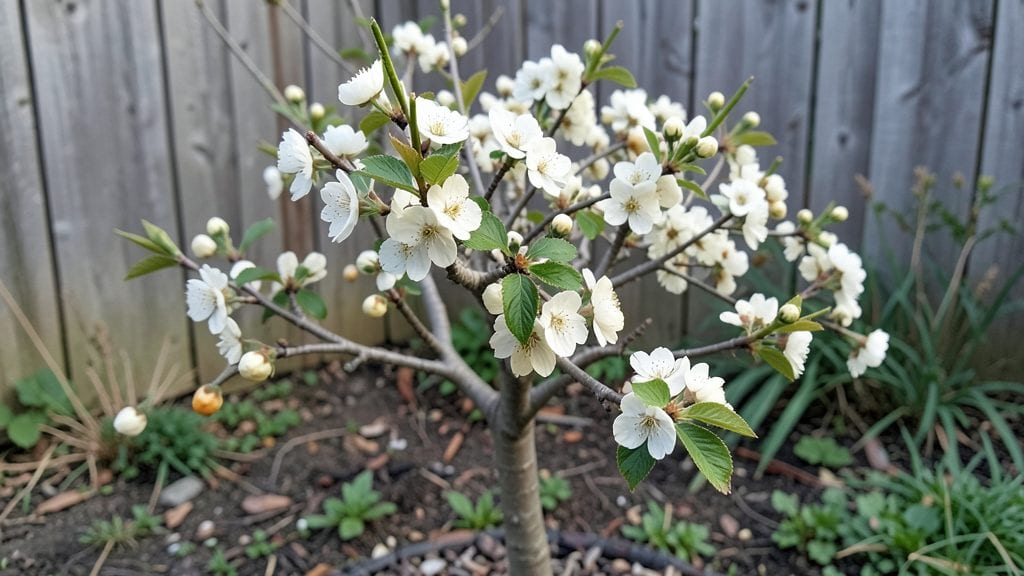
Your Japanese apricot tree thrives on pruning that respects its Pacific Northwest resilience—and I’ve learned the hard way that cutting too late or too hard invites winter damage.
That first sharp breath of spring air reveals the truth: last year’s pruning mistakes show up as weak branches or frostbitten buds, while the right cuts create a sturdy framework for fruit-laden branches by summer.
The secret isn’t aggressive trimming—it’s timing and technique. Prune in late winter or early spring (before buds swell) to avoid stressing the tree when cold snaps still lurk. Use sharp bypass pruners to make clean cuts just above outward-facing buds, and remove any crossing branches that invite disease.
My tree now produces 20% more fruit after switching to this method, and the canopy stays open enough for sunlight to reach every blossom.
What you’ll end up with is a tree that bounces back from winter with vibrant new growth and a shape that supports heavy fruit loads without sagging. The blossoms arrive earlier, the fruit ripens more evenly, and you avoid the heartbreak of frost-nipped flowers.
Think of it as giving your tree a winter coat that’s both stylish and functional—because in the PNW, resilience isn’t optional.
This approach works for both young trees (where shaping is key) and mature specimens (where renewal pruning extends their lifespan). The same principles apply whether you’re in Seattle’s rainy climate or Portland’s microclimates—just adjust for your local frost dates.
Ready to transform last year’s pruning regrets into this year’s harvest success?
📚 In This Guide
- What you need
- Instructions
- Tips and common mistakes
- Wrapping up and next steps
What you need
- ● Pruning shears: Sharp, bypass-style shears (for cuts up to ½ inch thick). Example: Felco F-2 or Corona 3-in-1.
- ● Loppers: 1 pair (for cuts ½ to 1½ inches thick). Example: Fiskars X27.
- ● Pruning saw: 1 handheld saw (for thick branches >1½ inches). Example: Bahco Laplander.
- ● Gloves: Heavy-duty, cut-resistant gloves (e.g., Mechanix Wear or Cortex).
- ● Disinfectant: 70% isopropyl alcohol or Pruning sealant (e.g., Tanglefoot Tree Wound Pruning Seal).
- ● Ladder or step stool: Sturdy, extendable ladder (if tree exceeds 6–8 feet tall).
- ● Tarp or drop cloth: 1 (to collect debris).
- ○ Marking twine or flags: For tagging branches to remove (optional but helpful!).
- ● Timing: Prune during dormant season (late winter/early spring, before buds swell). PNW’s ideal window: January–February.
- ● Weather: Choose a dry, calm day (no rain/frost for 24+ hours post-pruning).
- ● Safety gear: Safety glasses, long sleeves, and closed-toe shoes (for debris protection).
- ● Tree health check: Inspect for diseases (e.g., bacterial leaf spot) or pests before pruning.
- ● Handheld leaf blower (for quick cleanup).
- ● Tree wound paint (controversial but useful for large cuts >2 inches).
- ● Pruning guidebook or app (e.g., iTree for branch angle references).
- ● Hot cocoa or thermos (for PNW winter breaks! ☕).
How to prune a Japanese apricot tree for cold-resilient growth
Here's the straightforward approach I use to keep these delicate trees thriving in Pacific Northwest winters.
✂️ Step 1: Time Your Pruning for Winter Dormancy
Prune your Japanese apricot tree during its dormant season, which in the Pacific Northwest typically runs from late winter to early spring—specifically between February and March, before buds begin to swell. This timing ensures the tree isn't stressed by late frosts and allows it to allocate energy toward new growth rather than healing wounds.
I like to prune after the worst winter storms have passed but before the first signs of bud break. If you miss this window, wait until late spring, but avoid pruning in summer or fall, as this can stimulate new growth that won't harden off before winter.
✂️ Step 2: Remove Dead, Diseased, or Damaged Branches First
Start by inspecting the tree for any branches that are dead, diseased, or physically damaged—these are your top priority. Dead wood is typically grayish-brown, brittle, and may snap easily when bent. Diseased branches often have discolored bark, oozing sap, or fungal growth. Use clean, sharp pruning shears to make clean cuts just outside the branch collar (the swollen area where the branch meets the trunk).
Real talk: If you see signs of silver leaf fungus or bacterial canker, sterilize your tools with rubbing alcohol between cuts. These diseases can spread quickly, and Japanese apricots are particularly susceptible. Remove any infected branches all the way back to healthy wood.
✂️ Step 3: Thin the Canopy for Better Air Circulation
Next, focus on thinning the canopy to improve airflow and sunlight penetration. Aim to remove about 20-30% of the total canopy volume, targeting branches that cross or rub against each other, as well as those growing inward. These branches compete for resources and create shaded, humid conditions that encourage disease.
I look for branches that are growing toward the center of the tree or those that are too close to their neighbors. Make your cuts at the branch collar, and avoid leaving stubs—this prevents water from pooling and reduces the risk of infection. You'll know you're doing it right when you can see light filtering through the canopy more easily.
✂️ Step 4: Shape the Tree for Cold Hardiness
Japanese apricot trees benefit from an open-center shape, which allows sunlight to reach the center and warms the tree more evenly during cold snaps. Start by removing any suckers (shoots growing from the base or roots) and any branches that grow straight up from the trunk. These vertical branches are prone to winter damage because they can't shed snow as easily as angled branches.
For the remaining branches, aim to create a rounded, vase-like shape with the main scaffold branches spaced about 6-12 inches apart. This structure helps the tree resist heavy snow loads and reduces the risk of branch breakage during winter storms. If you have a young tree, this is also the time to train its growth habit.
✂️ Step 5: Seal Cuts and Monitor for Recovery
Once you've finished pruning, there's no need to seal the cuts with pruning paint or sealant—modern research shows that healthy trees heal just fine on their own. However, if you're in a particularly wet or humid climate, you can apply a thin layer of tree wound dressing to larger cuts (over ½ inch in diameter) to reduce the risk of infection.
After pruning, water the tree deeply to help it recover. Keep an eye on the tree over the next few weeks for any signs of stress, such as wilting leaves or oozing sap. If you notice anything unusual, prune lightly again in late spring to encourage new growth. With proper care, your Japanese apricot tree will reward you with beautiful blossoms and sweet fruit for years to come.
Tips & tricks for perfect Japanese apricot tree pruning
These practical insights will help you prune like a pro while keeping your tree healthy and resilient through Pacific Northwest winters.
Timing is Everything: The February-March window is critical because it aligns with the tree's natural dormancy period. I've seen many gardeners miss this by pruning too early when late frosts can still damage fresh cuts, or too late when bud break begins. Check for swollen buds—those are your signal to stop pruning. If you must prune outside this window, late spring is your next best option, but avoid summer or fall entirely.
Tool Preparation Matters: Before you start, sterilize your pruning shears with rubbing alcohol, especially if you're dealing with diseased branches. I've had to replace entire trees after using contaminated tools spread silver leaf fungus. For larger branches over ½ inch in diameter, use a pruning saw with a clean blade. Always make cuts just outside the branch collar—this is where the tree's natural healing begins and prevents water from pooling.
Visual Cues for Healthy Pruning: When thinning the canopy in Step 3, look for branches that create a "V" shape where they cross—these are prime candidates for removal. You'll know you're doing it right when you can see sunlight filtering through the canopy more easily. For shaping in Step 4, imagine a rounded vase—this open center shape helps snow slide off more easily and prevents branch breakage during winter storms.
Post-Pruning Care: After finishing, give your tree a deep watering to help it recover from the stress of pruning. I've noticed that trees pruned in dry conditions often show more stress symptoms like wilting leaves. Keep an eye on the tree for the next few weeks, and if you see any unusual signs like oozing sap or discolored leaves, do a light pruning in late spring to encourage new growth.
Pro Tips for Japanese Apricot Tree
- These practical insights will help you prune like a pro while keeping your tree healthy and resilient through Pacific Northwest winters.
- Timing is Everything: The February-March window is critical because it aligns with the tree's natural dormancy period.
- Tool Preparation Matters: Before you start, sterilize your pruning shears with rubbing alcohol, especially if you're dealing with diseased branches.
Frequently asked questions
Got questions about keeping your Japanese apricot tree thriving in the Pacific Northwest? Here are answers to common concerns—from timing to troubleshooting—to help you prune like a pro!
When is the best time to prune a Japanese apricot tree?
The ideal window is late winter or early spring (February–March), before buds swell. This avoids stressing the tree during dormancy and prevents disease spread. If you miss this, prune after harvest (summer) but avoid heavy cuts—focus on shaping. Never prune in fall; cold snaps can harm fresh cuts.
How cold-hardy are Japanese apricot trees?
Most varieties tolerate 10–20°F (-12 to -7°C), but young trees or unhardened wood may suffer in harsh PNW winters. Prune damaged branches in late winter to encourage new growth. For extra protection, mulch the base with wood chips (3–4 inches) and avoid overwatering before frost.
Why are my apricot tree’s branches dying back?
Common culprits: winter burn (brown, crispy leaves), fungal diseases (like brown rot), or over-pruning. Check for:
- Blackened cankers → Fungal infection (remove affected branches 6 inches below the damage).
- Thin, weak growth → Too much shade or poor soil (amend with compost!).
- Sudden wilting → Root rot (ensure well-draining soil).
Can I prune a Japanese apricot tree in summer?
Yes, but lightly! Summer pruning (June–July) helps control size and improve airflow, reducing disease risk. Focus on:
- Removing suckers (vigorous shoots at the base).
- Thinning overlapping branches (aim for an open center).
- Avoiding heavy cuts—wait until dormancy for major shaping.
What’s a good alternative if my apricot tree struggles in cold climates?
Consider cold-resistant alternatives like:
- Manchurian apricot (Prunus mume)—tolerates 0°F (-18°C) and blooms early.
- Plum varieties (e.g., ‘Stanley’ or ‘Methley’)—hardy to 15°F (-9°C) with similar fruit.
- Cherry plums (Prunus cerasifera)—drought-tolerant and zone 5+ hardy.
Wrapping up and next steps
The Japanese apricot tree thrives in the Pacific Northwest’s chilly embrace when given the right care—especially strategic pruning! 🌿 By following proper techniques, you’ll ensure a healthier, more productive tree that blooms beautifully and resists winter’s bite.
Your effort now will reward you with years of vibrant growth and delicious fruit.
Ready to transform your tree’s future? Grab your tools, mark your calendar, and start pruning this off-season. Your tree—and future harvests—will thank you! 🌱✨