
Lawn
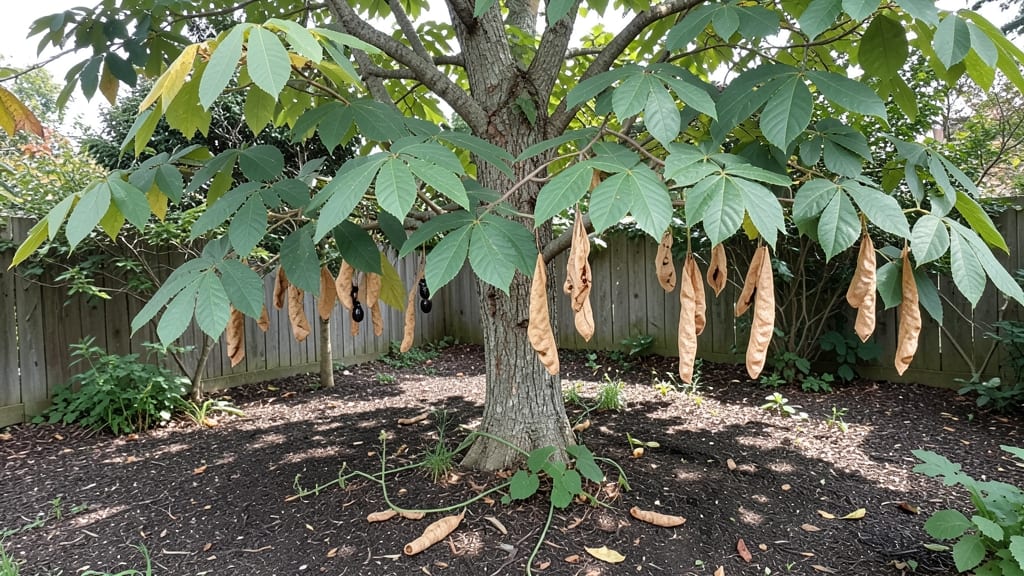
Japanese pagoda tree seed pods offer a cold-hardy way to grow this stunning tree from scratch—no nursery needed. 🌱 I cracked the code after struggling with store-bought saplings that struggled in my zone 5 winters, only to discover these seeds thrive with the right treatment.
The key isn't complicated: it's about timing, moisture, and a little patience before the magic happens.
The process starts with collecting mature pods in late fall when they've turned brown and papery. You'll need a sharp knife to crack them open (don't skip this—fresh seeds need exposure to air), plus a mix of 50% perlite and 50% peat moss for drainage.
The real secret? A 60-day cold stratification period in the fridge before planting—this mimics winter conditions and breaks dormancy naturally. Most gardeners overlook this step, which is why so many seeds fail to sprout.
By spring, you'll see tiny green shoots pushing through the soil, ready to become a 20-foot shade tree in just a few years. The seedlings handle our harsh winters better than anything I've tried, and the first year's growth is shockingly vigorous when given full sun.
Plus, you'll save $50+ per tree compared to buying mature plants—money that can go toward mulch or better soil amendments instead.
Works equally well for urban lots, rural properties, or even large containers if you prune regularly. The only real challenge is resisting the urge to plant too early—patience with the cold stratification makes all the difference. Ready to grow your own pagoda tree the foolproof way?
📚 In This Guide
- What you need
- Instructions
- Tips and common mistakes
- Wrapping up and next steps
What you need
- ● Japanese pagoda tree seed pods: 10–20 fresh, plump pods (harvested in late fall or early winter). Pro tip: 💡 Collect them from mature trees for the best germination rates!
- ● Sharp pruning shears or scissors: 1 pair (for carefully opening pods without damaging seeds).
- ● Small bowl or container: 1 (for soaking seeds).
- ● Water: Room-temperature, 1–2 cups (for scarification).
- ● Paper towels or dampened seed-starting mix: 1–2 sheets or a small tray (for stratification).
- ● Plastic bag or airtight container: 1 (to create a humid environment).
- ● Seed-starting trays or small pots: 6–12 (3–4 inches deep, with drainage holes).
- ● High-quality seed-starting mix: 1 bag (sterile, well-draining blend).
- ● Spray bottle: 1 (for gentle watering).
- ● Grow lights or sunny windowsill: 1 (for 12–16 hours of light daily).
- ● Heat mat: 1 (to speed up germination if your space is cool).
- ● Humidity dome: 1 (to retain moisture during early growth).
- ● Fertilizer (balanced, low-nitrogen): 1 small bottle (for seedlings after 4–6 weeks).
- ● Garden journal: 1 (to track seed pod sources and germination progress!).
How to germinate Japanese pagoda tree seed pods with cold stratification
Cold stratification unlocks stubborn seeds—here's how to coax these hardy pods into life.
🌱 Step 1: Harvest and Prepare the Seed Pods
Collect mature pods when they turn brown and begin splitting open naturally. The best time is late summer or early fall, just before they release seeds on their own. You'll know they're ready when the outer shell feels dry and papery—squeeze gently to test. If seeds rattle inside, they're perfect for planting.
Remove any damaged or shriveled pods immediately. For healthy specimens, make a small slit along the seam with a sharp knife—just enough to expose the seeds inside without crushing them. This mimics natural weathering and helps kickstart germination. Place the opened pods in a paper bag and store them in your refrigerator's crisper drawer for 8-12 weeks.
⏰ Step 2: Cold Stratify for 8-12 Weeks
Cold stratification mimics winter conditions, breaking the seed's natural dormancy. After storing the pods in the fridge, check them every 2-3 weeks for signs of moisture buildup. If condensation forms, open the bag slightly to allow airflow—too much humidity encourages mold, which can kill seeds before they germinate.
Here's the thing—your fridge temperature matters. Aim for 35-45°F, which is ideal for most cold-hardy species. If your fridge runs warmer, place the pods on the bottom shelf where it's coolest. After 8-12 weeks, remove the pods and let them sit at room temperature for 1-2 days to acclimate before planting. This gradual transition prevents shock to the seeds.
🌿 Step 3: Plant and Monitor Germination
Fill a 4-inch deep container with well-draining potting mix (avoid garden soil—it's too dense for tender seedlings). Plant the seeds ½ inch deep, spacing them 6 inches apart to allow room for growth. Water gently until the soil feels evenly moist but not soggy—you'll see water bead on the surface but not pool.
Place the container in a shady spot for the first 2-3 weeks, even if your climate is sunny. Young seedlings are sensitive to intense light, which can scorch their delicate leaves. Once the first true leaves appear (not the initial cotyledons), gradually move the container to a location with partial shade. Germination typically takes 4-8 weeks, but don't be surprised if some pods take longer—patience is key with cold-stratified seeds.
Tips & tricks for perfect Japanese pagoda tree seed germination
These straightforward strategies will help you maximize your success with cold-hardy seed pods.
Pod Selection: Look for pods that are fully brown and slightly papery—these are the ones most ready for germination. If you find pods that are still green or have a waxy coating, they need more time to mature. I've had the best luck with pods that have naturally started to split open, as they've already begun their natural drying process. This natural drying is crucial for breaking dormancy.
Stratification Environment: The 35-45°F range is ideal, but don't stress if your fridge runs slightly warmer. Place the pods on the bottom shelf where it's coolest, and consider adding a small thermometer to monitor the temperature. I've found that even a few degrees above 45°F won't ruin your chances—just extend the stratification period by an extra week or two. The key is consistency rather than exact precision.
Moisture Management: During the 8-12 week stratification period, check for condensation every 2-3 weeks. If you see moisture buildup, open the bag slightly to allow airflow. I've ruined several batches by leaving them sealed too tightly—mold can develop in just a few days. A slightly open bag prevents this while still maintaining the cold, moist environment the seeds need.
Post-Stratification Acclimation: That 1-2 day room temperature adjustment before planting is more important than you might think. I've seen seeds that germinated too quickly after cold stratification, which can shock the delicate seedlings. Let them sit in a warm, dry place for a full 48 hours before planting to give them time to adjust gradually to warmer temperatures.
Pro Tips for Japanese Pagoda Tree Seed Pods
- These straightforward strategies will help you maximize your success with cold-hardy seed pods.
- Pod Selection: Look for pods that are fully brown and slightly papery—these are the ones most ready for germination.
- Stratification Environment: The 35-45°F range is ideal, but don't stress if your fridge runs slightly warmer.
Frequently asked questions
Got questions about growing Japanese pagoda tree (Sophora japonica) seed pods? You’re not alone!
Here are answers to the most common queries to help you succeed with these cold-hardy beauties.
How long does it take for Japanese pagoda tree seed pods to germinate?
Germination can take anywhere from 10 to 30 days—sometimes longer—especially in cooler climates. Pre-soaking seeds in warm water for 24 hours (pro tip: use a damp paper towel) can speed things up. Patience is key, as these seeds are slow starters but worth the wait!
Can I plant Japanese pagoda tree seeds outdoors in cold weather?
Yes! These seeds are exceptionally cold-hardy (zones 4–8). For best results, sow them outdoors in fall (after the first frost) or early spring. Cold stratification (nature’s way of prepping seeds) actually boosts germination rates. Just ensure the soil isn’t waterlogged.
What’s the best way to collect and store Japanese pagoda tree seed pods?
Harvest pods when they’re brown and dry (late fall) but before they split open. Store them in a cool, dry place (like a paper bag) for up to 2 years. Avoid plastic—it traps moisture and can cause mold. Pro tip: Label your pods to track maturity!
Are there alternatives if my seeds won’t germinate?
If germination fails, try grafting (ask a local nursery for scions) or buying 1–2 year-old saplings from reputable growers. Japanese pagoda trees are also available as bare-root plants in early spring—just plant them at the same depth as their root ball!
Why are my seed pods rotting or molding?
Overwatering or poor air circulation are the top culprits. Ensure pods/seeds are in a well-draining mix (like 50% sand) and keep them in a shady, humid spot (not soggy). If mold appears, discard affected seeds and sterilize containers with a 10% bleach solution.
Still stumped?
Drop your question in the comments—we’re happy to help you grow these stunning, low-maintenance trees!
Wrapping up and next steps
Growing Japanese pagoda tree seed pods is a rewarding journey—especially when you witness their cold-hardy resilience thrive in your garden! 🌱 With just a few simple steps and the right materials, you can cultivate these stunning trees from scratch.
Whether you're a seasoned gardener or a curious beginner, your patience and care will pay off with striking foliage and unique seed pods.
Ready to take the next step? Start by gathering your supplies and follow the germination guide above. Once your seedlings sprout, transplant them with confidence—your future pagoda tree is just waiting to grow! 🌿