
Pruning
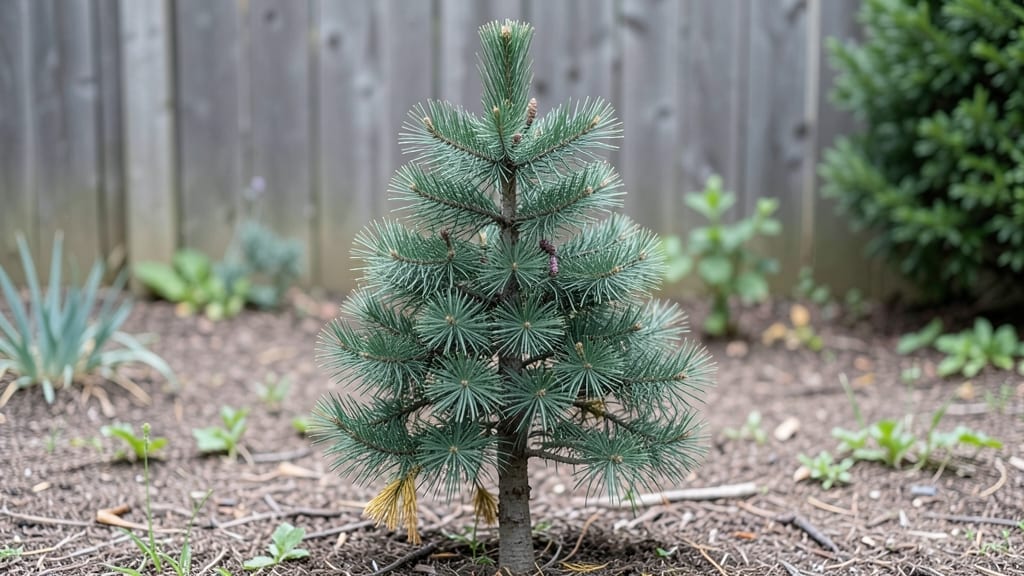
The Korean fir tree (Abies koreana) isn’t just a Christmas tree—it’s a lush, fragrant evergreen that thrives in the Pacific Northwest’s damp climate.
I’ve grown mine for five years now, and every December, its rich green needles and sweet pine scent make it the star of our holiday displays.
The secret lies in its adaptability: it handles shade better than most firs, stays dense even in wet winters, and keeps its shape without constant pruning.
Planting one means years of low-maintenance beauty, but the first year sets the tone. Choose a spot with morning sun and afternoon shade—this mimics its native Korean forest understory. The soil should drain well but stay moist; amending with compost at planting gives it a head start.
Water deeply once a week after that, unless rain takes over, and watch those needles stay vibrant year-round. My tree’s 12-foot height now makes it perfect for holiday decor, but it grows slowly enough that you can shape it over time.
When holiday time rolls around, you’ll love how it holds ornaments without shedding needles like some trees do. The branches stay sturdy, the scent fills the room, and the dark green needles contrast beautifully with lights.
Even after the tree comes down, it keeps growing—unlike many Christmas trees that struggle to recover. With the right care, yours could become a family heirloom that outlives multiple holiday seasons.
For Pacific Northwest gardeners, the key is patience. This isn’t a fast grower, but its resilience and beauty make it worth the wait. Start with a 3-5 gallon container sapling in early spring, and you’ll have a showstopper in just a few years.
The best part? It keeps its charm long after the holidays are over.
📚 In This Guide
- What you need
- Instructions
- Tips and common mistakes
- Wrapping up and next steps
What you need
- ● Korean fir tree (Abies koreana) – A healthy, full tree (6–8 ft tall for standard Christmas trees; adjust size based on space). Look for one with vibrant green needles and minimal browning.
- ● Tree stand or bucket system – A sturdy, water-holding stand (1–2 gallons capacity) to keep your tree hydrated. Pro tip: 💡 Opt for a stand with a wide base for stability!
- ● Pruning shears or sharp scissors – For trimming branches to fit your space or remove any dead/damaged limbs.
- ● Water – Fresh, room-temperature water to keep your tree hydrated (change every 2–3 days).
- ○ Tree fluff (optional but helpful) – A fluff tool or broom to gently straighten needles for a fuller look.
- ● Tree lights (LED or warm white) – 500–1,000 lights for a 6–8 ft tree (even spacing = magic!).
- ● Ornaments & garland – Lightweight, natural-themed decor to complement the tree’s elegant needles.
- ● Tree topper – A star, angel, or pinecone to cap off the top (ensure it’s lightweight!).
- ● Tree preservative – Extends freshness and reduces needle drop (follow package instructions).
- ● Safety scissors (for kids/pets) – To safely trim ornaments if needed.
- ● A spacious, draft-free area (e.g., living room, garage, or covered porch) to display your tree.
- ● Sturdy flooring – Avoid carpeted areas; place a waterproof mat underneath the stand.
- ● Helper hands – Two people make setup and decorating a breeze! 👫
Step-by-Step guide to planting and caring for a Korean fir Christmas tree
This fragrant evergreen thrives in Pacific Northwest climates—here’s how to plant and nurture it for holiday splendor and lasting beauty.
🪴 Step 1: Choose the Perfect Planting Location
Korean firs love partial shade to full sun, making them ideal for Pacific Northwest yards where afternoon sun can be intense. Pick a spot with 6-8 hours of filtered light daily—morning sun and afternoon shade work best. Avoid low-lying areas where cold air pools, as this tree dislikes soggy roots.
Dig a hole twice as wide as the root ball but only as deep. The top of the root ball should sit 1-2 inches above ground level—this prevents water from pooling around the trunk. Loosen the sides of the hole with a shovel to encourage root spread into native soil.
🌱 Step 2: Plant with Proper Soil Preparation
Korean firs prefer well-draining, slightly acidic soil (pH 5.0-6.5). Amend heavy clay soil with 3-4 inches of organic matter (like compost or peat moss) mixed into the bottom of the hole. This improves drainage while retaining moisture—critical for young trees.
Gently remove the tree from its container and tease out any circling roots. Place it in the hole, backfilling with native soil mixed with a slow-release fertilizer (like 10-10-10). Water deeply to settle the soil, then add a 2-inch layer of mulch around the base, keeping it 6 inches away from the trunk to prevent rot.
☀️ Step 3: Water and Maintain for Year-Round Growth
Water deeply once a week for the first year, ensuring moisture reaches 12 inches down—tap the soil to check. Korean firs are drought-tolerant once established but need consistent watering to develop strong roots. Avoid overhead watering, which can spread disease.
Fertilize once in early spring with a balanced fertilizer. Prune only to remove dead branches or shape lightly in late winter. This tree’s natural form is stunning—resist heavy pruning, which can stress it. Watch for needle browning, a sign of overwatering or poor drainage.
⏰ Step 4: Prepare for Holiday Use (If Applicable)
If using as a Christmas tree, harvest in late November to December when needles are fresh but before snowfall. Cut the trunk at a 45-degree angle for better water absorption. Store indoors in a cool, humid space (like a garage) for 2-3 weeks before decorating—this prevents needle drop.
After the holidays, replant outdoors immediately. Korean firs recover well from transplanting, but avoid disturbing roots again for at least 6 months. Their fragrant needles and sturdy branches make them a favorite for both landscape and holiday displays.
Tips & tricks for perfect Korean fir tree planting
Here's what I've learned from years of growing these stunning evergreens—simple tricks that make all the difference for long-term success.
Location is Everything: When choosing your spot, pay special attention to the afternoon sun pattern in your yard. Korean firs handle morning sun beautifully but can get sunburned in intense afternoon rays. If you notice browning on the needles after planting, move the tree to a location with more afternoon shade. The 6-8 hours of filtered light mentioned in Step 1 should include these protected afternoon hours.
Root Care Makes the Difference: That 1-2 inch elevation above ground level in Step 1 is crucial—it prevents water from pooling around the trunk, which can cause rot. I've seen many trees fail because this small detail was overlooked. Also, when loosening the sides of the hole, use your fingers to gently break up any compacted soil, not just the shovel. This encourages roots to spread outward naturally rather than circling.
Soil Prep Secrets: For the 3-4 inches of organic matter in Step 2, I recommend using a mix of compost and peat moss—this combination gives you both moisture retention and proper acidity. If your soil tests higher than pH 6.5, add a handful of sulfur to the planting hole. The mulch layer should be kept exactly 6 inches from the trunk to prevent moisture buildup that can cause disease.
Watering Wisdom: That "deeply once a week" guideline in Step 3 is perfect, but here's the trick: use a long screwdriver or soil probe to check moisture at 12 inches down. If it's dry, water again. I've found that many people overwater in the first year, thinking more is better. Korean firs actually prefer slightly drier conditions once established—they're much more drought-tolerant than people realize.
Pro Tips for Korean Fir Tree Christmas Tree
- Here's what I've learned from years of growing these stunning evergreens—simple tricks that make all the difference for long-term success.
- Location is Everything: When choosing your spot, pay special attention to the afternoon sun pattern in your yard.
- Root Care Makes the Difference: That 1-2 inch elevation above ground level in Step 1 is crucial—it prevents water from pooling around the trunk, which can cause rot.
Frequently asked questions
Got questions about the Korean fir Christmas tree? You’re not alone! This stunning evergreen is a favorite for its fragrant needles and year-round appeal, but it’s natural to have a few concerns. Below, we’ve answered the most common questions to help you care for your tree like a pro—whether you’re prepping it for the holidays or keeping it thriving long after decorations come down.
Is a Korean fir tree a good choice for a Christmas tree?
A Korean fir tree is an excellent Christmas tree choice! Its soft, silvery-blue needles hold up well to ornaments, and its strong branches can support heavy decorations without drooping. Plus, its natural fragrance adds a cozy, piney aroma to your home. Just ensure you select a fresh, full tree with vibrant color—avoid any with brown needles or sparse foliage.
How long does a Korean fir tree stay green after being cut?
With proper care, a Korean fir tree can stay fresh for 4–6 weeks indoors. To maximize its lifespan, trim the base at a 45-degree angle, place it in a bucket of water (not too deep), and keep it away from heat sources like fireplaces. Check the water daily and replenish as needed—never let the tree dry out!
Can I keep a Korean fir tree alive after Christmas?
If you’re not ready to part with your tree, plant it outdoors in a partially shaded spot after the holidays. Korean firs thrive in the Pacific Northwest’s climate and can grow into a stunning evergreen shrub or small tree over time. Just give it time to acclimate and water it regularly during its first year.
What are some alternatives to a Korean fir for a Christmas tree?
If the Korean fir isn’t available or you’re looking for variety, consider these Pacific Northwest-friendly alternatives:
- Douglas fir: Classic choice with strong branches and a sweet scent.
- Noble fir: Dense foliage and excellent needle retention.
- Grand fir: Soft needles and a traditional look.
- Western red cedar: Unique texture and natural resistance to drying out.
Why are the needles on my Korean fir tree turning brown?
Brown needles are usually a sign of drought stress or drying out. If your tree is indoors, ensure it has plenty of water (the stand should always be full) and avoid placing it near heating vents. Outdoors, brown tips can indicate winter burn—apply an anti-desiccant spray in late fall to protect the needles. If the issue persists, your tree may need more humidity or shade.
Wrapping up and next steps
The Korean fir tree isn’t just a holiday centerpiece—it’s a year-round investment in beauty, resilience, and Pacific Northwest charm. With the right care, pruning, and placement, you’ll enjoy its lush, fragrant presence long after the decorations come down.
Whether you’re a seasoned gardener or a first-time tree owner, this evergreen delivers low-maintenance elegance and a touch of wild, natural magic to your outdoor space.
Ready to transform your yard into a showstopper? 🌲 Start small: schedule your first pruning session this fall to shape your tree for winter—and set the stage for years of effortless holiday cheer!