
Pruning
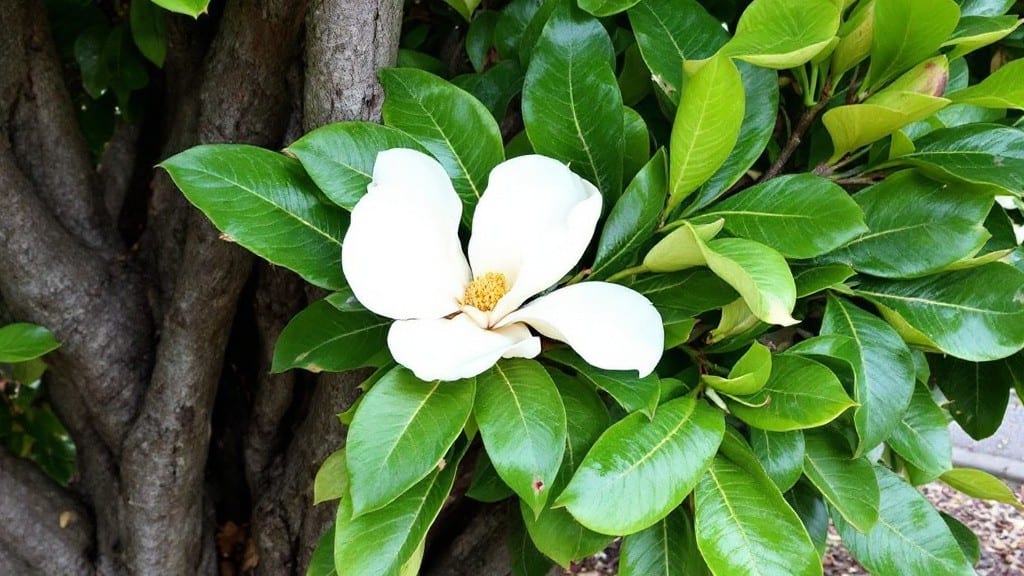
Summer pruning magnolia trees isn’t just about trimming—it’s about unlocking next year’s blooms while keeping your tree thriving in the heat. 🌿 I’ve seen too many gardeners cut back too late, only to watch their magnolias skip spring flowers.
The secret lies in timing, technique, and understanding how summer stress affects these sensitive trees.
Most magnolias bloom on last year’s growth, so pruning now should focus on shaping, not heavy cutting. Remove only dead, crossing, or weak branches—never more than 25% of the canopy at once. The goal is to improve airflow and sunlight penetration, which helps prevent fungal issues during summer’s humidity spikes.
What you’ll get is a tree that bounces back stronger, with healthier foliage and a better framework for next season’s blooms. Just avoid pruning after mid-summer, as new growth won’t harden off before winter. Think of it as a summer tune-up for a spring encore.
Works for both evergreen and deciduous magnolias, though southern varieties like Magnolia grandiflora handle summer cuts better than northern types. Let’s get those shears ready—this is how you keep your magnolia looking its best all year.
📚 In This Guide
- What you need
- Instructions
- Tips and common mistakes
- Wrapping up and next steps
What you need
- ● Pruning shears: Bypass pruners (for cuts 1 pair (look for sharp, stainless-steel blades for clean cuts).
- ● Loppers: Bypass or anvil type (for branches 1–3 inches thick) – 1 pair (extendable handles help with taller trees!).
- ● Pruning saw: Curved-tooth (for branches >3 inches thick) – 1 saw (avoid cheap saws—they tear wood!).
- ● Gloves: Heavy-duty, cut-resistant – 1 pair (magnolia branches can be spiky!).
- ● Disinfectant: 70% isopropyl alcohol or pruning sealant – small bottle (sterilizes tools between cuts to prevent disease).
- ● Ladder or extension pole: Aluminum or fiberglass (reach branches 6+ feet high safely) – 1 unit (check weight capacity!).
- ● Trash bags or bucket: Heavy-duty – 2–3 bags (for debris cleanup).
- ● Hand pruners with ratcheting mechanism – for easier leverage on stubborn branches.
- ● Pole pruner – if your tree is taller than 10 feet (saves ladder time!).
- ● Pruning paint/sealant – only for large cuts (>2 inches thick) to prevent disease entry.
- ● Safety glasses – protects eyes from sap splatter or falling debris.
- ● Notebook & pen – to map out cuts before pruning (helps visualize the final shape!).
- ● Weather check: Prune on a dry, overcast day (avoid midday heat—stresses the tree!).
- ● Tree health: Ensure your magnolia is free of pests/disease (pruning won’t fix underlying issues!).
- ● Timing: Late summer (after flowering, August–early September) is ideal for structural pruning.
- ● Know your tree: Magnolias are slow to heal—avoid over-pruning! Limit cuts to no more than 25% of the canopy.
Step-by-step guide for pruning magnolias in summer
Here's my foolproof method for summer pruning that keeps magnolias blooming beautifully year after year.
✂️ Step 1: Time Your Pruning for Optimal Recovery
Wait until after your magnolia has finished flowering—typically late June to early July—before making any cuts. This ensures you don’t remove next year’s flower buds, which form on old wood. I always check for spent blooms first; if any remain, they’re a sign to wait a few more weeks.
Prune on a mild, overcast day to reduce stress on the tree. If you must prune in hot weather, do it in the early morning or late afternoon when temperatures are cooler. Avoid pruning during heatwaves, as magnolias are sensitive to extreme conditions.
✂️ Step 2: Remove Dead, Diseased, or Crossing Branches
Start by inspecting the tree for dead branches—these are brittle, lack leaves, and snap easily when bent. Cut these out first, making clean cuts just outside the branch collar (the swollen area where the branch meets the trunk). Use sharp, bypass pruners for branches up to 1 inch thick and a pruning saw for thicker branches.
Next, remove any branches that are rubbing against each other or growing inward. These create wounds that invite disease. Look for branches that cross or grow at sharp angles—these are prime candidates for removal. I always step back to assess the tree’s shape before making cuts; this helps me visualize the final form.
✂️ Step 3: Thin Out Overcrowded Areas for Better Airflow
Magnolias thrive when they have good airflow, so focus on thinning out dense areas where branches grow too close together. Remove up to 25% of the tree’s foliage in one session to avoid shocking it. Start with the smallest branches first, as these are easier to remove and less likely to leave large wounds.
When thinning, aim to create an open, vase-like shape that allows sunlight to reach the center of the tree. This encourages stronger growth and reduces the risk of fungal diseases. I like to make my cuts just above a leaf node or outward-facing bud to promote healthy regrowth.
☀️ Step 4: Shape the Tree for Balanced Growth
After removing dead, diseased, and crossing branches, focus on shaping the tree for a natural, balanced appearance. Magnolias grow best when their canopy is open and airy, so avoid heavy pruning that creates a dense, bushy look. Instead, make selective cuts to encourage an upright, spreading form.
If your magnolia has become too tall or leggy, you can lightly prune the top to promote bushier growth. However, avoid cutting back more than one-third of the tree’s height in a single session. I always step back every few cuts to check the tree’s silhouette—this helps me avoid over-pruning.
🌿 Step 5: Clean Up and Protect the Tree
After pruning, remove all debris from the area to prevent disease and pests. Sterilize your pruners with rubbing alcohol between cuts to avoid spreading pathogens. I also like to apply a thin layer of mulch around the base of the tree to retain moisture and protect the roots from heat.
Finally, give your magnolia a deep watering to help it recover from the pruning. Avoid fertilizing immediately after pruning, as this can encourage soft, new growth that’s vulnerable to damage. Instead, wait until late summer or early fall to apply a balanced fertilizer if needed.
Tips & tricks for perfect summer magnolia pruning
These strategic insights will help you prune with confidence and keep your magnolia thriving for years to come.
Timing is Everything: The late June to early July window is critical because magnolias form next year's flower buds on old wood. I've seen too many gardeners rush this process and end up with fewer blooms the following spring. If you're unsure whether your tree has finished flowering, check for any remaining buds—if they're still holding on, wait another week or two. This patience pays off in spectacular spring displays.
Tool Selection Matters: Using the right tools makes all the difference. For branches up to 1 inch thick, sharp bypass pruners create clean cuts that heal faster. I've made the mistake of using dull tools, which can tear the bark and invite disease. For thicker branches, switch to a pruning saw—it gives you the control needed to make precise cuts just outside the branch collar. Remember, clean cuts are less stressful for the tree and promote better regrowth.
Visual Assessment Technique: Before making any cuts, step back and look at your magnolia from multiple angles. This helps you visualize the final shape and identify problem areas. I often use a garden hose or stick to mark branches I plan to remove—it's like creating a blueprint for your pruning. Focus on creating an open, vase-like shape that allows sunlight to penetrate to the center, which is crucial for preventing fungal diseases that thrive in shaded, crowded areas.
Post-Pruning Care Strategy: After you've finished pruning, don't just walk away—proper cleanup is essential. Remove all debris from the area to prevent disease and pests from taking hold. Sterilize your tools between cuts with rubbing alcohol to avoid spreading pathogens. I also recommend applying a thin layer of mulch around the base of the tree to retain moisture and protect the roots from summer heat. Finally, give your magnolia a deep watering to help it recover, but hold off on fertilizing until late summer or early fall to avoid encouraging vulnerable new growth.
Pro Tips for Magnolia Tree In Summer
- These strategic insights will help you prune with confidence and keep your magnolia thriving for years to come.
- Timing is Everything: The late June to early July window is critical because magnolias form next year's flower buds on old wood.
- Tool Selection Matters: Using the right tools makes all the difference.
Frequently asked questions
Got questions about keeping your magnolia tree thriving during summer pruning? Here are answers to the most common concerns—so you can prune with confidence and keep those stunning blooms coming!
When is the exact best time to prune a magnolia in summer?
The ideal window is late June to early July—after flowering but before the heat peaks. This timing balances bloom preservation and healthy regrowth. Avoid pruning during extreme heat (above 90°F), as stress can invite pests or disease. Pro tip: Early morning or late afternoon cuts minimize stress on the tree!
Can I prune a magnolia too much in summer?
Yes! Magnolias are sensitive to heavy pruning. Limit cuts to no more than 25% of the tree’s foliage to avoid shocking it. Focus on removing dead, diseased, or crossing branches—never trim more than one-third of any branch’s length. Over-pruning can reduce next year’s blooms or leave the tree vulnerable to sunburn.
Why are my magnolia leaves turning yellow after summer pruning?
Yellowing leaves often signal nutrient stress or over-pruning. If cuts were too aggressive, the tree may struggle to support new growth. Check for pests (like scale or spider mites) and ensure it’s getting adequate water and mulch. A balanced fertilizer (low in nitrogen) in early fall can help recovery.
Will summer pruning reduce my magnolia’s flowers next year?
Not if done correctly! Pruning after flowering (June–July) won’t harm next year’s blooms—in fact, it can enhance them by improving air circulation. Avoid cutting flower buds (they form in late summer/fall). Focus on shaping and thinning to encourage stronger growth.
Are there alternative ways to shape a magnolia without pruning?
If you’re hesitant about summer cuts, try selective thinning or natural shaping by guiding new growth with support stakes. For dense canopies, pinching back young shoots (not full branches) can encourage bushier growth. Just avoid heavy structural changes—magnolias respond best to minimal, strategic adjustments.
Wrapping up and next steps
Summer is your magnolia tree’s secret weapon—with the right pruning techniques, you’re not just shaping its branches, you’re reviving its blooming potential for seasons to come! 🌸 From clearing dead wood to encouraging lush growth, every strategic cut is an investment in a healthier, more vibrant tree.
Whether you’re a seasoned gardener or just starting, now’s the perfect time to roll up your sleeves and give your magnolia the care it deserves.
Ready to transform your tree? Grab your tools, follow the steps, and watch your magnolia thrive! Next, explore our seasonal pruning calendar to keep your tree in peak condition year-round.