
Pruning
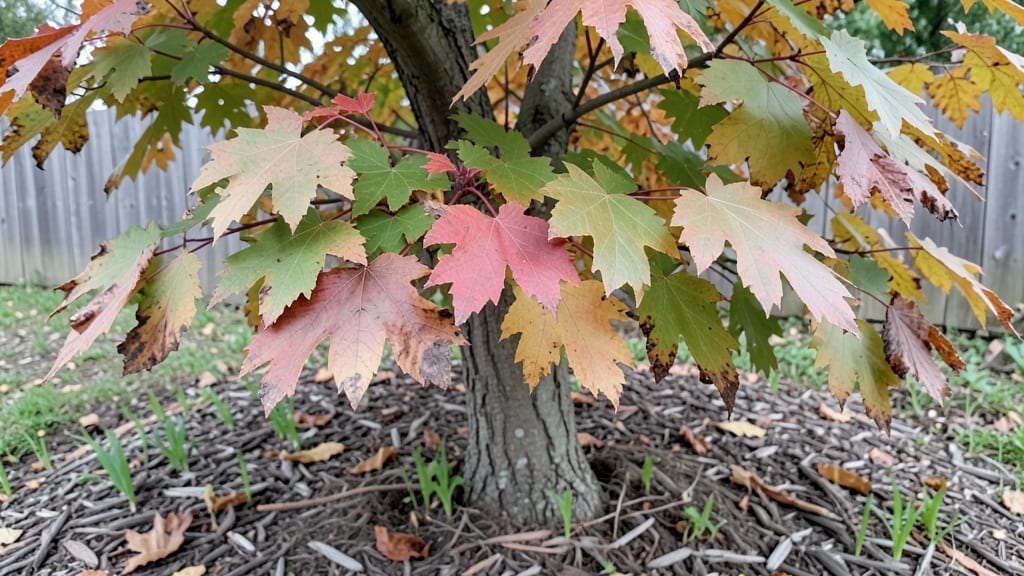
Your maple tree’s crispy, yellowing edges aren’t just unsightly—they’re a cry for help. 🌳 After years of watching trees struggle through droughts and sudden freezes, I’ve learned the pruning tricks that actually stop leaf scorch before it spreads.
The key isn’t just cutting back damaged branches, but understanding why they’re scorched in the first place.
Drought stress, fungal infections like anthracnose, or even harsh afternoon sun can turn vibrant green leaves into brittle brown paper. Most people panic and prune too aggressively, but the real fix starts with watering deeper—2-3 inches per week—and mulching to keep roots cool.
Once you’ve ruled out disease (check for black spots or powdery residue), pruning becomes a precision tool to remove only the worst-affected growth.
What you’ll end up with is a tree that bounces back faster, with fresh green leaves pushing out by mid-summer. The right cuts encourage new growth while reducing stress on the tree’s system.
Even better? These techniques work for both sugar maples and silver maples, so you’re covered no matter what variety you’ve got.
This isn’t just about saving leaves—it’s about giving your tree the resilience to handle future heatwaves and early frosts. Let’s get those branches looking healthy again, step by step.
📚 In This Guide
- What you need
- Instructions
- Tips and common mistakes
- Wrapping up and next steps
What you need
- ● Pruning shears: Bypass pruners (for small branches, 4–6 inches) or loppers (for branches ½–2 inches thick). Pro tip: Sharpen blades before use to avoid tearing bark! ✨
- ● Hand saw: Pruning saw with a curved blade (7–10 inches) for thicker branches (2+ inches). Look for non-serrated teeth to prevent splintering.
- ○ Disposable gloves: Nitrile or leather (thick enough to protect against thorns/sap). Optional: Add gardening sleeves for extra defense.
- ● Rubbing alcohol (70%+) or bleach solution: 1 part bleach : 9 parts water to sterilize tools between cuts. Why? Prevents disease spread! 🦠
- ○ Pruning sealant (optional): Tree wound paint (e.g., Tanglefoot Tree Wound Pruning Sealer) for cuts larger than ½ inch. Debate: Many experts skip this—research first!
- ● Ladder: Aluminum extension ladder (16–24 ft) with non-slip feet. Safety first: Use a sturdy helper or ladder stabilizers.
- ● Heavy-duty trash bags: 20–30 gallon capacity for debris disposal. Eco-tip: Compost healthy leaves if possible!
- ● Best time to prune: Late winter or early spring (dormant season) for frost-resistant cuts. Exception: Light pruning to remove scorched leaves can happen anytime—just avoid extreme heat/cold.
- ● Weather check: Calm, dry conditions (no rain forecast for 24 hours). Rain + cuts = fungus risk! ☔
- ● Tree health assessment: Confirm leaf scorch is not from disease (e.g., tar spot fungus) or pests. When in doubt: Test a small branch or consult a local arborist.
- ● Safety gear: Safety glasses (to shield from debris) and closed-toe shoes (no sandals!).
- ● String or flagging tape: Mark branches to remove later (great for complex pruning plans).
- ● Hose with nozzle: Rinse tools and cuts post-pruning to clean sap.
- ● Camera/phone: Snap before/after photos to track progress over seasons.
- ○ Tree growth regulator (optional): Products like Apogee (for stress reduction) if your tree is severely affected.
Step-by-step instructions for reviving maple trees with leaf scorch
Here’s how to diagnose and fix yellowing leaves—without over-pruning or stressing your tree.
🌿 Step 1: Identify the Scorch Pattern and Cause
Start by examining the leaves closely. Maple leaf scorch typically shows as brown, crispy edges that spread inward, leaving green veins. This happens when trees can’t absorb enough water during heatwaves or drought. Check the soil around the base—if it’s dry 2-3 inches down, that’s your first clue.
Rule out pests first. Look for holes, webs, or sticky residue on leaves. If you see none, scorch is likely environmental. Mature maples often scorch in late summer heat because their roots can’t keep up with demand. This isn’t a death sentence—it’s a signal to adjust care.
✂️ Step 2: Prune Strategically to Reduce Stress
Prune only dead or severely scorched branches—never more than 25% of the canopy at once. Use clean, sharp pruners and cut just outside the branch collar (the swollen area where the branch meets the trunk). This prevents infection and encourages healthy regrowth.
Focus on thinning out crowded branches to improve airflow. Scorch spreads faster in dense canopies. Remove branches that cross or rub against others first. Avoid topping the tree—this creates weak, water-stressed growth. If you’re unsure, prune smaller branches first and monitor for improvement.
💧 Step 3: Deep Water and Mulch for Recovery
Water the tree slowly and deeply at the base, using 10-15 gallons spread over the root zone. Let the water soak in—don’t just wet the surface. Do this twice a week during dry spells. You’ll know it’s enough when water runs out the drainage holes (if in a container) or seeps into the soil 6-8 inches down.
Apply 2-3 inches of mulch (like shredded bark) around the base, keeping it 6 inches away from the trunk. Mulch retains moisture and regulates soil temperature. Replenish it annually—it breaks down over time. Avoid piling mulch against the trunk, as this traps moisture and invites rot.
☀️ Step 4: Shield from Late-Summer Heat Stress
If your maple is in a full-sun exposure, consider providing afternoon shade during peak heat (1-5 PM). Use shade cloth or plant taller trees nearby to break the wind. Even temporary relief helps stressed leaves recover. You’ll notice new growth emerging in 2-3 weeks if the tree is otherwise healthy.
Fertilize lightly in early spring with a balanced, slow-release fertilizer (like 10-10-10) to support recovery. Avoid high-nitrogen fertilizers now—they encourage leafy growth but worsen water stress. Instead, focus on root health with a deep watering schedule and proper mulching.
⏰ Step 5: Monitor and Adjust for Next Season
Watch for new leaf growth in late spring or early summer. Healthy leaves should be deep green and firm, not brittle. If scorch returns next year, your tree may need drip irrigation or a larger root zone (like planting in a deeper hole or amending soil with compost).
Prune again in late winter (before buds swell) to remove any remaining dead wood. This keeps the tree’s energy focused on recovery. Avoid pruning during drought or extreme heat—it stresses the tree further. With consistent care, your maple should bounce back within 1-2 growing seasons.
Tips & tricks for reviving maple trees with leaf scorch
Confession: I've seen too many maples suffer from leaf scorch because people overreact with drastic pruning or ignore the root causes. Here's what nobody tells you about gentle, effective recovery.
Diagnosis Tip: The key to fixing scorch is distinguishing between environmental stress and pest damage. Look for these clues: environmental scorch shows as crispy brown edges with green veins, while pests leave holes or sticky residue. I learned this the hard way after treating a perfectly healthy tree for pests when it was just thirsty!
Pruning Strategy: When you're pruning in Step 2, focus on creating airflow rather than removing large sections. Thin out crowded branches first - this improves circulation and helps the remaining leaves recover faster. Remember, you're not supposed to remove more than 25% of the canopy at once, but strategic thinning makes a bigger difference than aggressive pruning.
Watering Wisdom: That 10-15 gallons of water in Step 3 needs to go deep - use a soaker hose or drip irrigation to deliver water slowly over 30-45 minutes. This mimics natural rainfall and encourages roots to grow deeper. I've seen trees recover completely after just one proper deep watering session during drought conditions.
Mulching Mastery: The 2-3 inches of mulch you apply should be spread in a donut shape around the tree, keeping it 6 inches away from the trunk. This creates a moisture barrier that helps regulate soil temperature. Pro tip: use shredded bark mulch - it breaks down slower than other types and provides long-term moisture retention.
Pro Tips for Maple Tree Leaf Scorch
- Confession: I've seen too many maples suffer from leaf scorch because people overreact with drastic pruning or ignore the root causes.
- Diagnosis Tip: The key to fixing scorch is distinguishing between environmental stress and pest damage.
- Pruning Strategy: When you're pruning in Step 2, focus on creating airflow rather than removing large sections.
Frequently asked questions
What causes maple tree leaf scorch in the first place?
Leaf scorch in maple trees is usually triggered by environmental stress, like sudden temperature swings, drought, or intense sunlight after winter. Frost-resistant pruning helps by improving airflow and reducing water stress—key factors in preventing scorch. Poor soil drainage or over-fertilization can also contribute.
How long does it take to see improvement after pruning?
You may notice changes within 4–6 weeks during the growing season, but full recovery can take 1–2 years, depending on the tree’s health and care. Prune at the right time (late winter or early spring) for the best results. Patience is key—focus on consistent watering and mulching to support healing.
Can overwatering or underwatering worsen leaf scorch?
Underwatering
stresses roots, while overwatering suffocates them—both trigger scorch. Aim for 1–1.5 inches of water weekly (deep watering, not frequent shallow soaks). Mulch 3–4 inches deep to retain moisture and regulate soil temperature.
Should I prune scorched leaves, or will they recover on their own?
Remove only dead or heavily damaged branches—healthy leaves can still recover. Avoid heavy pruning mid-summer, as it stresses the tree. Focus on structural pruning in dormant seasons to improve long-term resilience. Never prune more than 25% of the canopy at once.
Are some maple varieties more prone to leaf scorch?
Yes! Norway maples and silver maples are particularly susceptible, while red maples and sugar maples handle stress better. If scorch is recurrent, consider drought-tolerant alternatives like freeman maples or autumn blaze maples, which are bred for resilience.
Wrapping up and next steps
Maple tree leaf scorch doesn’t have to be a permanent problem—with the right frost-resistant pruning techniques, you can revive your tree’s health and restore its vibrant foliage. 🌿 By understanding the causes (like environmental stress or improper care) and following targeted pruning steps, you’re already on the path to success. Now’s the time to act!
Your next logical step? Monitor your tree after pruning—water it consistently, keep an eye on new growth, and adjust care as needed. With patience and the right approach, your maple tree will bounce back, stronger than ever! 🌳✨