
Pruning
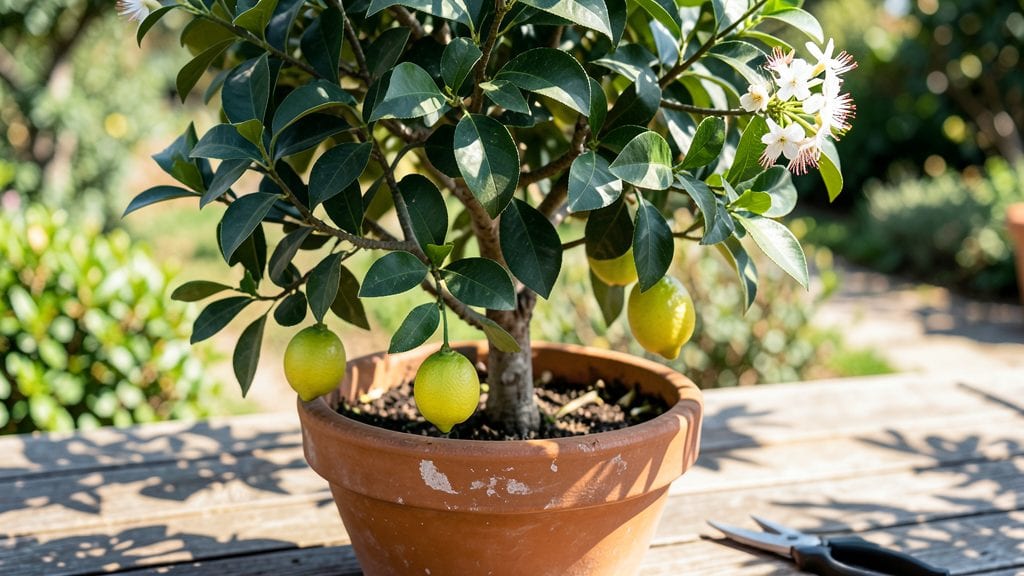
Growing a Mediterranean lemon tree in the Pacific Northwest isn’t just possible—it’s a fragrant, sun-drenched reality that turns winter patios into mini citrus groves. 🌿 The key lies in pruning for frost resilience, a technique that keeps your tree alive through chilly nights while still producing lemons in summer.
My first tree nearly died after our first hard freeze, but after learning these canopy tricks, it’s now thriving with glossy leaves and tiny, tart fruit.
You’ll need sharp pruning shears, a 3-gallon container (or in-ground spot) with well-draining soil, and a sunny location—at least 6 hours of direct light daily.
The real magic happens in late winter, when you shape the tree to open its center, letting sunlight warm the core and air circulate to prevent fungal rot. Even in Zone 8, this method keeps branches from snapping under ice loads.
By summer, you’ll be harvesting lemons that smell like vacation sunshine—bright, fragrant, and perfect for marmalade or garnishes. The tree stays compact enough for patios but sturdy enough to survive our damp winters.
With just a few strategic cuts each year, you’ll have a lemon tree that outlasts the frost and keeps producing for decades.
Works equally well in containers or planted in the ground, making it perfect for urban gardens or rural homesteads. The same principles apply whether you’re in Seattle or Portland—just adjust watering slightly for your microclimate. Let’s get those branches shaped for success!
📚 In This Guide
- What you need
- Instructions
- Tips and common mistakes
- Wrapping up and next steps
What you need
- ● Pruning shears: Bypass pruners (sharp, clean, and sterilized with rubbing alcohol) for small branches (¼"–¾" diameter). Pro tip: 💡 Avoid anvil pruners—they crush stems, inviting disease!
- ● Loppers: 1 pair (for branches ¾"–2" diameter). Look for ratcheting loppers for extra leverage.
- ● Pruning saw: 1 handheld saw (for branches >2" diameter). A bow saw or pruning saw with a fine-toothed blade works best.
- ● Disposable gloves: 2–3 pairs (nitrile or leather to protect against thorns and sap). Pro tip: 🌡️ Wear them even if you’re not allergic—lemon sap can irritate skin!
- ● Rubbing alcohol (70% isopropyl) or bleach solution: 1 small bottle or spray bottle (for sterilizing tools between cuts).
- ○ Sealing wax or pruning paint: 1 small container (optional but highly recommended for cuts >½" diameter to prevent disease).
- ● Bucket or trash bag: 1 (for collecting pruned branches). Pro tip: ✨ Line it with a plastic bag for easy cleanup!
- ● Ladder (if needed): 1 sturdy, extendable ladder (ensure it’s rated for your height + tree size). Safety first: 🎯 Place it on stable, level ground and secure it against the tree.
- ● Hand pruners (felco-style): 1 pair (for precision trimming on delicate branches).
- ● Tree pruning spray (copper-based fungicide): 1 bottle (prevents fungal infections in cuts).
- ● Notebook & pencil: 1 (to sketch your pruning plan or track growth over time).
- ● Mulch (straw or wood chips): 1–2 bags (to protect the root zone post-pruning).
- ● Camera or phone: 1 (to document your tree’s progress before/after pruning).
Step-by-Step instructions for pruning Mediterranean lemon trees in cold climates
Here’s how to sculpt a frost-hardy canopy that thrives in the Pacific Northwest’s cooler seasons.
🌿 Step 1: Time Your Pruning for Optimal Frost Resistance
Prune your Mediterranean lemon tree late winter to early spring, just before new growth begins—4-6 weeks before your last frost date. This timing ensures the tree has time to harden off before cold snaps. Avoid pruning in fall or winter when the tree is dormant; new cuts won’t heal properly and may invite disease.
Look for swollen buds along the branches—they signal the tree’s readiness to regrow. If you prune too early, the tree may produce tender new growth that won’t survive frost. If you wait too late, you risk damaging emerging buds. In the Pacific Northwest, aim for February to March for the best balance.
✂️ Step 2: Remove Dead, Diseased, and Crossing Branches First
Start by eliminating any dead, broken, or diseased wood—these branches won’t recover and can spread pathogens. Use sterilized pruning shears to make clean cuts at a 45-degree angle, about ¼ inch above a healthy bud or lateral branch. This prevents water from pooling and rotting the wound.
Next, target crossing or rubbing branches—these compete for energy and can create entry points for pests. Remove one of the two branches entirely, cutting back to the point where it originates from the main trunk or scaffold branch. If you leave stubs, the tree will produce weak, water-sprout growth that’s vulnerable to frost.
☀️ Step 3: Thin the Canopy for Airflow and Sun Penetration
Mediterranean lemon trees need good airflow to prevent fungal diseases like powdery mildew, which thrives in the damp Pacific Northwest climate. Step back and visualize light reaching the inner branches—your goal is a well-aerated, open canopy. Remove up to 20% of the foliage by selectively pruning branches that block sunlight from the center.
Focus on suckers (vigorous shoots growing from the base or trunk) and water sprouts (fast-growing, weak branches). These steal energy from fruit production. Cut them back to the point of origin, but avoid leaving large stubs—this encourages more unwanted growth. After thinning, the tree should look balanced, with light filtering through the canopy evenly.
🪴 Step 4: Shape for Frost Hardiness and Structural Integrity
Give your lemon tree a rounded, vase-like shape to distribute weight and reduce frost damage. Start by shortening overlong branches by one-third to encourage bushier growth. Make cuts just above an outward-facing bud to promote new growth in the right direction. Avoid cutting back to old wood unless necessary—you’ll sacrifice fruit production.
Pay special attention to low-hanging branches—these are the first to suffer in frost. If they’re within 3 feet of the ground, consider removing them entirely or elevating them with a stake. In the Pacific Northwest, where frost can linger in low spots, this small adjustment can mean the difference between a dead branch and a thriving one.
💧 Step 5: Post-Pruning Care for Cold-Weather Recovery
After pruning, water deeply to help the tree recover and stimulate new growth. Apply a 2-3 inch layer of mulch around the base (but not touching the trunk) to insulate roots from temperature swings. In colder microclimates, consider wrapping the trunk with burlap or frost cloth during late fall and winter to protect it from freeze-thaw cycles.
Monitor the tree for new growth in 4-6 weeks. If you see pale, leggy shoots, it means the tree is pushing too hard—reduce nitrogen fertilizer temporarily. If buds fail to break, the pruning was too severe. Adjust next year by making smaller cuts. In the Pacific Northwest, a well-pruned lemon tree can produce abundant fruit even in cooler summers.
Tips & tricks for perfect Mediterranean lemon tree pruning
Here's what nobody tells you about pruning Mediterranean lemon trees in the Pacific Northwest—these tricks make all the difference for frost resilience.
Timing is Everything: That 4-6 week window before your last frost isn't just a suggestion—it's critical. I learned this the hard way after seeing tender new growth freeze in one of our early spring cold snaps. Check your local frost date and mark your calendar accordingly. In Seattle, that means aiming for mid-February, while Portland gardeners should wait until late February. The Pacific Northwest's unpredictable weather means you can't afford to guess.
The 45-Degree Angle Secret: When making those clean cuts in Step 2, the 45-degree angle isn't just about aesthetics—it's about proper wound healing. I've seen too many pruning jobs where straight cuts left water pooling at the base, leading to rot. Always cut just above a healthy bud or lateral branch, and make sure your pruning shears are sharp. Dull blades crush the tissue, creating larger wounds that take longer to heal—especially important in our damp climate where fungal infections thrive.
Canopy Visualization Technique: Before you make any cuts in Step 3, step back and visualize your tree's canopy as a three-dimensional puzzle. Imagine sunlight filtering through like rays from above. I use a simple trick: hold a flashlight at arm's length and shine it through the branches. Wherever you see dark shadows, those are the branches that need to go. This helps you achieve that perfect 20% foliage reduction without over-pruning. In our Pacific Northwest climate, good airflow is everything for preventing powdery mildew.
Low-Branch Rescue Strategy: Those branches hanging within 3 feet of the ground in Step 4 are prime frost targets. I've seen them get completely blackened after just one hard freeze. If removing them completely feels drastic, try elevating them with a sturdy stake instead. This simple adjustment can mean the difference between a dead branch and one that survives our winter frosts. Just make sure the stake is firmly anchored—our rainy season can make the ground quite soft.
Pro Tips for Mediterranean Lemon Tree
- Here's what nobody tells you about pruning Mediterranean lemon trees in the Pacific Northwest—these tricks make all the difference for frost resilience.
- Timing is Everything: That 4-6 week window before your last frost isn't just a suggestion—it's critical.
- The 45-Degree Angle Secret: When making those clean cuts in Step 2, the 45-degree angle isn't just about aesthetics—it's about proper wound healing.
Frequently asked questions
Got questions about pruning your Mediterranean lemon tree in the Pacific Northwest? You’re not alone! Here are answers to the most common concerns—from frost prep to long-term care—so you can keep your citrus thriving year-round.
When is the best time to prune a lemon tree in the PNW to avoid frost damage?
Prune your Mediterranean lemon tree late winter or early spring (February–March), after the worst frost threats have passed. This timing balances frost protection (by removing vulnerable branches) with growth stimulation (as days lengthen). Avoid pruning in fall—new growth won’t harden before winter. For extra safety, wrap the trunk in burlap if frost is forecasted.
How do I protect my lemon tree from PNW frosts if it’s not fully hardy?
Mediterranean lemon trees (Citrus × limon) are tender to 15–20°F, so PNW winters require strategy:
- Mulch heavily (6+ inches of wood chips) around the base to insulate roots.
- Use frost cloth (30–40% shade) over the canopy on cold nights.
- Group trees together to create a microclimate.
- Move potted trees to a sheltered garage or against a south-facing wall.
Should I remove all the dead wood after frost, or wait?
Remove obviously dead branches (blackened, brittle, or peeling bark) immediately after frost to prevent disease. Wait to prune healthy but frost-damaged branches until late winter—they may recover with new growth. Sterilize pruners with rubbing alcohol to avoid spreading pathogens.
Can I prune a lemon tree too much? What’s the ideal shape?
Yes! Over-pruning stresses the tree, reducing fruit production. Aim for a balanced, open canopy with:
- 3–5 main scaffolds (branches) spaced evenly.
- Remove crossing or inward-growing branches to improve airflow.
- Limit pruning to 20–30% of the foliage per year.
Will pruning my lemon tree reduce fruit yield?
Not if done correctly! Pruning increases fruit quality and yield by:
- Improving sunlight penetration (more blooms = more fruit).
- Reducing overcrowding (fewer small, tart lemons; more large, sweet ones).
- Encouraging air circulation (fewer pests/diseases = healthier trees).
What’s a good alternative if my lemon tree keeps dying in PNW winters?
If Mediterranean lemons struggle in your zone, try these frost-tolerant citrus alternatives:
Variety
Cold Hardiness
Notes
Citrus × meyeri (Meyer lemon)
15–20°F (with protection)
Sweeter, more cold-resistant than Mediterranean lemons; great for containers.
Poncirus trifoliata (Trifoliate orange)
5–10°F (hardiest citrus!)
Dwarf, thorny, and cold-hardy; can be grafted onto lemon rootstock.
Citrus × aurantium (Seville orange)
18–20°F
Tolerates brief frosts; produces bitter oranges (great for marmalade!).
Wrapping up and next steps
Growing a thriving, frost-resilient Mediterranean lemon tree in the Pacific Northwest is absolutely achievable with the right pruning techniques!
By following the steps outlined—timing, tools, and shaping—you’ll create a hardy canopy that not only survives winter but thrives year-round. Your lemon tree’s future is bright, and with patience, it’ll reward you with bountiful harvests for decades.
Ready to take the next step? Mark your calendar for late winter or early spring—your tree’s pruning window is just around the corner! Grab your pruners, sketch a quick shape, and get ready to transform your citrus dream into a reality. 🌱✨