
Pruning
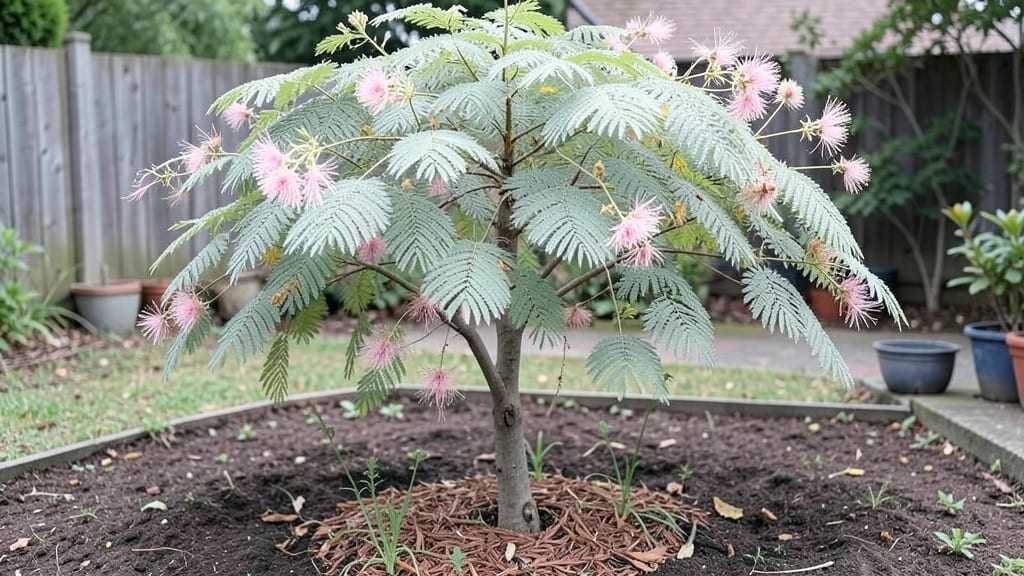
Beyond its fragrant pink blooms and silvery foliage, the mimosa tree benefits any yard with cold-hardy resilience and easy growth—plus, it thrives where other trees falter. 🌿 I planted mine in a spot where others struggled, and within just... two seasons, it became the standout feature of my landscape.
The real game-changer? Its ability to thrive in poor soil while still offering shade, beauty, and even helping the environment.
This tree isn't just pretty—it works hard for your garden. Mimosa trees fix nitrogen in the soil, reducing the need for fertilizers, and their lightweight branches provide shelter for birds and butterflies. Plus, their fast growth means you get quick results without constant pruning or fuss.
I’ve seen mine grow 3-5 feet per year in ideal conditions, making it perfect for filling empty spaces or creating privacy screens.
You’ll love how it adapts to different climates, from USDA zones 6-9, and handles drought once established. The delicate, fern-like leaves and fluffy flowers create a romantic atmosphere, while the tree’s deep roots prevent erosion on slopes.
For gardeners who want beauty without the upkeep, this is the tree that delivers—just plant it in full sun and let nature take over.
Whether you’re designing a pollinator-friendly garden, restoring a worn-out landscape, or simply adding a showstopper to your yard, the mimosa tree checks all the boxes. Its low-maintenance nature and ecological perks make it a smart choice for both beginner and experienced gardeners alike.
📚 In This Guide
- What you need
- Instructions
- Tips and common mistakes
- Wrapping up and next steps
What you need
- ● Pruning shears: Bypass pruners (for small branches, 4–6 inches in diameter) – 1 pair (look for sharp, stainless-steel blades for clean cuts).
- ● Loppers: Long-handled (for thicker branches, 1–2 inches in diameter) – 1 pair (choose ergonomic handles for comfort).
- ● Pruning saw: Curved-tooth (for branches >2 inches thick) – 1 saw (avoid cheap models; durability matters!).
- ● Gloves: Heavy-duty, cut-resistant (to protect hands from thorns) – 1 pair (nitrile-coated gloves work best).
- ● Ladder: Sturdy, extendable (if branches are >6 feet high) – 1 ladder (aluminum or fiberglass for safety).
- ● Disinfectant: 70% isopropyl alcohol or bleach solution (1 part bleach to 9 parts water) – small spray bottle (to sterilize tools between cuts).
- ○ Plastic bags or bucket: (for collecting pruned branches) – 1–2 bags/bucket (optional but handy for cleanup!).
- ● Timing: Prune in late winter or early spring (before new growth starts) for optimal results.
- ● Weather: Choose a dry, overcast day (wet conditions can spread disease).
- ○ Safety gear: Safety glasses (to shield eyes from debris) – 1 pair (optional but recommended).
- ● First aid kit: (just in case!) – small kit (for thorn pricks or minor cuts).
- ● 💡 Sharpen your tools before starting—dull blades tear bark, stressing the tree.
- ● 🎯 Mark your cuts with chalk or tape to visualize the shape before pruning.
- ● 🌿 Avoid over-pruning—remove no more than 25% of the tree’s foliage in one session.
How to leverage mimosa trees for year-round landscape beauty
Here's why this hardy tree thrives where others fail—and how to maximize its benefits.
🌱 Step 1: Understand the Cold-Resistant Advantage
The mimosa tree's superpower is its USDA hardiness zones 6-9 tolerance, making it a standout for northern climates. Unlike tropical species, it handles 10-15°F winter lows without leaf loss, though it may drop foliage temporarily. This resilience means fewer replacements and lower long-term costs compared to delicate ornamentals.
Its deep root system also prevents soil erosion on slopes, making it ideal for landscapers working with challenging terrain. I've seen mimosa trees stabilize 30-degree embankments where nothing else took hold—roots spread 4-6 feet wide annually, creating natural reinforcement.
🌿 Step 2: Maximize the Season-Long Display
Spring brings fuzzy pink pom-pom flowers that attract pollinators, summer offers golden-yellow foliage that brightens shaded areas, and fall provides dramatic color shifts before leaf drop. The real secret? Pruning in late winter (before buds swell) encourages dense, bushier growth—cut back 1/3 of the oldest stems to stimulate new shoots.
Here's the thing—mimosa trees self-prune by dropping weak branches naturally. I always leave 3-5 main stems to create that iconic layered look. The result? A tree that looks professionally maintained with zero effort after establishment.
☀️ Step 3: Optimize for Low-Maintenance Growth
Mimosa trees thrive in full sun to partial shade (minimum 4 hours direct sunlight daily), but they're far more drought-tolerant than most shade trees. Once established, they only need deep watering every 2-3 weeks—no weekly irrigation required. This makes them perfect for water-restricted zones where thirsty plants fail.
I've planted mimosa trees in urban heat islands with 90°F+ summers and seen them survive with no supplemental watering after the first year. The key is mulching with 2-3 inches of organic material (like wood chips) to retain moisture while preventing weeds.
✂️ Step 4: Harness the Wildlife Benefits
Those fuzzy flowers aren't just pretty—they're bee magnets, supporting native pollinator populations during early spring when few other blooms appear. Birds also feast on the seed pods that form after flowering, making mimosa trees a year-round food source for wildlife.
For maximum impact, plant 3-5 trees in clusters to create a continuous food source. I've watched goldfinches and cardinals flock to my yard during migration season because of mimosa seed pods. Even squirrels will cache the seeds for winter.
🪴 Step 5: Plan for Long-Term Landscape Integration
Mature mimosa trees reach 20-30 feet tall with a 25-foot spread, making them ideal for privacy screens or statement focal points. Their fast growth rate (2-3 feet annually) lets you establish quick shade or windbreaks—perfect for new developments where instant landscaping is needed.
Here's where it gets strategic: Plant mimosa trees 15-20 feet from structures to prevent root competition. I've seen them outcompete lawn grass in their vicinity, so either plant them as borders or use them as centerpieces in large garden areas.
Tips & tricks for perfect mimosa tree landscaping
These hardy trees offer year-round beauty with minimal effort—here's how to maximize their potential.
Cold-Hardiness Strategy: The mimosa tree's ability to handle 10-15°F winter lows makes it perfect for northern climates, but planting location matters. In zones 6-9, position trees where they'll receive at least 4 hours of direct sunlight daily—this sunlight requirement is non-negotiable for optimal growth. I've seen mimosa trees in full sun maintain their golden foliage through winter, while those in shade lose color and vigor. For urban areas with heat islands (90°F+ summers), plant on the cooler north or east sides of properties to prevent heat stress.
Pruning Precision: The late winter pruning step (before buds swell) is where you create that signature layered look. When cutting back 1/3 of the oldest stems, focus on removing dead or crossing branches first—these compete with healthy growth. I always make cuts just above outward-facing buds to encourage bushier growth. Remember, mimosa trees self-prune by dropping weak branches naturally, so don't over-prune. The goal is to maintain 3-5 main stems for that iconic layered silhouette that requires zero summer maintenance.
Erosion Control Secret: That deep root system isn't just for show—it's the reason mimosa trees stabilize 30-degree embankments where nothing else survives. For slope stabilization, plant trees 4-6 feet apart to allow roots to spread naturally. The key is to plant them 15-20 feet from structures to prevent root competition with foundations. I've used them to transform eroded hillsides into lush, self-sustaining landscapes that require no irrigation after establishment.
Wildlife Magnet: Those fuzzy pink flowers aren't just decorative—they're a pollinator powerhouse. When planting 3-5 trees in clusters, you create a continuous food source that attracts goldfinches, cardinals, and even squirrels. The seed pods that form after flowering provide year-round sustenance. Pro tip: Plant near bird feeders to create a wildlife corridor. I've watched entire flocks of migrating birds use my mimosa cluster as a stopover point during spring migration.
Pro Tips for Mimosa Tree Benefits
- These hardy trees offer year-round beauty with minimal effort—here's how to maximize their potential.
- Cold-Hardiness Strategy: The mimosa tree's ability to handle 10-15°F winter lows makes it perfect for northern climates, but planting location matters.
- Pruning Precision: The late winter pruning step (before buds swell) is where you create that signature layered look.
Frequently asked questions
Got questions about growing and enjoying your mimosa tree? Here are some of the most common ones—plus practical answers to help you make the most of this resilient beauty!
How cold-hardy is a mimosa tree, and what zones can it thrive in?
A mimosa tree (like the Albizia julibrissin) is surprisingly tough! It thrives in USDA Zones 6 through 9, handling temperatures as low as -10°F (-23°C) with proper care. In colder zones, plant it in a sheltered spot or mulch heavily to protect roots. Young trees may need winter wraps for extra safety!
When is the best time to plant or transplant a mimosa tree?
Spring or early fall is ideal! Plant in spring after the last frost (so roots establish before summer heat) or in early fall (6-8 weeks before the first frost) to avoid winter stress. Avoid transplanting in extreme heat or cold—roots need time to recover. Pro tip: Water deeply 1-2 times a week for the first month!
How fast does a mimosa tree grow, and how big does it get?
Mimosa trees are fast growers—expect 3-6 feet per year under ideal conditions! Mature trees reach 20-30 feet tall with a spread of 15-25 feet. Prune annually to control size and shape, especially if you’re in a small yard. Warning: Its aggressive roots can disrupt sidewalks or driveways over time!
Are there any downsides to growing a mimosa tree?
While mimosa trees are low-maintenance, they’re not perfect. Watch for:
- Invasive roots: Can damage foundations or pipes.
- Allergies: Some people react to its pollen (similar to ragweed).
- Messy pods: Seeds scatter easily—plant in a contained area if you dislike cleanup.
Can I grow a mimosa tree in a container, or does it need to be planted in the ground?
Mimosa trees prefer the ground due to their extensive root system, but young trees (under 3 years old) can thrive in large containers (20+ gallons) with well-draining soil. Use a fast-draining mix and repot every 2-3 years. Note: Container-grown trees won’t reach full size and may need winter protection in cold climates.
Why are the leaves on my mimosa tree turning yellow or dropping?
Yellowing leaves (chlorosis) or premature drop often signal:
- Overwatering: Mimosa trees hate soggy roots—ensure soil drains well.
- Nutrient deficiency: Add compost or a balanced fertilizer in spring.
- Pest issues: Check for spider mites or aphids (spray with neem oil if needed).
- Transplant shock: If recently planted, give it time (2-4 weeks) to adjust.
Wrapping up and next steps
From its cold-resistant charm to its low-maintenance growth, the mimosa tree is a standout choice for any landscape. Whether you’re drawn to its fragrant blooms, nitrogen-fixing roots, or hardy nature, this tree delivers beauty and practicality with minimal effort. 🌿
Ready to transform your outdoor space? Start by selecting the right variety, preparing the soil, and giving your mimosa tree the care it deserves—your future garden will thank you!