
Blooming
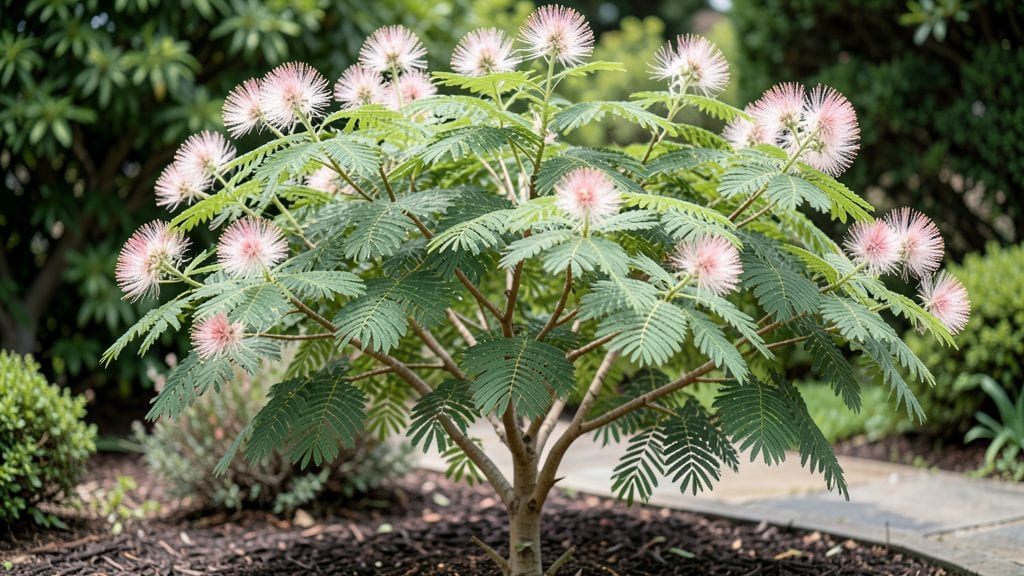
Those delicate pink puffs of mimosa tree blossoms announce spring in the Pacific Northwest—if you prune right. I’ve learned the hard way that timing and technique make all the difference between a tree bursting with color and one struggling to recover after winter’s chill.
The key lies in understanding how cold snaps and late frosts interact with mimosa’s growth cycle, especially in our damp, unpredictable climate.
Mimosa trees thrive in full sun and well-draining soil, but their real magic happens after strategic pruning. Cut back dead or crossing branches in late winter, just as buds begin to swell—this encourages vibrant new growth and protects against frost damage.
A sharp pair of pruners and a clear day are all you need, along with patience to let the tree rebound before the next bloom cycle. The payoff? A canopy of fragrant, fuzzy blossoms that last for weeks.
You’ll notice the first flush of new leaves by early spring, followed by those iconic pink pom-pom flowers by late May or June. The secret is balancing pruning with the tree’s natural rhythm—too aggressive, and you delay blooms; too gentle, and the tree becomes overcrowded.
With the right approach, your mimosa will become the showstopper of your garden, drawing bees and butterflies while adding a splash of color to the landscape.
This method works equally well for young trees and established specimens, though larger trees may require a ladder. For Pacific Northwest gardeners, the frost-resistant pruning technique is the game-changer that turns a good mimosa into a stunning, low-maintenance centerpiece. Ready to transform your yard into a springtime spectacle?
📚 In This Guide
- What you need
- Instructions
- Tips and common mistakes
- Wrapping up and next steps
What you need
- ● Mimosa tree (Albizia julibrissin) – Choose a young, healthy sapling (3–5 feet tall) from a local nursery. Pro tip: 🌡️ Opt for a grafted variety if your zone is colder (USDA Zones 7–9).
- ● Well-draining soil mix – 60% topsoil, 30% compost, and 10% perlite or sand (for aeration).
- ● Organic fertilizer – Slow-release 10-10-10 or a bloom-specific formula (e.g., Miracle-Gro Shake ’n Feed).
- ● Mulch – 2–3 inches of wood chips or pine straw to retain moisture and protect roots.
- ● Pruning shears – Bypass pruners (sharp, 6–8 inch blades) for clean cuts.
- ● Loppers – For thicker branches (1–2 inch diameter).
- ● Hand saw – Pruning saw with a curved blade for stubborn limbs.
- ● Gloves – Heavy-duty leather gloves (mimosa thorns are serious!).
- ● Watering can or hose – With a gentle spray nozzle for post-pruning hydration.
- ○ Disinfectant (optional) – 70% isopropyl alcohol or Tanglefoot to sterilize tools between cuts.
- ● Sunlight – Full sun (6+ hours daily) for optimal blossoms. Partial shade is tolerable but may reduce flowers.
- ● Spacious spot – Mimosa trees need 20–30 feet of horizontal space to thrive. Avoid planting near sidewalks or structures.
- ● Frost awareness – Young trees benefit from burlap wraps or frost cloth in early spring (PNW’s late frosts can delay blooms).
- ● Local regulations – Check if mimosa trees are invasive in your county (some PNW areas restrict them!).
How to prune mimosa trees for Pacific Northwest frost resistance
Here’s the method I’ve used for years to keep mimosa trees thriving in our rainy, chilly climate.
Time Your Pruning for Late Winter Dormancy
Prune your mimosa tree between mid-February and early March, just as buds begin to swell but before new growth starts. This timing ensures you remove dead wood while preserving next year’s blooms. The Pacific Northwest’s winter chill helps harden the tree, so don’t cut back too early—you’ll risk exposing tender branches to late frosts.
Check the buds closely: they’ll look plump and slightly sticky, signaling dormancy is breaking. If you see green shoots, you’ve waited too long. I always prune on a dry, sunny day—wet conditions can stress the tree and slow healing.
Remove Dead, Weak, or Crossing Branches First
Start by cutting out any branches that are dead, diseased, or rubbing against others. Use clean, sharp pruners to make 45-degree cuts just outside the branch collar. Mimosa trees are fast growers, so crossing branches compete for sunlight and weaken the structure over time.
Look for branches that grow inward or downward—they’ll block airflow and trap moisture, inviting fungal issues. Thin the canopy by 20-30% total, focusing on the lower third first. This opens up the center for better light penetration and frost circulation.
Shape for Airflow and Frost Protection
Mimosa trees naturally grow in an open, airy shape, but Pacific Northwest winters demand extra care. Prune to create a rounded, vase-like form with branches spaced 12-18 inches apart. This spacing prevents frost pockets where cold air lingers and damages buds.
Shorten the longest branches by one-third to balance the tree’s height and width. Avoid heavy topping—it encourages weak, leggy growth. Instead, cut back to a strong lateral branch or bud. You’ll see new growth emerge from these points in spring, stronger and more resilient.
Clean Up and Apply Protective Measures
After pruning, rake up all debris and dispose of it—don’t compost diseased branches. Sterilize your tools with 70% rubbing alcohol to prevent spreading pathogens. In the PNW, where winters can linger, I also wrap the base of young trees with burlap to shield against late frosts.
Apply a 2-inch layer of mulch around the tree (but keep it 6 inches away from the trunk) to insulate roots. Water deeply before the first hard freeze to encourage root strength. You’ll notice fewer browned buds in spring—a sign your pruning paid off.
Tips & tricks for perfect mimosa tree pruning
Here's what nobody tells you about pruning mimosa trees that'll make all the difference in your PNW garden.
Timing is Everything: That mid-February to early March window is non-negotiable for mimosa trees in the Pacific Northwest. I learned this the hard way after pruning too early and watching late frosts damage tender new growth. Check for those plump, slightly sticky buds—they're your signal that dormancy is breaking and it's time to act. If you see green shoots, you've waited too long and risk weakening the tree's winter hardiness.
Branch Selection Strategy: When thinning the canopy by 20-30% in Step 2, focus on creating airflow from the bottom up. I always start with the lower third because cold air sinks and lingers there. Look for branches growing inward—they're the biggest culprits for trapping moisture and creating frost pockets. Remember, you're not just pruning for aesthetics; you're creating a tree that can handle our wet, chilly winters.
Shape Matters More Than You Think: That rounded, vase-like form isn't just for looks—it's a frost protection technique. The 12-18 inch spacing between branches creates microclimates that prevent cold air from settling. When you shorten those longest branches by one-third, you're not just balancing the tree; you're encouraging stronger lateral growth that emerges more resilient in spring. This is where the magic happens for frost resistance.
Cleanup is Critical: Don't make my mistake of composting diseased branches—those pathogens can reinfect your tree. Sterilizing your tools with 70% rubbing alcohol might seem like overkill, but in our damp climate, it's the difference between a healthy tree and one struggling with fungal issues. That 2-inch layer of mulch, kept 6 inches from the trunk, creates the perfect insulation while preventing moisture buildup that can lead to root rot.
Pro Tips for Mimosa Tree Blossoms
- Here's what nobody tells you about pruning mimosa trees that'll make all the difference in your PNW garden.
- Timing is Everything: That mid-February to early March window is non-negotiable for mimosa trees in the Pacific Northwest.
- Branch Selection Strategy: When thinning the canopy by 20-30% in Step 2, focus on creating airflow from the bottom up.
Frequently asked questions
Got questions about mimosa tree blossoms? You’re not alone! Whether you’re a Pacific Northwest gardener or just admire their fluffy charm, here are answers to the most common queries to help you grow and enjoy these frost-resistant beauties with ease.
When do mimosa tree blossoms typically appear in the Pacific Northwest?
Mimosa trees (like Albizia julibrissin) usually burst into bloom between late spring and early summer (May–July), depending on local climate. In the PNW, cooler coastal areas may see slightly later blooms, while inland regions like Portland or Seattle often enjoy earlier displays. Pro tip: Warm spells can trigger blooms—watch for 60°F+ daytime temps!
How do I encourage more mimosa blossoms in my tree?
Prune in late winter or early spring (before buds swell) to remove dead wood and shape the tree—this boosts airflow and sunlight, key for blooming. Avoid heavy pruning after flowering. Bonus: Fertilize lightly in early spring with a balanced 10-10-10 formula to support growth. Overwatering can stress the tree, though—mimosas prefer well-drained soil!
Are mimosa tree blossoms frost-sensitive? What should I do if frost threatens?
While mimosa trees are frost-tolerant, their blooms can be damaged by late frosts (below 28°F). Cover young trees with frost cloth if frost is forecasted during bloom season. For established trees, prune lightly to reduce vulnerable branches. Fun fact: The tree itself often survives frost, but buds may drop—don’t worry, it’ll rebloom!
What can I plant near mimosa trees to complement their blossoms?
Pair mimosas with drought-tolerant PNW natives like salmonberry, oregon grape, or lavender for a low-maintenance garden. Avoid aggressive roots (e.g., bamboo) that compete with mimosas. Design tip: Plant roses or clematis nearby—their vines add vertical interest without crowding!
Are mimosa tree blossoms good for pollinators like bees and butterflies?
Mimosa blossoms are a pollinator magnet, attracting bees, butterflies, and hummingbirds. Their fuzzy pink pom-poms are packed with nectar, making them a superfood for wildlife. Eco tip: Leave fallen blooms on the ground—they provide habitat for beneficial insects!
Why aren’t my mimosa tree blossoms opening this year?
Common culprits include over-pruning (removing too many branches), nutrient deficiencies (yellowing leaves?), or stress from transplant shock. Check soil moisture—mimosas hate soggy roots. If the tree is young, be patient; blooms may take 2–3 years to fully establish. Quick fix: Test soil pH (ideal: 6.0–7.0) and amend if needed.
Wrapping up and next steps
Growing mimosa tree blossoms in the Pacific Northwest is not only rewarding but also a fantastic way to bring vibrant color and resilience to your garden. With the right pruning techniques and frost-resistant care, you’ll enjoy stunning blooms year after year—and you’re already on the right track! 🌸
Ready to take the next step? Start by observing your tree’s growth patterns and adjust your pruning schedule as needed. Share your progress with fellow gardeners or even local gardening groups for tips and inspiration—your mimosa will thank you with a burst of beauty! 🌿